REVIEW · VENICE
Venice: City Center Historical Guided Walking Tour
Book on GetYourGuide →Operated by CITY TOURS CO LTD · Bookable on GetYourGuide
Venice makes sense on a guided walk. I like how this tour pairs classic sights like the Rialto Bridge with quieter Calli side streets, so you get the whole picture fast. I also like the optional follow-up gondola ride when you want a Venice-from-the-water perspective. One catch: the walking pace and schedule are set, so if you move slowly or need lots of breaks, you may find it hard to keep up.
You’ll spend about an hour to a little over two hours threading through the center, with stops that help you read what you’re seeing instead of just passing it. The guides I’ve seen highlighted by name include Ana, Natalia, Valentina, and Francesco, and they’re praised for turning major landmarks into clear, human stories.
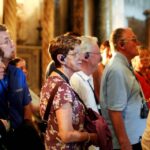
If you’re in a larger group, you’ll also get audio-receiver devices, which helps when the square is noisy and everyone’s craning their neck for photos. And if you add the gondola option, plan on a time gap between the walking portion and the boat ride.
In This Review
- Key things I’d plan around
- St. Mark’s Square to Rialto: a smart way to read Venice
- The Rialto Bridge: photos, canal views, and what the bridge meant
- Calli and campi routing: seeing the quieter Venice edges
- Teatro La Fenice on the route: opera history without paying monument prices
- The Venice Gallery VR journey: a timeline you can wear
- Gondola ride option: the time gap is real, so plan for it
- How the guide style changes what you get
- Price and value: why $14 can make sense in Venice
- Timing, pace, and what to wear for a 1–2.5 hour Venice walk
- Weather and high tide: how the tour handles it
- Should you book this Venice walking tour?
- FAQ
- How long is the Venice City Center Historical Guided Walking Tour?
- What areas of Venice does the tour cover?
- Is a gondola ride included?
- What is the VR Venice Gallery experience?
- Are monument entrance tickets included?
- Do I get audio equipment on the tour?
- What languages are offered?
- Is hotel pickup or drop-off included?
- What happens if there is exceptionally high tide?
Key things I’d plan around
- Rialto Bridge viewpoints for Grand Canal photos without feeling like you’re wandering blind
- St. Mark’s Area orientation so you know where the big landmarks fit in the city’s layout
- Calli and campi routing that gets you off the busiest paths (at least for parts of the walk)
- Teatro La Fenice pass-by for a quick look at an opera landmark without paying monument-entry prices
- Venice Gallery VR that sets up what you’re about to see with a timeline-style look back
- Gondola option timing with a gap from the walking tour, which can change how you schedule your day
St. Mark’s Square to Rialto: a smart way to read Venice
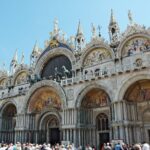
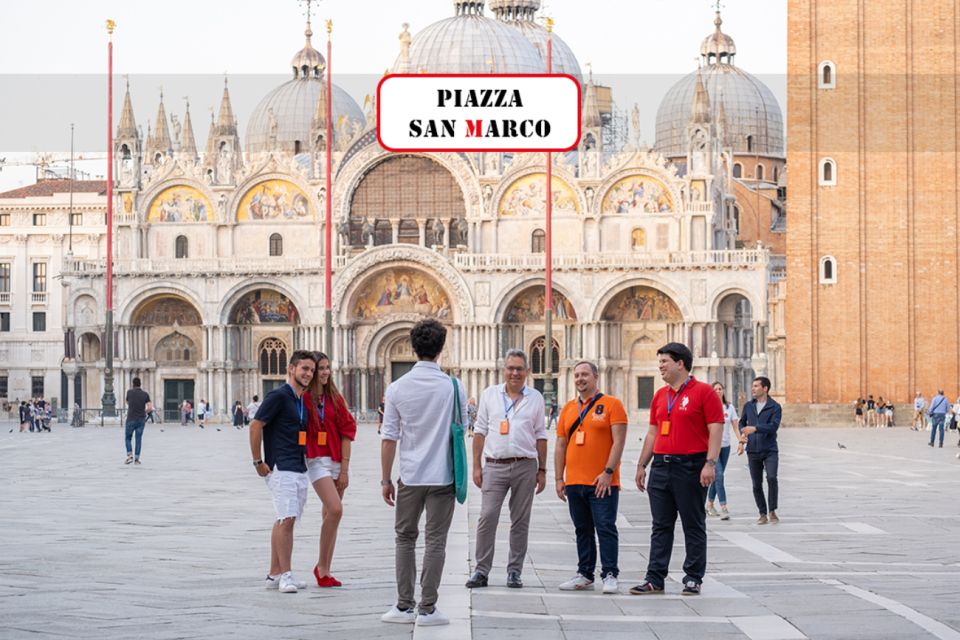
Venice can feel like a beautiful maze. This tour helps you turn that maze into something logical by walking through the city center with a guide who can explain how the landmarks connect. You’re not just seeing places; you’re learning how Venice functioned as a trading city, how neighborhoods developed, and why certain spots became meeting points.
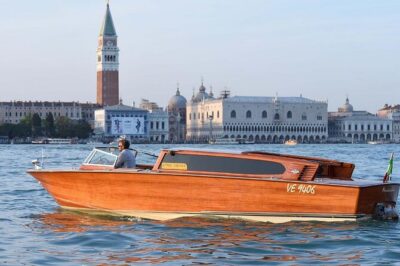
I especially like that the experience is built around the core zones people actually want to understand: the St. Mark’s area and the Rialto area. Those two areas act like anchors, so once you understand them, the rest of the city starts to make sense when you wander on your own afterward.
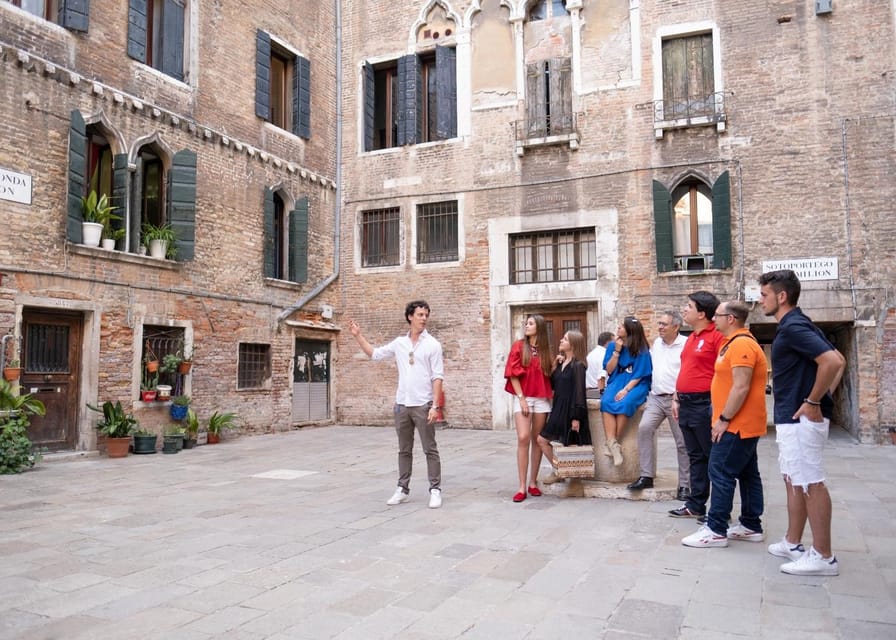
You’ll also get plenty of street-level time, which matters. Venice isn’t something you fully understand from a single viewpoint. The calli (narrow lanes) and campi (small squares) are where you feel the city’s scale—tight turns, sudden little open spaces, and the sense that the architecture is always watching you back.
You can also read our reviews of more walking tours in Venice


The Rialto Bridge: photos, canal views, and what the bridge meant
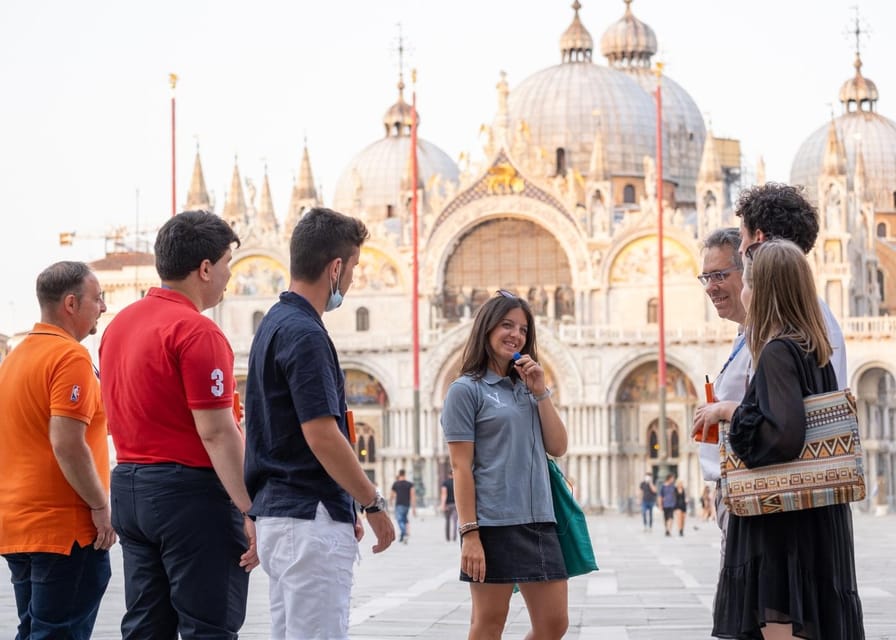
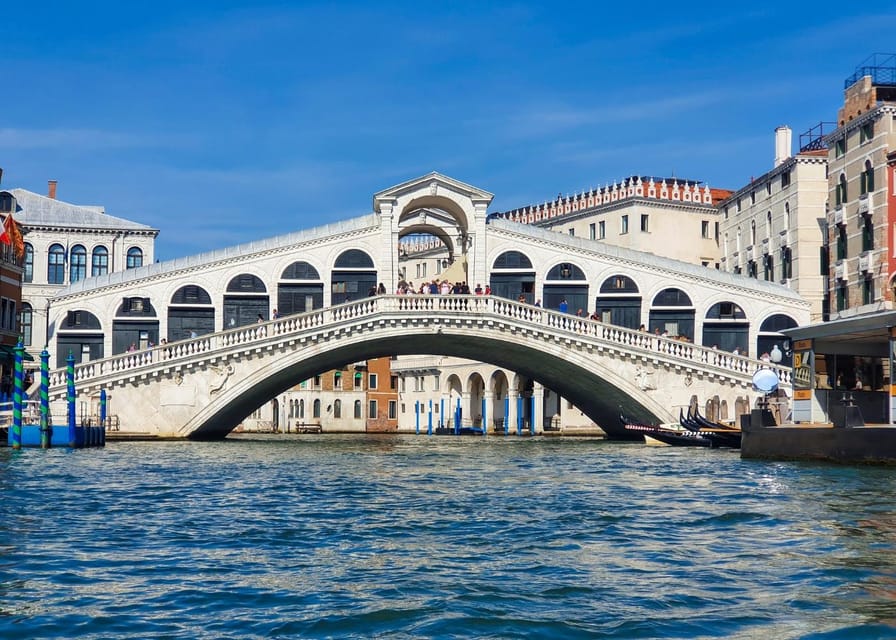
The Rialto Bridge is the kind of stop that looks simple until you’re there. Up close, you get the full Grand Canal scene, with palaces, boats, and that classic Venice layering of water and stone. This is the spot where your guide’s explanations help a lot, because you’ll hear how the bridge changed over time—from earlier wooden versions to the current stone form.
What’s useful for you isn’t just the fact that it became stone; it’s why that mattered. A bridge in this position wasn’t decoration. It was a practical connection for people and commerce, shaping how the surrounding area worked day to day.
And yes, it’s a photo moment. You’ll have time to pause at the foot and take in the shimmer on the water and gondolas gliding underneath. If you want a great shot, aim for a short stop where you can look both directions: toward the canal activity and back toward the architecture lining the banks.
Calli and campi routing: seeing the quieter Venice edges
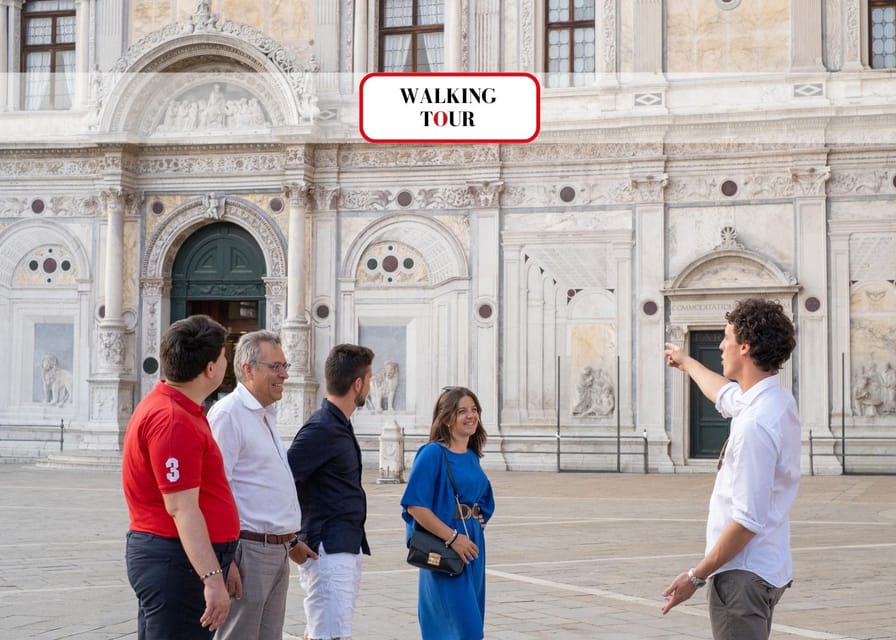
A good Venice walk isn’t just major monuments. It’s the small in-between sections that teach you the city’s rhythm. This tour includes Venice’s narrow streets (calli) and smaller open spaces (campi), which is where you start to notice details you’d otherwise miss while staying on the main thoroughfares.
I like how this kind of routing helps you avoid the all-day tourist crush. You’re still in the center, so you’ll see iconic places, but you also get stretches where the crowd thins out and the streets feel more lived-in. One of the best practical outcomes is that after the tour, you’ll remember how to move between areas without re-learning the city from scratch.
One small note: the walk is timed. The pace won’t stretch forever for slower movement, and there’s often a schedule for the next group. So if you’re concerned about stamina or mobility, consider planning for that reality rather than hoping the tour can slow down for you.
Teatro La Fenice on the route: opera history without paying monument prices
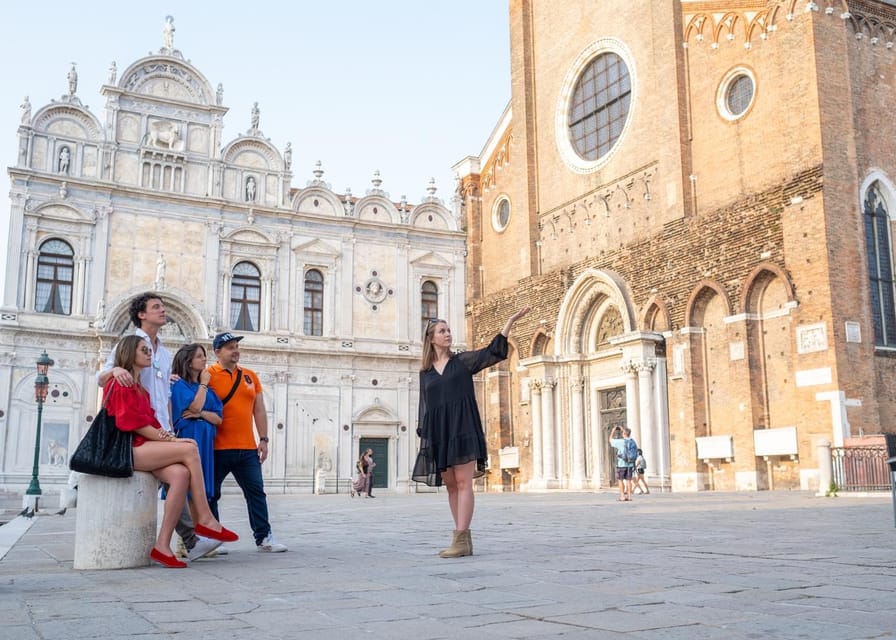
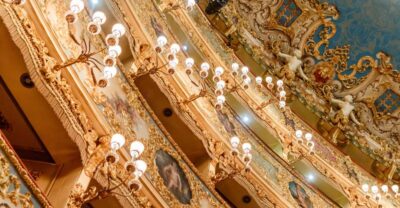
You’ll pass by Teatro La Fenice, one of the world-famous opera houses. Even if you don’t go inside, it’s a meaningful stop because it reminds you Venice isn’t only about old stone and canals. It’s also about performance culture and resilience—an opera house is one of those places where the city’s artistic identity shows up in plain view.
From a practical perspective, passing by works well when you want to keep your time focused. Monument entrances aren’t included, so this is a low-cost way to connect the name you’ve heard with what it looks like in real life.
Also, street-level views can be surprisingly good. You get the facade within the flow of the city, so it feels less like a museum object and more like a working landmark in a neighborhood.
The Venice Gallery VR journey: a timeline you can wear
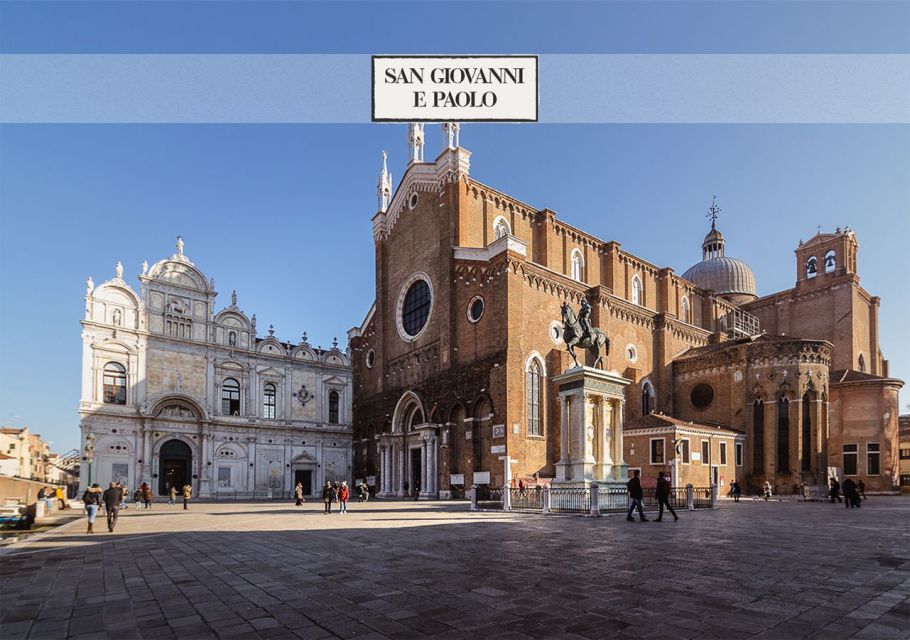
This tour includes the Venice Gallery: a dedicated VR journey through historic St. Mark’s Square. The point isn’t to replace walking—it’s to upgrade it. With the headset, you’ll see Piazza San Marco and the Grand Canal evolve through time, turning what looks like a single snapshot of Venice into something you can place in sequence.
You’ll also “glide along” the canal in the VR experience, which helps you understand how the water functions as a connector, not just scenery. That’s the kind of context that makes later street views click.
In practice, this VR stop works best when you treat it like a warm-up brain. If you go in thinking only about photos, the VR can feel like a novelty. If you go in curious about why the city looks the way it does, it becomes a shortcut to understanding.
You can also read our reviews of more guided tours in Venice





Gondola ride option: the time gap is real, so plan for it
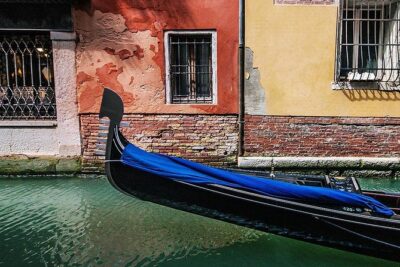
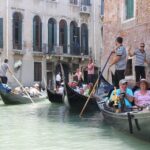
The gondola ride is included only if you select that option. The important detail for your day: there’s a gap of time between the walking tour and the boat ride. That means you’ll want a simple plan for how to spend that in-between stretch without rushing.
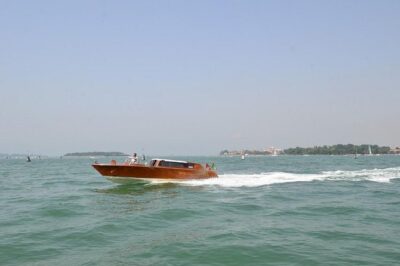
What you’re really buying with the gondola is the shift in perspective. Walking gives you the city’s shape; the gondola gives you Venice’s scale from the water. If you catch the ride in misty or moody conditions, it can feel cinematic in a way no street photo matches.
One extra practical tip: if you’re hoping for the best light for photos, consider timing your gondola for daylight rather than assuming evening will be best. Mist over the water can be dramatic, but daylight helps you capture details in the palaces and reflections.
How the guide style changes what you get
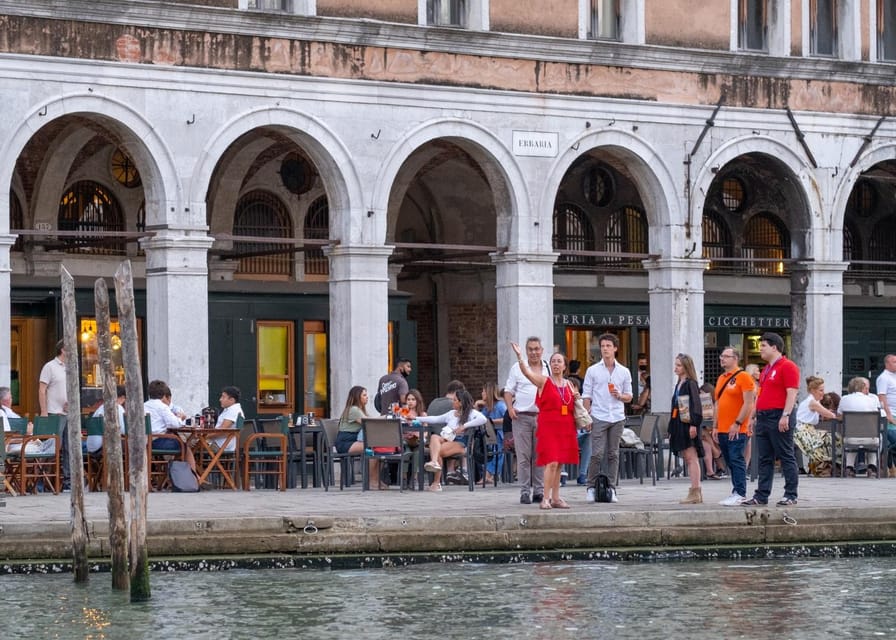
The biggest difference between a mediocre walking tour and a great one is how explanations land while you’re moving. This tour tends to score high because the guides are praised for packing a lot of meaning into a short timeline.
Names that have shown up in standout accounts include Ana, Natalia, Valentina, and Francesco. Across those experiences, the common thread is that the guide doesn’t just name buildings. They connect them to why Venice worked—how people moved, how the city survived, and how infrastructure shaped daily life.
A good example is when the tour touches on how Venice secured its water needs. You might not expect a water-supply story on a walk, but that kind of detail helps you see the city as a system, not just a backdrop.
If you like tours that make you feel oriented and informed within a tight time window, this format fits.
Price and value: why $14 can make sense in Venice
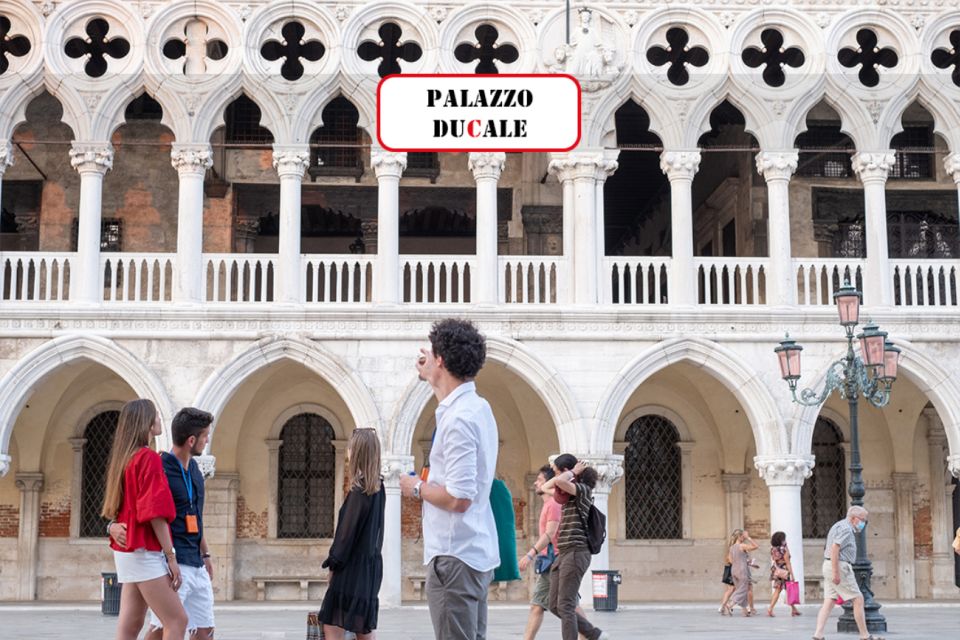
At about $14 per person, this is priced to be realistic for a budget day in Venice. The value comes from what’s included: a live guide, the Venice Gallery VR stop, and (if you choose the option) the gondola ride.
You’re also getting something many self-guided plans don’t include: interpretation. In Venice, interpretation is often what you end up paying for later, when you try to understand everything from signage. Here, you’re getting the explanation up front while you’re standing in the right spots.
A sensible way to think about value is this: you’re buying time plus context. One to two and a half hours is short enough to not hijack your whole day, but long enough to build momentum. You leave with a stronger mental map and a better sense of what you’re seeing when you walk away.
Timing, pace, and what to wear for a 1–2.5 hour Venice walk
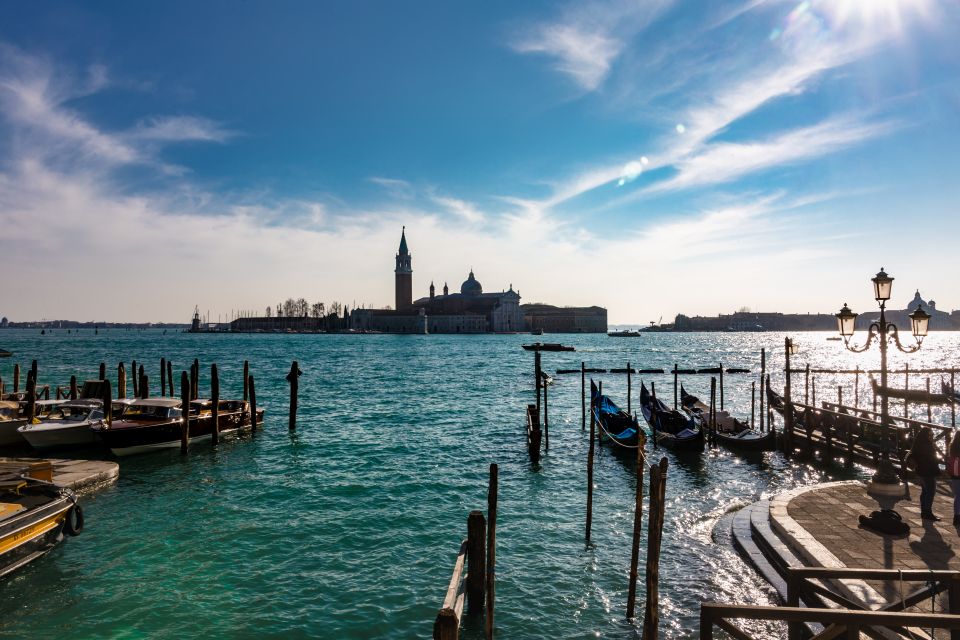
The duration is listed as 1 to 2.5 hours, and the actual experience depends on the start time and whether you add the gondola option. That range matters because the walk is covering multiple anchor areas plus smaller calli and campi.
So treat it like a “real walk,” not an easy stroll. The pace is planned, and at least one experience highlighted that the guide can’t slow down much due to tight scheduling for upcoming groups. If you want a tour but need a very gentle pace, you may want to consider whether this format matches your comfort level.
For comfort, wear shoes you trust on uneven pavement. Bring a light layer if the weather is cold or foggy, because Venice weather shifts fast and the wind near the water can feel sharp.
If you’re doing the gondola option, you’ll likely spend more time in Venice’s central zone. Planning around the gap between the walking tour and the boat ride will help you stay relaxed instead of constantly checking the clock.
Weather and high tide: how the tour handles it
Venice tides can change plans, so this tour includes a weather rule. If there’s exceptionally high tide, the walking tour doesn’t operate; it can be postponed to the next day, or you receive a refund. That’s a practical policy for a city where water levels truly affect what’s possible on foot.
If you’re traveling during a season when tides are more unpredictable, keep one flexible slot in your schedule for this kind of activity. You’ll have an easier time adjusting if nature decides to run the itinerary.
Should you book this Venice walking tour?
Book it if you want a guided shortcut through St. Mark’s and Rialto without spending monument-entry money everywhere. The mix of city-center walking, VR context in the Venice Gallery, and an optional gondola gives you three different angles on Venice: street view, historical timeline, and water perspective.
I’d skip it (or at least rethink it) if you need a very slow pace or lots of extra sitting/pauses. The schedule is set, and the tour format is designed to keep moving so people can reach the next timed component.
If you’re trying to pack a meaningful first or second day in Venice, this is a strong “get oriented fast” choice. You’ll leave with a clearer route through the city, plus a unique VR start that makes later exploration feel more intentional.
FAQ
How long is the Venice City Center Historical Guided Walking Tour?
The duration is listed as 1 to 2.5 hours, with starting times that vary based on availability.
What areas of Venice does the tour cover?
You’ll explore the city center with stops around St. Mark’s area and Rialto, including calli and campi (narrow streets and hidden squares). You’ll also pass by Teatro La Fenice and spend time at the Rialto Bridge.
Is a gondola ride included?
A gondola ride is included only if you select the gondola option. There is also a stated time gap between the walking tour and the gondola ride.
What is the VR Venice Gallery experience?
The tour includes a VR journey inside a dedicated gallery, focused on historic St. Mark’s Square and a timeline-style look at Piazza San Marco and the Grand Canal.
Are monument entrance tickets included?
No. Entrance to the monuments is not included.
Do I get audio equipment on the tour?
Yes. Audio-receiver devices are included for groups with more than ten people.
What languages are offered?
The tour is live and available in German, French, English, Italian, and Spanish. The tour is monolingual, meaning it runs in one language at a time.
Is hotel pickup or drop-off included?
No. Hotel pickup and drop-off are not included.
What happens if there is exceptionally high tide?
In cases of exceptionally high tides, the walking tour does not operate. It can be postponed to the day after, otherwise you receive a refund.