REVIEW · VENICE
Venice: Walking tour, Doge Palace, & St. Mark’s Basilica
Book on GetYourGuide →Operated by Very Viva Venice Srl · Bookable on GetYourGuide
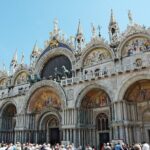
St Mark’s Square feels like a living postcard. This tour targets Venice’s top sights with skip-the-line entry and a guide who ties the art, politics, and religious symbolism together fast. I love how you get inside both Doge’s Palace and St Mark’s Basilica without losing most of the day to lines.
One thing to plan for: even with the skip-the-line entrances, security checks and crowd flow can still create waits inside, especially in peak hours.
In This Review
- Key highlights you should care about
- A smart Venice day: power, sacred art, and the streets between
- Doge’s Palace: political power, prisons, and Bridge of Sighs storytelling
- St Mark’s Basilica: Byzantine mosaics, marble inlays, and the Pala d’Oro
- St Mark’s Square plus S. Maria Formosa Campo: Venice beyond the main stage
- Mercerie and the shopping streets: a useful break from museum time
- The wider circuit: Scuole, captains, Marco Polo’s house, and Teatro Malibran
- Timing, pacing, and what to pack for a 4–8 hour San Marco day
- Price and value: why $142.74 can be fair for this mix
- Should you book this Venice tour?
- FAQ
- Where does the tour start?
- Does this tour include entry to both Doge’s Palace and St Mark’s Basilica?
- How long is the tour?
- What languages are offered?
- Is the tour fully skip-the-line?
- What’s the group size?
- What is the walking portion focused on?
Key highlights you should care about
- Doge’s Palace plus Bridge of Sighs: see how decisions made in power rooms led to suffering below.
- Casanova’s prison cell: the most famous prisoner story is part of the visit.
- St Mark’s Basilica mosaics and marble inlays: Byzantine art you can really study up close.
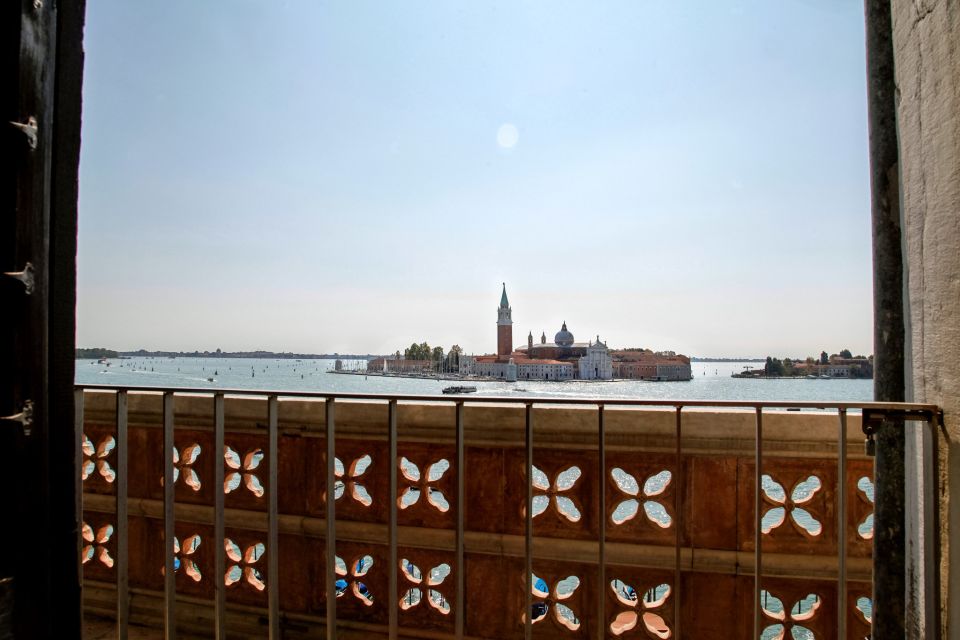
- St Mark’s Square atmosphere: you’ll walk the space that made Venice famous.
- S. Maria Formosa Campo and the Mercerie: you’ll get out of the postcard lane and into real neighborhoods.
- Local walking circuit: stops include SS. Giovanni e Paolo, Scuola areas, and Marco Polo-related landmarks.
A smart Venice day: power, sacred art, and the streets between
If you’re only doing one big “San Marco” day, this route fits the bill. You start with Venetian political power in Doge’s Palace, then you pivot to religious art overload in St Mark’s Basilica. After that, you shift from indoor spectacle to Venetian street life with a guided walk through squares and shopping lanes.
The big win here is pacing by theme. You’re not just collecting monuments. You’re moving from how Venice ruled (Doge’s Palace), to what Venice believed (Basilica), to how people lived and gathered (Campos and Mercerie). That keeps the day from feeling random.
Also, the group size stays reasonable, up to 35 people, and the tour runs with a live guide in English or Spanish. In November to March, the tour can be bilingual, which helps if you’re traveling as a mixed-language group.
You can also read our reviews of more walking tours in Venice
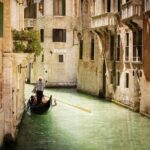
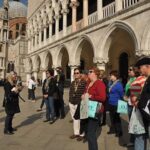
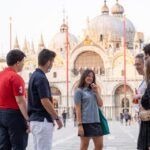
Doge’s Palace: political power, prisons, and Bridge of Sighs storytelling
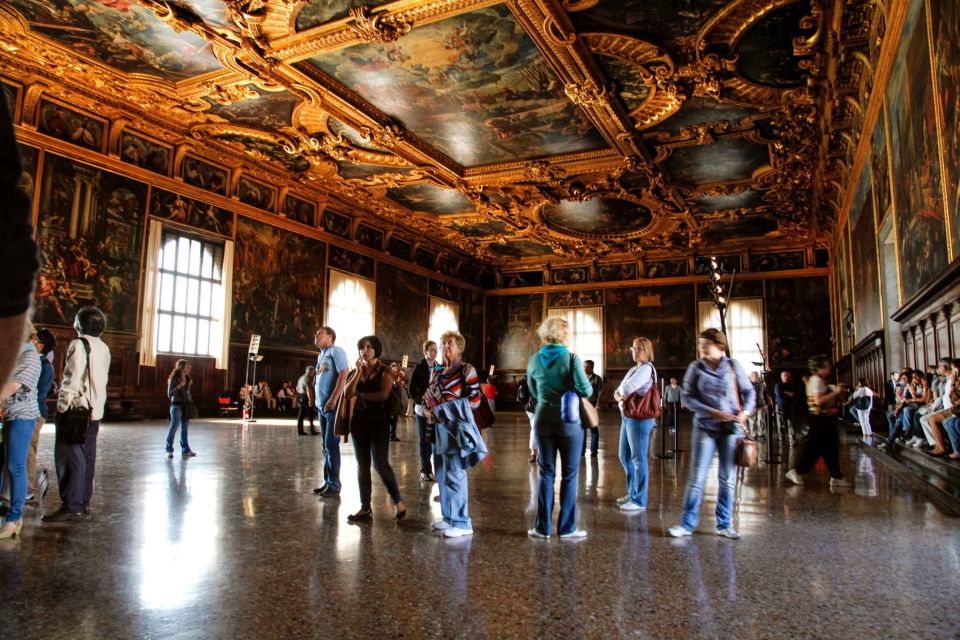
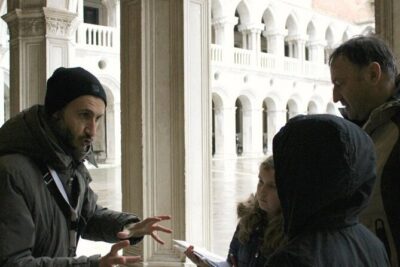
Doge’s Palace is where Venice shows its true personality: theatrical power on top, consequence below. Your visit begins at the seat of Venetian political power for centuries, where the Duke and his council shaped decisions for a 1,000-year republic. The palace works best when someone connects the dots for you, and that’s exactly the point of a guided route.
Expect to see the palace’s interior with a focus on the art and the way it reinforces authority. You’re also meant to understand the prisoner storyline tied to the famous Bridge of Sighs. That bridge connects court life to the prison experience, and it turns a building into a story you can feel.
The most talked-about moment is the prison cell connected to Giacomo Casanova. It’s a stark contrast to the elegant power spaces you’ve just been admiring. You go from symbolism and ceremonies to the emotional reality of confinement.
Practical note: one guest experience highlighted a mismatch between what they expected and what they actually walked through in the prison areas. The tour description promises access tied to Casanova, so if that detail matters to you, treat it as something to ask your guide about at the start: where exactly you’ll be taken in the prison sections.
St Mark’s Basilica: Byzantine mosaics, marble inlays, and the Pala d’Oro
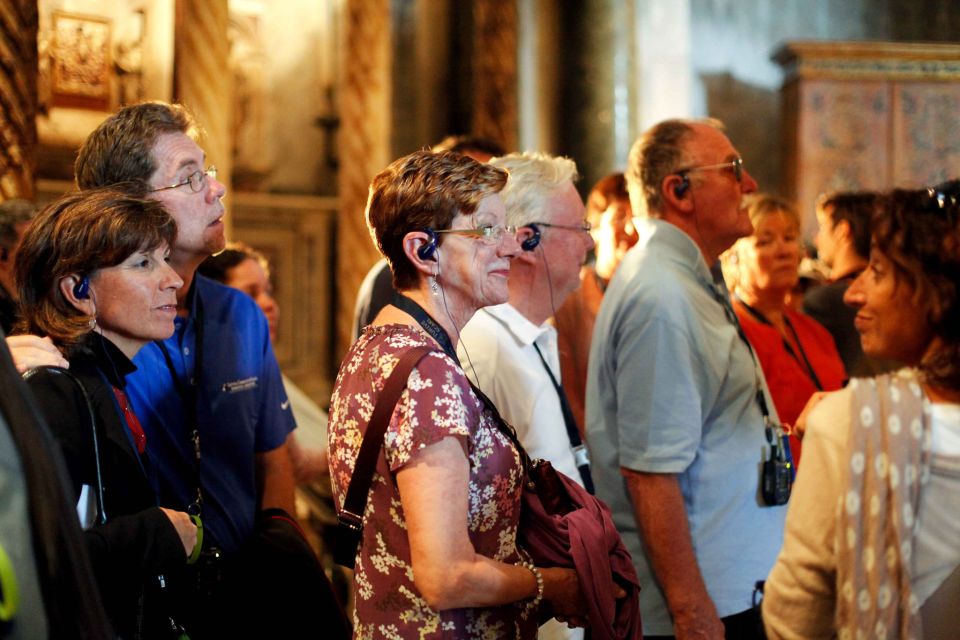
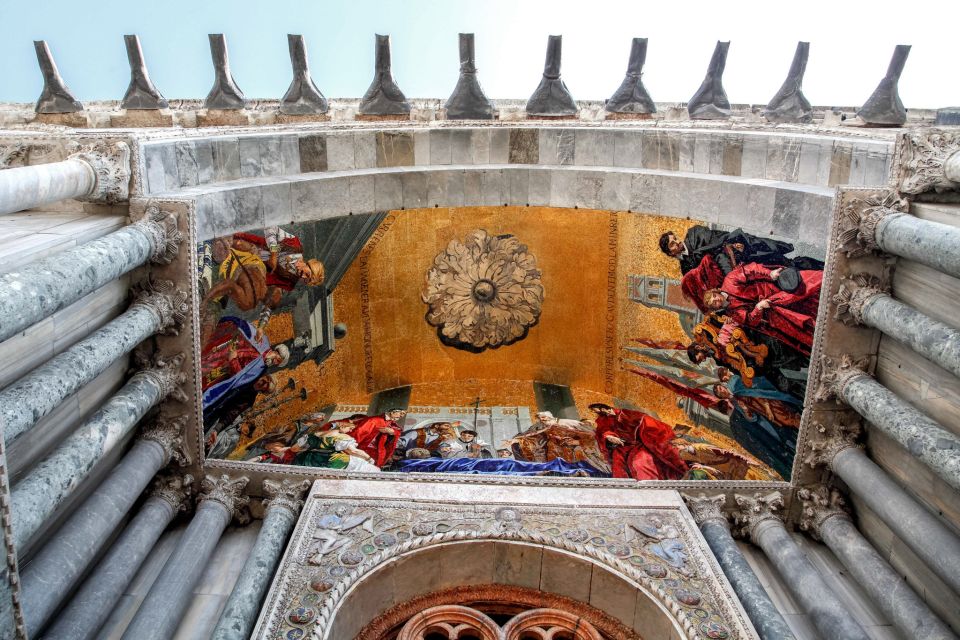
St Mark’s Basilica is not a quick stop. It’s the kind of place that makes you slow down, even when your feet want to rush.
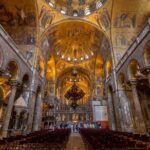
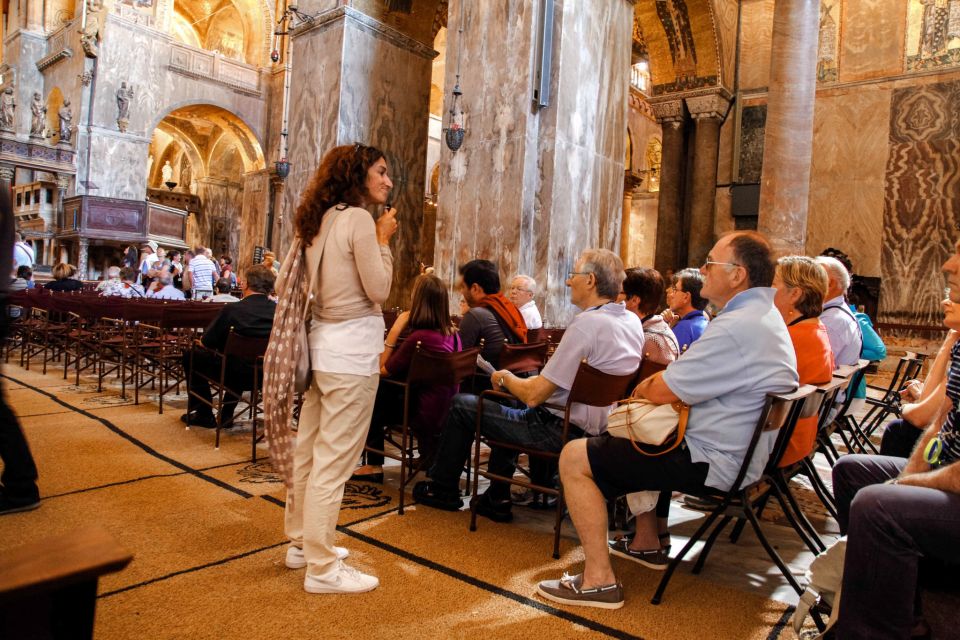
You’ll enter with ticketed access included, and the guide gives you a framework for what you’re seeing. The Basilica is known for Byzantine art—plus it’s described as the only cathedral of its kind in Italy. That matters because you’re not just looking at decoration. You’re looking at a style and a message.
Your highlights inside include:
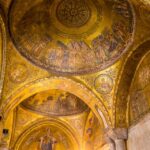
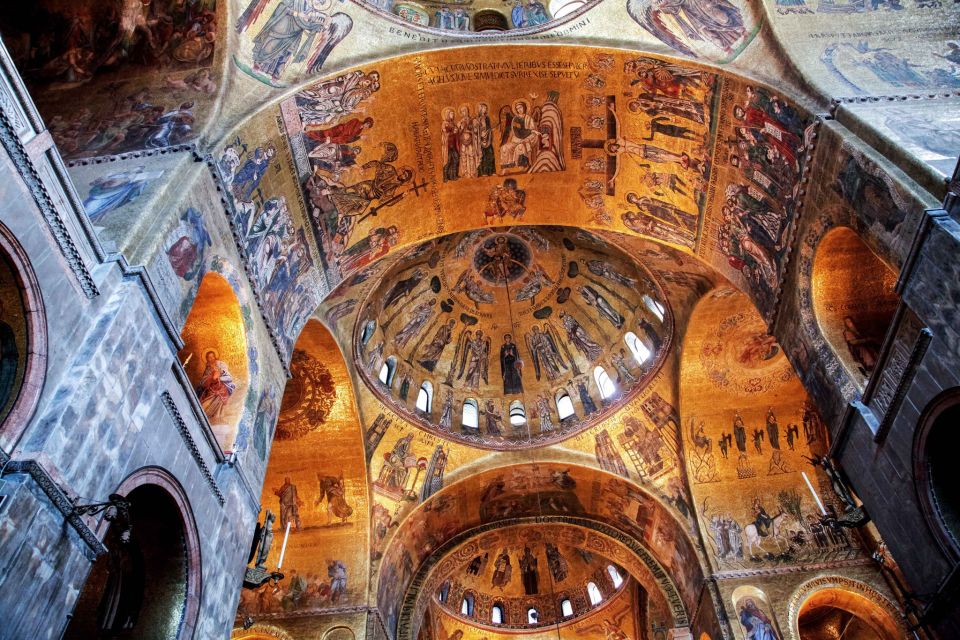
- Golden mosaics: the walls and ceilings are built to catch light and keep it moving.
- Marble floor inlays: details underfoot that are easy to miss if you don’t have a reason to look.
- The Biblical symbolism behind the art: the guide explains what the scenes are meant to communicate.
- The Pala d’Oro at the high altar, decorated with thousands of gems and precious stones.
If you’ve ever had the feeling that churches are either too “grand” or too “technical,” this is the rare setup where both work. The palace sets up political life. The Basilica answers the spiritual side of how Venice saw itself—glorious, chosen, and protected by faith.
Crowd reality check: even with skip-the-line, your pace can tighten up in the busiest sections. The Basilica is popular, and there’s a point where group flow and waiting at interior pinch points can slow down the end of the visit.
St Mark’s Square plus S. Maria Formosa Campo: Venice beyond the main stage
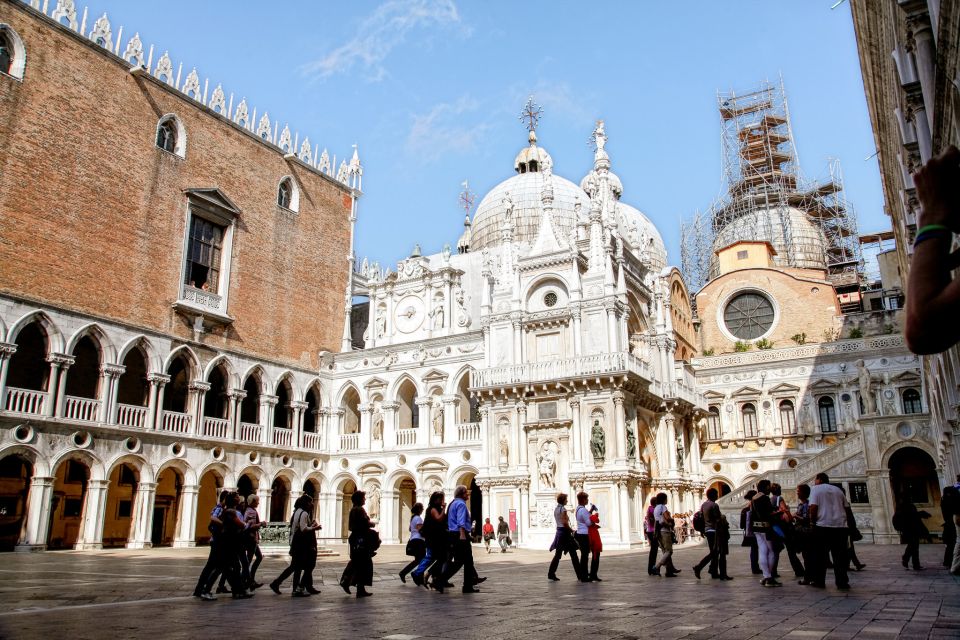
After the big interiors, the walk is where you get your bearings and your sense of Venice’s rhythm.
You’ll soak up the atmosphere of St Mark’s Square, the iconic stage where Venice’s power and pageantry feel most visible. But the tour doesn’t stop at the obvious postcard view. You also go to S. Maria Formosa, including its lively Campo. This is one of those Venetian contrasts that makes the whole day feel more real: same city, different energy.
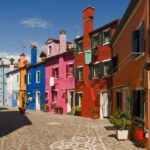
Campos are not just open space. They’re living rooms for locals—places where conversations happen, errands take place, and the architecture frames everyday life. A guided walk helps you notice how the squares sit within the maze and why certain areas feel busier or more social.
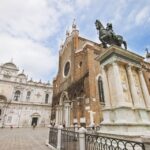
You’ll also see the church and Campo area of SS. Giovanni e Paolo, often described as the Pantheon of Venice. Even if you can’t read every detail, the guide’s explanation helps you understand why that name fits and what makes the spot important in the broader story.
Mercerie and the shopping streets: a useful break from museum time
One of my favorite parts of guided walking days is when the tour gives you a street route that you’d actually want to repeat later. Here, that’s Mercerie, Venice’s main shopping district.
That stop is useful in two ways:
- It gives you a clear, memorable path through central Venice.
- It lets you mix sightseeing with the practical reality that you’ll want to browse, snack, and reset.
Venice can be exhausting. Even when the buildings are gorgeous, your brain needs occasional texture changes. Mercerie does that. It’s still Venetian, but it’s less about “stop and stare” and more about moving through a working neighborhood.
If you plan to shop, this is the moment to do it. You’ll understand where you are in the city enough to make choices without feeling lost.

The wider circuit: Scuole, captains, Marco Polo’s house, and Teatro Malibran
This tour does more than bounce between two landmarks. The walking portion includes a set of Venice “anchors” that make the city feel connected.
Key sights you may see include:
- The Scuola areas tied to charity and civic life.
- The heroic deeds of famed Captains of fortune, which gives you a human angle on Venetian legends and power.
- Marco Polo’s house: a reminder that Venice’s story didn’t stay local.
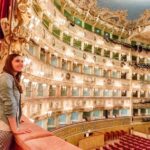
- Teatro Malibran, where ancient and more recent history share the same neighborhood space.
These aren’t filler stops. They help you see Venice as more than a stage for tourists. You start to notice patterns: religious art, civic institutions, storytelling, and the way famous names get planted into the city’s geography.
One practical tip: wear shoes that can handle uneven stone. The walk includes a good amount of territory, and you’ll want comfort when you switch from palace interiors to open-air streets.
Timing, pacing, and what to pack for a 4–8 hour San Marco day
This experience runs 4 to 8 hours, depending on the starting time you choose. That range matters in Venice. A morning start can feel calmer inside the major sites. A later start can mean more crowd density and tighter group movement.
Also plan for waiting. Security checks can still add time, even when the attractions use separate entrances for ticketed entry. One note from real-world experiences: audio systems can be harder to hear in certain rooms or corners of large buildings, so don’t assume every word will land perfectly. If you want the details, stay close to your guide when possible.
What I suggest packing:
- Water. The walk is long enough that thirst sneaks up.
- Layers. Indoor spaces can feel cooler than you expect, and walking outside can get cold fast.
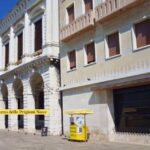
- A way to find the meeting point quickly. The start is inside a shop with a sign that says Meeting Point in front of the church, and the sign visibility can be tricky if you arrive too early.
Finally, watch your footing. Venice is famous for water issues, and the tour’s route is careful about tide and keeping feet dry, but you still want to be prepared for wet conditions if your day is affected.
Price and value: why $142.74 can be fair for this mix
At $142.74 per person, you’re paying for three things at once:
- Guided interpretation for both Doge’s Palace and St Mark’s Basilica (not just entry).
- Entry to two top attractions in the same day.
- A walking circuit that connects San Marco with additional Campos and lanes like S. Maria Formosa and Mercerie.
If you tried to do this as a DIY day, you’d likely spend serious time figuring out routes, managing your own timing, and standing in lines. The tour’s value is mostly about time and context. You’re not only seeing more; you’re also understanding why these places mattered to Venice.
Is it pricey? Compared to a simple city walk, yes. Compared to the cost of two major tickets plus the time savings of skip-the-line access, it lands in a reasonable “this is worth paying for” zone—especially if it’s your first visit.
Should you book this Venice tour?
Book it if:
- You want the Doge’s Palace + St Mark’s Basilica combo without spending your day in queues.
- You like guided context—especially art symbolism and the way stories connect across buildings.
- You want a walking route that includes S. Maria Formosa and Mercerie, not just the main square.
Skip it (or consider a shorter plan) if:
- You hate long days. This is a 4–8 hour commitment with steady walking.
- You only want the quick highlights and don’t care about explanations.
- You’re very sensitive to crowd slowdowns inside big venues, since security checks and pinch points can still happen.
If you’re visiting Venice once and you want a high-impact San Marco day with practical street time built in, this is a solid choice.
FAQ
Where does the tour start?
The tour starts at check-in inside the shop with the sign Meeting Point in front of the church.
Does this tour include entry to both Doge’s Palace and St Mark’s Basilica?
Yes. Entry to the Doge’s Palace and entry to St Mark’s Basilica are included.
How long is the tour?
The duration is listed as 4 to 8 hours, depending on the starting time you select.
What languages are offered?
The live tour guide is available in English and Spanish. From November to March, tours can be bilingual.
Is the tour fully skip-the-line?
The tour includes skip-the-line access through a separate entrance for the attractions, but security checks may still require some queuing to get inside.
What’s the group size?
Groups are up to 35 people.
What is the walking portion focused on?
The walk covers St Mark’s Square, S. Maria Formosa Campo, Mercerie, and additional stops such as SS. Giovanni e Paolo, Scuola areas, Marco Polo’s house, and Teatro Malibran. The tour ends back at the meeting point.