REVIEW · VENICE
Venice: La Fenice Opera House Entry Ticket with Audio Guide
Book on GetYourGuide →Operated by Venezia Unica by Vela Spa · Bookable on GetYourGuide
You only need an hour to fall for La Fenice. With a skip-the-line ticket and a 7-language audio guide, you can tour one of Venice’s most famous opera houses at your own pace. It’s a smart add-on even if you’re not seeing a performance, because the building itself does most of the talking.
I really like two things here: first, you get inside the theatre spaces and see details you’d never notice from the street, like how the rooms and decoration connect. Second, the audio guide gives clear context in multiple languages, so you’re not just staring at gold and velvet. One thing to keep in mind: it’s not a guided-by-a-person experience, so if you want a live host answering questions, you’ll need to rely on the audio and signage.
In This Review
- Key facts before you go
- La Fenice in Venice: why this theatre is worth your time
- Skip-the-line at the ticket counter: how entry really works
- The audio guide experience: 7 languages, 1 smart way to tour
- Inside La Fenice: what you actually see on the route
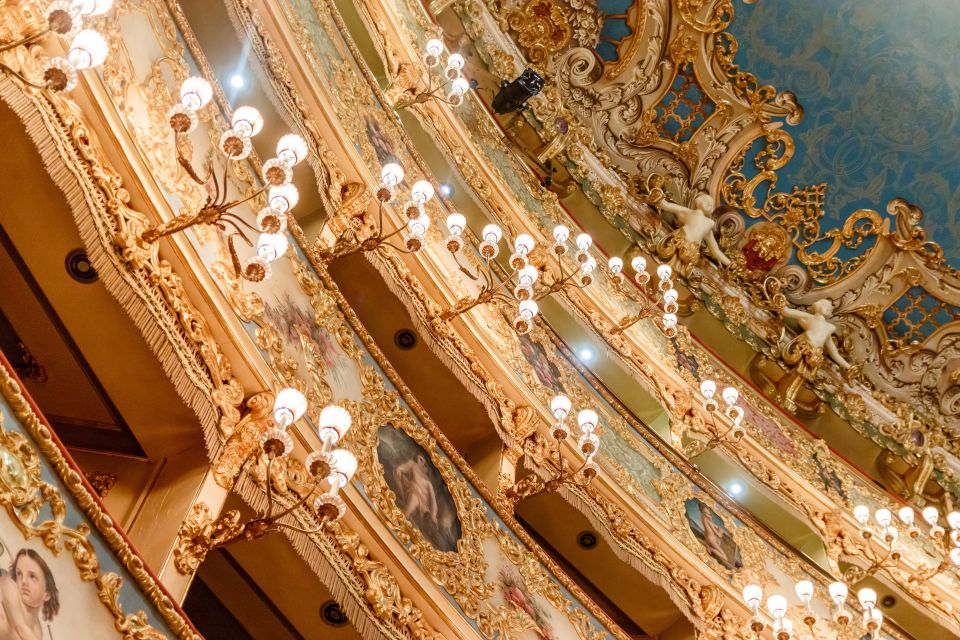
- The architecture and the theatre “secrets” you’ll notice
- Where to sit, how long to stay, and the quiet-time trick
- Don’t miss the building outside: gondola entrance payoff
- Price and value: is $14 a good deal?
- Practical logistics: schedule, hours, and the Venice Access Fee
- Who this ticket is best for
- Quick comparison: audio-only versus a live-guided visit
- Should you book La Fenice with the audio guide?
- FAQ
- Do I need ID to get the audio guide?
- Where do I go when I arrive in Venice?
- How long does the audio-guided tour take?
- What languages are available for the audio guide?
- Is the ticket refundable?
- When can I use the ticket?
Key facts before you go
- Skip-the-line entry means less queue time at the ticket counter
- Audio guide in 7 languages (English, French, German, Italian, Portuguese, Russian, Spanish)
- ID required to collect the audioguide at the counter
- The tour route is specific, so follow signs and don’t expect full wandering without guidance
- Plan for about 45–60 minutes of audio, with extra time to sit, look, and pause
La Fenice in Venice: why this theatre is worth your time

La Fenice is one of those Venice sights that pulls you in even before you know its story. The outside is famous, but the real thrill is stepping into the spaces where opera once mattered every night. If you like architecture, theatre design, or just the feeling of old-world drama, this visit scratches that itch fast.
What makes this ticket work for most schedules is simple: you do not need to buy performance seats to experience the magic. You can walk in, follow the route, and learn how the theatre’s past shaped what you see today.
And yes, the building is the star. You’ll spend time inside halls and viewing areas, with frequent pauses that make it easy to take in the scale and decorative detail without rushing.
You can also read our reviews of more tours and experiences in Venice



Skip-the-line at the ticket counter: how entry really works
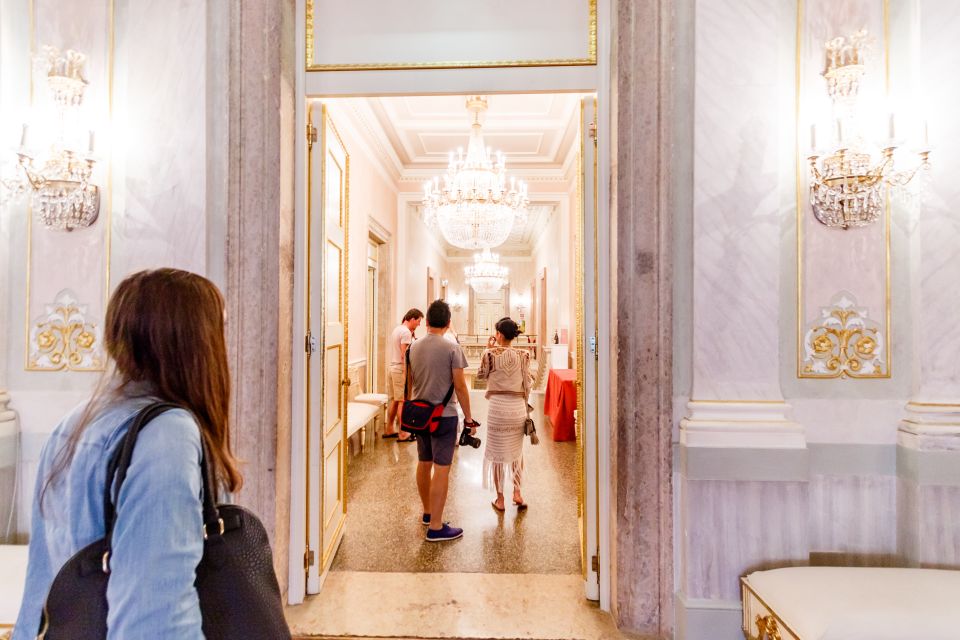
The process is straightforward. You show your voucher at the ticket counter, then collect your audioguide. Bring your ID with you, because the audioguide pickup depends on it.
For timing, check the theatre’s online schedule before you plan your day. La Fenice can close parts of the circuit depending on what’s on, so a quick look at the tour hours online helps you avoid wasted time.
Also, note the practical reality: skipping the line helps, but you’ll still want to arrive when you can. If you come right at opening, you’re more likely to enjoy a quieter theatre moment and take photos without fighting for space.
The audio guide experience: 7 languages, 1 smart way to tour
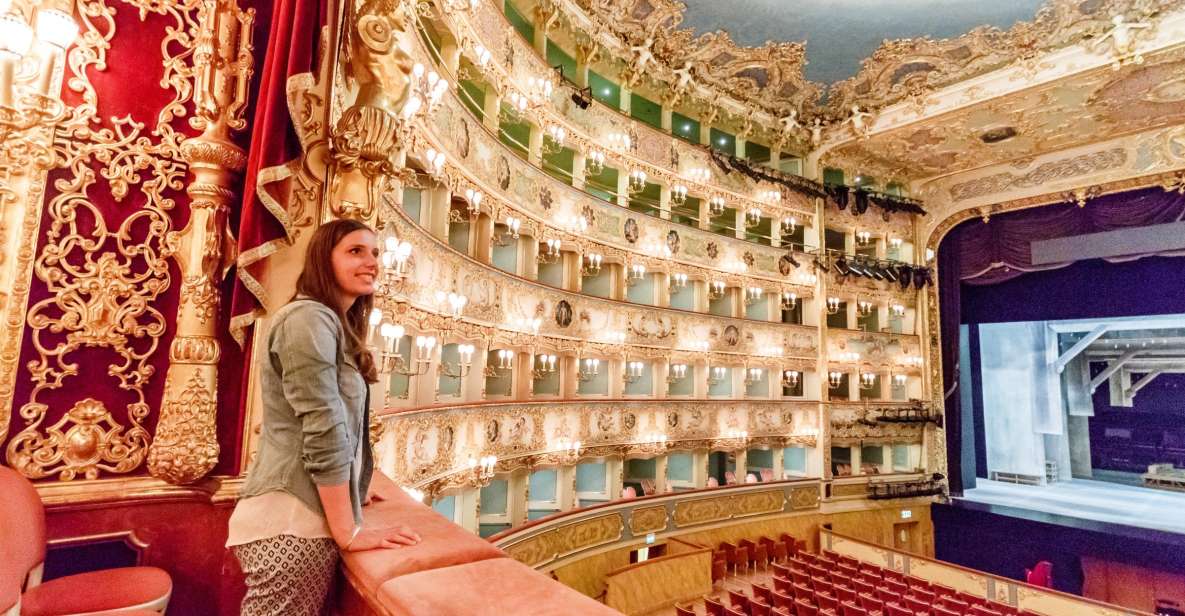
This ticket includes an audio guide available in seven languages. It’s built for self-paced viewing, and that matters in Venice, where “one more stop” can easily turn into an hour-long detour if you don’t plan.
Based on how people describe the visit, the audio portion takes about 45–60 minutes, but the best visits take longer. You’ll likely stop at key rooms, sit briefly to listen to the longer sections, then move on when you’re ready. That mix is great if you’re traveling with someone who loves architecture but doesn’t want a strict tour pace.
One practical tip: plan to use your own headphones/earbuds. Some visitors specifically call out the hassle of holding a phone to your ear, and they recommend earphones. If you’ve got noise-canceling earbuds, this is a good place to use them.
Inside La Fenice: what you actually see on the route
The best thing about this experience is how much of the theatre you can access without buying a performance ticket. Even though this is an audio-guided tour, you’ll still feel like you’re walking through a working stage world, not a sterile museum hallway.
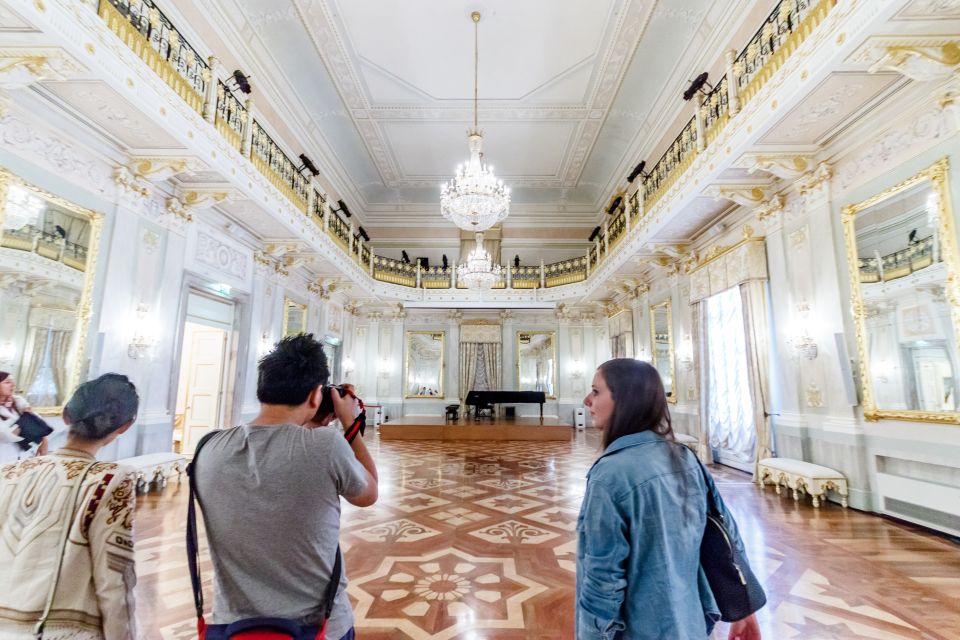
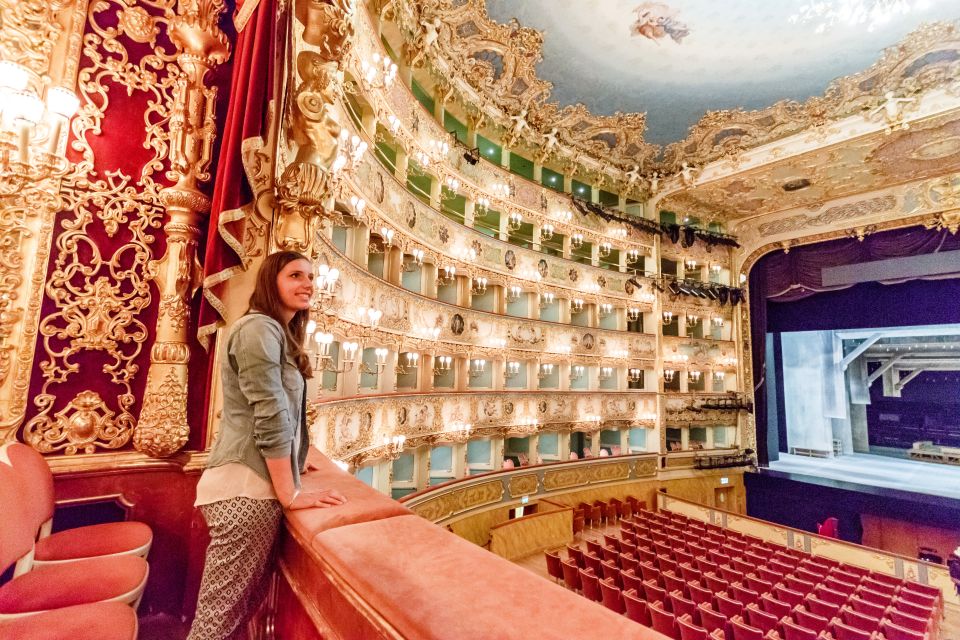
Expect a route that leads through multiple theatre rooms and viewing areas. People often highlight the interior beauty and the chance to sit and listen inside. You’ll also get access to additional spots that make the visit feel bigger than just one grand room.
Two details that come up often:
- Royal box viewing areas and seating zones: You get a sense of how the space is arranged for sightlines and presence.
- Paintings and rooms beyond the main hall: The tour includes additional interior stops, so it doesn’t feel like one continuous stare.
There’s also a small Maria Callas exhibition, which is a nice emotional anchor if you know her name and even better if you don’t. Either way, it gives the house a human story, not just design features.
If you’re lucky, you might catch a rehearsal or even a moment of staged work happening in other rooms during your visit. That can add energy to the visit, but it’s not something you should count on. Still, it’s worth choosing a day when you’re not rushing to meet another reservation right after.
The architecture and the theatre “secrets” you’ll notice

The audio guide is the reason this ticket feels more than just entry. It’s not only describing what you see; it also explains why the theatre matters and how its history connects to the design you’re standing in.
That’s where the visit becomes interesting, even if you’re not an opera obsessive. You start noticing things like:
- how rooms connect visually
- how decoration changes the mood from space to space
- how the theatre’s role in international opera pushed it to stay relevant over time
La Fenice is linked to major opera premieres, and the house stages a high number of performances each year. You don’t need to recite facts to feel that reputation while standing inside; the theatre is built to feel important. The audio helps you understand why it earns that respect.
You can also read our reviews of more guided tours in Venice




Where to sit, how long to stay, and the quiet-time trick
You’re not forced to move nonstop. One of the most praised parts of the experience is that there’s often enough seating along the route. That means you can listen comfortably during longer sections and not feel like you’re racing through the tour.
A good strategy:
- Give yourself at least an hour for the audio, plus extra time for looking.
- If you care about photos, go earlier in the day so you spend more time appreciating and less time squeezing between other people.
Some visitors also note that finding each next part of the route can take a moment. Signs inside help, but the circuit is specific—so don’t expect total freestyle movement. If you arrive when it’s quieter, it’s easier to follow the flow without constantly backtracking.
Don’t miss the building outside: gondola entrance payoff

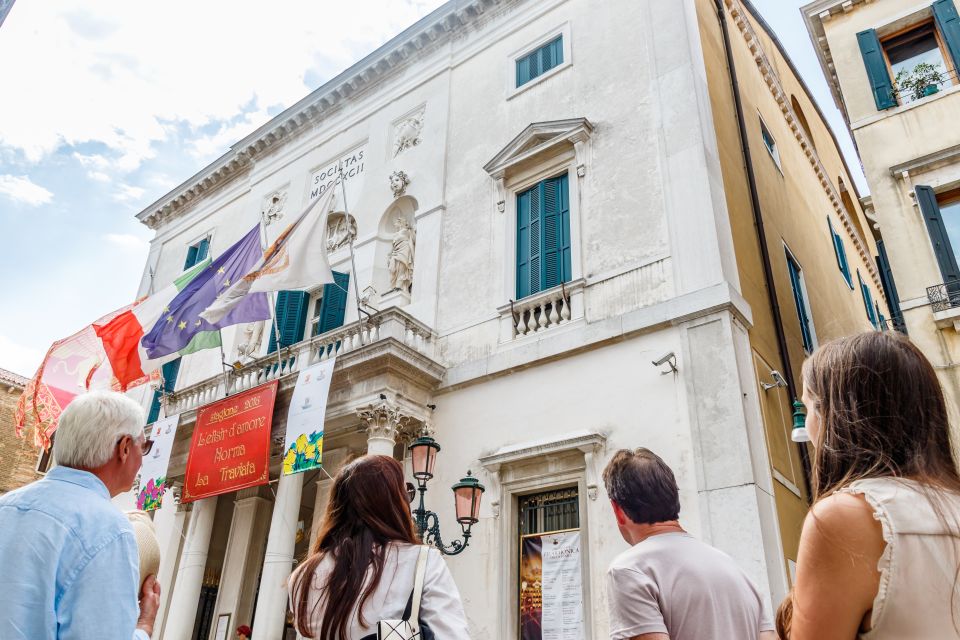
When you finish the interior, don’t just exit straight away. The visit is improved by doing the small follow-up walk around the exterior.
A specific tip people repeat: look for the side of the building to see the gondola entrance. It’s one of those details that makes the theatre feel tied to Venice itself, not just placed in Venice. Even if your walking time is tight, this short outside loop is usually worth the effort.
Price and value: is $14 a good deal?
At around $14 per person, this is a budget-friendly way to experience a world-famous Venice landmark without buying performance tickets. The value comes from two places: the access itself and the fact that the audio guide turns entry into a guided interpretation.
If you’ve been priced out of opera seats, this ticket is a smart alternative. You still get interior access, multiple rooms, and context in seven languages. And you’re not tied to a fixed performance schedule, which is a huge deal in Venice when plans shift.
The one “value check” is your expectations. If you want live commentary from a person, this is not that. But if you’re happy with self-guided pacing and you can follow a route, the cost-to-experience ratio is strong.
Practical logistics: schedule, hours, and the Venice Access Fee
Before you choose a day, check La Fenice’s theatre schedule online. The visit depends on whether the theatre is open and operating within tour access hours.
There’s also an extra Venice requirement to know about. For certain dates between 18 April 2025 and 27 July 2025, Venice requires an Access Fee paid directly to the City of Venice, with some exemptions. Because dates and rules matter, confirm the details through the official City of Venice information at cda.ve.it.
This won’t change the value of the La Fenice ticket, but it can change your day’s total cost and planning.
Who this ticket is best for
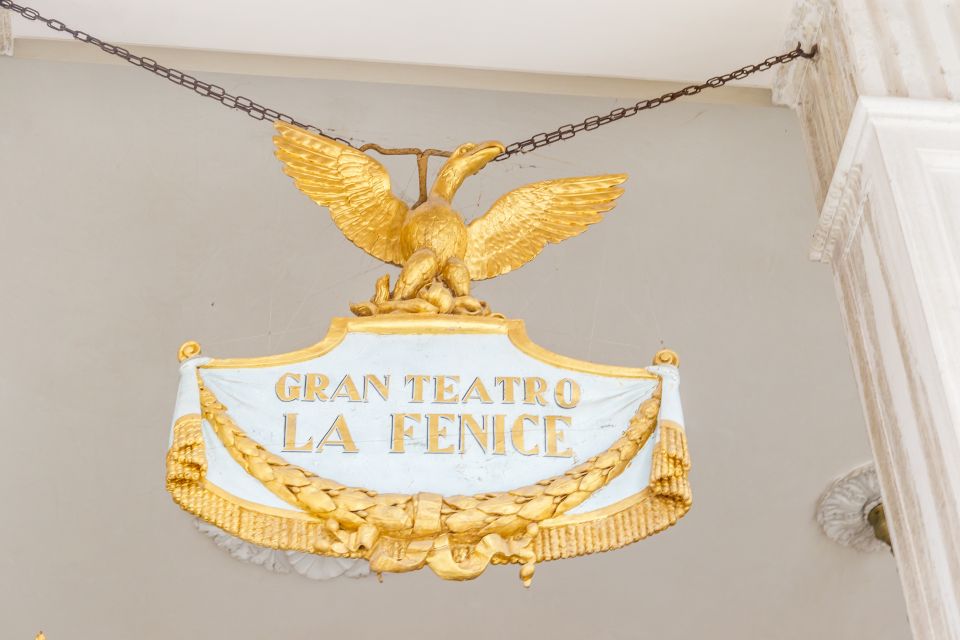
This experience fits best if you:
- want a high-impact Venice landmark visit without booking opera seats
- like architecture, interior design, and theatre history
- prefer an audio guide so you can pause, sit, and move at your pace
- travel in a mixed group (opera fans plus people who just want the building)
It’s also a good option for travelers short on time. You get a focused experience in about an hour of audio time, plus time for lingering.
If you’re an opera superfan, you’ll still enjoy it, especially because the house’s role in major premieres and its links to performers give the building extra meaning. If you’re not into opera at all, you’ll likely still be impressed by the sheer design and the thoughtful pacing.
Quick comparison: audio-only versus a live-guided visit
This ticket is not built around a live host. That can be a downside if you love asking questions on the spot.
But there’s a real upside: self-guided pacing. In a place like La Fenice, where you may want to linger in specific rooms, audio gives you control. You can spend time where you care most, then move on when the building starts blending together in your mind.
If you’re the type who hates rigid tour lines, this format usually feels kinder.
Should you book La Fenice with the audio guide?
Yes, if you want a value-packed, inside-the-opera-house experience that works even when you’re not catching a performance. At the price point, the access plus a thorough audio guide in multiple languages makes this a solid Venice “anchor stop.”
You should especially book it if:
- you want to see the theatre in comfort without performance ticket stress
- you plan to go earlier in the day for a quieter, more enjoyable circuit
- you’re willing to bring headphones/earbuds and follow the route
Skip booking only if you strongly prefer a live guide with back-and-forth questions, or if you’re visiting on a day when the theatre’s access hours don’t match your schedule. A quick online check is enough to avoid that problem.
FAQ
Do I need ID to get the audio guide?
Yes. You need to bring your ID in order to receive the audioguide when you pick it up at the ticket counter.
Where do I go when I arrive in Venice?
You should show your voucher at the ticket counter and collect your audioguide.
How long does the audio-guided tour take?
The audio portion is described as taking about 45–60 minutes, though you can take more time to stop and look around.
What languages are available for the audio guide?
The audio guide is offered in English, French, German, Italian, Portuguese, Russian, and Spanish.
Is the ticket refundable?
No. The activity is listed as non-refundable.
When can I use the ticket?
The ticket is valid for 6 months from purchase. Also, the Date of Validity indicates the date from which you can visit the theatre, so check availability for starting times.