REVIEW · VENICE
Carnival & Casanova Secrets, Theatrical Walking Show
Book on Viator →Operated by CITY TOURS CO. LTD · Bookable on Viator
Carnival in Venice moves at walking-show speed. This theatrical walking show follows the old Codega lantern tradition and turns Venice sidestreets into stage scenes, with performers from the Pantakin company guiding you through history, lore, and a little audience participation.
I especially like two things: the way the story uses the city itself as the set, and how the tour’s pace makes the past feel human instead of like a lecture. One possible drawback: if you hit exceptional high tide or bad weather, the show may be postponed, and special events can shift the route.
In This Review
- Key things to know before you go
- Carnival walking theater: Codega lantern stories in motion
- Price and value for a 75-minute actor-led show
- Where you start in Venice, and how the walking pace works
- Stop 1: The Codega and the lantern that guided Venice at night
- Stop 2: A leap in the past and the feeling of acting in the streets
- Stop 3: Becoming the main character in living theatre
- Stop 4: Finding secret places beyond the crowded centre
- The Casanova and Levantine secrets (plus a fan-language twist)
- Who leads the show: Pantakin actors and their style
- Family fit: why older kids often love this more than you expect
- Timing, weather, and route changes: plan with flexibility
- Should you book Carnival & Casanova Secrets?
- FAQ
- Is this tour offered in English?
- How long is the walking show?
- Where do I meet, and does it end nearby?
- How big is the group?
- What’s included in the ticket price?
- What if the weather is bad or there is exceptional high tide?
- Can I cancel for a full refund?
Key things to know before you go

- Codega lantern lore powers the whole experience, starting in Venice’s mid-15th-century world.
- Pantakin actor host brings the characters to life while you walk.
- Small group size caps the vibe at 15 people, so it feels personal.
- Secret Venice route aims to steer you away from the busiest center.
- Family-friendly theatrical moments work well if you have older kids who like stories and characters.
- English offered with the possibility of a bilingual visit depending on the day.
Carnival walking theater: Codega lantern stories in motion
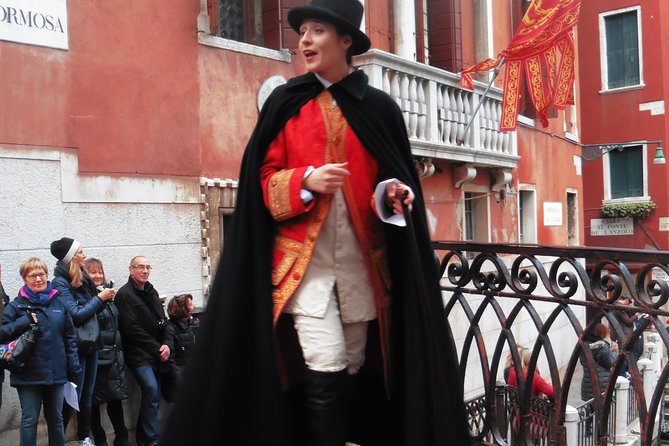
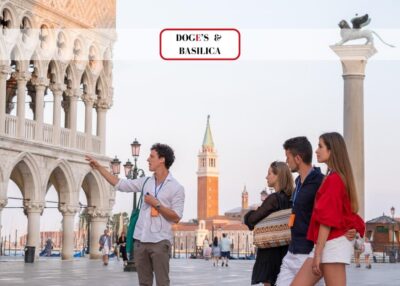
This experience is built like a night show you can wear. Instead of sitting in a theater, you move through Venice while an actor-host plays guide, storyteller, and character. The core theme is the Codega: a servant from the middle of the 15th century who went ahead of nobles and wealthy visitors at night, carrying a lantern to make the dark streets easier and safer to travel.
That simple idea matters. In Venice, the scenery is never just scenery. Streets twist. Squares open suddenly. Bridges change how you feel about distance. When the tour’s story is anchored to the Codega, it gives your feet a reason to keep going and your eyes something to hunt for besides famous landmarks.
And yes, it’s also entertainment. The show uses a moving mise-en-scene style of performance, so you’re not only listening. You’re part of the flow, pushed into moments where you become more than a spectator.
You can also read our reviews of more walking tours in Venice

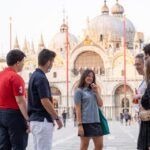
Price and value for a 75-minute actor-led show
At $37.55 per person for about 1 hour 15 minutes, this isn’t the cheapest thing on a Venice list. But it is trying to be more than a standard walking tour. You’re paying for professional acting from the Pantakin company, plus a tour itinerary flyer.
Here’s the value logic I like: one-hour walking tours can be great, but they usually stay purely informational. This format adds performance beats and short character moments tied directly to places you pass. That extra “theater layer” is what makes the price feel more reasonable, especially on a first evening when you want your bearings and your energy level to match the day’s excitement.
Also, the group limit of 15 people helps. In a smaller group, the actor can keep the story moving without turning it into a stage script read for a crowd.
Where you start in Venice, and how the walking pace works
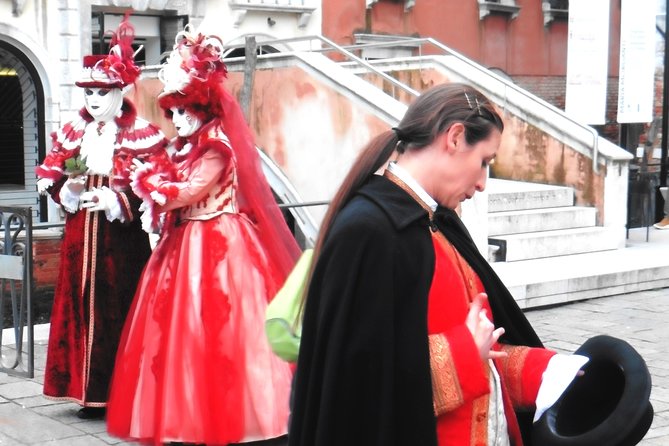
You meet at Calle larga de l’Ascension, 1257, 30124 Venezia, near the gondola ride point. The good news is that the tour ends back at the same meeting point. That makes it simpler for your night planning; you don’t have to worry about getting stranded across town after the show.
The other practical detail: the tour is offered in English, and the visit could be bilingual. That’s useful if you’re traveling with mixed-language friends or if you want the main narration in English with possible added language support.
One more note that affects how you should think about timing: the tour can be postponed later in case of exceptional high tide or bad weather, and the route may change for particular events. So plan your schedule loosely around it. Treat this as a flexible evening plan, not a rigid appointment.
Stop 1: The Codega and the lantern that guided Venice at night
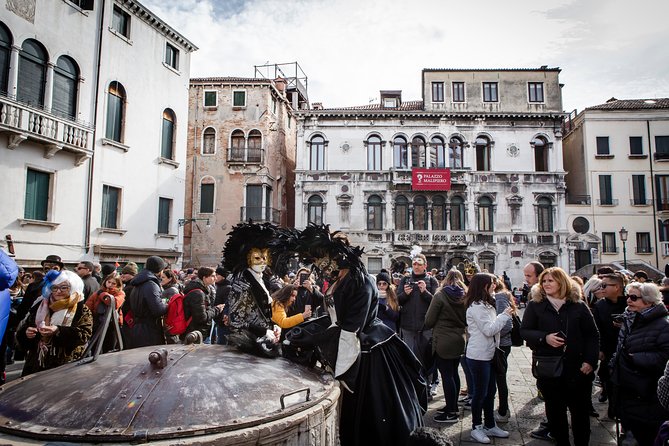
The opening stop sets everything up. You get the Codega context: in Venice from the mid-15th century, nobles and wealthy people were preceded by a servant with a lantern. The purpose was practical, but the effect was theatrical even then: it meant the people behind the lantern could follow a safer path through darkness while also being surrounded by stories about status, travel, and the city’s social rhythm.
This stop works because it explains why Venice felt like a maze long before tourists arrived with maps. When the actor connects lanterns, nighttime movement, and anecdotes, it makes the later walking feel purposeful. You start to expect that the route will keep revealing surprises rather than just moving from one photo spot to the next.
You also get the sense that this isn’t a random collection of Venice trivia. It’s one connected storyline, with the Codega acting like a guide character who bridges past and present.
Stop 2: A leap in the past and the feeling of acting in the streets
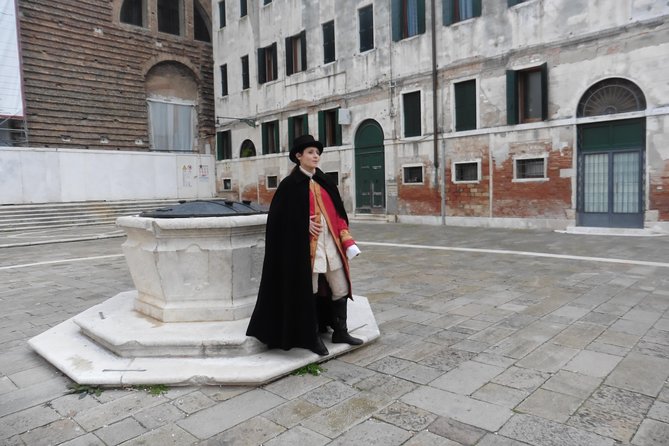
After the lantern introduction, the show shifts into a more performance-forward mode. There’s a described leap in the past that turns you into part of the stage action—an idea they frame through a moving mise-en-scene setup.
What does that mean for you in real life? Expect the actor-guide to lead you in a way that’s more guided and scripted than a typical stroll. The pace and timing feel arranged to match the story beats. Instead of passing a street corner while you wonder what it means, the actor usually gives you a reason to look, pause, and respond.
This is also where you’ll likely notice the difference between a standard “walk and talk” and a walking theater show. The actor’s job isn’t just to explain Venice. It’s to use the street layout as part of the staging, including how you turn, how you gather, and how the story lands before you move again.
You can also read our reviews of more tours and experiences in Venice





Stop 3: Becoming the main character in living theatre
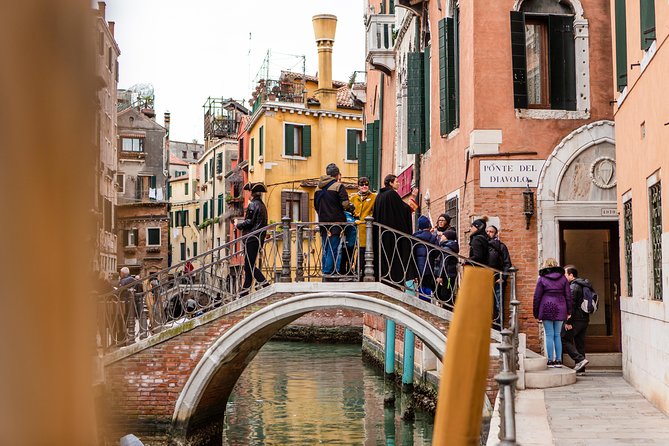
The next part is where the show leans hardest into participation. The guide-actor doesn’t just narrate; you’re guided to become the main character in an authentic living theatre scene.
Even if you’re not the type who wants attention, this can still be fun because it’s less about spotlighting one person and more about giving everyone a role in the scene’s flow. Think along the lines of acting with the moment—small prompts, character reactions, and story-driven cues that fit a moving group.
From a practical standpoint, this is a great segment to keep an eye on if you’re traveling with older kids. The experience is specifically described as entertaining for families with older children, and scenes like this are usually where kids pay the closest attention: they’re not just listening, they’re doing.
Stop 4: Finding secret places beyond the crowded centre
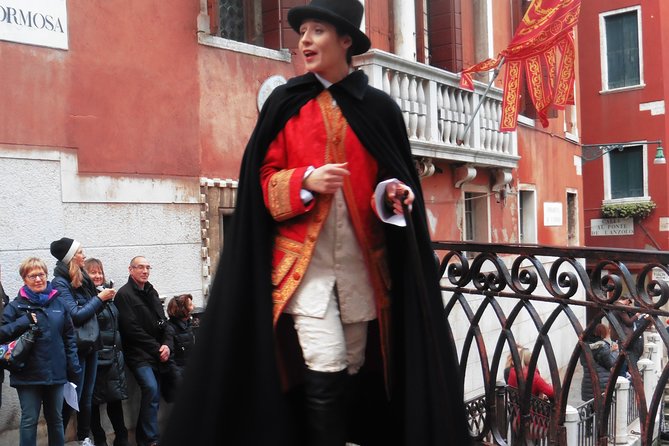
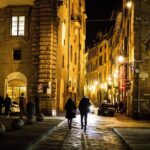
A big promise of this tour is that you’ll be escorted to unusual and secret places of Venice, places that differ from the crowded center. It does not sell the city as only big, famous views. Instead, it aims for the side-streets feel: smaller passages, quieter corners, and street views that tourists often miss.
This is a key reason I think the show can be a strong first evening plan. On day one, Venice can overwhelm you. Everything looks pretty, but you don’t yet know how it all connects. A story-based route like this gives you a mental map. You remember streets not because you studied them, but because the actor placed a character, legend, or anecdote next to a particular turn.
There’s also a payoff in pacing. When you’re guided through lanes with a narrative reason for being there, you stop feeling like you’re wandering. You feel like you’re being taken somewhere.
The Casanova and Levantine secrets (plus a fan-language twist)
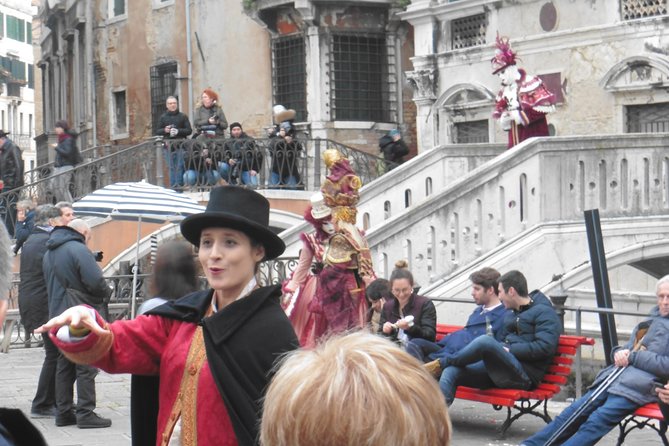
The show ends with a bundle of Venice secrets centered on characters and odd stories. You’ll hear about Casanova and the Levantine, plus a set of surprisingly specific legends.
Here are the highlights mentioned in the tour narrative:
- the gondolier who becomes a priest
- an elephant that found shelter in a church
- why an angel was used as a guardian symbol for a palace
- why a bridge between two convents was called the Devil’s Bridge
- the secret language of fans
- legends of ghosts said to still live in Venice
This is the part you’ll probably talk about later in your trip. The stories are quirky, but they also serve a purpose: they show Venice as a place where daily life mixed with symbolism, religion, performance, and coded communication.
Even if you don’t remember every detail, you’ll remember the feel. Fan language, guardians, bridges, ghosts—these are all ways Venice explains itself. The show uses them to keep you curious as the city shifts around you at night.
And this segment isn’t just “random spooky stuff.” It’s tied to place and identity: gondoliers, convent life, palace symbolism, and the city’s theatrical reputation all show up in the stories.
Who leads the show: Pantakin actors and their style
One of the most praised parts is the actor hosting. In the experiences shared, Francesca is named for a brilliant performance full of stories that come to life, with a strong sense of taking people off the beaten path. Another named performer is Tullia, praised for playing roles well and keeping the group engaged and entertained.
So if your ideal Venice evening is part storytelling and part stagecraft, this is likely your lane. The show clearly depends on actor energy, and the fact that multiple performers are highlighted suggests they take their role seriously.
What I’d watch for, from a viewer’s perspective, is how clearly the actor keeps the narrative moving while still guiding you through the physical turns of Venice. In a walking theater format, those two skills must work together. When it clicks, the city becomes legible fast.
Family fit: why older kids often love this more than you expect
The tour is described as a fun and entertaining option for families with older kids. That makes sense when you think about the format. Kids often tune out pure history. But stories with character prompts, theatrical scenes, and a guide who plays a role can hold attention better than a slideshow.
The best age fit here is likely: children who like tales, costumes, and interactive moments, not just looking at buildings. If your kids enjoy acting games or storytelling, this should feel like a structured adventure.
For adults, it’s also refreshing. Venice can be heavy on museums and long sights. This experience gives you a different kind of cultural hit: one that uses the streets as the stage and your imagination as the bridge to the past.
Timing, weather, and route changes: plan with flexibility
This tour can be postponed in case of exceptional high tide or bad weather. It can also change the itinerary during particular events. That means your best strategy is to book it as a flexible anchor in your week, not something that you must protect with a tightly timed dinner reservation schedule.
If the weather is rough, you’ll want a backup plan for the rest of the evening anyway. But if the show runs, you’ll get a night activity that doesn’t require museum tickets, long lines, or transit juggling.
Also, the tour uses a mobile ticket. That’s a small thing, but it reduces stress when you’re walking and moving through Venice’s tighter areas.
Should you book Carnival & Casanova Secrets?
Book it if you want a Venice Carnival activity that feels like theater with a purpose, not just a performance stuck in one place. This works well as a first evening plan because the story and the walking route help you learn the city’s maze quickly, while keeping things fun.
I’d also say yes if you enjoy odd legends and character-driven history—Casanova, fan language, convent bridges, ghosts, and the unexpected elephant-in-a-church type of stories. The tour is built to make you remember details because they’re tied to the streets you walk.
Skip it if you only want a strictly factual history tour with minimal performance, or if you dislike any sort of participation cues in a group setting. And if you’re the kind of traveler who needs zero schedule wiggle room, keep the weather postponement possibility in mind.
FAQ
Is this tour offered in English?
Yes. The experience is offered in English, and the visit could be bilingual depending on the day.
How long is the walking show?
It lasts about 1 hour 15 minutes.
Where do I meet, and does it end nearby?
You start at Calle larga de l’Ascension, 1257, 30124 Venezia. The tour ends back at the same meeting point.
How big is the group?
The group size is maximum 15 travelers.
What’s included in the ticket price?
You get a walking tour with a professional actor of the Pantakin Company from Venice and an itinerary flyer.
What if the weather is bad or there is exceptional high tide?
The tour does not operate in case of exceptional high tide or bad weather. In those cases, it can be postponed later.
Can I cancel for a full refund?
Yes. You can cancel up to 24 hours in advance for a full refund, and the tour uses local time for the cutoff.
If you want, tell me your travel dates and whether you’re going with kids. I can help you figure out the best time slot for this kind of walking show in Venice.