REVIEW · VENICE
Venice Small Group Walking Tour with St. Mark’s Basilica Terrace
Book on Viator →Operated by LivTours · Bookable on Viator
Venice clicks faster with a tiny group plan. I love the max 6-person group size that keeps things manageable in crowded Venice, and I love the St Mark’s area finish that gives you a strong sense of where everything connects. One possible drawback: the St. Mark’s stop is listed as from the outside, so if you want to go in, plan to confirm entry options on the day.
This is a 2-hour, on-foot walk that’s built for people who want real orientation without getting stuck waiting or wandering in circles. You get an expert English-speaking guide and a route that strings together Venice’s most famous spots in a logical flow, with enough time for questions.
At $143.15 per person, it’s not a “cheap and cheerful” add-on. The value comes from the tight group, the guided storytelling, and saving time on navigation so you can spend your energy on the views and the details.
In This Review
- Key things I’d zero in on
- How this small-group format changes your Venice day
- Price and what you’re really paying for ($143.15)
- Starting at Chiesa di San Giacomo di Rialto: the local warm-up
- Rialto Bridge: best views, best explanations, right on schedule
- The Bridge of Sighs: beyond the postcard name
- Grand Canal energy plus classic campos
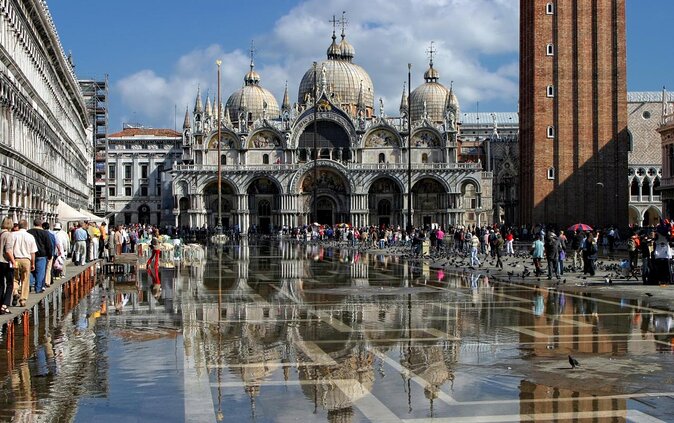
- St. Mark’s Basilica area finish (outside): where the day clicks
- Who this tour suits best
- Practical tips to get the most from your two hours
- Should you book this Venice walking tour?
- FAQ
- What is the duration of the tour?
- What size group will I be in?
- Where do I meet the guide and where does the tour end?
- Is the tour offered in English?
- What does the tour include and exclude?
- Do I need to pay for tickets or the St. Mark’s stop?
Key things I’d zero in on
- Max-6 groups for calmer navigation through Rialto-area crush
- Rialto Bridge + Bridge of Sighs in one walk, with the stories behind the photos
- Grand Canal viewpoints built into the route, not just landmarks on a map
- Multiple historic campos beyond the headline sites (San Giovanni e Paolo and Santa Maria Formosa)
- Expert English guide with pacing that works even when crowds swell near St. Mark’s
How this small-group format changes your Venice day
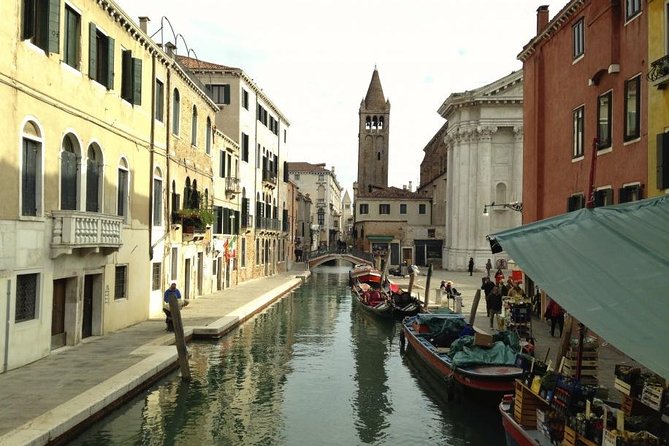
Venice can feel like one long decision tree: where to turn, where the bridge is, and whether you’re about to backtrack. A small-group walk (up to 6 people max) helps because you’re not scanning signs and crowd-flow all by yourself. Your guide keeps the pace human, and the group size makes it easier to hear answers without shouting.
This tour also keeps the focus where it matters. You don’t spend your time playing “find the next photo spot.” Instead, you get a sequence of places that naturally lead you from Rialto toward the St. Mark’s area, along the way hitting lesser-traveled campos that still shape the city’s rhythm.
There’s also a practical angle: this tour ends at Piazza San Marco, which is a helpful finishing point when you’re deciding where to go next for lunch, a museum visit, or just a wander. That end location can make the rest of your day easier to plan.
You can also read our reviews of more walking tours in Venice


Price and what you’re really paying for ($143.15)
$143.15 per person sounds high until you translate it into what you’re buying in Venice: guide attention plus time savings. In about two hours, you cover major “you have to see this” landmarks like Rialto Bridge and the Bridge of Sighs area, plus you get multiple stops in the Rialto-to-St. Mark’s corridor.
You’re not paying for a big-ticket attraction ticket here. Church and bridge stops in the route are marked with free admission tickets, and the St. Mark’s component is listed as outside viewing. So the main cost driver is the human piece: an English-speaking guide leading you through the city’s layout and history context.
If you’re the type who likes to understand what you’re looking at (instead of only collecting skyline shots), this price tends to feel fair. If you’re only chasing a checklist and don’t care about stories, you might feel like you could do it cheaper on your own. But the small-group design is the difference: it’s the difference between wandering and learning where to stand and what to notice.
Starting at Chiesa di San Giacomo di Rialto: the local warm-up
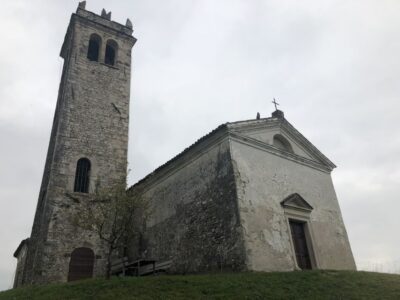
You begin at Campo San Giacomo di Rialto, by the Chiesa di San Giacomo di Rialto. This is a good place to start because it’s anchored in the Rialto area without being the most overrun spot on the map. You get a quick look at the piazza setting and the church, and then the walk moves outward into larger landmarks.
Stop 1 works as a mental warm-up. Venice’s big sights can be visually overwhelming. Starting here gives you a foothold: you learn how the area fits into the city’s story, and you start paying attention to details like how the buildings face the water and how the street network funnels you toward key crossings.
The church stop is short, about 20 minutes, and admission is listed as free. That means you won’t lose your whole morning to a single building, which is important when your real goal is orientation across multiple areas.
Rialto Bridge: best views, best explanations, right on schedule
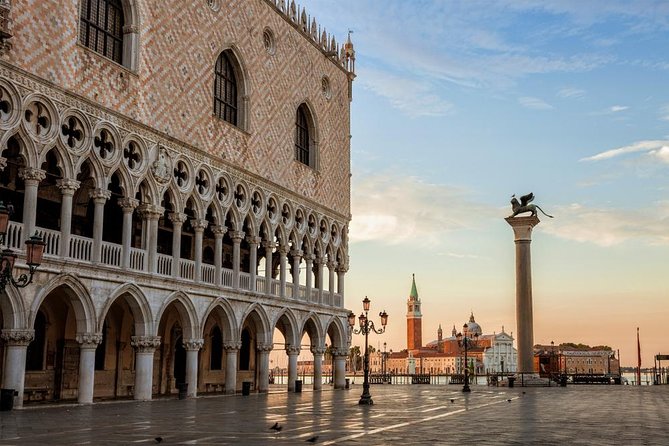
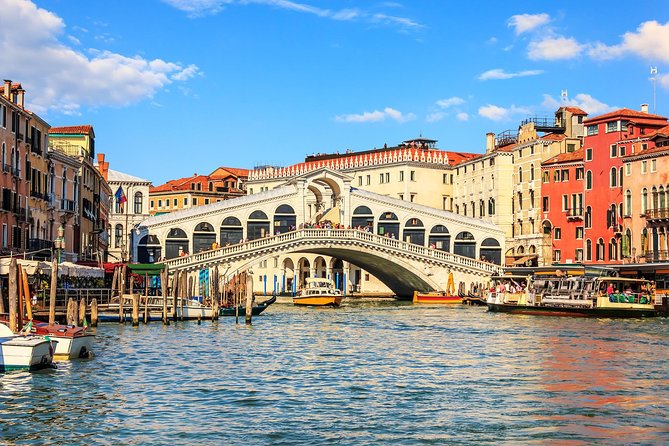
Next comes the Ponte di Rialto, Venice’s most famous bridge. You get time to walk over and take in the views of the Grand Canal, plus you get the background that usually gets lost when you’re just pushing through a crowd for a quick photo.
The value of this stop isn’t only the view. It’s how a guide can point out what you’re actually seeing: how the canal functions as a spine for the city, and how Rialto became one of the key “busy points” in Venice. Without that, you can end up looking at pretty scenery but not understanding why people built the city around those lines of sight.
The session here is about 20 minutes, and admission is listed as free. In other words, your money goes into timing and interpretation. You’ll get a moment to pause, look, and then move on before the crowd energy shifts again.
The Bridge of Sighs: beyond the postcard name
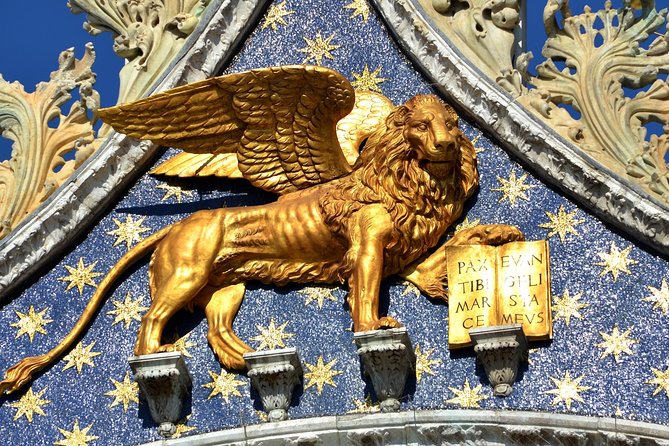
From Rialto, the route zigzags through Venice’s winding streets until you reach the Bridge of Sighs area. This is one of those spots where it’s easy to think you already know the story because of how famous the name is. The guide helps correct that by sharing the true story behind the bridge’s nickname.
Stop 3 is also about 20 minutes, which is a sweet spot for this kind of place. The bridge itself is small compared to the attention it gets, so you don’t want to linger too long or you’ll feel like you’re just waiting in a tight cluster. With guided context, those minutes become meaningful.
One thing to keep in mind: the sidewalks near famous bridges can feel narrow, especially during peak times. The small-group setup helps you stay close together, but you should still expect some crowd choreography. This is normal for Venice, not a flaw in the tour.




Grand Canal energy plus classic campos
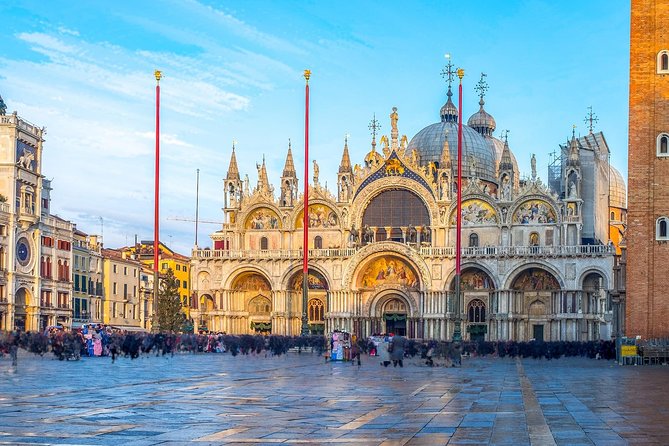
The route also includes time in Campo Santi Giovanni e Paolo and campo Santa Maria Formosa. These stops are important because they add texture. If you only hit bridges and the big monuments, Venice can feel like a set of disconnected highlights. Campos bring you back to how people actually move and gather in the city.
You’ll also see the Grand Canal connection through the walk. Even if you aren’t cruising on the canal itself, you’ll get those long, iconic views that help you understand why Venice is built the way it is. If you’re planning to do another activity later (gondola ride, vaporetto loop, or a museum visit), having this canal orientation makes your next decision easier.
This is also where an expert guide earns their fee. They don’t just name places; they help you connect them. You start noticing how the city’s layout channels you from one water-and-stone moment to the next.
St. Mark’s Basilica area finish (outside): where the day clicks
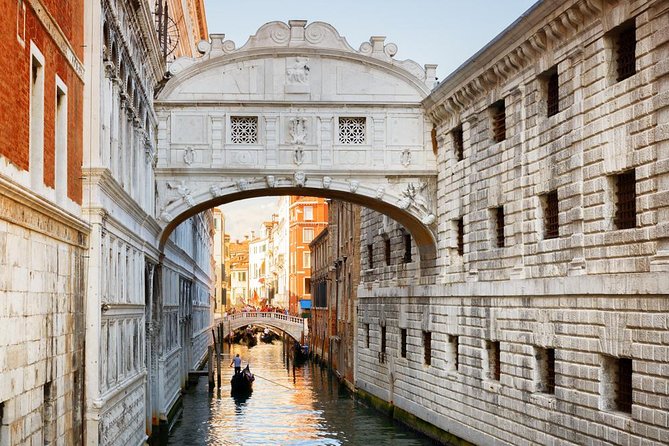
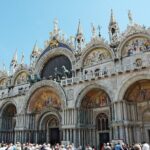
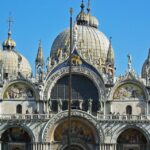
The tour ends at Piazza San Marco, with St. Mark’s Basilica (from the outside) included. Finishing here is smart. It’s one of the easiest places to re-orient yourself in Venice, and it’s a natural launchpad for whatever you want next.
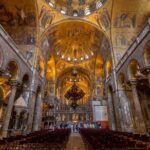
A key note: St. Mark’s is listed as outside viewing. That means you can expect exterior views and a guide’s explanation tied to the building’s role, not a long interior tour. That said, one standout detail from a prior private-guided experience is that the group was able to walk in and avoid what looked like a several-hour wait. So if you’re hoping for inside access, ask the guide on the day and manage expectations based on current rules and timing.
Either way, this stop is where your mental map snaps into place. After Rialto and the bridges, St. Mark’s feels less random. You’ll understand the direction, the relationship to the water, and why the area draws crowds year after year.
Who this tour suits best
This is a great fit if you’re:
- In Venice for a short window and want a fast orientation
- The type who likes context, not just photos
- Traveling with someone who gets overwhelmed by navigation and crowd flow
- Planning to spend more time around Piazza San Marco afterward
It may be less ideal if:
- You want a heavy museum-style experience or extended indoor time
- You’re only interested in ticking off landmarks with no guide story needed
- You strongly prefer to do everything entirely independently (this tour is built for a guided flow)
Practical tips to get the most from your two hours
Venice rewards comfort. Wear shoes you can trust on stone and uneven surfaces, and don’t schedule anything “tight” right after the tour ends at Piazza San Marco. Crowds and lines near St. Mark’s can slow you down.
Bring a little patience for crowds around Rialto and the bridge areas. The whole point of the small-group setup is that you’re safer and calmer in tight spaces, not that crowds disappear.
Also, use the mobile ticket. It’s there to streamline entry steps where needed, and it keeps you from scrambling with paper confirmations while you’re trying to stay with the group.
If you’re visiting on a day when Venice access rules are in effect, pay attention to the possible €5 access fee for visitors staying outside Venice on certain dates. The operator points you to the city’s official info for exemptions and the applicable days, so check before you arrive.
Should you book this Venice walking tour?
I’d book it if you want a smart, efficient Venice overview without the stress of planning your own path between Rialto, the Bridge of Sighs corridor, and the St. Mark’s area. The max 6-person group is the real win, because you get the guide’s attention in a city where crowds can drown out good explanations.
I’d skip or double-check if your top priority is guaranteed interior time at St. Mark’s Basilica. Since the experience lists the basilica from the outside, you might not get what you want unless rules and timing align.
If you’re aiming for understanding more than just seeing, this is a solid way to spend two hours in Venice—especially your first time, or when your schedule is tight.
FAQ
What is the duration of the tour?
The tour is approximately 2 hours.
What size group will I be in?
It’s a truly small-group experience with a maximum of 6 people, and the activity also has a maximum of 15 travelers.
Where do I meet the guide and where does the tour end?
You meet at Chiesa di San Giacomo di Rialto (Campo S. Giacomo di Rialto, 30125 Venezia VE, Italy). The tour ends in Piazza San Marco (P.za San Marco, 30124 Venezia VE, Italy).
Is the tour offered in English?
Yes, it’s offered in English.
What does the tour include and exclude?
It includes the Chiesa di San Giacomo di Rialto, Rialto Bridge, St. Mark’s Basilica from the outside, plus additional stops such as Campo Santi Giovanni e Paolo and Campo Santa Maria Formosa, along with an expert English-speaking guide and a mobile ticket. Food and drinks are not included.
Do I need to pay for tickets or the St. Mark’s stop?
The church and bridge stops listed are marked as free admission tickets. St. Mark’s Basilica is included from the outside. Also, on certain dates you may need to pay a €5 access fee for day visitors staying outside Venice; check the city’s official page for which days apply and exemptions.