REVIEW · VENICE
Doge’s Palace Skip-the-Line Guided Tour
Book on GetYourGuide →Operated by Venetoinside - Insidecom · Bookable on GetYourGuide
Venice loves a line, and this one cuts straight through it. The skip-the-line access gets you inside Doge’s Palace fast, then your guide walks you through the palace’s power, art, and legends. I also like that the optional Museo Correr visit is included, so you can keep the Venice story going beyond the palace walls.
What I liked most is the structure of the visit: you’re not just wandering room to room. You get a guided route through the spaces tied to the Doges’ authority and the building’s most famous sights, including the Bridge of Sighs connection to the prisons. One consideration: you’re cramming a lot into a short window, and in busy rooms it can be harder to hear every detail, even with provided audio gear.
In This Review
- Key things you’ll notice on this Doge’s Palace tour
- Meeting on Calle larga de l’Ascension: where the tour really starts
- Skip-the-line entry at Palazzo Ducale: the time payoff
- Doge’s Palace in Venetian Gothic: how the guide ties rooms together
- The Doge’s apartments and courtyards: opulence you can actually spot
- Art stops: Titian, Veronese, and Tintoretto in a political palace
- Giants’ Staircase, Golden Staircase, and the marble gods
- Opera Museum and the “mix of sacred and profane”
- Bridge of Sighs and the inside connection to the prisons
- Museo Correr as an optional add-on: what you get for your extra time
- Value for $79: what you’re really buying
- Practical tips so your visit feels smooth (not stressful)
- Should you book this Doge’s Palace skip-the-line guided tour?
- FAQ
- How long is the Doge’s Palace skip-the-line guided tour?
- Where do I meet the tour guide?
- Is Museo Correr included or optional?
- What languages are the live guides available in?
- Do I need to bring a voucher?
- Is the tour wheelchair accessible?
Key things you’ll notice on this Doge’s Palace tour
- Fast-track entry that saves you time before the palace gets truly packed
- Guided storytelling that links art, architecture, and politics in plain language
- Must-see highlights in one flow, from the staircases to the Bridge of Sighs
- Big-name artists on the walls, including Titian, Veronese, and Tintoretto
- Optional Museo Correr with tickets included if you want more Venice context
Meeting on Calle larga de l’Ascension: where the tour really starts
The meeting point is Calle larga de l’Ascension, near the post office, behind the Correr Museum. When you arrive, you’ll check in with a staff member who scans your voucher.
This spot matters. Doge’s Palace is physically close to St. Mark’s area, but Venice streets turn into a maze fast. Go early enough to find the meeting point without rushing your own senses. A small warning based on real-world experience: a few people have had trouble matching where the guide is to what they expected from their map view, so I recommend using your voucher details and reading the final meeting instructions carefully.
Also, wear comfortable shoes. Even a short guided tour in Venice includes stairs and narrow corridors. The palace is famous for its “views,” but you’ll also spend time climbing and pausing in tight spots.
You can also read our reviews of more guided tours in Venice



Skip-the-line entry at Palazzo Ducale: the time payoff
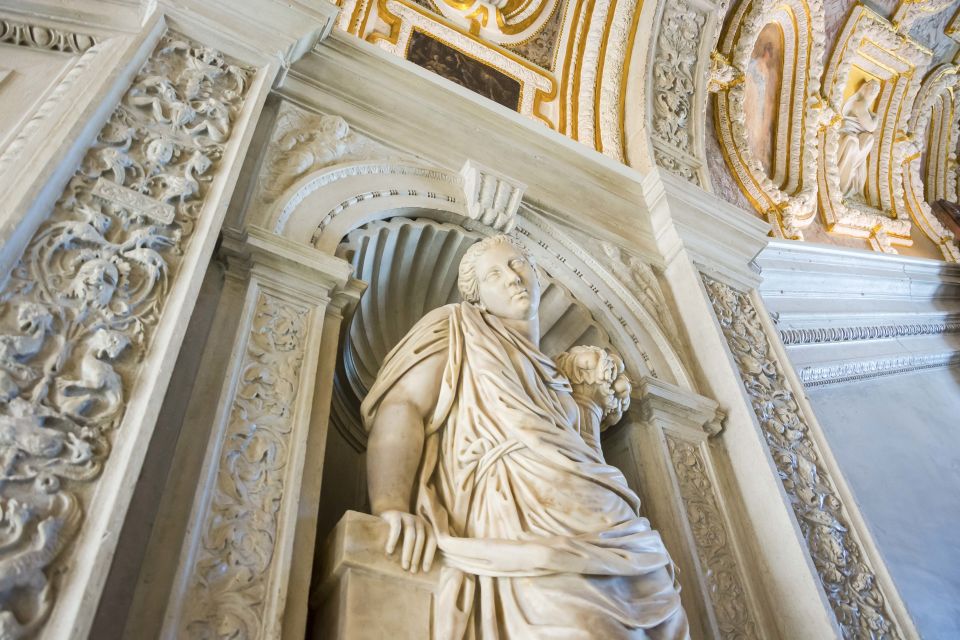
Once you’re checked in, the big win is simple: skip-the-line entry into Doge’s Palace. On busy days, this is the difference between a satisfying visit and a day that turns into “queue management.”
Inside, you’ll start with orientation and context before you’re handed off to the building. That’s not just nice—it helps you understand what you’re looking at. Doge’s Palace can feel like a museum of symbols unless someone explains the human side: who lived here, who governed here, and why the walls were built to impress.
The tour runs about 1 hour, but the activity window can extend up to 135 minutes depending on the departure time and pacing. That matters for your schedule. If you’ve got another timed stop after, plan a buffer. Even with fast entry, it’s still a top Venice sight, and it takes time to move as a group.
Doge’s Palace in Venetian Gothic: how the guide ties rooms together
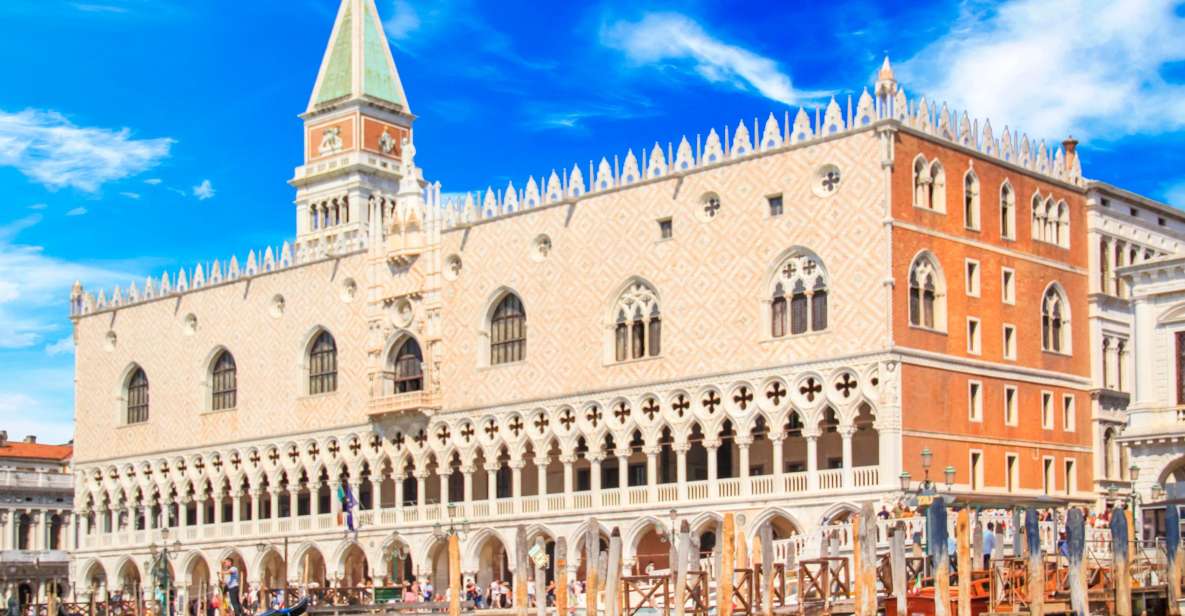
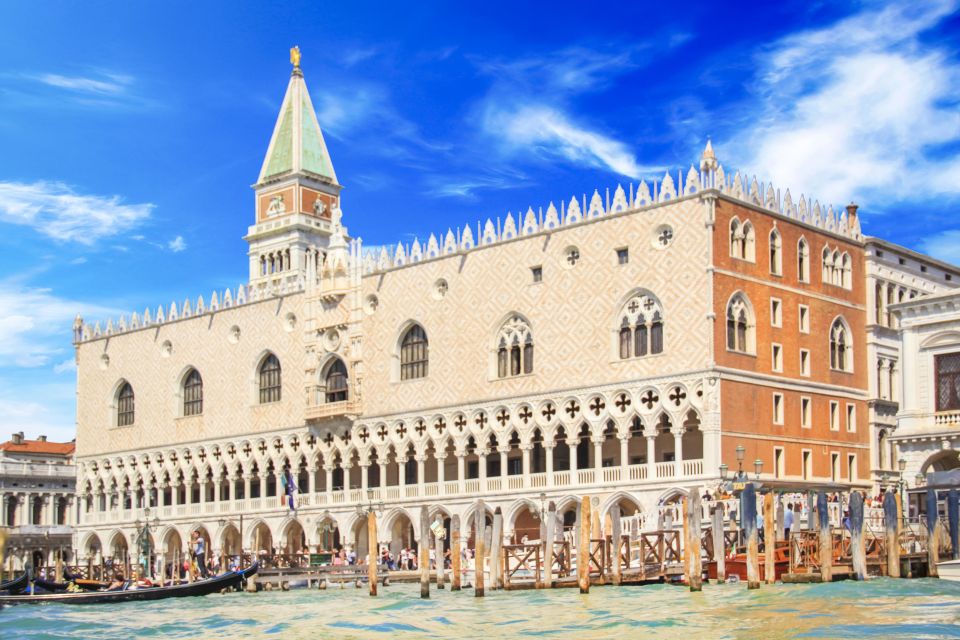
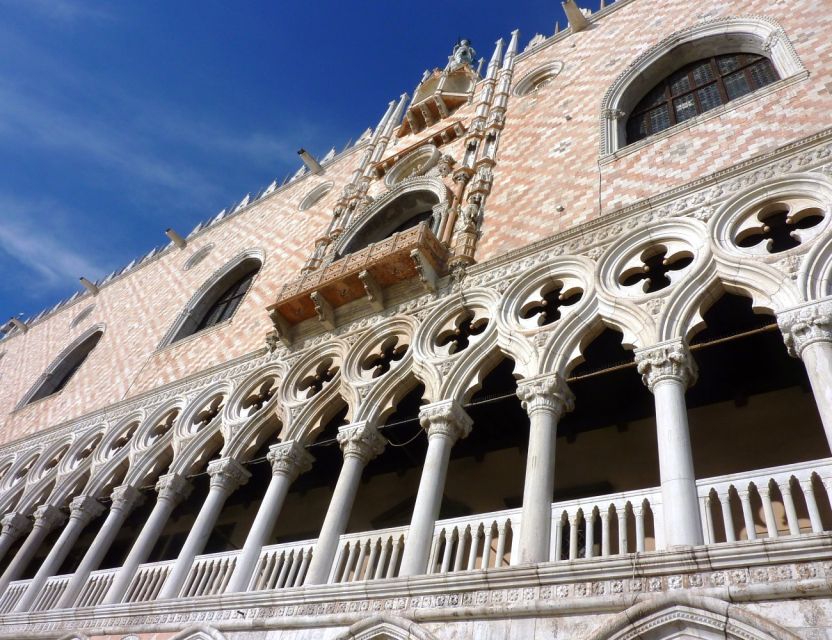
Doge’s Palace was built in Venetian Gothic style and served as the official residence of the Doge—the supreme authority of the former Republic of Venice. Your guide’s job is to help you see the whole palace as one political machine, not just a pile of rooms.
Here’s what you can expect to get from the tour flow:
- A guided walk that introduces major features as you reach them
- Explanations that connect architecture (stairs, courtyards, entrances) to power and ceremony
- A look at how art fills the palace, including works by major Renaissance names
You’ll likely hear plenty of stories about “La Serenissima,” Venice’s self-image as a republic with global reach. This isn’t abstract. You’ll be standing in spaces built to host authority, delay decisions, and impress visitors—so the stories land faster than they would if you were reading a placard alone.
One extra plus from guides on past departures: some bring humor into the talk. Guides such as Diana, Gina, Monica, and Veronica have been praised for a lively tone—so the visit doesn’t feel like a lecture that starts and ends at the same volume.
The Doge’s apartments and courtyards: opulence you can actually spot
As you move through the palace, the tour focuses on the parts that show how the Doge lived—and how Venice wanted that life to be seen. You’ll get a chance to marvel at the lavish apartments of the Doge and spacious enclosed courtyards.
This is where your eyes start doing the work your brain was doing five minutes earlier. You’ll notice:
- Grand rooms that were meant for status, not comfort
- Details in design that reinforce authority
- Art placed where people in power would see it
If you’re the type who likes to connect “what I’m seeing” to “what it was for,” this is a strong section. If you mostly want iconic photos, you’ll still get them—but the guided pacing helps you avoid missing the places that turn into the real wow moments.
Art stops: Titian, Veronese, and Tintoretto in a political palace
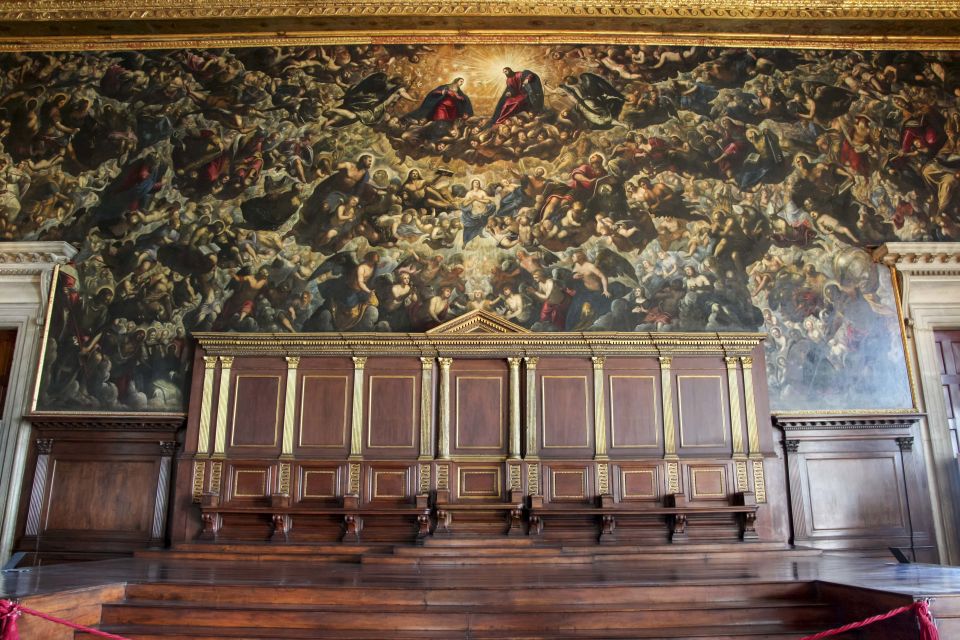
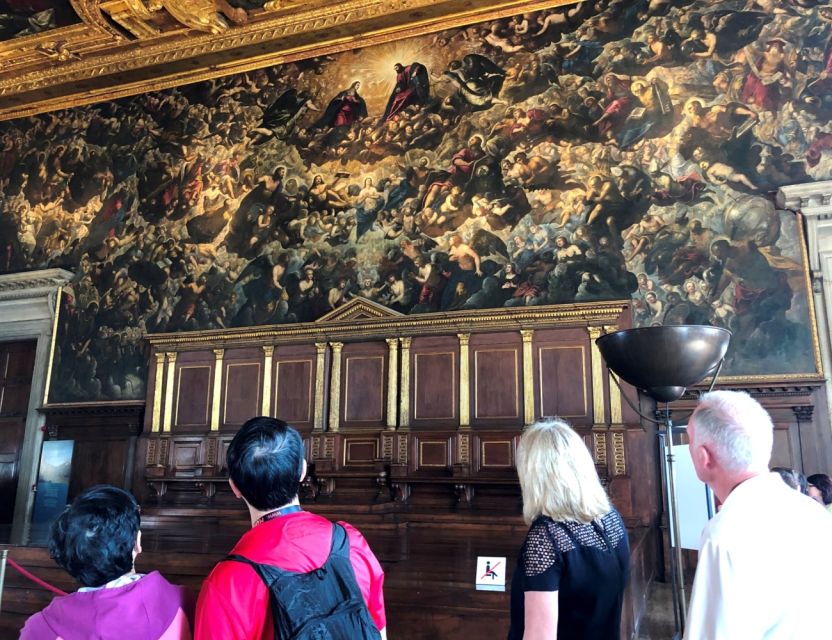
Doge’s Palace isn’t only famous for its stairs and symbolism. It also wears art like a badge. The guided route includes masterpieces by Titian, Veronese, and Tintoretto.
This matters because it changes how you experience the palace. Without a guide, you might bounce from room to room hunting for the biggest painting. With a guide, you’re more likely to understand why paintings appear where they do, and how they reinforce Venice’s worldview—sacred and political, ideal and practical all mixed together.
It’s also a good reminder that Venice didn’t treat art as decoration. It treated art as messaging.
You can also read our reviews of more tours and experiences in Venice





Giants’ Staircase, Golden Staircase, and the marble gods
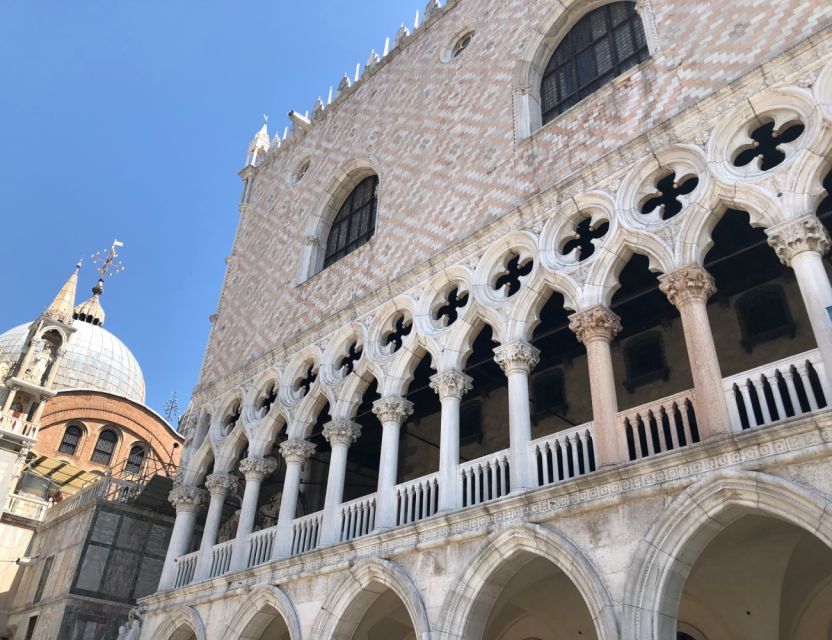
The palace tour hits several architectural “headline acts.” Expect explanations and photo opportunities around:
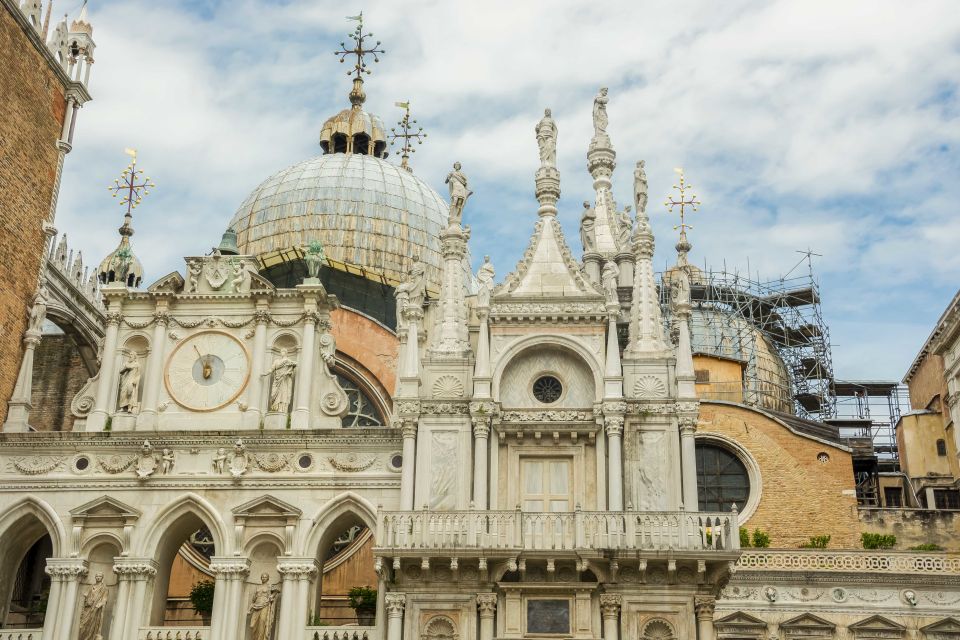
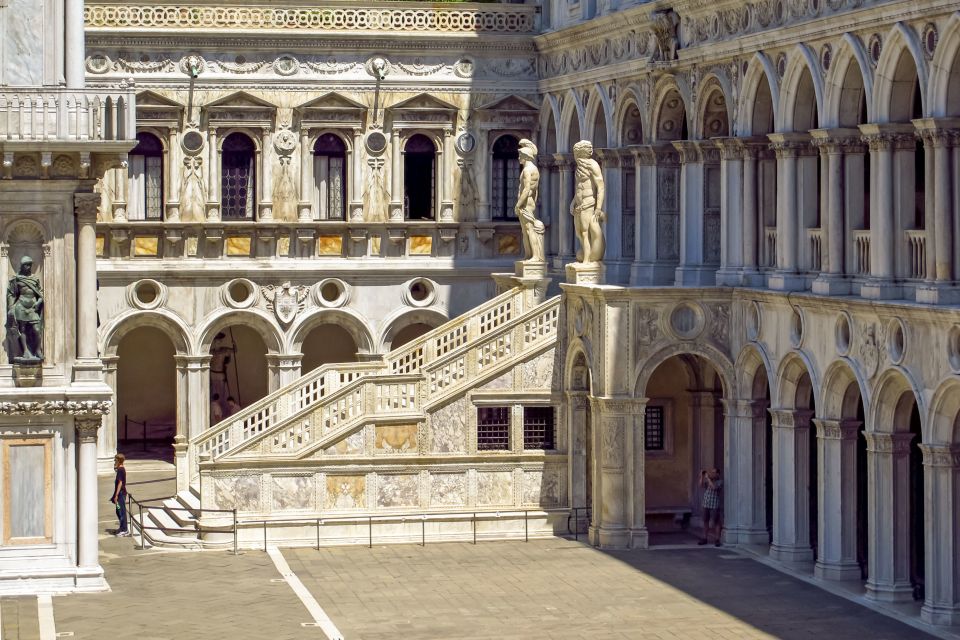
- The Giants’ Staircase in the internal courtyard
- The ancient entrance of the Doge’s Palace
- The Golden Staircase, with marble statues of Atlas and Hercules
- Statues of Mars and Neptune
- The Atrium that served as a waiting room
These details sound like a checklist, but in the room they make the palace feel alive. Stairs are where ceremonies happen. Statues aren’t random; they’re part of the message about strength, control, and legitimacy. Your guide’s storytelling helps you see those connections instead of just walking past them.
A practical note: the palace is famous for stairs, and one of the more common “I wish it lasted longer” comments is really “I could have stood here longer, but my legs needed a break.” So if you’re traveling with anyone who doesn’t love stair-heavy museums, plan for frequent short pauses and keep expectations realistic.
Opera Museum and the “mix of sacred and profane”
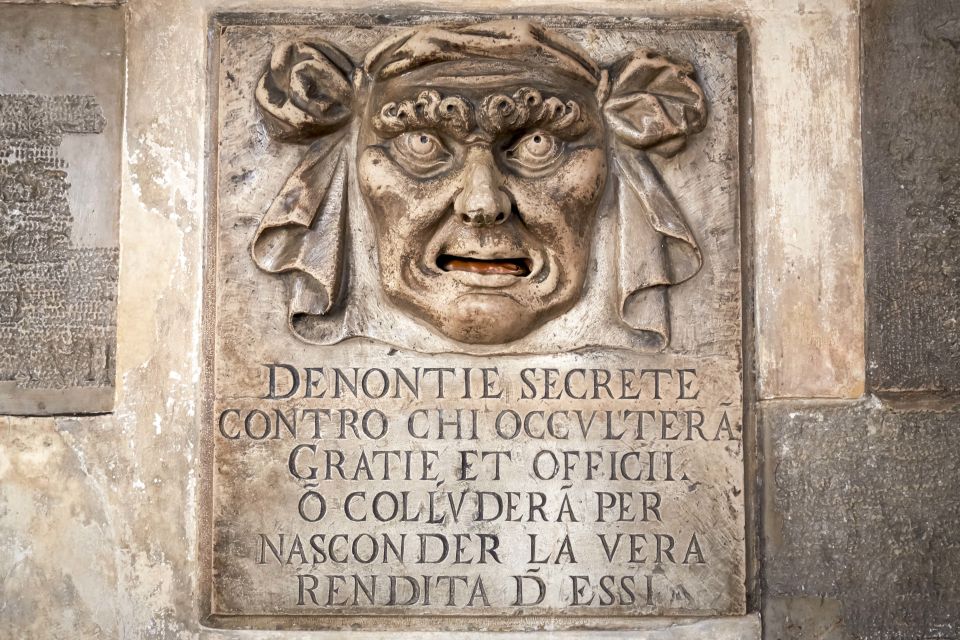
One standout segment is the Opera Museum experience. The tour includes a look at capitals from the 14th century, now displayed with allegorical engravings that mix sacred and profane themes—along with the blend of history and legend, astronomy and astrology.
This is a great stop if you like meaning. It’s also a nice contrast to the palace’s more dramatic zones like staircases and prisons. You’re seeing a different kind of symbolism: the kind carved into architecture and designed to last.
If you’d rather skip “interpretation” and focus on the big set pieces, this might feel like a slower moment. But for many people, it’s the part where the palace clicks as a whole system of storytelling.
Bridge of Sighs and the inside connection to the prisons
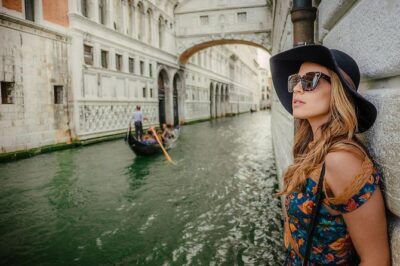
The tour includes an unforgettable highlight: crossing the Bridge of Sighs from the inside. This isn’t just a postcard moment. The guide explains how the Doge’s Palace was connected to its prisons.
And yes, the prisons section ties into one of Venice’s most famous names: Casanova is mentioned as a former inmate. This is where the “power” side of the palace becomes sharply human. The building that ruled also controlled, confined, and punished. Standing there, you feel the history rather than just reading it.
You may find the prisons portion to be less visually dramatic than the palace rooms (that’s a common reaction). Still, it’s worth staying with the guide’s explanation so you understand why this area is part of the palace story at all.
Museo Correr as an optional add-on: what you get for your extra time
After the palace tour, you have an option to continue with Museo Correr (Museum of Venetian History). The big point is that the ticket is included, so you’re not paying extra just to add another chapter.
This works well because the Doge’s Palace is the story of power at the heart of government. Museo Correr helps widen the frame—how Venice lived, how it organized itself, and why the republic mattered to everyday identity.
If you only have time for one indoor museum, consider whether you’d rather spend extra time in the palace itself or move on to the city’s broader civic story. If your schedule allows, I like adding Correr because it keeps the trip from turning into only “wow rooms” and instead becomes “why Venice worked the way it did.”
Value for $79: what you’re really buying
At $79 per person, this tour isn’t the cheapest way into Doge’s Palace—but it’s also not trying to be.
You’re paying for three value drivers:
- Time saved with skip-the-line entry
- A guided route that helps you understand what matters in each room
- An included optional museum ticket (Museo Correr)
For many people, Doge’s Palace is on the must-see list. If that’s true for you, paying for skip-the-line is usually the smarter move than gambling on whether you’ll enjoy the wait time in peak crowds. The guided format also makes the palace feel less like a confusing maze of splendor.
Where the value can soften: if you’re the type who learns best by wandering at your own pace, a guided route in a crowded site can feel a bit rushed. A few visitors have also noted hearing issues with audio gear in noisy rooms, which can reduce how much you absorb per minute. That doesn’t make the tour bad—it just means the guide experience depends partly on conditions.
Practical tips so your visit feels smooth (not stressful)
Here are the things I’d do to make this go well:
- Download and bring your voucher. It’s compulsory, and the tour won’t work smoothly without it.
- Arrive a little early to find the meeting point behind the Correr Museum area.
- Plan for crowds. Doge’s Palace is a top attraction, so expect other groups and noise.
- If you’re sensitive to audio quality, consider bringing a small pair of headphones that fit standard audio ports. Some people have reported that provided headsets were hard to hear with due to surrounding noise, including cases where only one ear piece worked well.
- Respect palace rules. Some visitors mention restrictions like no backpacks and limits around photography and clothing. Even if rules vary by season, treat the palace entrance as strict.
Also: hotel pickup is not included. You’ll be walking and navigating to the meeting point on your own.
Should you book this Doge’s Palace skip-the-line guided tour?
I’d book it if:
- You want to see Doge’s Palace without losing your morning to queues
- You like a structured route that highlights the most important sights like the Golden Staircase and the Bridge of Sighs
- You want Venice context, with the Museo Correr option included if you have energy for more
I might skip or consider another format if:
- You’re determined to self-tour slowly and don’t want group pacing
- You’re traveling with someone who struggles with stairs or uneven movement (full accessibility isn’t guaranteed, due to Venice’s layout and logistics)
- You’re especially dependent on perfect audio in crowded spaces
If Doge’s Palace is on your short list, this is one of the more practical ways to do it: fast entry, clear highlights, and a guide who turns rooms into a story instead of just a photo stop.
FAQ
How long is the Doge’s Palace skip-the-line guided tour?
The duration is listed as 1 hour, with the activity window extending up to 135 minutes depending on the starting time and pacing.
Where do I meet the tour guide?
You meet at Calle larga de l’Ascension, near the post office, behind the Correr Museum. A staff member checks your voucher.
Is Museo Correr included or optional?
It’s optional. The Venetian History Museum, Museo Correr, is included with tickets provided if you choose to visit.
What languages are the live guides available in?
Live guides are listed in French, Spanish, English, and German.
Do I need to bring a voucher?
Yes. It’s compulsory to download the voucher issued at the end of the online reservation and bring it with you on the tour day.
Is the tour wheelchair accessible?
Accessibility is not guaranteed. The tour notes that due to Venice’s physical layout and logistics, it cannot ensure the whole tour is accessible for people with limited mobility or wheelchairs.