REVIEW · VENICE
The Majestic Teatro La Fenice: Guided Tour in Venice
Book on GetYourGuide →Operated by Bucintoro Viaggi · Bookable on GetYourGuide
La Fenice feels like opera before the opera. This guided tour gets you into one of the most famous theatres in the world, where you hear how the building shaped (and was shaped by) major opera nights in Venice—past and present. La Fenice has the kind of wow factor that makes you sit up a little straighter the moment you enter.
I love two things most: the way the guide connects classic composers to the theatre’s changing role over time, and the chance to see the royal box and other decadent spaces inside. The one drawback to plan around is simple: this is a tight 1-hour visit, so it moves fast and it isn’t set up for wheelchair users.
In This Review
- Key things you’ll notice on this La Fenice tour
- Teatro La Fenice: where the drama starts before the curtain
- Your 1-hour route inside: what the tour actually covers
- Opera history you can picture: Rossini to Bellini to beyond
- The royal box and the Maria Callas exhibition moments
- Sound and scale: why seating capacity matters here
- Modern direction: how La Fenice keeps the story going
- Price and value: $28 for an inside guided visit
- Logistics that can make or break your hour
- Who this La Fenice tour suits best
- Should you book the Teatro La Fenice guided tour?
- FAQ
- How long is the Teatro La Fenice guided tour?
- How much does the guided tour cost?
- What language is the live guide?
- Where do I meet the hostess for the tour?
- Is the explanation outside before you enter?
- Can I reserve now and pay later?
- Is this tour suitable for wheelchair users?
Key things you’ll notice on this La Fenice tour
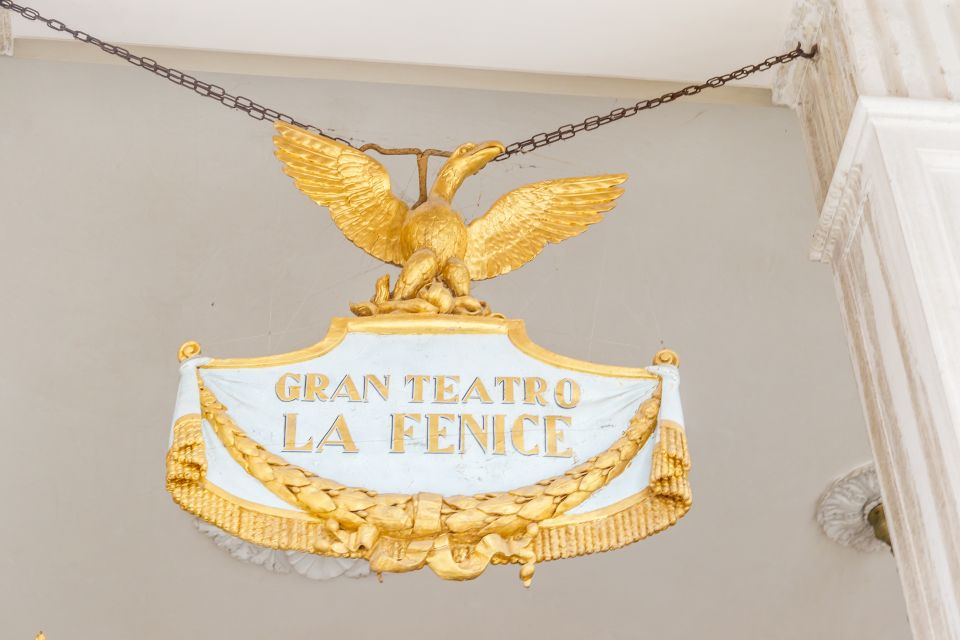
- An inside-theatre guided visit in English, focused on what makes this opera house tick
- Stories from the greats, including Rossini and Bellini, tied to specific moments in the building’s life
- A strong emphasis on the present, with mention of modern productions and world premieres
- Royal box access and highlight rooms, including an exhibition space devoted to Maria Callas
- A small-group feel that makes questions actually land
- Time to stay after the tour, so you can absorb the atmosphere at your own pace
Teatro La Fenice: where the drama starts before the curtain
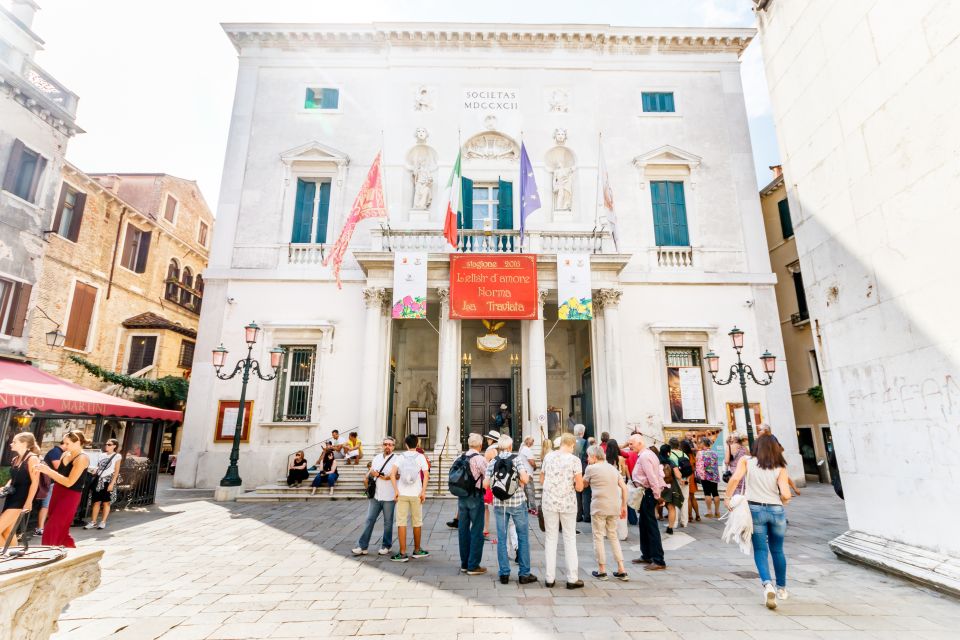
Venice has a way of making even simple sightseeing feel theatrical. La Fenice turns that up. From the start, you’re not just looking at a façade—you’re heading into a working opera house with a past that keeps getting retold in the same grand halls.
The tour is led by a live English-speaking guide, and it’s built around walking through the theatre while the story connects the architecture to what happens onstage. I like that approach. It helps you understand why people still talk about the place so intensely—even if opera isn’t your thing.
Also, you get to do this without rushing around a bunch of different stops across Venice. It’s one focused experience, about an hour, inside the theatre where the details matter.
You can also read our reviews of more guided tours in Venice


Your 1-hour route inside: what the tour actually covers
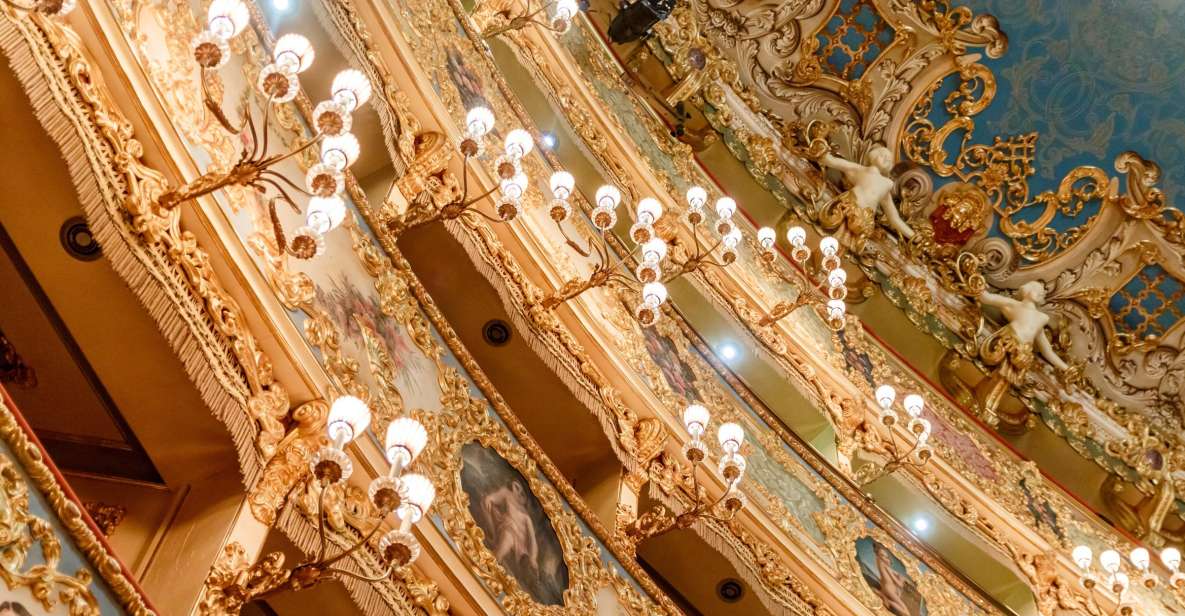
This is a guided visit inside Teatro La Fenice. Your hostess meets you directly in front of the Fenice theatre entrance, then the explanation happens inside the theatre, not as you walk there. That matters because it keeps the experience crisp: you go in ready to listen, and you’re not losing time on transit.
The tour route itself is small enough to feel personal, but it still covers meaningful highlights. Based on what guides tend to show, you’ll likely spend time in the main public areas of the theatre and then move toward standout viewing spots—especially the royal box area when it’s available.
You should also know: the tour is brief by design. It’s long enough to give you context—who performed here, why the theatre became a magnet for big premieres, and how the place is used today. It’s not long enough for a slow, sit-and-stare museum loop. If you’re the type who likes to linger, plan to make up time afterward.
Opera history you can picture: Rossini to Bellini to beyond
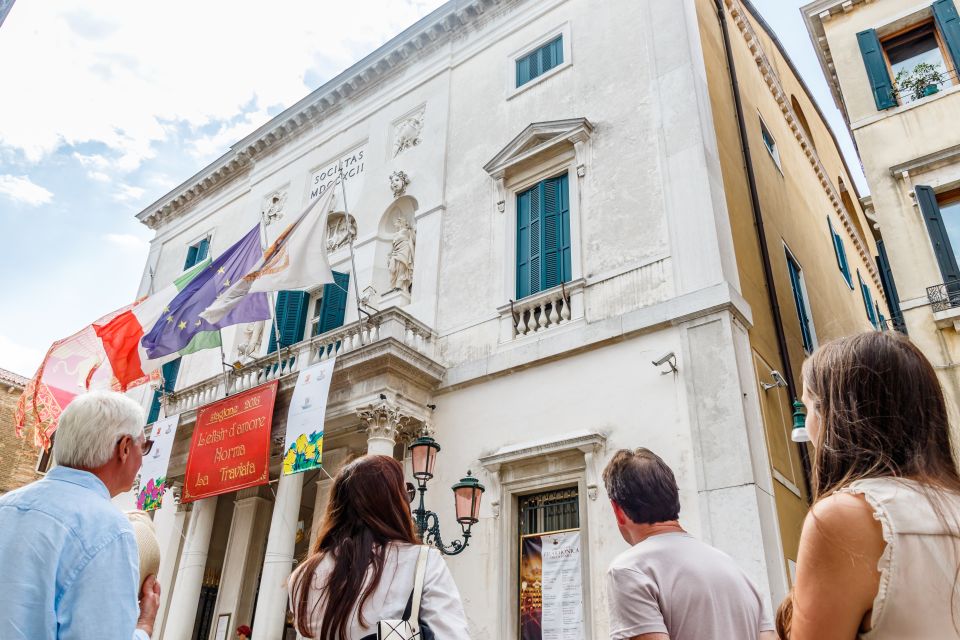
What makes this tour worth your attention is that it doesn’t treat opera history like a random list of names. The guide frames La Fenice as a stage that helped build careers and launch major works.
You’ll hear that La Fenice was founded at the close of the 18th century, and almost right away it became the go-to theatre for big, opulent premieres. That sets the tone. You aren’t just in a pretty building—you’re in a place that historically mattered to the opera world’s biggest events.
The tour specifically calls out major composer connections, including Rossini titles like Tancredi, Sigismondo, and Semiramide, plus Bellini’s The Capulets and the Montagues (and more). You also get references to works like Beatrice di Tenda.
Here’s why I think this storytelling works: it helps you stop thinking of opera as distant and start thinking of it as something that happened in rooms you can actually stand in. Once you’ve heard the names tied to this building, the architecture feels less like decoration and more like a “why” behind the performances.
The royal box and the Maria Callas exhibition moments
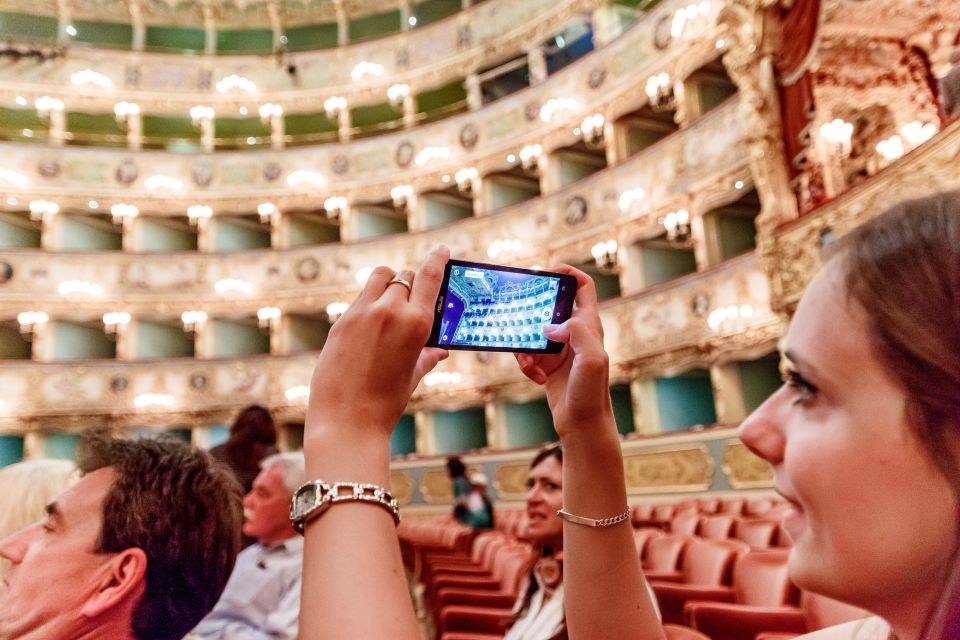
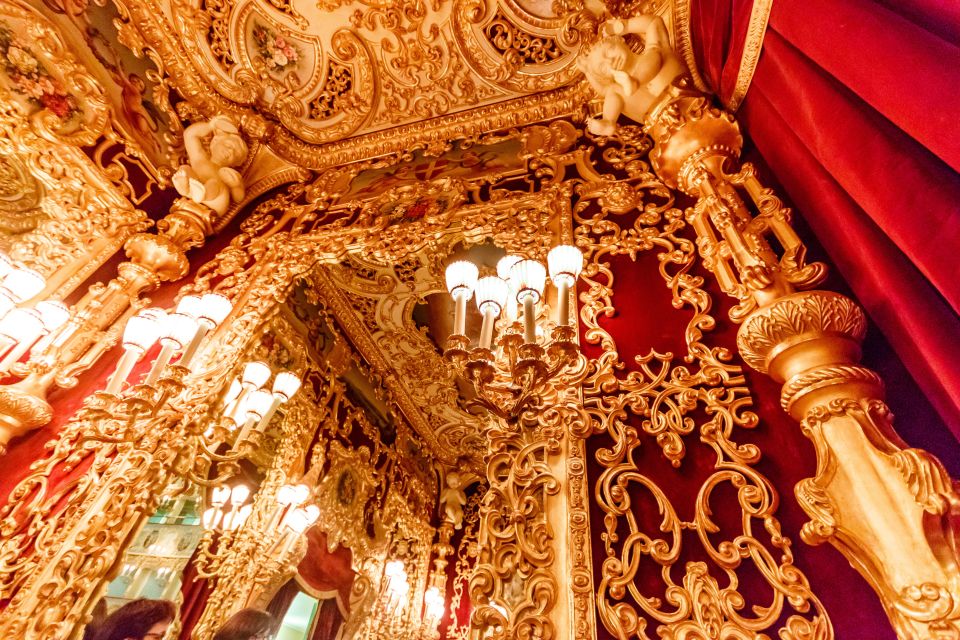
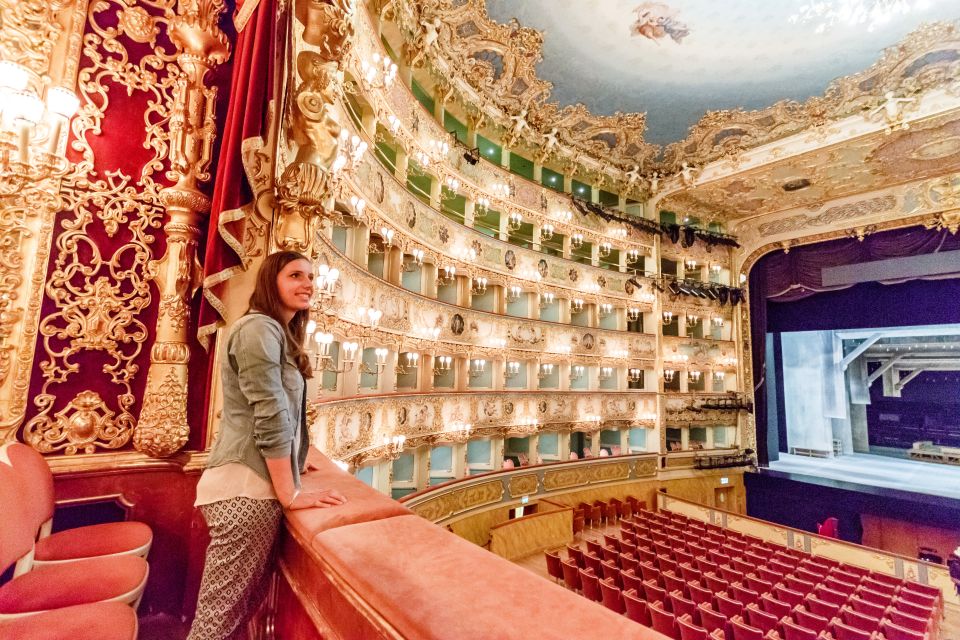
If you’re looking for a concrete, memorable “stop,” this tour often includes the royal box. Several guides bring guests up there, and that’s a big deal because it changes the perspective. You’re no longer just looking at the theatre; you’re seeing where important viewing positions would have felt.
You may also get time in other large rooms and special areas inside the building. One highlight mentioned is an exhibition connected with Maria Callas. Even if you’re not an encyclopedia of opera, you’ll recognize Callas as a name people orbit for a reason. Seeing an exhibition space like that inside La Fenice adds weight to the whole tour.
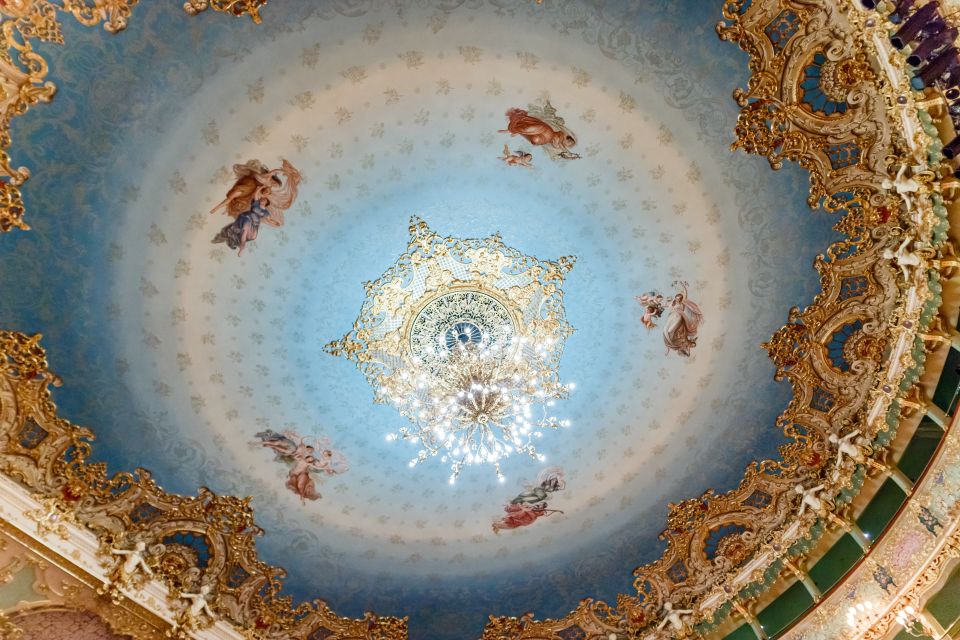
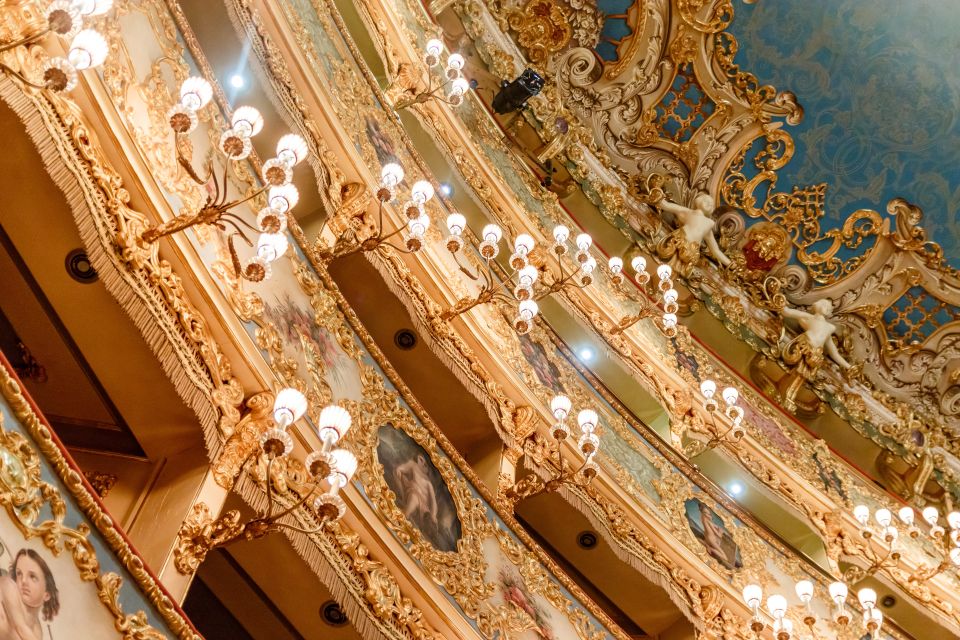
One more detail you may notice while touring: visitors mention the ceiling area with a clock, which is the type of visual detail that makes you pause and then look again once the guide points it out. Those small “wait, look at that” moments are exactly what make a short tour feel worth it.
And yes—sometimes you might even catch something happening in the theatre environment. One review mentioned seeing rehearsals, which can add a layer of reality that pure history tours can miss. Don’t count on it every time, but it’s a nice possibility if your timing lines up.
Sound and scale: why seating capacity matters here
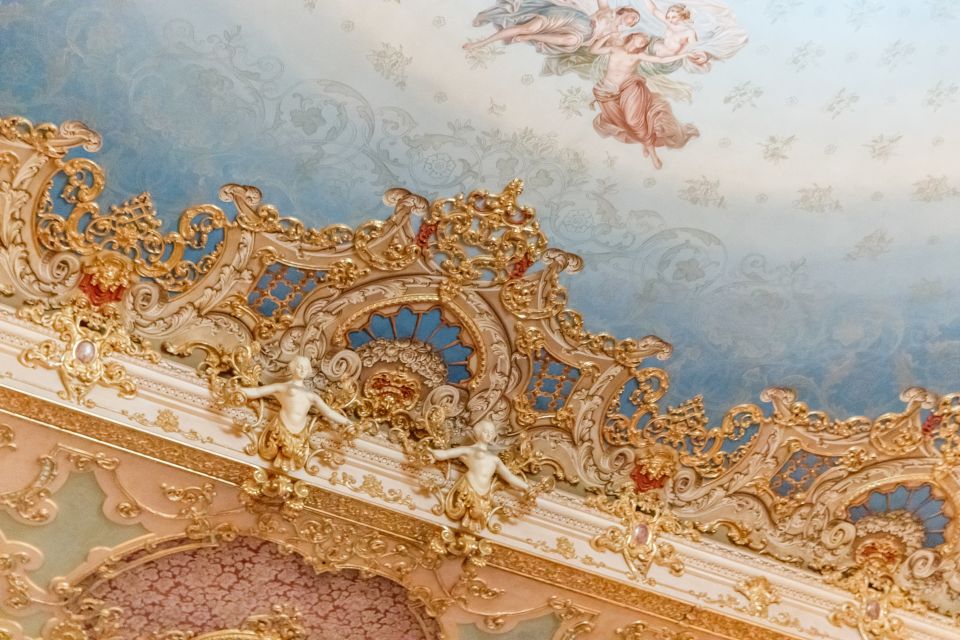
La Fenice seats over 1,000 people, and it’s known for excellent acoustics. The tour background includes the fact that the theatre has a large orchestra (98 members) and a chorus (66 people). Those numbers aren’t trivia. They help explain why La Fenice has the reputation it does.
Big forces demand a room designed for sound travel. When you stand in the theatre and hear the explanation, it makes more sense: the size isn’t just for show. It’s tied to how opera is staged, heard, and felt. Even if you don’t know the technical side, you’ll pick up the practical idea—this is a venue built for voices to carry.
This is also why I like doing the tour before attending an opera, if you can. One review described having tickets to a performance the same evening, and the tour made that night’s show easier to follow. You’re already familiar with the space, so you can focus on what’s happening onstage instead of constantly thinking about how the theatre works.




Modern direction: how La Fenice keeps the story going
La Fenice isn’t stuck in the past, and the tour makes a point of saying so. Today, the theatre emphasizes contemporary productions and continues staging major works, including world premiere mentions like Stravinski’s The Rake’s Progress and Britten’s The Turn of the Screw.
That matters because it reframes the theatre as a living institution. If all you knew was that La Fenice is famous for old premieres, you might assume it’s museum-only. Instead, the tour gives you the sense that the building is still part of what opera looks like now.
So if you’re traveling as a “culture plus” person—maybe you’re not going to be an opera convert, but you still want something real—this is a good fit. The guide connects the past to ongoing artistic direction. It doesn’t feel like a dusty lecture.
Price and value: $28 for an inside guided visit
At $28 per person, you’re paying for a guided entry inside one of the most talked-about opera houses in Venice, with about an hour of live narration. For most visitors, that’s the sweet spot: enough time to feel oriented and leave with stories you actually remember, without spending half your day on theatre logistics.
Here’s the value angle I’d focus on: you’re not just seeing the exterior or grabbing a quick photo. You’re getting a guided experience that points out what to notice—the places that matter, the rooms that change your perspective, and the historical connections that make the building more than a landmark.
Also, a key practical bonus: multiple notes say you can stay after the tour to absorb the theatre atmosphere longer. That turns your $28 into something that stretches beyond the 60-minute guided segment. If you want to return to the space and just look around, you can.
Logistics that can make or break your hour
A few practical tips will help you get the most out of your time inside:
First, be early to the meeting spot. Your hostess meets you in front of the Fenice theatre entrance, and some people have reported difficulty finding the exact spot. If you arrive a bit ahead, you won’t be stressed when the group starts moving.
Second, remember the explanation is inside, not during the walk. That means you’ll want your phone charged and ready to capture the right views once you’re within the theatre.
Third, keep your expectations aligned with the format. This is not a half-day backstage expedition. It’s a guided visit inside with key rooms like the royal box area when available, plus a short, structured history and context.
Finally, the tour is listed as not suitable for wheelchair users. If mobility is a factor for you, it’s worth checking other viewing options rather than assuming the space can accommodate everyone.
Who this La Fenice tour suits best
This tour is a strong match if you want more than surface-level sightseeing. I’d especially recommend it if you fall into one of these buckets:
- You like architecture and want a guide to explain what you’re looking at, not just where to stand for photos.
- You’re even mildly curious about opera, but you don’t want to study beforehand. The guide connects famous titles and composers to this actual theatre space.
- You’re planning to attend an opera performance at or around the same time. The tour can help you understand what you’re seeing when the production begins.
- You enjoy small-group pacing. Several people highlighted the face-to-face, more personal feel.
If you’re the type who wants long answers or lots of behind-the-scenes access, you might feel the tour is short. But if you want a focused, high-impact hour in a stunning Venetian setting, it hits the target.
Should you book the Teatro La Fenice guided tour?
Yes, I’d book it if your schedule allows. La Fenice is one of those places where a guide noticeably improves what you take in. For $28, you’re getting an English-led inside visit, a story that links the theatre to major composers and major premieres, plus access to highlight spaces like the royal box area and an exhibition connected to Maria Callas.
Skip it only if you’re chasing backstage access or you already know the venue inside out. Otherwise, this is a very practical way to turn a single theatre stop into a real Venice memory—one you can carry into an opera night or simply enjoy on its own.
FAQ
How long is the Teatro La Fenice guided tour?
It lasts 1 hour.
How much does the guided tour cost?
The price is $28 per person.
What language is the live guide?
The tour includes a live tour guide in English.
Where do I meet the hostess for the tour?
You meet the hostess directly in front of the Teatro La Fenice entrance.
Is the explanation outside before you enter?
The explanation takes place inside the theatre, and not on the walk to the theatre.
Can I reserve now and pay later?
Yes. You can reserve your spot and pay later.
Is this tour suitable for wheelchair users?
No, it is not suitable for wheelchair users.