REVIEW · VENICE
Murano: Glass Lampwork Workshop and Walking Tour
Book on GetYourGuide →Operated by deTourist Valerio Coppo · Bookable on GetYourGuide
Murano glass takes your hands for a ride. This 2-hour outing mixes a lampwork demo and old-factory visit with time on foot, so you get real craft context plus a chance to spot Byzantine-style church mosaics. I love that it’s guided by a local who can explain how tradition and modern design live side by side, and I also like that you’re not stuck only with the most crowded stops on the island.
One thing to weigh: the hands-on bead-making part is optional (extra €30 per person paid on-site). If you’re the type who hates waiting around, decide early, because the best payoff comes when you choose to make the bead yourself.
You’ll meet at Murano Faro near the lighthouse, then move from glassmaking indoors to an easy walking route outdoors. Expect small-group energy, with the guide keeping the pace friendly enough that you can enjoy Murano as more than a quick stop from Venice.
In This Review
- Key highlights you should care about
- Two Hours on Murano: Short, Focused, and Craft-Heavy
- Meeting at Murano Faro: Starting Point That Helps You Plan Your Day
- Inside the Old Glass Factory Showroom and Demo
- Lampworking 101: What You Learn Before You Make Anything
- The Optional Venetian Bead Workshop (€30): The Moment You Take Home Proof
- Walking Murano on Foot: Churches, Mosaics, and Side Streets
- Why the Guide Makes This Worth It
- Value for Money: Is $81 a Smart Use of Time?
- Who Should Book This Murano Glass Tour
- Should You Book This Murano Workshop and Walking Tour?
- FAQ
- How long is the Murano glass lampwork workshop and walking tour?
- Where is the meeting point?
- What is included in the price?
- Is the Venetian bead workshop included?
- What will I see during the walking tour?
- What languages is the tour offered in?
- Is this tour wheelchair accessible or suitable for mobility impairments?
Key highlights you should care about
- A local-led glass factory visit that shows how lampworking works today, not just how it used to work
- A factory active since 1295 plus a demonstration you can actually follow step-by-step
- Optional Venetian bead workshop (cost is €30 per person on-site, and only then do you take your bead home)
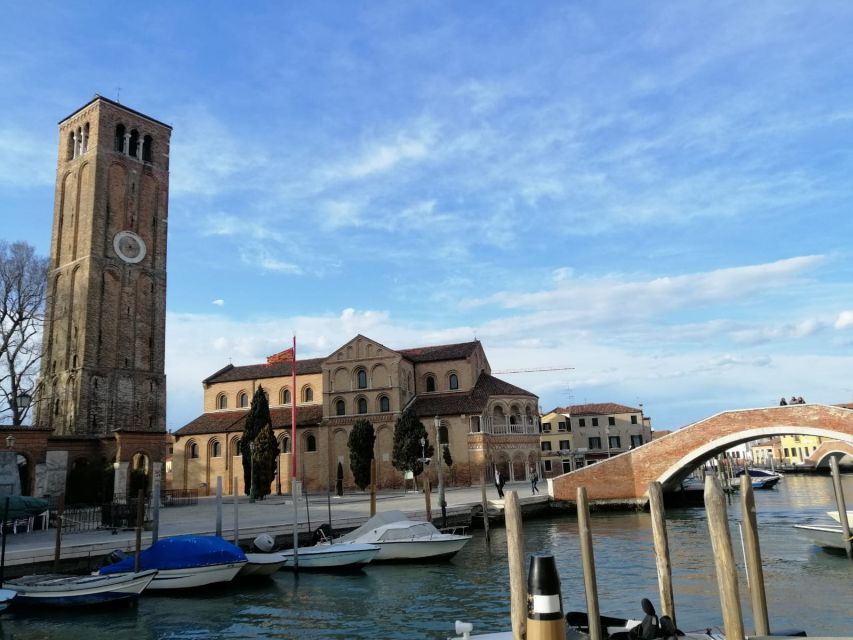
- A walking tour built around churches and mosaics, including Byzantine-style 12th-century work
- Off-the-beaten-track Murano stops, guided so you’re not hunting alone in the quiet lanes
Two Hours on Murano: Short, Focused, and Craft-Heavy
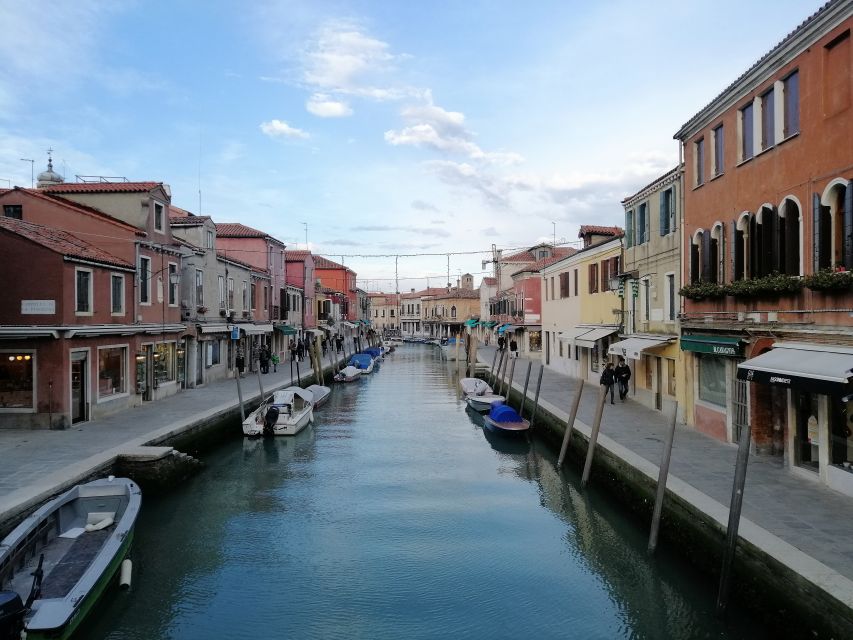
Murano is famous for glass, but most visits turn into a quick museum-style loop: look, listen, leave. This experience is different because it starts with the working side of the craft—showrooms and a glass artisan demonstration—before you head out on foot.
The whole thing is designed to fit into a normal day. In 2 hours, you can get a solid feel for why Murano glass is still a living trade, and then you can translate that understanding into what you see around the island. The bonus is that the walking tour isn’t just “icon photos.” You’re guided to churches and other calmer corners where Murano’s history shows up in details like mosaics.
The pace matters here. You don’t need to be a marathon walker. It’s structured enough that you won’t feel lost, but it still gives you real time outdoors to connect the craft to the place.
You can also read our reviews of more walking tours in Venice


Meeting at Murano Faro: Starting Point That Helps You Plan Your Day
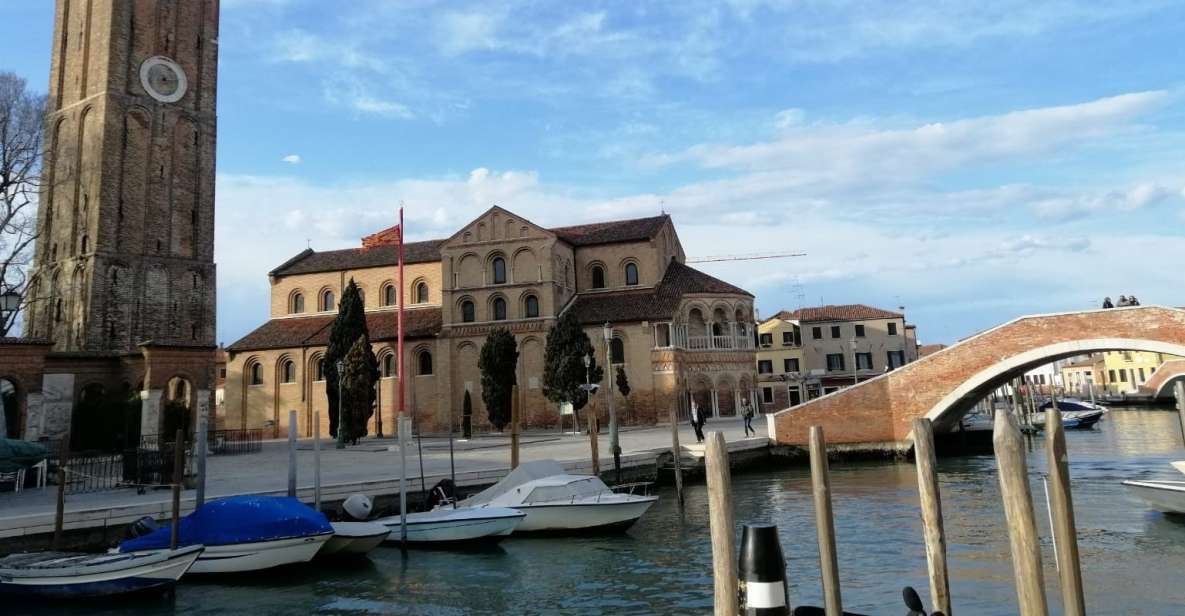
You’ll meet your guide at Murano Faro, close to the lighthouse. That matters more than it sounds. Murano can feel spread out, and starting near the lighthouse makes it easier to connect this activity with whatever else you want to do on the island afterward.
Practical tip: when you get to the meeting area, take a moment to orient yourself before you start looking at shops. Murano streets have a way of stealing time. If your plan is to see other sights after the tour, give yourself buffer—this island rewards unhurried walking.
If you’re combining Murano with Venice, this kind of short scheduled visit is a good anchor. It also helps if you want craft-focused time without committing to a full half-day glass tour.
Inside the Old Glass Factory Showroom and Demo
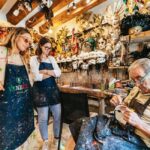
The heart of the experience is the stop at a glass factory showroom plus a glass artisan demonstration. You’re not just passing by a storefront. You’re stepping into the workflow and seeing the craft explained in context.
One of the most interesting elements is that you visit a factory that’s been active since 1295. That date isn’t trivia for its own sake. When you hear how long glassmaking has been happening here, the rest of the visit starts to click. You’re seeing something that’s been refined over centuries, then adapted as designers and makers kept changing what customers wanted.
What you can expect in this part:
- A factory showroom visit where the guide helps you connect materials, tools, and finished pieces
- A demonstration by a glass artisan so you can see technique in motion, not just in static displays
The demonstration format is also a plus for mixed ages. It’s visually readable. You don’t need specialist vocabulary to follow along, because the actions and stages do the teaching.
Lampworking 101: What You Learn Before You Make Anything
Lampworking is one of those crafts where watching helps more than reading. The process is tool-driven and heat-driven, and it moves fast. The tour’s setup gives you a learning runway: you get to understand what’s going on in the workshop atmosphere, so when you choose the hands-on option, you’re not walking in blind.
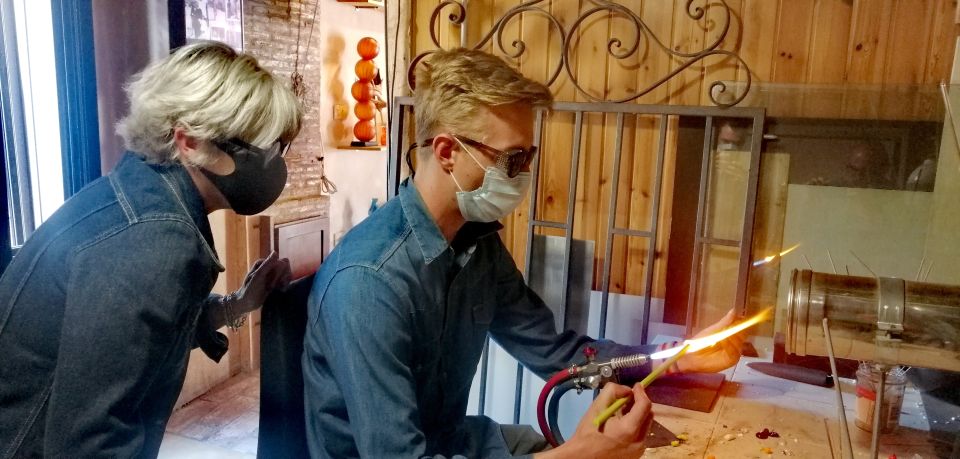
The experience focuses on lampwork using proper setup and safety measures. Tools and the oven are used alongside safety and protection equipment, so it’s clear this isn’t a casual craft class. It’s serious enough to respect the risks, while still being friendly for visitors.
If you’re curious about what makes Murano glass distinct, pay attention here:
- It’s not just about melting. It’s about control and timing.
- Technique is tied to the end result: size, shape, and decorative style.
- Even when the tradition is old, the approach can feel surprisingly modern in the way designs evolve
That’s the mindset that makes the rest of Murano make sense. After you see how lampworking works, you’ll spot more meaning in what you see in shops and church displays around the island.
The Optional Venetian Bead Workshop (€30): The Moment You Take Home Proof
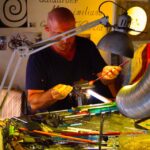
Here’s the key detail: the workshop where you create a bead is optional. It costs €30 per person, paid on-site. If you want a souvenir that feels real—something you made, not just something you bought—this is the portion you should plan around.
If you join:
- You’ll hand-create your own glass bead using lampwork tools and equipment
- You’ll take the Venetian beads you created home with you
If you don’t join:
- You’ll still enjoy the factory showroom and glass demonstration
- You can focus on the walking tour and let the craft visuals do the work
Either way, you’ll leave with a better understanding of the technique. But the payoff changes depending on your personality. If you like doing one practical thing with your hands during a trip, pick the bead-making option. If you prefer watching and absorbing, skip it and spend your energy on the island walk and mosaics.
My practical advice: if you’re short on time on Murano, decide before you arrive at the workshop area. The tour is structured, and clarity helps you avoid that half-committed feeling where you’re neither fully making nor fully sightseeing.
You can also read our reviews of more tours and experiences in Venice




Walking Murano on Foot: Churches, Mosaics, and Side Streets
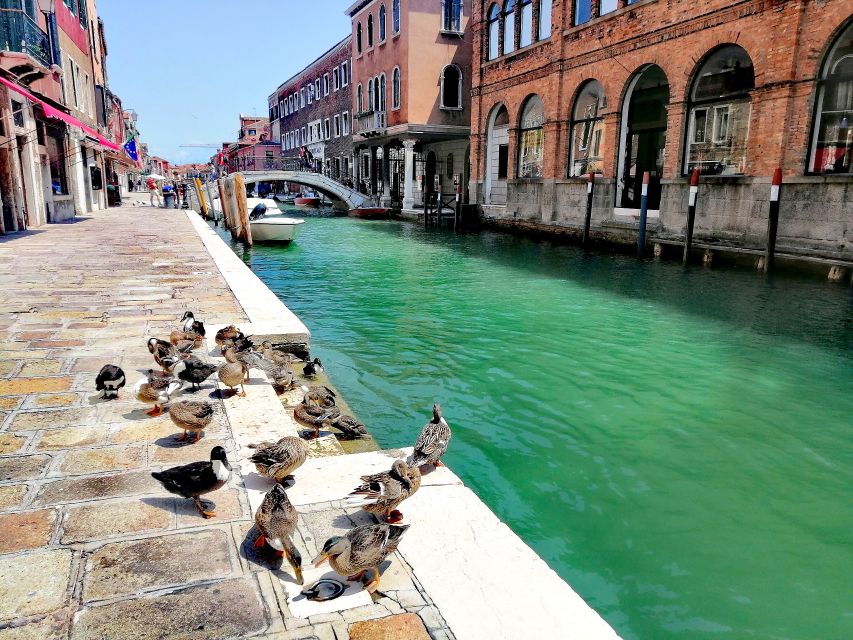
After the factory segment, you shift gears to a guided walking tour. This is where you get the “place” part of the experience, not just the “craft” part.
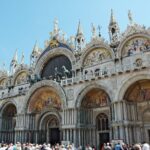
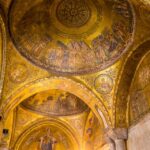
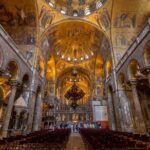
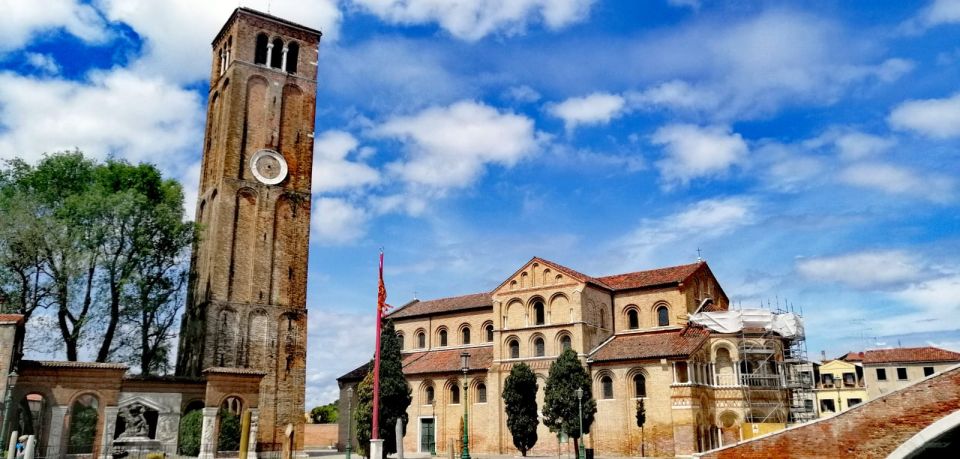
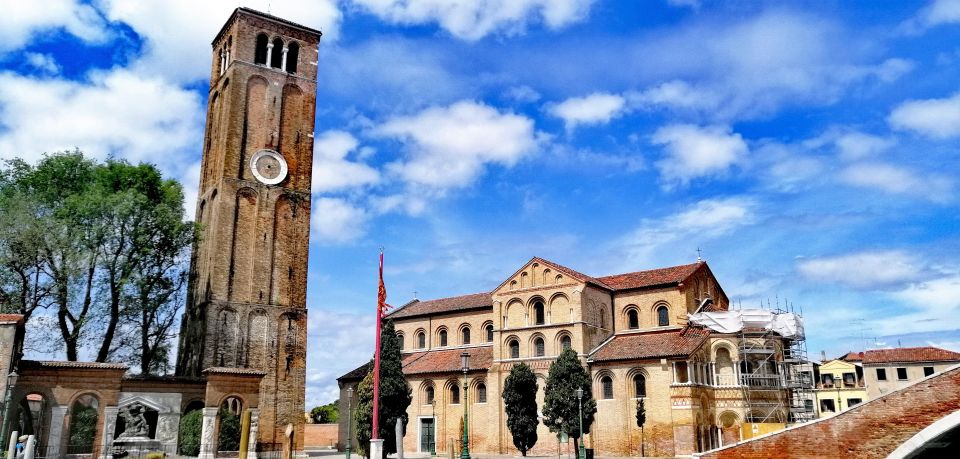
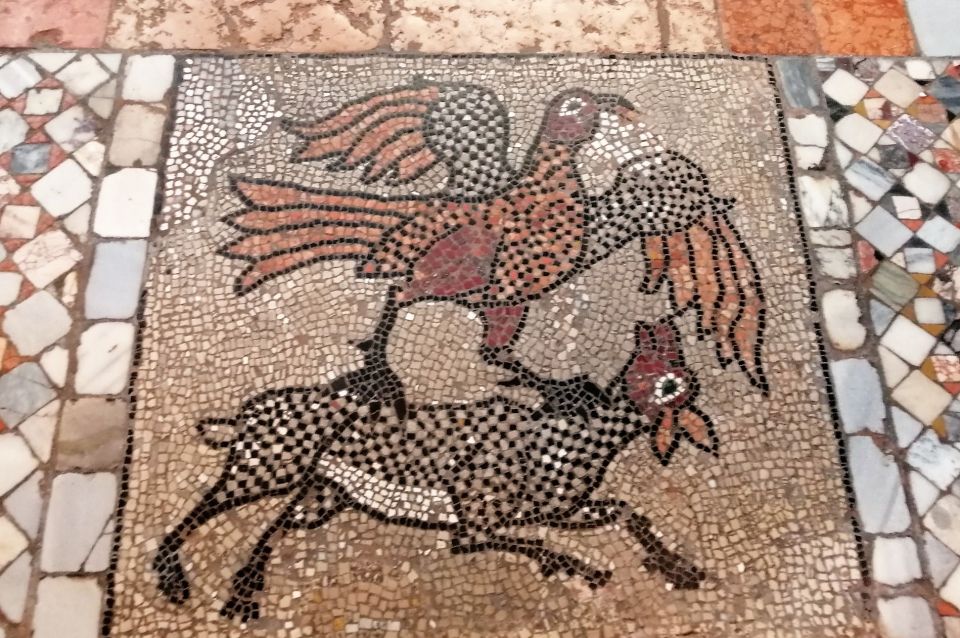
Murano is known as a glass island, but it also has real architectural and religious history. The walking route includes church visits where you can see Byzantine-style 12th-century mosaics. These mosaics are the kind of detail that’s hard to find on your own unless you already know where to look.
What I like about this style of walking tour is the balance:
- You get iconic sights, but not only postcard stops
- You get off-the-beaten-track areas with a local’s guidance
- You see how the island’s identity goes beyond glass shops
The churches add a different texture to your visit. They turn Murano into a living cultural place rather than a craft showroom with a skyline. And because mosaics are visually specific—colors, figures, placement—they reward slow looking. A guided pace helps you notice things you might otherwise skip.
Why the Guide Makes This Worth It
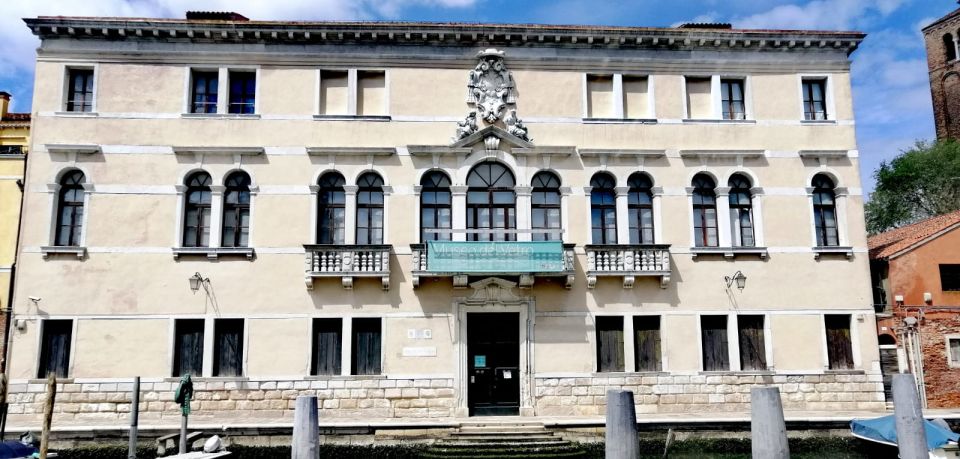
This tour is led by deTourist Valerio Coppo, and the guide experience is a big reason people love it. You can expect a tone that feels personable and calm, with explanations that stick.
From the way people describe the experience, the guide isn’t just listing facts. He’s helping you connect dots: how lampworking works, why the factory matters, and what you should look for while walking. That kind of interpretation is what turns a short tour from “I saw things” into “I understand why they matter.”
There’s also a practical payoff. A guide with local knowledge can point you toward useful options on the island—especially if you’re taking Murano as a break from Venice and want that feeling of relaxation.
Value for Money: Is $81 a Smart Use of Time?
The base price is listed at $81 per person for the 2-hour experience. On top of that, the hands-on bead workshop is €30 on-site if you choose to make the bead.
So is it worth it? Here’s the honest way to think about value:
- You’re paying for a guided flow that combines showroom access, a glass artisan demonstration, and a walking tour with church mosaics
- You’re paying for interpretation, not just admission-type sightseeing
- You’re getting the option to add a souvenir-making component without having to commit in advance
If you’re the type who wants one memorable “do it yourself” moment, the total spend (base tour plus €30) becomes a straightforward craft experience with a take-home result. If you’d rather spend money on shopping and skip hands-on, you can treat the €81 as a guided day on the island focused on glass and history.
Either way, the time efficiency is a strong point. Murano can expand fast once you start wandering. A guided 2-hour structure helps you see meaningful things without spending hours hunting down the best viewpoints or church interiors.
Who Should Book This Murano Glass Tour
This experience fits best if you:
- Like hands-on learning, even if it’s small and time-limited
- Want a glass-focused visit that explains the craft, not just sells products
- Enjoy walking on a human-scale island and like churches and mosaics as much as scenery
- Are traveling with teens or adults who want something visual and active
It’s also a great choice if you’re planning only a short Murano stop. This tour helps you get beyond the standard “glass shop circuit” and gives you a structured feel for the island.
One consideration: it’s not suitable for people with mobility impairments or wheelchair users. If mobility is a concern, check for alternatives that explicitly support accessibility.
Should You Book This Murano Workshop and Walking Tour?
I’d book it if you want the best mix of glassmaking context and island walking in a compact time window. The museum-adjacent visitors often think they already know Murano from shop windows. This experience shows you the production side—how lampworking fits into a long-running craft tradition—and then carries that understanding into real sights like Byzantine-style mosaics.
I’d skip (or at least plan carefully) if you’re certain you don’t want the bead-making option. Without the optional €30 workshop, you still get a showroom and demonstration plus the walking tour, but the take-home “proof” of craft skill disappears.
If you like structured visits, local guidance, and you want Murano to feel like a place you actually understand, this one is a solid use of time.
FAQ
How long is the Murano glass lampwork workshop and walking tour?
The tour lasts 2 hours.
Where is the meeting point?
Meet your guide at Murano Faro, near the lighthouse.
What is included in the price?
Included are a tour leader/interpretive guide, a walking tour, a glass factory showroom visit, and a glass artisan demonstration.
Is the Venetian bead workshop included?
No. The hands-on Venetian bead workshop is optional and costs €30 per person, paid on-site.
What will I see during the walking tour?
You’ll explore Murano on foot with a local guide and visit church sights, including Byzantine-style 12th-century mosaics.
What languages is the tour offered in?
The live guide is available in Italian, English, German, and Spanish.
Is this tour wheelchair accessible or suitable for mobility impairments?
No. It is not suitable for people with mobility impairments and it is not for wheelchair users.