REVIEW · VENICE
Venice: Venetian Masks Workshop
Book on GetYourGuide →Operated by Carta Alta Snc · Bookable on GetYourGuide
A mask workshop that feels like backstage Venice. In Carta Alta’s film-ready studio on Giudecca, you’ll learn iconic Venetian mask types and decorate a take-home paper-mache creation in Baroque style. The one thing to consider: the finished masks are smaller than many people expect.
I love that this isn’t just a quick paint-and-go craft. You get hands-on guidance from artisans who build masks for major productions, and the pace stays relaxed in an air-conditioned room. With a group capped at 8, it’s easy to ask questions and get help shaping your design.
In This Review
- Key things to know before you go
- Carta Alta on Giudecca: a film-proven studio that’s still local-feeling
- Your 90 minutes starts with Venetian masks, not just decoration
- The Baroque technique: where the mask turns into your artwork
- What you choose matters: paper-mache masks, colors, and layering options
- Your instructors: Augusto and the studio team’s calm, practical style
- Where to meet on Giudecca, and how to get there without stress
- The take-home souvenir: photos, finished masks, and packing reality
- Value for $71: why this price can feel fair in Venice
- Who should book this workshop, and who might want a different Venice plan
- Should you book the Venetian Masks Workshop at Carta Alta?
- FAQ
- How long is the Venetian Masks Workshop?
- How much does it cost?
- What’s the group size?
- What languages are offered?
- Where is the meeting point?
- Do I need to be good at art to do this?
- Will I be able to take photos and take my mask home?
- FAQ
- Can I cancel and get a refund?
- Can I reserve and pay later?
- Is the workshop in an air-conditioned studio?
Key things to know before you go
- Film-made expertise: Carta Alta has created masks for Gossip Girl, Fifty Shades of Grey, Spider-Man 2, Spider-Man Far From Home, and more.
- Real Venetian mask history: You start with Commedia dell’Arte masks, plus Bauta, Moretta, and Dottore della Peste.
- Baroque technique focus: You’re taught decorative methods, not just color choices.
- Small group attention: Limited to 8 participants, so guidance stays personal.
- Built for comfort: The workshop happens in an air-conditioned studio.
- Take-home, plus photos: You leave with your mask and time to photograph it with studio masks.
Carta Alta on Giudecca: a film-proven studio that’s still local-feeling
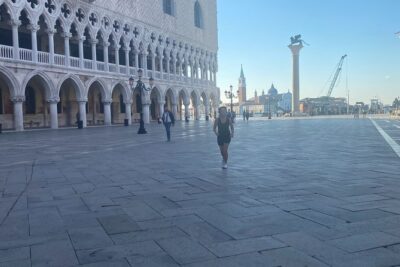
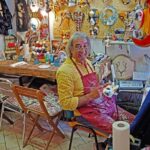
Venice can be a lot of marble, crowds, and jump-scrolling from bridge to bridge. This workshop gives you something hands-on and calmer: a real working studio where mask-making is treated like craft, not a performance.
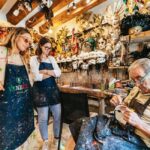
The experience takes place at Carta Alta, on Giudecca, in a mask workshop known for producing masks used in film productions. That matters because you can feel the difference between a craft class and a studio that builds for costumes that need to look right on camera. Your instructions don’t stay vague. They’re practical: how to place pieces, how to layer decoration, and how to make your mask look intentional rather than random.
The setup is also friendly in a very Venetian way: warm, patient, and tuned to your group. Languages are English, Spanish, and Italian, and the explanations are adjusted based on ages and interests. In other words, you’re not stuck with a lecture that assumes everyone is there for art school.
And yes, the room is air-conditioned. That sounds like a small detail until you’re making something delicate in Venetian summer heat. You’ll be grateful for it.
You can also read our reviews of more tours and experiences in Venice
Your 90 minutes starts with Venetian masks, not just decoration
Right when you begin, the workshop shifts your thinking. Instead of starting with paint, you start with story—specifically the major mask traditions that shaped Venetian Carnival identity.
You’ll get a brief history of masks in Venice, focusing on historically significant models such as:
- Commedia dell’Arte masks
- Bauta
- Moretta
- Dottore della Peste
This part is short, but it gives you a framework. When you later choose your own design elements, you’ll understand why certain shapes, faces, and accessories were used in the first place. It’s the difference between making a pretty object and making something that connects to a recognizable Venetian tradition.
Then the focus moves from history to technique. The team shows the main decoration methods they use, with special attention on their signature: the baroque technique. If you’ve ever seen Venetian masks with layered, ornate surfaces, this is where you get the logic behind the look.
The Baroque technique: where the mask turns into your artwork
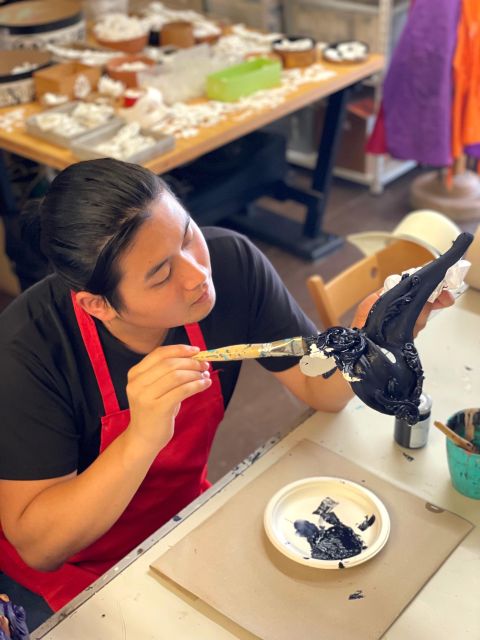
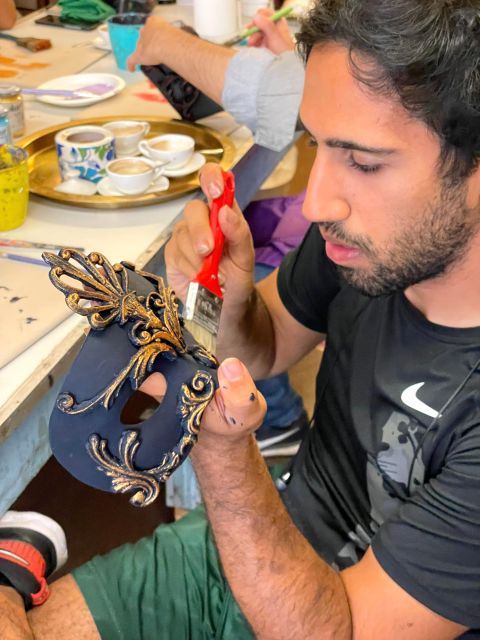
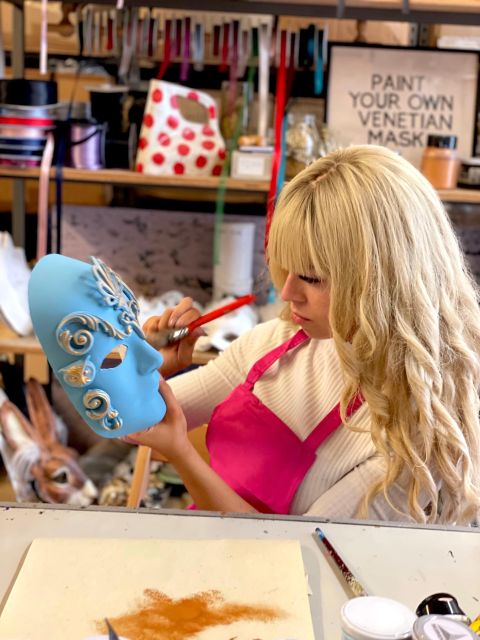
This is the heart of the workshop. You don’t just color a pre-made shape. You build up decoration with a “how-to” that helps your mask look finished even if you’re not naturally artistic.
You start by choosing from a wide range of paper-mache masks. These act like your base, your canvas, and your structure all at once. Depending on the design you pick, you may have different curves and surfaces that guide where ornament should go.
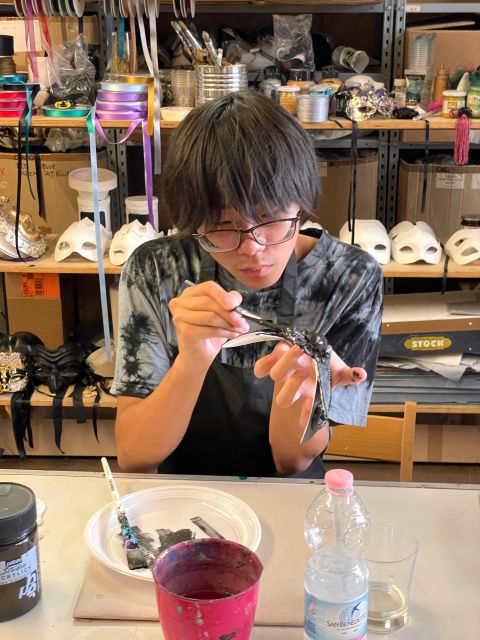
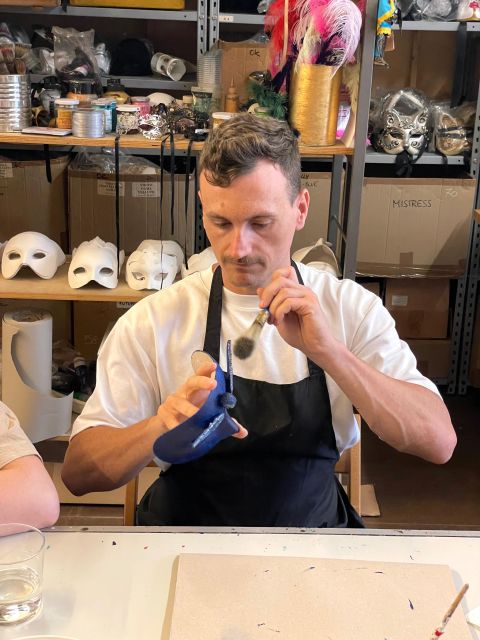
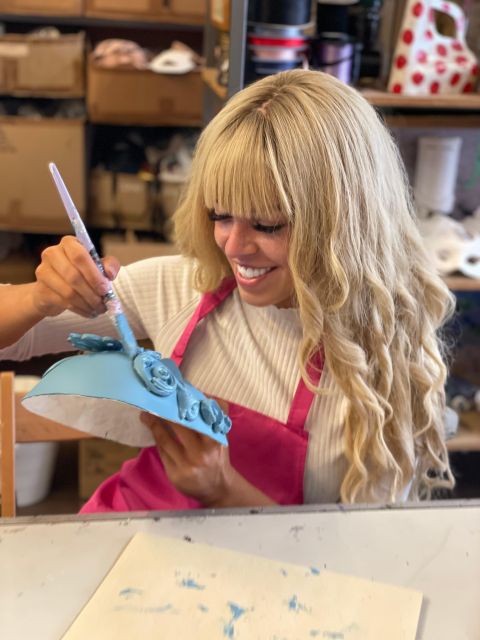
From there, the artisans help you decorate using their baroque approach. That usually means layering and adding depth with decorative elements so your mask reads well from a few feet away (and not just up close in your hands). You can also ask questions while you work, and the guidance is tailored as needed.
One of the best surprises here is how much creative control you get. You choose your mask shape, then you choose how to embellish and paint it. Many people are nervous at the start, expecting that they’ll mess it up. The way this workshop is set up makes that worry shrink quickly, because the team is guiding each step and keeping you moving.
Also, the studio provides what you need, so you’re not carrying art supplies around Venice like it’s an outdoor craft fair.
What you choose matters: paper-mache masks, colors, and layering options
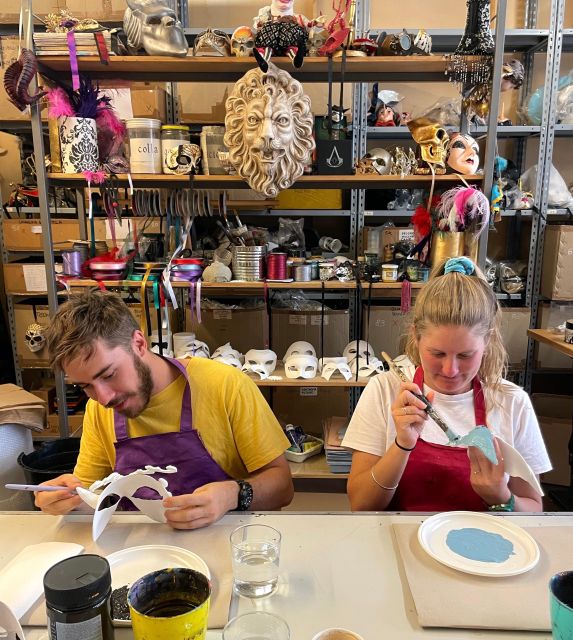
Your mask selection is a real decision point. The base types are varied, and that changes the personality of your final piece. Some masks feel dramatic and theatrical. Others look playful or elegant. Either way, you’re not stuck with one template.
When it comes to color and decoration, the process supports beginners without forcing you into a specific style. You’ll be able to paint and embellish, and you’ll get recommendations for color choices as you go. People have said they found painting easier than they expected because the studio’s guidance made the steps clear.
There are also decorative pieces and layers you can add. In practice, this means you can aim for a simple result or go for something more detailed, depending on your confidence and how long you want to spend on the final touches.
Just keep your expectations realistic: the finished masks are typically smaller than some visitors imagine. That doesn’t mean they look cheap. It just means you’re taking home a crafted face mask object, not a life-size prop.
If you’re thinking of giving the mask as a gift, the size can actually be a plus. It’s easier to pack, easier to display, and easier to bring home without protecting half your luggage.
Your instructors: Augusto and the studio team’s calm, practical style
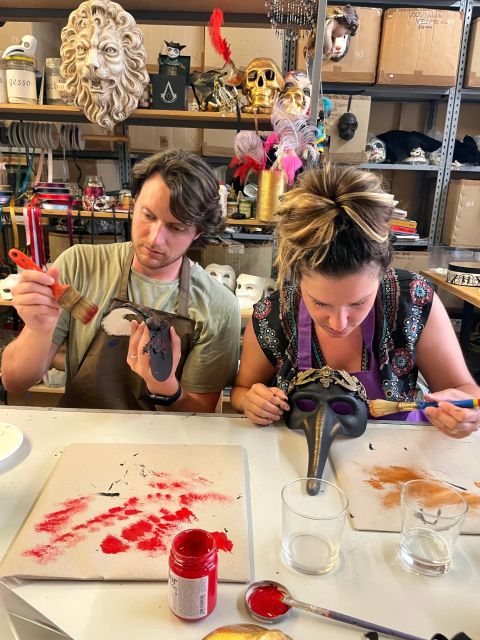
A big part of why this works is how it’s taught. The owner of the studio, Augusto, comes across as hands-on and welcoming, and workshop leaders are friendly and enthusiastic about the craft. The instruction is offered through an expert team, including an assistant artist/painter depending on the session.
You may also be guided by someone like Cate, who’s been mentioned as going above and beyond to keep the workshop running smoothly even when travel conditions get weird. That’s a good sign: the studio seems used to handling real-world disruptions without turning the session into chaos.
Most importantly, the team keeps the atmosphere approachable. You’re encouraged to ask questions, and the explanations can shift based on whether your group is focused on art, history, or just finishing something they’re proud of.
If you’re traveling with kids, this kind of teaching matters. The workshop has worked well across ages, including families with children around 10 to 14, and even younger kids who benefited from clear step-by-step help.
Where to meet on Giudecca, and how to get there without stress
This is one of those activities where knowing the meeting point saves time and energy.
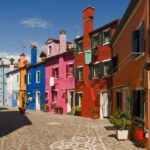
Meet at the Palace Door at Fondamenta S. Biagio, number 796. It’s about five minutes from the vaporetto stop Giudecca Palanca. From there, go right, take the first bridge, and walk for about two minutes until you find the place.
If you’re arriving by taxi, the closest stops are Hilton Hotel or Harry’s Dolci – Cipriani. That’s useful if you’re managing luggage or you’d rather not navigate water-steps with it.
Giudecca is a bit out of the main Venice flow. That can feel like extra travel time, but it’s also the point: you get a quieter stop from the busiest tourist lanes for a focused craft session.
Tip: give yourself a little buffer when planning your timing. Venice transport can be smooth, but water travel adds variables.
The take-home souvenir: photos, finished masks, and packing reality
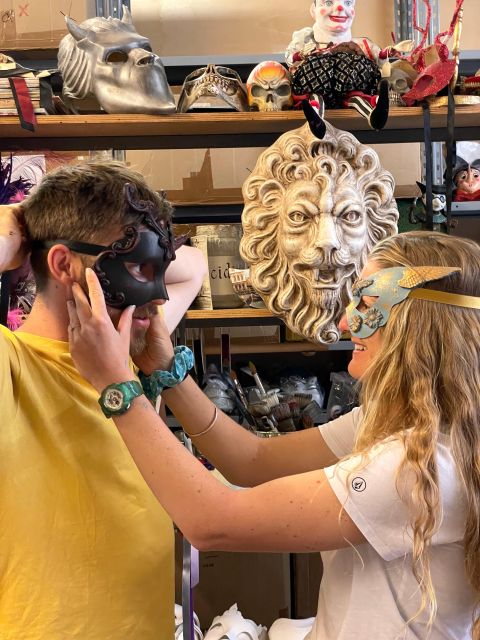
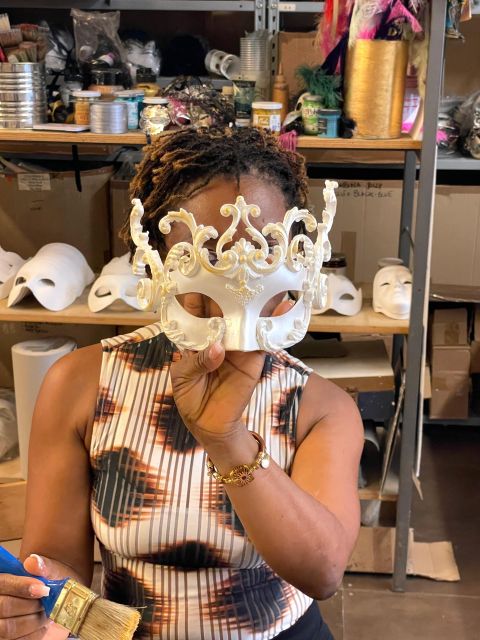
By the end, you’ll take home your handmade mask. You’ll also have time to take photos with your creation and the studio’s famous masks, which is a fun way to connect what you made with what the studio is known for.
Because the mask is paper-mache, treat it like a delicate craft object rather than a plastic toy. That means packing it carefully and keeping it away from crushing. If you plan to display it on a shelf at home, let it sit undisturbed for a bit after the workshop so it stays crisp.
Also, your mask is designed to be unique. Not because everyone ends up with a totally random mess, but because you control shape choice plus decoration decisions. That’s why it makes a memorable souvenir. It’s not just a product. It’s something you made with your own hand.
And if you like the idea of creating a “Venice keepsake” that isn’t just a photo in the camera roll, this is exactly that.
Value for $71: why this price can feel fair in Venice
$71 for 1.5 hours sounds like a craft class price, and that’s the right way to think about it. But the value comes from what you get bundled in:
- expert instruction from artisans who build masks for major film productions
- the history context about Venetian mask traditions
- materials and structure (you don’t need to bring supplies)
- time to decorate, ask questions, and finish a take-home piece
- a small-group size (8 participants max), which usually means less waiting and more help
In Venice, you can spend that kind of money and get an experience that’s more “watch.” This one is more “make.” That shift matters. You leave with an object you can hold, pack, and remember.
It also tends to work for different skill levels. People who are nervous about art often find the steps easier than they expected because the workshop is designed to guide you through the process, not test your talent.
Who should book this workshop, and who might want a different Venice plan
This workshop fits best if you want one of your Venice hours to be hands-on, not just sightseeing. It’s also a good match if you like history but don’t want it to be a lecture with no payoff.
It’s especially suitable for:
- couples and friends who want a shared activity
- families looking for something calmer than walking all day
- anyone who likes arts-and-crafts souvenirs that feel personal
It might be less ideal if you’re after a huge, dramatic output. The finished mask can be smaller than you imagine, and the workshop duration is only 90 minutes. If you want a long multi-day project, you’ll probably crave more time than this allows.
Still, for most people, the short format is a strength. You get a complete result without exhausting your energy budget.
Should you book the Venetian Masks Workshop at Carta Alta?
I think you should book it if you want a genuine Venice craft moment with real technique, real studio experience, and a take-home mask you’ll actually remember. The combination of mask history (Commedia dell’Arte, Bauta, Moretta, Dottore della Peste) and the baroque decoration method makes this more than a souvenir-making factory.
If you’re traveling with kids, it has a track record of working well across ages because the instructions can be tailored and the team stays patient.
Before you go, decide if a smaller finished mask fits your expectations. Once that’s clear, this workshop becomes one of the most satisfying ways to spend 90 minutes in Venice—creative, comfortable, and grounded in a working craft.
FAQ
How long is the Venetian Masks Workshop?
It lasts about 1.5 hours.
How much does it cost?
The price is $71 per person.
What’s the group size?
The workshop is a small group with a maximum of 8 participants.
What languages are offered?
Instructors can work in English, Spanish, and Italian.
Where is the meeting point?
Meet at the Palace Door at Fondamenta S. Biagio, 796. It’s about five minutes from the vaporetto stop Giudecca Palanca, then a short walk with a bridge.
Do I need to be good at art to do this?
No. They provide what you need and guide you step by step, so you can focus on making something you like.
Will I be able to take photos and take my mask home?
Yes. You can take pictures with your creation and the studio’s masks, and you take your handmade mask home.
FAQ
Can I cancel and get a refund?
You can cancel up to 24 hours in advance for a full refund.
Can I reserve and pay later?
Yes. You can reserve your spot and pay nothing today.
Is the workshop in an air-conditioned studio?
Yes, the studio is air-conditioned.