REVIEW · VENICE
Venice: Legends, Anecdotes and Ghost Stories Walking Tour
Book on GetYourGuide →Operated by Avventure Bellissime · Bookable on GetYourGuide
Venice has a darker side after dark. On this $41 Legends, Anecdotes and Ghost Stories walking tour (about 90 minutes), I like the small group format and the way the guide connects real corners like Riva del Carbon and the Scala Contarini del Bovolo to spooky, specific tales. One watch-out: you’ll be on old stone for a fair chunk of the evening, so it’s not the best fit if your legs or back don’t love long walks.
You’ll also get an English-speaking guide who keeps the pace moving through dim alleys and quiet campi, including places tied to cemeteries and flooded prison legends. If you want only bright, postcard Venice, this shifts the mood toward romance-with-shadow instead of straightforward sightseeing.
In This Review
- Key things to know before you go
- Entering Hidden Venice after dark
- Campo San Bartolomeo start: where the night begins
- Riva del Carbon to Palazzo Fortuny: pretty facades, darker context
- The Bovolo staircase (Scala Contarini del Bovolo): the view plus the story
- Corte Sant’Andrea and Rio Terà dei Assassini: narrow lanes, sharper legends
- Secret passageways and ancient cemeteries under your feet
- Floating prisons and rats: the stories Venice tells in high water
- Ending near Rialto: Casino Venier dei Nobili and your next steps
- Price and time: is $41 worth 1.5 hours of Venice?
- Guide craft and storytelling style: what to listen for
- Who this Venice ghost tour suits best
- Should you book this Legends, Anecdotes and Ghost Stories walk?
- FAQ
- How long is the Venice Ghost Walking Small Group Tour?
- How many ghost stories are included?
- Where do you meet for the tour?
- Where does the tour end?
- Does the tour run in high water?
- Is food included?
- Is it wheelchair accessible?
- What should I wear and bring?
Key things to know before you go
- Small-group pacing (max 20): easier to hear the stories and keep up in tight lanes
- Six ghost stories: including the gruesome history tied to Biasio
- Bovolo staircase focus: see the famous spiral, then hear the horse-and-apartments story
- Secret passageway mention: one of the few remaining ones, with access that can depend on water levels
- Rialto-area finish: your tour wraps near the Rialto Bridge so you can keep exploring
- Comfortable shoes matter: the route is built for walking, not slow strolling
Entering Hidden Venice after dark
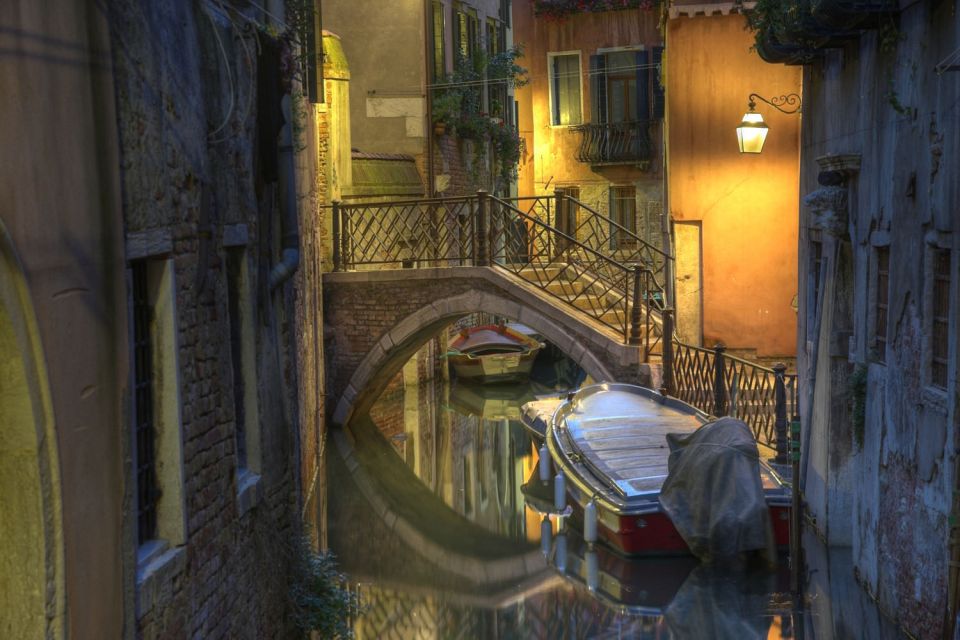
This isn’t a slow “meet in a square and talk generally” tour. It’s a moving story-walk through Venice’s quieter back streets, where the guide uses darkness to do what museums can’t: make history feel human. The time window is tight (about 1.5 hours), and the group size stays small, so you spend more time on the route and less time waiting around.
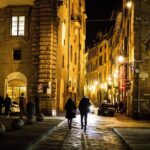
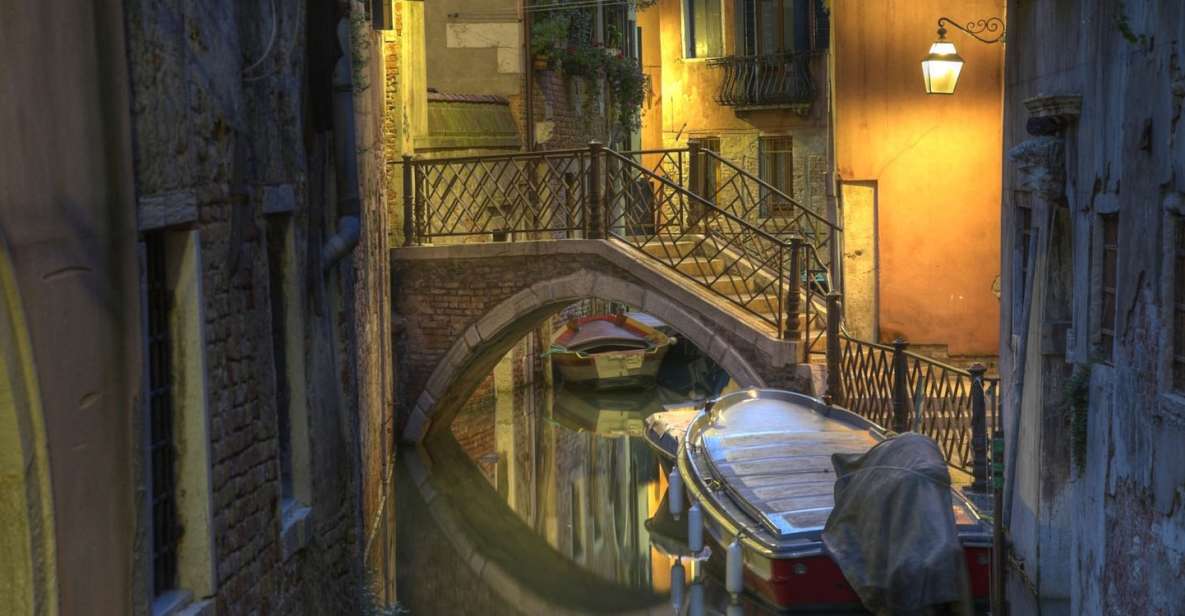
What makes it work is the mix of recognizable landmarks and off-the-map passageways. You’ll get a couple of big visual hits—the sort you’d point out in daylight—then you’ll turn into narrow lanes where the city feels like a maze. That’s where the legends really land, especially when the guide ties them to architecture you can actually see.
And yes, it’s meant to be spooky. But it’s not random horror. Expect old crimes, local folklore, and “this building used to mean something else” type storytelling.
You can also read our reviews of more walking tours in Venice


Campo San Bartolomeo start: where the night begins
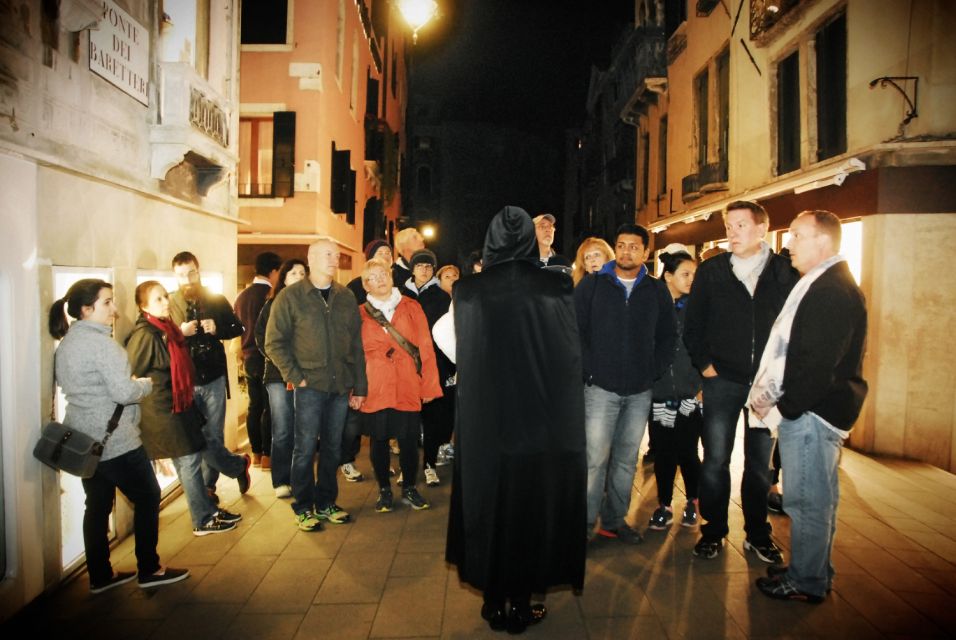
Most tours start with the obvious. This one starts at Campo San Bartolomeo (Campo San Bartolomeo / San Bortolomio), near the statue in the middle of the square. The guide will be holding a sign with the tour name, so arrive a little early and let yourself settle before the crowd thickens.
From there, the walk begins along Riva del Carbon, a canal-side stretch that sets the tone quickly. The guide uses the setting well: stone, water sounds, and the sense that you’re moving through a city that was never built to feel straightforward.
You’ll want to start the evening with your shoes already tied right and your phone charged. Not because you’ll need it for the tour, but because Venice’s lanes can swallow your sense of direction fast.
Riva del Carbon to Palazzo Fortuny: pretty facades, darker context
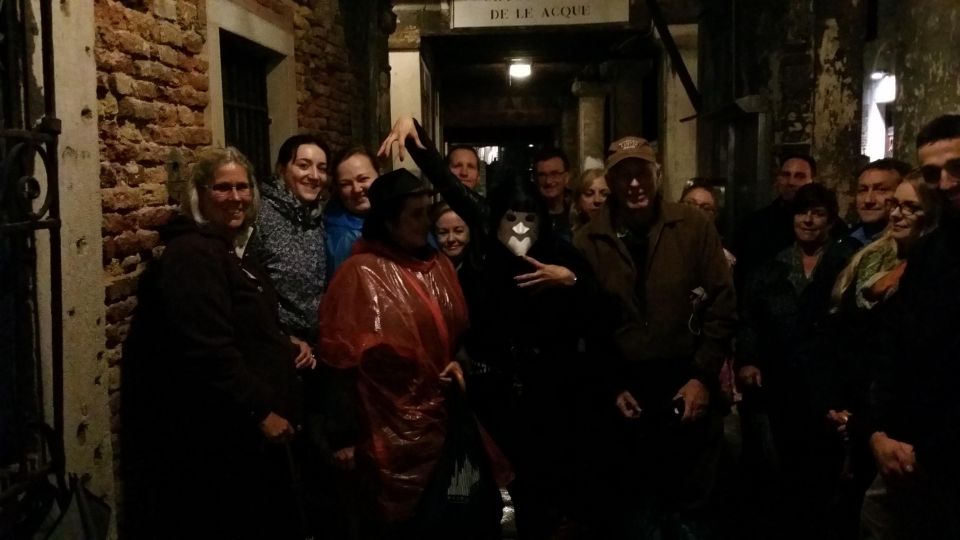
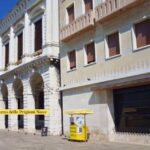
After the canal edge, the route threads past palazzos and grand facades that you might pass by in daylight without realizing what stories cling to them. One stop includes Palazzo Cavalli, followed by Palazzo Fortuny.
Campo San Beneto also comes into play, where you get a sense of Venice as a lived-in city, not only a postcard set. The key here is balance: the tour doesn’t only focus on “boo” moments. The guide ties the look of the buildings to social life, power, and rumor—so the spooky bits sit on top of real civic history.
If you’re in Venice for the first time, this is a smart way to get your bearings. You’re not just collecting sites; you’re learning how the city’s neighborhoods and waterways shaped what people feared, hid, and remembered.
The Bovolo staircase (Scala Contarini del Bovolo): the view plus the story
The Scala Contarini del Bovolo is one of those Venice landmarks you’ve probably heard of, even if you’ve never stood in front of it. Here, it’s more than a photo stop. You get it framed as architecture with a practical purpose—built by a wealthy Venetian at a time when travel through the city wasn’t done on foot like today.
The story angle is fun and specific: the elaborate spiral staircase helped a nobleman ride up—by horse, essentially—to reach private apartments. That detail matters because it explains why a structure like this is so visually theatrical. It wasn’t made only to impress guests; it was built into daily life and social status.
And yes, you’ll also enjoy the panoramic perspective that comes from the staircase. Even without chasing views for hours, it’s a great payoff point in the loop.
Corte Sant’Andrea and Rio Terà dei Assassini: narrow lanes, sharper legends
After the Bovolo focus, the tour shifts back into the maze. Corte Sant’Andrea appears in the route, bringing you into a more authentic, lived-in Venetian feel. This is where the streets tighten, and the atmosphere turns into what you came for: romance with mystery.
Then the guide steers you toward Rio Terà dei Assassini. The name alone sets a tone, and the guide layers it with darker anecdotes. You’ll also hear about Calle dei Assassini as part of the story atmosphere. The route keeps moving through tight passageways and quieter campi, so you don’t get stuck in one spot long enough for the energy to drain.
If you’re someone who likes your legends anchored to physical places, this is the section that usually delivers. You’re not listening to a ghost story in an empty field. You’re hearing it next to buildings and canal edges that still hold that old-world layout.




Secret passageways and ancient cemeteries under your feet
Venice has a way of hiding important stuff in plain sight. This tour leans into that.
At one point, you’ll hear about a secret passageway—one of the few remaining in the city. The story is that a lover used it to reach a noblewoman’s private apartments without the husband knowing. The tour notes that access is subject to water levels, which is a very Venice kind of detail.
You’ll also cross areas tied to ancient cemeteries hidden beneath the streets and campi. That doesn’t mean the tour turns into a history lecture. Instead, it gives the route weight. When the guide connects a legend to where people were once buried, the spooky tone becomes less about theatrics and more about what happens when a city keeps building on top of its own past.
This is also where the walking pace matters. Keep an eye on your footing, especially if it’s damp. You’re on stone steps and uneven surfaces, and the best “spooky” experience is the one where you don’t trip.
Floating prisons and rats: the stories Venice tells in high water
One of the most striking themes in the tour’s storytelling is what floods did. The guide brings up rat-infested prison cells that reportedly flooded during high tide. It’s the kind of detail that sounds exaggerated until you remember Venice’s long relationship with water.
The practical takeaway for you: the tour operates in all weather, and it adapts during high water. That means the route may adjust, but the evening stays in motion. You don’t just cancel because the lagoon is being dramatic.
If you want a tip for the mood: plan to come dressed for the weather you actually get. Wind and rain can make the streets feel more atmospheric, but staying comfortable helps you enjoy the storytelling instead of thinking about your cold hands.
Ending near Rialto: Casino Venier dei Nobili and your next steps
The tour ends close to the Rialto Bridge, at an address on S. Marco (4931 S. Marco, Venezia, VE 30124). Along the way, the route builds toward the kind of stopping point you can imagine as part of the city’s old social scene: Casino Venier dei Nobili.
Rialto is a magnet in the evening, so finishing near it is handy. You can head back out on your own with the legends fresh in your mind—perfect for spotting details that now feel “intentional,” like a doorway, an alley bend, or a canal edge you’d otherwise ignore.
If you’re the type who likes to keep the evening going, I’d use this finish as a reset point. Walk toward a nearby viewpoint, get gelato, and then do one or two daytime follow-ups the next day. The stories will change how you read the city in daylight.
Price and time: is $41 worth 1.5 hours of Venice?
At $41 per person for about 90 minutes, this lands in the middle of what you’ll see for Venice walking tours. The value depends on what you want from your evening.
Here’s why I think it’s good value for the right traveler:
- You get a professional English-speaking guide for a full, tight loop.
- The group cap of 20 keeps it from feeling like a crowded mass.
- You’re paying for more than stops. You’re paying for story craft tied to specific sites like the Bovolo staircase and the Rialto-area finish.
Also, the guide quality seems to be a real strength. Multiple guide names show up positively in the experience: Ana, Christine, Annamaria, and Christina get credit for clear English and entertaining delivery. One review even called out the guide’s English as the best among multiple Italian tours—exactly what you want when the stories get dark and the details matter.
So if your goal is to see Venice’s lesser-known side with someone who can keep it moving and understandable, the price makes sense. If you only want light, easy strolls with minimal talking, you might feel the story intensity is a bit much.
Guide craft and storytelling style: what to listen for
The best part of this tour is how the stories are framed. The guide doesn’t just say a legend happened. They point to a place, connect it to the city’s physical layout, and then pull you into the anecdote. That’s why the Bovolo story works so well. It turns an architectural detail into a vivid moment.
Comedy shows up, too—in a Venice-friendly way. Several comments praise guides for being funny while covering the darker side. That tone matters. It keeps the evening from feeling grim, even when stories include gruesome material like Biasio, the child-killing butcher of Venice.
If you worry you’ll miss parts in a group setting, don’t. The small group size helps, and the route keeps stopping often enough that you can re-center and listen.
One practical note from real-world experience: meeting points in Venice can be chaotic. One piece of feedback was that the guide can be hard to spot at the start if the sign isn’t obvious among the crowd. My advice: check your surroundings, look for the specific tour sign, and give yourself time to find the group before you set off.
Who this Venice ghost tour suits best
This tour fits best if you want:
- A night plan that mixes architecture + legends, not just a list of buildings
- A manageable route with a guide keeping the pace and story flow
- Venice’s darker side without turning it into a theme-park scare
I also think it’s a solid choice for solo travelers. Reviews mention it as a nice way to explore lesser-touristic parts while still having structure and conversation built in.
Who should skip it?
- People who need wide, flat routes or lots of seating. The tour isn’t fully accessible and involves significant walking.
- Anyone with back problems. The uneven surfaces and stairs are part of the experience.
- Visually impaired visitors. The tour isn’t described as suitable for that group.
If those points apply to you, it may be better to pick a different style of Venice tour—one with fewer stairs and flatter paths.
Should you book this Legends, Anecdotes and Ghost Stories walk?
I’d book it if you’re excited by Venice legends and want a night route that takes you into the city’s hidden lanes while still showing recognizable sights like the Bovolo staircase and getting you back toward Rialto.
Skip it if you want a calm, low-walking evening or if spooky stories will stress you out more than they entertain you. This tour is built around walking, listening, and stepping into the city’s shadowy folklore.
If you’re on the fence, think of it like this: for roughly $41 and 90 minutes, you’re buying a guided shift in how you see Venice. Same city by day, different city by night.
FAQ
How long is the Venice Ghost Walking Small Group Tour?
It runs for about 1.5 hours.
How many ghost stories are included?
The tour includes six ghost stories during the walk.
Where do you meet for the tour?
You meet at Campo San Bartolomeo near the statue in the middle of the square. The guide holds a sign with the tour name.
Where does the tour end?
The tour ends close to the Rialto Bridge, at 4931 S. Marco, Venezia.
Does the tour run in high water?
It still takes place during high water, but the route may need partial adaptation to match the weather and water conditions.
Is food included?
No. Food and drinks are not included unless specified.
Is it wheelchair accessible?
It’s not fully accessible for wheelchair users or people with walking disabilities, though you can contact the operator directly to ask about alternative routes.
What should I wear and bring?
Wear comfortable shoes. Oversize luggage or large bags are not allowed, and alcohol and drugs are not allowed.