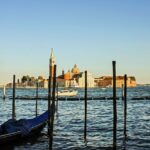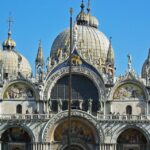
Venice reads better on foot. This 2.5-hour historic walk is built around Dorsoduro, where you’ll hear how Venice works as a city of canals, crafts, and traditions rather than just a photo backdrop. It’s led by Cao Rio’s guides, including Nicolo and Aleksandra, and it aims to show you Venice the way locals talk about it.
I especially love the way this route favors small squares and quiet streets, so the city feels human-scale. You’ll also pick up practical Venetian vocabulary as you go, including words like squero and palazzo, which makes the architecture and street life easier to understand.
One consideration: it’s a walking experience, and it requires good weather, plus some major stops are outside-visit areas where church/palace entry tickets are not included. So wear comfortable shoes and expect to pay for any inside visits separately if you want them.
In This Review
- Key highlights at a glance
- Why Dorsoduro makes this Venice historic walk feel different
- Campo Santa Margherita: start with a Venetian square, not a landmark
- Scuola Grande dei Carmini: Venice’s charitable buildings, explained
- Squero Domenico Tramontin e Figli: the gondola yard that anchors the story
- Osteria Al Squero: a Venetian aperitivo stop with boundaries
- Zattere and Campo Sant’Agnese: reading Venice’s urban design
- Punta della Dogana and Santa Maria della Salute: merchants, Palladio, and daily tradition
- Ponte de la Toletta and Ca’ Rezzonico gardens: Carnival and the palazzo viewpoint
- Price and timing: does $75.24 per person feel fair?
- The guide approach: knowledge with a local, responsible vibe
- Who should book this Venice historic walk with Cao Rio?
- Should you book it?
- FAQ
- How long is the Venice Historic Walk?
- Where does the tour start and end?
- What time does it start?
- Is this tour private?
- What is included in the price?
- Are tickets for churches or palaces included?
- Is the aperitivo stop alcoholic drinks included?
- Do I need a mobile ticket?
- Do I need to pay an access fee to enter Venice?
- What if the weather is bad?
Key highlights at a glance
- Dorsoduro-first route: a calmer, local-feeling side of Venice with real neighborhood rhythm
- Squeros and gondola craft: learn what a squero is and why it matters to Venice
- Squares with a purpose: Campo Santa Margherita and Campo Sant’Agnese are used as “classrooms”
- Aperitivo without the alcohol markup: you can enjoy the aperitivo stop, while alcoholic drinks aren’t included
- Big-ticket context without big-ticket stress: views of Punta della Dogana and Santa Maria della Salute come with clarity, even if inside tickets cost extra
Why Dorsoduro makes this Venice historic walk feel different
Most Venice tours skim the same highlights. This one starts by taking you to Dorsoduro, a neighborhood people actually hang out in. That changes your experience fast: you’re walking streets where daily life is still part of the scenery, and the guide can explain Venice as a working city, not just a museum.
Another big win is the focus on how Venice is built—architecture plus urbanism—and how those choices shaped traditions. You’re not just learning names of places. You’re learning how the city’s identity forms from its spaces: canals, waterfronts, bridges, squares, and the institutions that organized Venetian life.
And the best part for curious travelers: you’ll get a few handy Italian terms along the way. Picking up words like squero and palazzo isn’t trivia for its own sake—it helps you read what you’re seeing.
You can also read our reviews of more walking tours in Venice
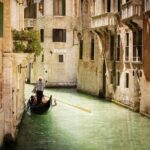
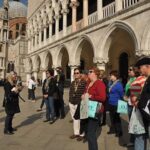

Campo Santa Margherita: start with a Venetian square, not a landmark
Your walk opens at Campo Santa Margherita. Squares in Venice aren’t just pretty open spaces—they’re social systems. They’re where people meet, linger, and turn a neighborhood into a community.
The time here is short, about 10 minutes, but it’s a strong setup. You’re getting your bearings and learning how to look at Venice’s street edges: where daily foot traffic naturally flows, how buildings face inward toward gathering spaces, and why a square can feel like the heart of a district.
If you want to understand Venice as lived-in, this is a smart first stop. It prevents the rest of the walk from feeling like a checklist.
Scuola Grande dei Carmini: Venice’s charitable buildings, explained
Next up is the Scuola Grande dei Carmini, where you’ll get a clear explanation of what a scuola grande is. These were major confraternities—organizations tied to community support, identity, and public life. In a city where social institutions shaped daily routines, learning the role of a scuola grande helps you understand why certain buildings exist and how they influenced art and civic culture.
At about 10 minutes, this stop works as a “concept checkpoint.” You’ll likely leave with a better sense of how Venice’s traditions were organized in buildings, not just in stories.
Practical tip: since entry into buildings isn’t listed as included, treat this as a guided exterior-and-context stop unless you specifically plan to add interior tickets on your own.
Squero Domenico Tramontin e Figli: the gondola yard that anchors the story
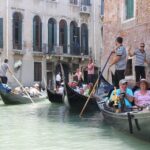
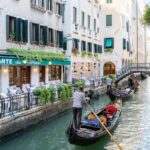
This is one of the most distinctive parts of the tour: Squero Domenico Tramontin e Figli. The guide explains what a squero is—Venice’s gondola boatyard—so you can connect the craft side of Venice to the city’s waterways.
Why I like this stop so much: it shifts you from sightseeing to systems. You see how Venice relies on specialized making—wood, design, maintenance—because the city is built for boats and movement. Gondolas aren’t a decorative detail. They’re part of an entire working infrastructure.
It’s also a great photo moment, but more importantly, it’s a place where you can understand the city’s rhythm: water arrives, work happens, boats are cared for, and life continues.
Osteria Al Squero: a Venetian aperitivo stop with boundaries
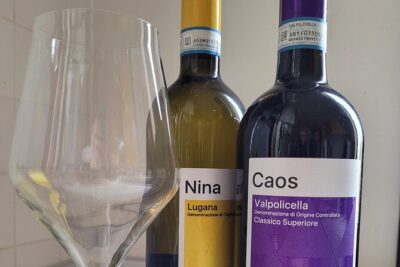
After the craft, the tour moves to Osteria Al Squero for a Venetian aperitivo-style pause (about 15 minutes). This is your break point: a chance to sit down, reset your legs, and keep the story going in a more relaxed way.
The key detail for your planning: alcoholic beverages are not included. So if you want a spritz, wine, or something stronger, budget for it. If you’re happy with a non-alcohol option, this can still be a satisfying stop without feeling like you’re paying for alcohol you didn’t ask for.
If you’ve ever felt that Venice tours “snack and run,” this one handles it better by linking the food moment to the nearby boatyard theme. You’re not just consuming. You’re staying on topic.
You can also read our reviews of more city tours in Venice


Zattere and Campo Sant’Agnese: reading Venice’s urban design
Two stops help you shift from history facts to city layout. First: Fondamenta Zattere, described as the Venetian port and canals area. Then: Campo Sant’Agnese, framed around Venetian urbanism.
At around 15 minutes each, these aren’t long museum-style stops. They’re more like walking “lessons” on how Venice organizes space. Zattere is a reminder that Venice’s identity is inseparable from its water edges—where goods, travel, and city life meet. Campo Sant’Agnese then helps you look at the street patterns and public spaces as tools, not accidents.
I like this pairing because it teaches you to notice patterns. Even if you’re not an architecture nerd, you start to see why Venice is the way it is: the canal network, the way buildings and streets funnel movement, and why squares matter so much.
Drawback to keep in mind: if you’re expecting a stop filled with indoor exhibits, these are outdoor, interpretive segments. They reward attention and good walking shoes.
Punta della Dogana and Santa Maria della Salute: merchants, Palladio, and daily tradition
Now the walk climbs into two big-name areas with clear explanations.
Punta della Dogana is presented in the context of the custom house and the merchants of Venice. That framing matters. When you understand Venice’s trade systems, buildings and waterfronts stop looking random. They start looking purposeful—designed for regulating commerce, protecting interests, and fueling wealth.
Then you reach Basilica di Santa Maria della Salute, tied to Palladio, Venetian Baroque, and life traditions. Here, the emphasis is on how art and religious architecture connect to real Venetian routines and identity—not just style.
Important for your planning: tickets inside churches/palaces are not included. So you can still appreciate the setting, but if you want to go inside, expect to pay separately.
Ponte de la Toletta and Ca’ Rezzonico gardens: Carnival and the palazzo viewpoint
Two final stops bring the themes together with a sense of Venice’s changing layers.
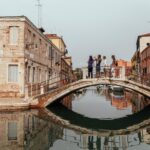
Ponte de la Toletta is connected to Venetian Carnival. You’ll get the story of how this bridge fits into that tradition, which makes it easier to notice the theatrical side of Venice even in quiet streets. Carnival in Venice is more than costumes—it’s a time when the city’s spaces take on special meaning.
Then comes Giardini di Ca’ Rezzonico, where the focus is on the Venetian palazzo. Even if you don’t tour interiors, the garden setting helps you understand the difference between a private palace’s world and the public city around it. It’s a gentle way to shift from public institutions to the social structure of the wealthy residences.
At about 10 minutes, it’s not a long stop. But as a closing note, it gives you a clearer “big picture” on how palazzi connect to Venice’s identity.
Price and timing: does $75.24 per person feel fair?
At $75.24 per person, this isn’t a budget-only walk—but it also isn’t priced like a full-day tour with major entrance fees. The value is in the guided explanations, the focused route, and the time spent in neighborhoods that often get overlooked.
A few practical notes that affect value:
- Duration is about 2 hours 30 minutes, so you’re getting a solid hit of context without exhausting your day.
- It’s a private tour, meaning it’s only your group. That tends to make Q&A and pacing easier.
- Most stops are listed as admission ticket free, but church/palace interior tickets aren’t included, so add that only if you choose to go inside.
Also keep a Venice-specific cost in mind: on certain dates, if you’re staying outside Venice and doing a day visit, you might need to pay a €5 access fee. Check the city’s rules at https://cda.ve.it for details and exemptions.
The guide approach: knowledge with a local, responsible vibe
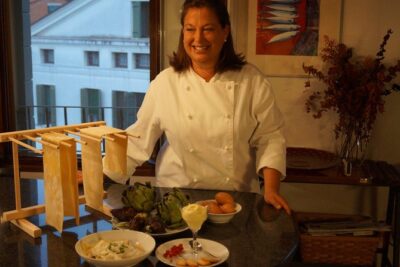
This is where the experience seems to score highest in real life. The guides (including Nicolo and Aleksandra) bring energy and structure, and they’re not just reading facts. They explain why certain spaces exist and how Venice thinks as a city.
From the way people describe the experience, there’s also a theme of responsible travel for exchange and sharing—the idea that you’re there to learn from places and people, not just consume sights. That kind of approach changes how you walk: you notice more, ask better questions, and remember the story behind the architecture.
And because the route is in Dorsoduro’s calmer lanes, you’re more likely to catch those early-day quiet streets that make Venice feel like a real city again.
Who should book this Venice historic walk with Cao Rio?
You’ll enjoy this most if you:
- Want Venice history explained through architecture and urban design, not just monuments
- Like the idea of learning key terms like squero and palazzo so you can interpret what you see
- Prefer quieter neighborhoods like Dorsoduro over the busiest tourist loops
- Want a private, guided experience with a local teaching style
You might skip it if:
- You hate walking outdoors or you’re traveling in poor weather
- You’re only interested in paid indoor attractions (since some interior tickets are not included)
Should you book it?
Yes, if you want a smarter Venice day. This walk gives you a guided understanding of how Venice is built, how traditions connect to specific places, and why Dorsoduro deserves attention. The price makes sense for the guided time and the context you get, especially with a private group format.
The decision comes down to one thing: are you happy learning Venice by walking through squares, bridges, waterfronts, and craft spaces? If that sounds like your kind of travel, this is a strong match.
FAQ
How long is the Venice Historic Walk?
It’s listed as approximately 2 hours 30 minutes.
Where does the tour start and end?
It starts at Campo Santa Margherita, 30123 Venezia VE, Italy and ends at Campo San Barnaba, 30123 Venezia VE, Italy.
What time does it start?
The start time is 9:00 am.
Is this tour private?
Yes. It’s a private tour/activity, and only your group participates.
What is included in the price?
The guide is included.
Are tickets for churches or palaces included?
No. Tickets inside churches/palaces are not included (for example, at Punta della Dogana and Basilica di Santa Maria della Salute).
Is the aperitivo stop alcoholic drinks included?
No. Alcoholic beverages are not included.
Do I need a mobile ticket?
Yes, the tour uses a mobile ticket.
Do I need to pay an access fee to enter Venice?
On certain dates, people staying outside of Venice who plan to visit for the day may need to pay a €5 access fee. Check https://cda.ve.it for details and exemptions.
What if the weather is bad?
The tour requires good weather. If it’s canceled due to poor weather, you’ll be offered a different date or a full refund.