REVIEW · VENICE
travel through time in Murano with a historic Venetian boat
Book on GetYourGuide →Operated by Venice Islands Boat Tour · Bookable on GetYourGuide
A historic boat makes Murano feel like another era. You get a guided Murano visit that mixes glassblowing and lace-making, then returns by private boat instead of squeeze-and-stand ferries.
I love two things right away: the calm, quieter water time, and the hands-on feel of watching traditional crafts instead of just passing by. You’ll also get a chance to linger on the island at a human pace, not on a ticking timetable.
One thing to consider: this is not for everyone. It’s not suitable for people with mobility issues or motion sickness, and baby carriages aren’t allowed—so think about comfort before you book.
Private historic boat instead of public ferry stress: you trade crowds for a smooth, scenic ride.
Glassblowing + lace-making in one island visit: you see two key Murano trades tied to the city’s style.
Guided by an English-speaking local: you get context while you’re looking at the craft.
Quieter Venice views along the way: you’ll see parts of the route away from the busiest tourist bottlenecks.
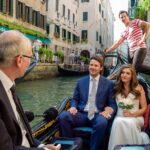
A romantic, flexible moment: it’s easy to make this feel like an anniversary or proposal outing.
In This Review
- Why a historic Venetian boat changes Murano
- The 2-hour plan: what happens from Venice to Murano
- Step 1: Meet near a public fountain and find the boat
- Step 2: Boat transfer across the lagoon, away from ferry crush
- Step 3: Murano guided visit with context, not just showroom time
- Step 4: Lace-making time—Murano’s delicate side
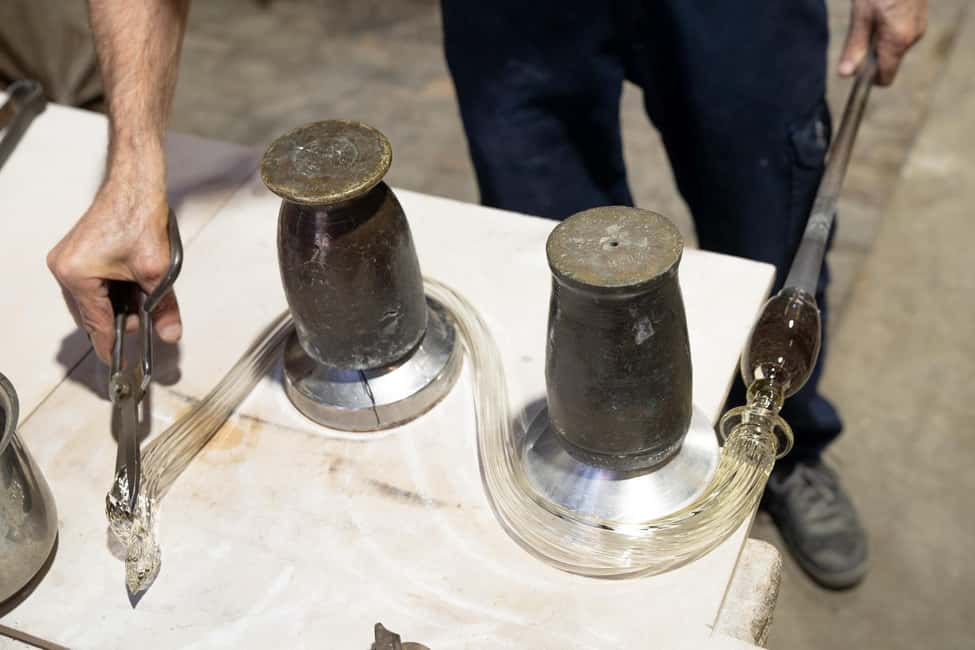
- Step 5: Glassblowing demonstration you can actually watch
- Step 6: Extra island wandering, at a human pace
- Step 7: Return by private boat to Venice
- What you’ll love most: glass, lace, and the quiet ride
- 1) The glassblowing demonstration is built into the experience
- 2) Lace-making adds a second layer to Murano
- 3) The historic boat turns transit into part of the magic
- A small but real consideration
- Price and value: is $106 per person a smart buy?
- Who this Murano boat tour fits best (and who should skip it)
- Getting the most out of your visit
- Should you book this Murano historic-boat experience?
- FAQ
- How long is the Murano boat tour?
- How much does it cost?
- Where do we meet the tour?
- Is this tour private?
- What languages are available for the guide?
- What’s included in the tour?
- Is it allowed for baby carriages and people with mobility issues?
- Can I cancel for a refund?
Why a historic Venetian boat changes Murano
Murano is close to Venice, but it can feel worlds away once you’re actually moving through the lagoon with space to breathe. This tour’s biggest advantage is the boat itself: you’re not crammed onto a public ferry. You’re on a private setup with the kind of “old Venice” vibe that makes the island feel earned, not borrowed.
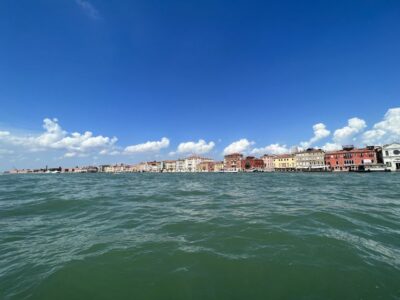
The historic-boat touch matters more than you’d think. When you’re on a proper boat with room for people to look around, the trip becomes part of the experience. You notice the canals, the shoreline, and the rhythm of island life instead of focusing on the next step in a crowded queue.
The craft stops also benefit from the pacing. Murano’s glass and lace aren’t just photos. With a guide, you’re able to understand why these traditions lasted, how they’re practiced, and what you’re seeing while the demonstration is happening.
One practical note: because this is a boat transfer plus walking on the island, it’s a better fit if you feel steady on your feet and don’t get queasy on the water.
The 2-hour plan: what happens from Venice to Murano
This is a short tour by design: around two hours total. That means you get a focused hit of Murano without losing half your day in transit and waiting. It’s the kind of experience that works well early in your trip when you still have energy, or later when you want something special but time-efficient.
You can also read our reviews of more boat tours in Venice



Step 1: Meet near a public fountain and find the boat
You meet at a public fountain. The operator makes it easy to spot the ride because the boat is unmistakable. In practice, I’d arrive a few minutes early so you can calmly identify the exact dock/boat setup and avoid that last-minute scramble that can ruin any “special trip” mood.
Step 2: Boat transfer across the lagoon, away from ferry crush
Instead of hopping a crowded public ferry, you depart Venice and set sail toward Murano. This is one of those details that sounds minor until you’ve done it. Public ferries can be chaotic, loud, and slow-moving. Here, you’re buying back comfort and control—space to look, space to talk, and no need to fight for the best angle.
This is also where the “lesser-known Venice corners” factor shows up. You’re still in Venice territory, but you’re not glued to the most overused routes. That helps you feel like you’re experiencing Venice as a working water city, not just a sightseeing corridor.
Step 3: Murano guided visit with context, not just showroom time
Once you reach Murano, you’re guided. The tour is built around traditional island crafts and what they mean historically and culturally. You’ll visit Murano and learn about the traditional art of lace-making, then continue with the island craft experience through the glass route.
What I like about this structure is that it doesn’t treat Murano like one long shopping stop. You get explanation while you’re standing in the right places, so your time feels more meaningful than a quick walk-and-look.
Step 4: Lace-making time—Murano’s delicate side
Murano is famous for glass, but the lace side is part of the island’s identity too. During this tour segment, you’ll discover the traditional art of lace-making. Expect to slow down and pay attention to fine detail. The point isn’t to race through a craft display; it’s to understand the skill involved and how long it takes to create work like this.
If you love handmade processes, this is a strong contrast to the glass portion. Lace looks light, but it’s technical. Glass looks bold, but it’s also precise. Together, they show you different sides of the same culture of craftsmanship.
You can also read our reviews of more historical tours in Venice






Step 5: Glassblowing demonstration you can actually watch
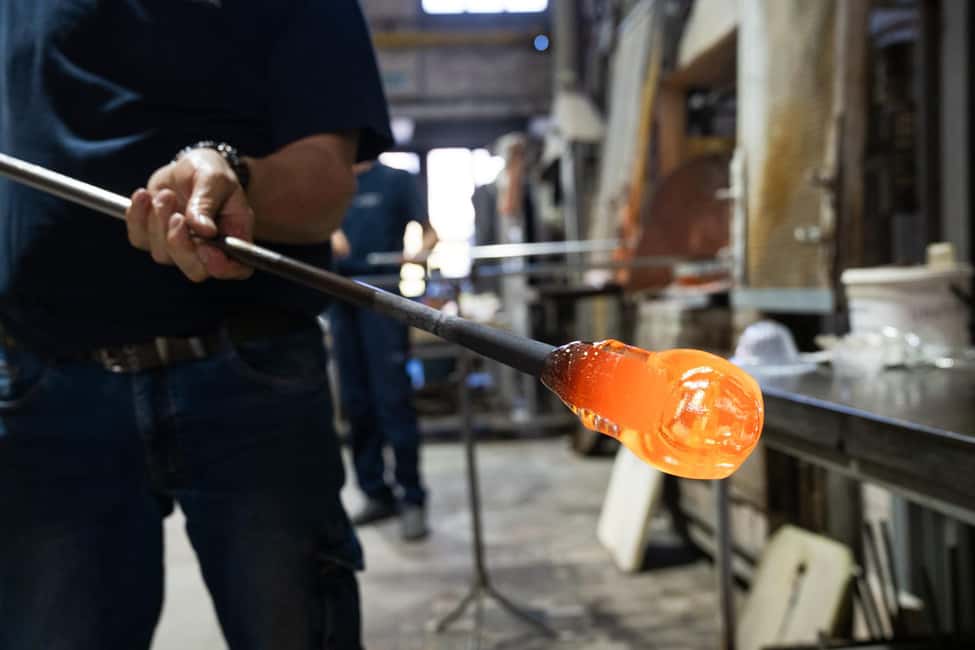
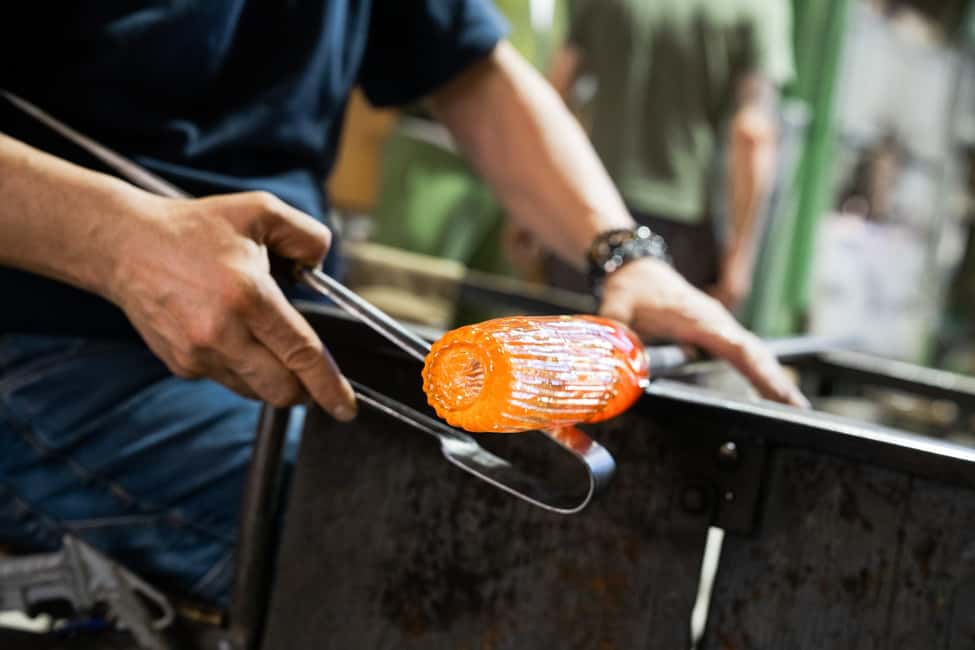
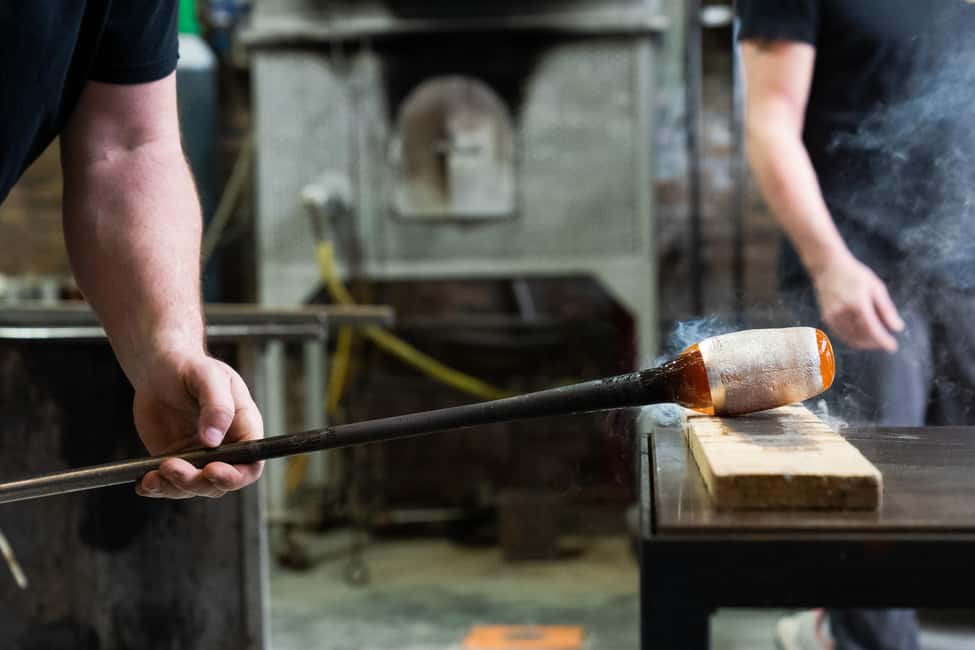
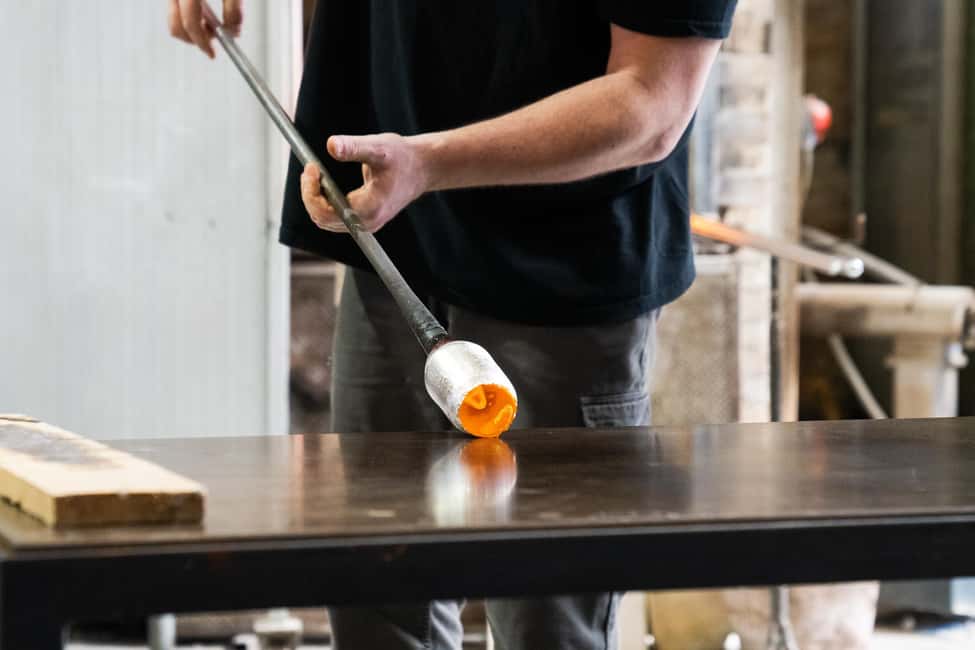
Then comes the main event: you explore Murano and watch a captivating glassblowing demonstration. This is where Murano’s reputation turns real. A live demo gives you timing, heat, technique, and the “hands-on” energy you can’t replicate from a store window.
When a guide is with you, it also helps you read what you’re seeing. You’re not just watching a performer—you’re understanding what skills matter and why specific methods are used. That turns the demo into a learning moment instead of a spectacle you forget by dinner.
Step 6: Extra island wandering, at a human pace
You also get time to explore Murano. The goal is to see the island beyond the demo room. That’s where you can absorb the mood: the walkable streets, the artisan atmosphere, and the way Murano feels more local than tourist-heavy Venice.
On at least one recent experience tied to this tour, there was an addition of Burano alongside Murano. Don’t assume it’s included on every departure, but it’s a useful clue: sometimes the experience is flexible depending on the operator and timing.
Step 7: Return by private boat to Venice
After the craft time, you head back by boat to Venice. Because you’re on a private transfer, the return feels smoother and more predictable than public connections. It’s a nice way to end—hands still smelling faintly like your imagination of hot glass, and your camera battery finally cooling down.
What you’ll love most: glass, lace, and the quiet ride
If you’re deciding whether this is worth it, focus on what makes the tour feel different from doing Murano on your own.
1) The glassblowing demonstration is built into the experience
A lot of Murano day trips are just: go, wander, maybe see something. Here, glassblowing is part of the plan, so you’re not gambling on whether you’ll catch a demo at the right time.
And because you’re on a guided visit, you get context that helps you notice details you might otherwise miss—technique, timing, and how the craft is passed down.
2) Lace-making adds a second layer to Murano
I appreciate that the experience doesn’t only chase the biggest headline in Murano. Lace-making gives you a different angle on island tradition. It also changes how you walk through the island: you’re looking for craft clues, not just glass shops.
That pairing is one reason the tour works well even if you’ve seen glass before. Lace can refresh your perspective fast.
3) The historic boat turns transit into part of the magic
The private boat ride is more than convenience. It’s atmosphere. You’ll be able to enjoy the water time without the constant friction of ferry lines, crowds, and packed seating.
There’s also a practical benefit: the ride helps you settle your body before the island walking. You won’t feel like you just wrestled your way into the experience.
A small but real consideration
This is a boat-and-walk plan, and it’s not suitable for everyone. If you’re sensitive to motion, you’ll likely want to skip it. If you have mobility limitations, this setup isn’t described as accessible. And if you’re traveling with a baby carriage, note that it’s not allowed.
Price and value: is $106 per person a smart buy?
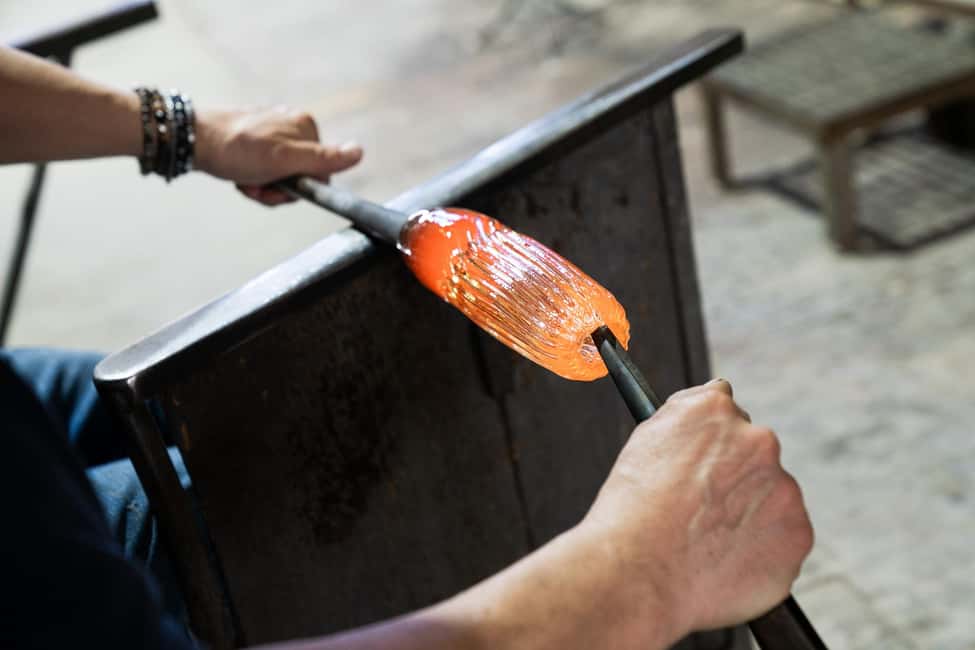
At $106 per person for a two-hour private outing, you’re paying for three things: (1) the private historic boat transfer, (2) an English-speaking guide, and (3) a planned craft experience that includes glassblowing plus lace-making.
If you were to DIY, the ferry cost alone wouldn’t equal the rest. You’d still need time to figure out timing for demos, choose where to go, and manage the pace yourself. Here, the schedule is built around the parts that make Murano worth the trip.
Where it becomes excellent value is when your priority is comfort and craft focus. If your goal is quiet time, guided context, and you don’t want to spend your day juggling connections, this private format can feel like a bargain compared to the stress of doing it piecemeal.
When it might not be worth it: if your schedule is wide open and you’re fully comfortable navigating Murano independently, you could spend less. But you’ll lose the “everything handled” feeling and the benefit of not dealing with crowded public ferries.
Who this Murano boat tour fits best (and who should skip it)
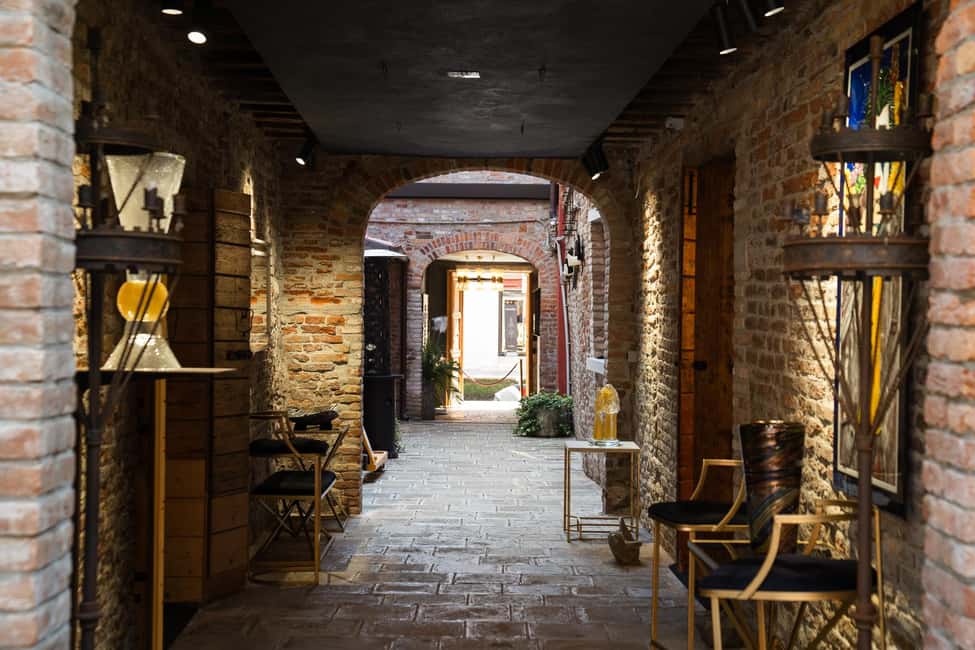
This tour is a strong match if you want a classic Venice-side experience with a romantic tone. It’s also described as a good fit for anniversary trips and even proposals—because the private setting makes it easy to have a personal moment without feeling like you’re sharing space with strangers.
It’s also good for people who like guided context. Murano rewards attention. A guide helps you interpret what you’re seeing while you’re still there, instead of leaving with only a memory of impressive glass.
This is less ideal if any of these apply:
- You get motion sickness
- You have mobility limitations
- You need baby carriage access
- You have health limitations related to altitude or age considerations (it’s not suitable for people over 95 years)
Getting the most out of your visit
You’ll get more from this tour if you come with a plan for how you’ll spend your energy.
- Go in with craft focus: even if you love shopping, prioritize watching the demonstration and asking questions.
- Wear comfortable shoes: you’ll have island exploring after the boat ride.
- Bring something simple for photos: glass catches light fast, and you’ll likely want a few angles.
- If you’re celebrating, tell the guide in advance: the tour is designed for private moments, and a good guide will help you make it feel special.
One more helpful detail from past experiences: a guide named Khalil has been specifically praised for being available during the historic-boat portion and for going with the flow to match the group’s activity needs. That kind of flexibility can make a short tour feel extra smooth.
Should you book this Murano historic-boat experience?
Book it if you want Murano in a controlled, comfortable format: private boat, guided craft stops, and a glassblowing demonstration with less hassle than public ferries. The total time is short, so it’s also a smart way to add Murano without burning your entire day.
Skip it if you know you’re prone to motion sickness or you need accessibility features that aren’t described here. And if you’re traveling with a baby carriage, plan another option since it’s not allowed.
If you’re the type who likes your Venice days to feel personal instead of crowded, this one tends to land well—and Murano’s crafts make the time feel earned.
FAQ
How long is the Murano boat tour?
The duration is 2 hours.
How much does it cost?
The price is $106 per person.
Where do we meet the tour?
You meet at a public fountain. The boat is described as unmistakable, so you should be able to identify it.
Is this tour private?
Yes, it’s a private group.
What languages are available for the guide?
The live tour guide is available in English, Italian, and Spanish.
What’s included in the tour?
Included are round-trip boat transfer from Venice to Murano, a tour and glassblowing demonstration in Murano, and an English-speaking guide.
Is it allowed for baby carriages and people with mobility issues?
Baby carriages are not allowed. The tour is not suitable for people with mobility impairments.
Can I cancel for a refund?
Free cancellation is available up to 24 hours in advance for a full refund.