REVIEW · VENICE
Private Tour: Venice Rialto Market, San Polo and Frari Church Walking Tour
Book on Viator →Operated by Bucintoro Viaggi · Bookable on Viator
Venice rewards slow looking, and this tour is built for that. You start with the working heart of the city at the Rialto market, then connect it to the Frari Church where Renaissance and neoclassical art meet real local life. It’s a private 2-hour walking route that keeps you moving without feeling rushed.
Two things I really like: you get expert English commentary while the guide helps you make sense of what you’re seeing, not just where to stand for photos. And because it’s private (up to 6), the pace can flex to your group—smaller groups often get more tailored attention.
One consideration: the Frari Church entry costs extra, and on Sunday mornings church access isn’t possible (and Rialto market is closed Sunday and Monday), so what you’ll see can shift with the calendar.
In This Review
- Key highlights worth planning around
- Why this Rialto–San Polo–Frari route works in just two hours
- Price and value: what you’re paying for ($290.29 per group)
- Getting there: Campo San Luca as your easy anchor point
- San Polo’s quiet square: where Venice feels more local than postcard
- Mercati di Rialto: shopping history you can smell and hear
- Ponte di Rialto: the icon, explained through trade
- Chiesa di San Giacomo di Rialto: a small church with an age claim
- Basilica dei Frari: Titian, Bellini, and Canova inside (when you can enter)
- The practical catch: entry fees and day-of-week access
- What to expect from the guide around the Frari
- Private guide energy: the difference between hearing facts and getting answers
- Photos, crowds, and comfort on a two-hour walk
- Who this tour is best for (and who should skip it)
- Should you book this private Rialto and Frari tour?
- FAQ
- How long is the private walking tour?
- What group size is this private tour for?
- Is the tour offered in English?
- Where does the tour start and end?
- Are hotel pickup and drop-off included?
- Are entrance fees included for the Frari Church?
- Can I visit the churches on Sundays?
Key highlights worth planning around
- Rialto market focus: see where Venetians shop for fish and produce as part of daily life
- San Polo + quieter squares: a gentler way to understand the neighborhoods between big sights
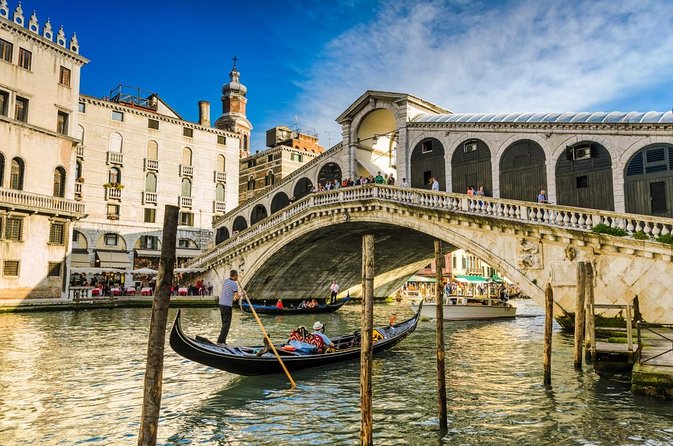
- Rialto Bridge history stop: trade and commerce context right next to one of Venice’s icons
- Frari Church art stops: Titian and Bellini paintings, plus Canova’s work inside (when entry is possible)
- Private, small-group attention: your guide can adjust route and questions to you
- Extra entry fees for Frari: budget per person for church tickets that aren’t included
Why this Rialto–San Polo–Frari route works in just two hours
Two hours in Venice is short enough that you’d normally just bounce from one landmark to the next. This tour is different: it links Venice’s two big stories in the same walk—commerce and art—so your brain actually connects the dots.
You’ll start in central Venice near Campo San Luca, move through the San Polo area, then hit the Rialto district for market energy and trade history. After that, you end at the Basilica di Santa Maria Gloriosa dei Frari, where the building and the artworks explain why Venice kept investing in beauty as its economy grew.
For me, the smartest part is that it’s not only “look at this.” It’s “look at this and understand why it matters,” while keeping the walking reasonable for a 2-hour format.
You can also read our reviews of more walking tours in Venice


Price and value: what you’re paying for ($290.29 per group)
The price listed is $290.29 per group (up to 6 people). That matters because you aren’t paying per head, so the cost per person drops fast if you’re traveling with friends or family.
Where the value comes from is the guide experience: you’re paying for a professional guide and a private walking format that’s designed to give you context on Rialto, San Polo, and the Frari Church. In a city like Venice, a good guide also helps you avoid wasting time with guesswork—where to look, what to notice, and how the pieces fit together.
One more real-world angle: the tour time is short, but the sights are concentrated. You’re buying efficiency, not just narration.
Just keep in mind that Frari Church entry fees are not included, so plan for those extra costs when budgeting.
Getting there: Campo San Luca as your easy anchor point
This tour meets and ends back around Campo San Luca, between St. Mark’s Square and the Rialto area. That’s a practical choice: you’re staying in the central zone, so it’s easier to connect to other plans after the walk.
There’s no hotel pickup or drop-off included, so you’ll want to factor in how you’ll reach the start area. The good news is that it’s near public transportation, and most travelers can participate since it’s a walking tour focused on central Venice.
In practice, I’d suggest arriving a few minutes early. Venice timing can be quirky, and you’ll feel less rushed once you meet your guide.
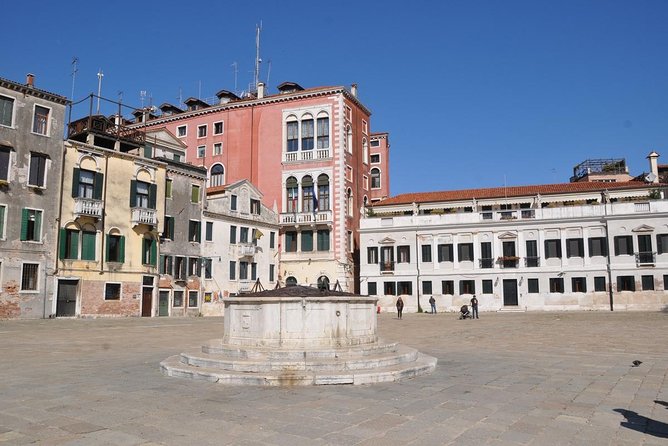
San Polo’s quiet square: where Venice feels more local than postcard
Your first stop is San Polo, with time at a small square-like area where you can get a taste of the more authentic rhythm of the city. This isn’t a “big monument” moment, which is exactly why I like it.
San Polo works well at the start because it gives you a mental reset. Instead of heading straight to the crowds, you start with a quieter space where the architecture and street scale make sense before the market and bridge area kick into gear.
If you like photographing street details—doorways, small canals, the way Venetians move through their neighborhoods—this is a nice early warm-up.
Mercati di Rialto: shopping history you can smell and hear
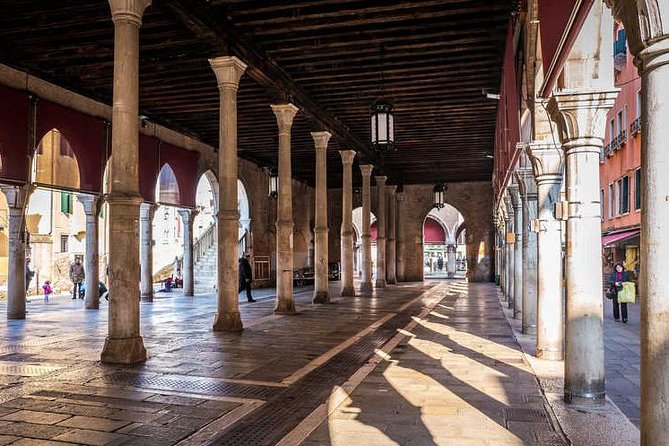
Then you move into Mercati di Rialto, where the point isn’t theory. It’s the daily market world—fish, produce, and specialty goods that locals buy for their homes.
This is one of those Venice experiences that instantly makes the city feel real. You’re not just seeing buildings; you’re seeing the supply chain of the city at street level. With an English guide talking while you walk, you get practical context on what you’re looking at and why it’s gathered here.
The market stop is scheduled for around 20 minutes. That’s enough time to understand the layout and see how stalls operate without burning your whole two hours on one spot.
Important timing note: the Rialto market is closed every Sunday and Monday, so if you’re traveling then, you should expect the experience to change around that fact.
You can also read our reviews of more private tours in Venice

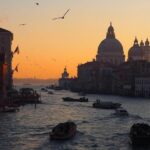
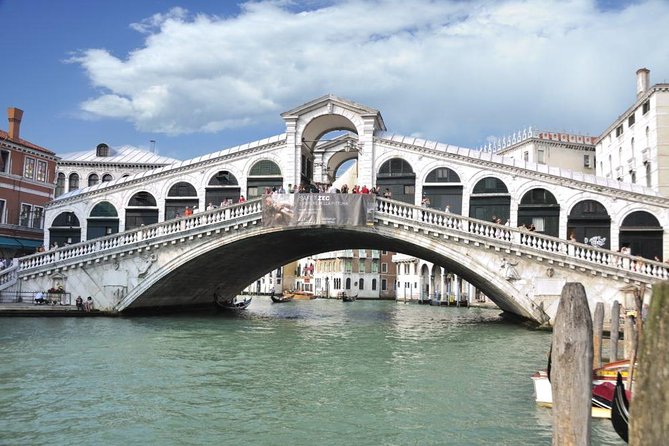
Ponte di Rialto: the icon, explained through trade

From the market zone, the tour brings you to Rialto Bridge. This is where the tour shifts from sensory Venice to story Venice.
Rialto Bridge isn’t just a photo target. It’s presented as a symbol of the commercial heart of the ancient Republic of Venice—exactly the theme you’ve been building since you entered the market area.
That context makes a difference. Instead of treating the bridge like a single landmark, you start viewing it as part of the city’s trade system: where goods moved, why the area mattered, and why the surrounding neighborhood grew around commerce.
This stop is also around 20 minutes, which is a good length for getting the history while still having time for the art stop.
Chiesa di San Giacomo di Rialto: a small church with an age claim
Next is Chiesa di San Giacomo di Rialto, located next to the Rialto Bridge, with time to take it in on foot.
The tour frames it as possibly the oldest church in Venice. Even if you treat that as a “tradition/claim to know about” rather than a hard statistic, it’s still a meaningful stop because it reminds you that Venice’s religious architecture sits inside the same crowded, commercial geography as the market.
It’s only about a 10-minute visit, so it’s not meant to replace the big art moments. It works as a quick texture stop between bridge energy and the Frari Basilica experience.
Basilica dei Frari: Titian, Bellini, and Canova inside (when you can enter)
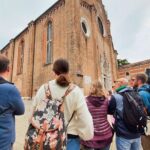
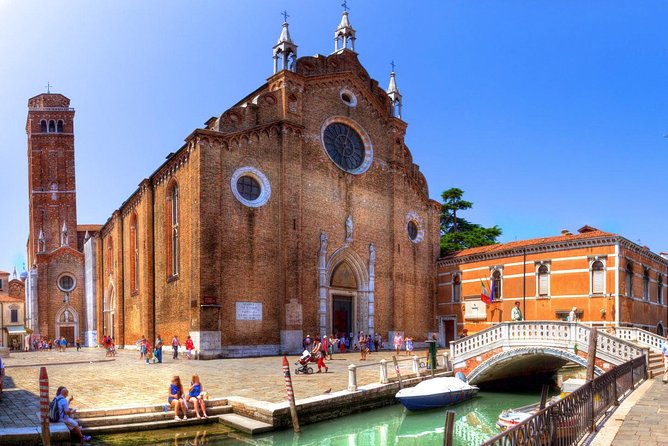
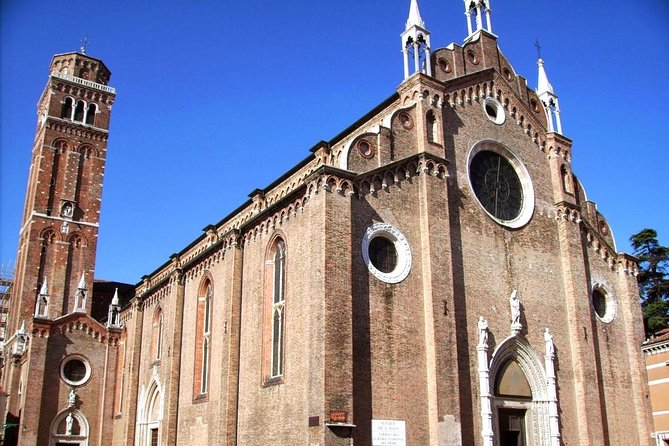
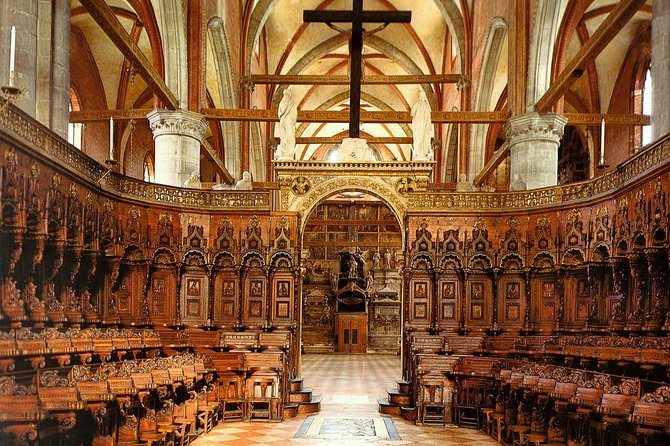
The highlight here is the Basilica di Santa Maria Gloriosa dei Frari. The exterior is described as impressive Gothic, and the inside is where the art weight lands.
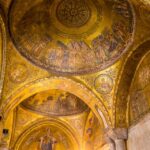
The tour’s plan includes key works by Renaissance masters Bellini and Titian, plus an altarpiece and/or funeral monument linked to neoclassical sculptor Canova. This is the moment where Venice shifts from street-level trade to long-term investment in major art and funerary monuments.
The practical catch: entry fees and day-of-week access
Frari Church ticket costs are not included. The extra fees are listed with small per-person amounts (including ticket costs shown as approximately €2.50–€3, plus a €3 Basilica admission fee). You’ll want to budget for these when planning your overall trip cost.
Also, Sunday mornings can’t include church entry due to religious functions. And note that the market is closed on Sundays and Mondays, so if you’re visiting on those days, you’ll likely see more exteriors and less interior time than the “ideal” version of the route.
What to expect from the guide around the Frari
One thing I’d be ready for: even when the tour is designed to include inside viewing, access can depend on local rules for what guides can show and when. The tour is set up to explain the artworks and the building’s significance, but how long you spend inside can vary by day and permissions.
If interior art time is a must for you, Sunday plans are the tricky part.
Private guide energy: the difference between hearing facts and getting answers
A big reason this tour gets strong scores is how flexible the guiding feels. The format is private, so your guide can respond to your questions instead of pushing a one-size-fits-all script.
Guides involved with this experience include people like Barbara, Massimo, and Maria, and the vibe from their approach (based on the kind of feedback this tour attracts) is consistent: prompt, personable, and willing to adjust the route to what your group has already seen.
That flexibility shows up in small ways:
- If you’re already familiar with some sights, your guide can spend more time on what you don’t know.
- If your group moves slower, the guide keeps things comfortable rather than snapping you into a rigid line.
- If you’re shopping or trying to find a next stop, your guide can point you toward how the area works so you don’t waste time wandering blindly.
In Venice, that kind of help is worth its weight in calm legs.
Photos, crowds, and comfort on a two-hour walk
This is a walking tour, so you’ll want to plan like Venice weather and surfaces matter. Even when the itinerary is short, expect uneven stone and lots of stops and turns.
Two practical tips that make this kind of route easier:
- Wear shoes that handle cobblestones without drama.
- Bring a small layer for wind and shade changes—central Venice can feel different block to block.
For crowds, the guide’s job is timing and routing. The tour description aims for a smooth flow through the Rialto area, and private guiding usually helps you avoid getting stuck behind a slow-moving bottleneck at the worst possible moment.
If you’re traveling during a period with festivals or special events, it can get busier. Having a guide who can steer you around heavy concentrations can make the difference between enjoying the experience and feeling annoyed by the crowd.
Who this tour is best for (and who should skip it)
This is a strong fit if you want:
- A focused first-time Venice walk that still feels grounded in daily life
- A short route with big payoff: market, bridge context, and high-art at the Frari
- A private guide for questions and a more relaxed pace
It’s also a good option for groups up to 6 where you can share the group cost. And if you’re curious about how Venice worked—commerce, neighborhood texture, and major church art—this hits your interests in one go.
You might want to think twice if:
- You’re traveling on Sunday morning and your top priority is interior church access
- You’re the type who hates paying extra entry fees on top of the tour price (Frari tickets are separate)
- You’re booking as a single traveler only, since there’s a minimum of 2 people per booking
Should you book this private Rialto and Frari tour?
Yes, if you want a smart, time-efficient way to connect Venice’s daily life with the art inside one of its major churches. The tour’s best value is the pairing: market and trade context at Rialto, then a direct artistic payoff at the Basilica dei Frari.
Book it especially if you’re traveling with someone who shares your interests in real neighborhood life, not just landmarks. And if you’re aiming for the Frari interior experience, avoid Sunday mornings when possible so you’re not working around access limits.
Finally, because this one tends to get booked well ahead, I’d lock in your date early if you’ve already picked your Venice trip window.
FAQ
How long is the private walking tour?
It lasts about 2 hours.
What group size is this private tour for?
It’s priced per group for up to 6 people, and it’s a private experience only for your group.
Is the tour offered in English?
Yes, it’s offered in English.
Where does the tour start and end?
It starts and ends back around Campo San Luca, between St. Mark’s Square and the Rialto area.
Are hotel pickup and drop-off included?
No, hotel pickup and drop-off are not included.
Are entrance fees included for the Frari Church?
No. Frari Church (Basilica di Santa Maria Gloriosa dei Frari) entrance fees are not included, and you should expect to pay additional ticket costs per person on site.
Can I visit the churches on Sundays?
Sunday mornings aren’t possible for church entry due to religious functions. Also, Rialto Market is closed every Sunday and Monday, so plans around those stops change.