REVIEW · VENICE
Private tour on Murano Island: discover the art of Artisanal Glassblowing
Book on Viator →Operated by CITY TOURS CO. LTD · Bookable on Viator
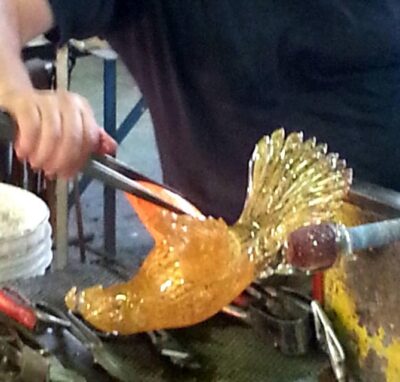
Fire and beauty share the same air, and you get to watch Murano glassblowing up close while hearing Venice and lagoon stories from local guides like Syria and Nicola. I also love the private water-taxi pacing—it makes your time on Murano feel purposeful, not like you’re chasing schedules between docks.
One thing to keep in mind: after the demonstration, expect some factory-shop pressure to buy, and a glass-making demo can feel brief if you’re hoping for hours of uninterrupted watching.
In This Review
- Key things to know before you go
- Why Murano still feels like a workshop, not a stage
- From St. Mark’s area to Murano by watertaxi (the good kind of logistics)
- The glassblowing demonstration: what’s actually worth your attention
- Murano on foot: myths, myths, and the Church of San Donato
- If you add Burano: lace, cookies, and a second artisan world
- Price and value: what you’re paying for at $108.23 per person
- Who should book this Murano glassblowing private tour
- Tips to make your 3 hours feel like more than 3 hours
- Should you book?
- FAQ
- FAQ
- How long is the Murano Island glassblowing tour?
- How do you travel between Venice and Murano?
- What happens at the glass factory?
- Is Burano included?
- When can you visit the Church of San Donato?
- Are food or drinks included?
- What is the cancellation policy?
- Is there a Venice access fee on some days?
Key things to know before you go
- Private guide, small-group feel: You get a personal walkthrough of Murano’s sights and craft story.
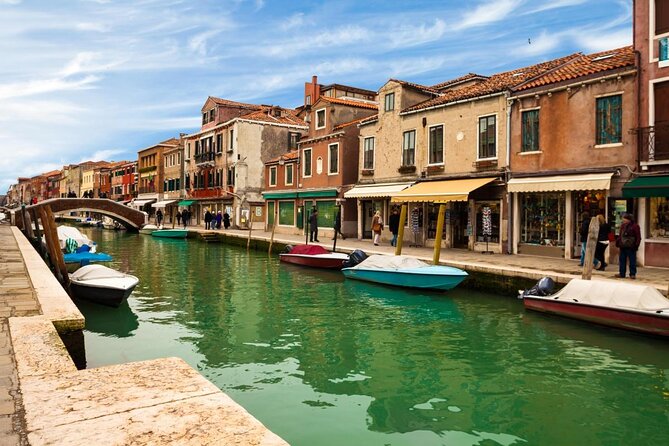
- Boat ride through the lagoon: You pass San Michele’s Island, the Venice cemetery, on the way over.
- High-end glass demo: You watch artisans shape molten glass into a finished object you can see up close.
- Murano walking time, not a sprint: You get narrated myths and a guided walk afterward.
- San Donato Church is included on scheduled days: Visiting windows vary by day of week.
- Burano is an optional extra: If you add it, the day can include lace-and-cookies style artisan stops.
Why Murano still feels like a workshop, not a stage

Murano has a different rhythm than Venice. Instead of only canals and churches, you’re surrounded by the work behind the famous products. During the glass demonstration, you’ll notice the furnace heat, the smells, and the sounds tied to glassmaking—then the artisan’s hands take over, turning molten material into something precise and personal.
That’s the core of this tour: it’s not just a walk past souvenirs. You’re learning how Murano glass became a symbol of Venetian artistry, shaped by skills passed down over generations. The tour guide helps you connect the dots between what you see in the workshop and what you’re walking through on the island afterward.
You’ll also get a human layer. Guides such as Syria, Nicola, Vittorio, and Giovanni are known for mixing local life with craft history, which makes Murano feel less like a checklist and more like a place with real people behind it.
You can also read our reviews of more private tours in Venice

From St. Mark’s area to Murano by watertaxi (the good kind of logistics)
The tour starts at Venice Tours on Calle de le Rasse, then ends back at St. Mark’s Square. That matters because Venice can be a maze when you’re short on time, and the lagoon boat changes everything. Instead of dealing with long waits or crowded routes, the water-taxi to and from Murano is part of your guided plan.
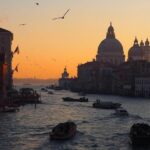
On the boat, you’ll also see the lagoon’s “why here” details. One standout moment is passing in front of San Michele’s Island—the Venice cemetery. It’s a reminder that these islands aren’t only scenic. They’re functional parts of Venetian life, with history written into the landscape of the lagoon.
Practical note: even with a private tour description, pay attention to timing on the return boat. One unhappy scenario reported was a delayed pickup that left people feeling stuck on Murano longer than planned. So if you’re catching a later train or ferry, build in a small buffer after the tour ends.
The glassblowing demonstration: what’s actually worth your attention
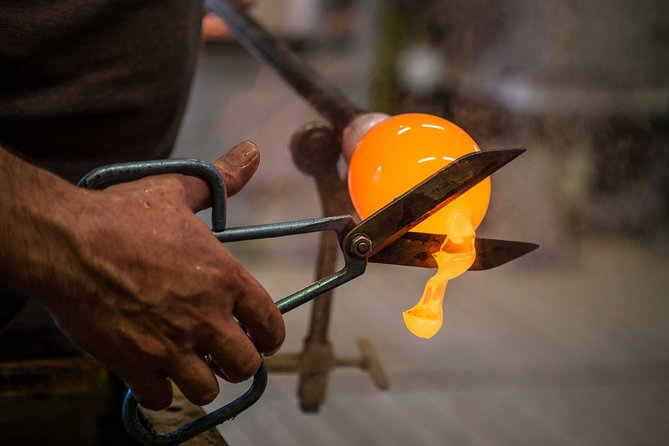
The heart of the experience is the glass-making factory stop on Murano. You’ll watch the artisan shape molten glass in front of you—hands working quickly, tools moving in practiced steps, and the piece changing right before your eyes.
A few details that help you set expectations:
- The demonstration is real craft work, but it may be short. In some reported cases, the visible glassblowing portion was around 10 minutes total.
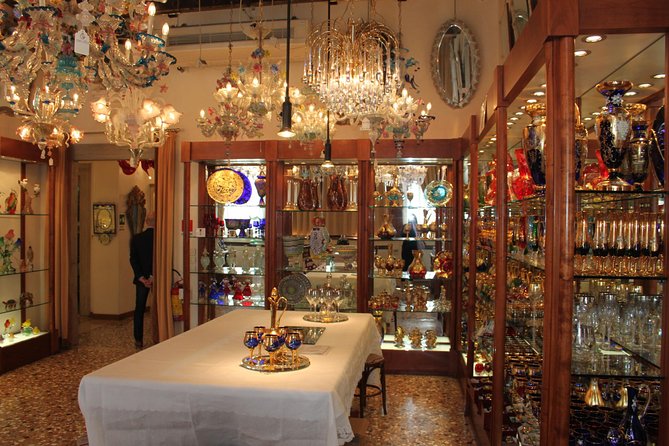
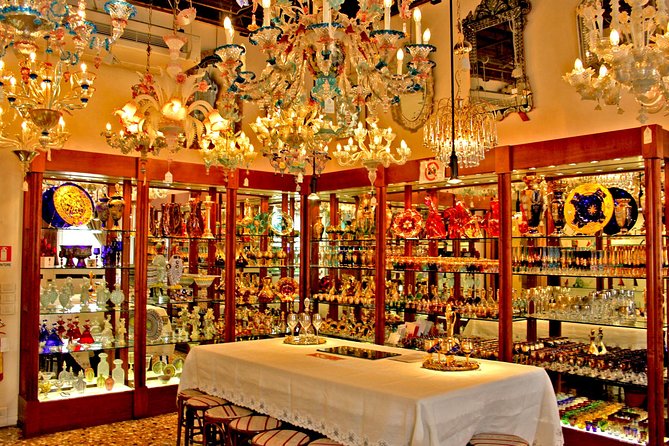
- You’re usually encouraged to look closely at finished examples afterward. That’s where purchases happen, and it’s also where some people feel the day turns into a showroom visit.
I like the way the guide frames this part. Instead of treating it like magic tricks, you get context for why Murano glass is famous for precision and design. If your goal is to understand the craft and see how the process feels up close, this stop delivers.
Also watch for refreshment moments. Some versions of the day include a cool drink or even prosecco style welcome touches, which can make the heat on the island feel more manageable.
Murano on foot: myths, myths, and the Church of San Donato
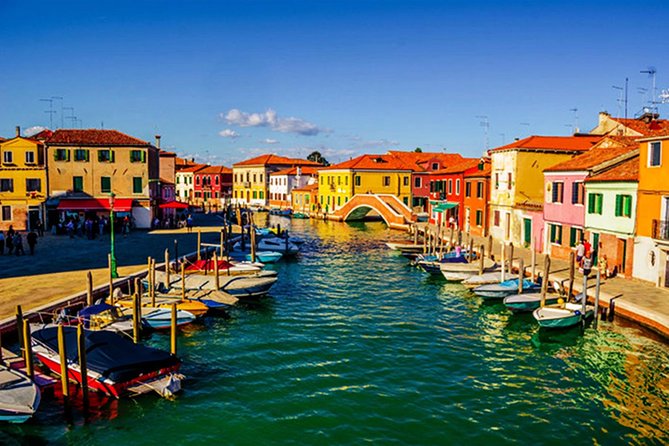
After the demonstration, you shift into Murano walking tour mode. This is where you slow down. You’re not just moving between shops. Your guide narrates stories and myths connected to Murano’s relationship with glassmaking and Venetian power in the lagoon.
You’ll also visit standout architecture, including the Church of San Donato. This church is a symbol of the island and a key reason Murano isn’t only about glass. The tour includes this stop on scheduled days, so it’s worth planning around the calendar:
- Monday–Saturday: 9am–12pm and 3:30pm–7pm
- Sunday: 3:30pm–7pm
There’s also a chance to admire the Murano Cathedral during the walking portion. In plain terms: you get to combine workshop inspiration with island architecture, which helps the day feel like a full slice of Murano instead of a single stop.
One small reality check: Murano is compact but you’ll still want comfortable shoes. The island walk is part of the value here, so don’t show up dressed for an effortless promenade.
If you add Burano: lace, cookies, and a second artisan world
Burano is included only if you select that option. If you do, you’ll get a chance to spend time on another lagoon island known for its artisan crafts.
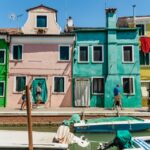
The Burano experience in this format leans toward hands-on artistry. In reported versions of this tour, you might see lace making and sample traditional cookies. That shifts the day from one craft to a craft cluster—glass on Murano, lace (and sweet breaks) on Burano.
Why this optional add-on can be worth it: it helps you understand how Venetian craft culture is bigger than one product. Murano is the glass brand, but Burano shows the human side of delicate work—fingers moving fast, detail that’s hard to photograph, and a sense that these traditions can be fragile.


Price and value: what you’re paying for at $108.23 per person
At around $108.23 per person for about 3 hours, you’re paying for three things at once:
- A private guide who connects the craft, the island, and the Venice context.
- Pre-arranged boat transportation (watertaxi) to save you time and hassle.
- A factory demonstration plus guided walking time.
That combo is often better value than trying to stitch the day together yourself—especially if you’re short on time and don’t want to gamble on timing between water connections.
Where the value can drop is when expectations are mismatched:
- If you wanted maximum time purely watching glassmaking, you may feel the demo window is brief.
- If you hate showroom sales energy, you should treat the factory-shop portion like a visit you can manage. Decide what you want to do before you’re standing in front of the most expensive items.
The tour is best when you come for craft and story, not just for bargain shopping.
Who should book this Murano glassblowing private tour
This is a good fit if you:
- Want a guided Murano walking tour with myths and real place context.
- Like the idea of learning through observation—watching glass shaping in person.
- Prefer a private guide who can adjust pace to your group and answer questions.
- Enjoy artisan culture and want to buy only if it feels right, not out of pressure.
It’s less ideal if you:
- Only care about wandering shops and don’t want a structured timeline.
- Are hoping for hours of glassmaking video-style observation without any showroom stop.
- Have strict timing pressure on the return boat. In that case, you’ll want to plan buffer time.
Tips to make your 3 hours feel like more than 3 hours
A few practical moves can turn this into a smoother day:
- Wear comfortable shoes. The walking portion is meaningful.
- Plan for warmth. Glassmaking areas can run hot, and Murano weather can be sunny.
- Go in with a spending mindset. Murano items can be pricey, and the tour is set up to lead you into purchasing.
- Ask the guide one or two focused questions early. If you get info about process and materials upfront, the showroom and finished pieces make more sense.
Also: bring your curiosity. Murano is full of small details, and the guided narration is where you’ll get most of the “aha” moments.
Should you book?
If you want a well-paced, guide-led Murano day that mixes glassblowing, architecture, and lagoon scenery by boat, this is an easy yes. The private format and narrated walk add real value beyond the demonstration alone.
Just be honest about what you want most. If you’re chasing the longest possible factory watching time or you dislike sales pressure, consider keeping your expectations tight—or pairing Murano with extra independent time before or after this tour so the day doesn’t feel rushed.
FAQ
FAQ
How long is the Murano Island glassblowing tour?
It’s about 3 hours.
How do you travel between Venice and Murano?
You travel by boat/watertaxi to Murano and back to Venice as part of the guided experience.
What happens at the glass factory?
You visit a glass-making factory on Murano to see a glass demonstration, and you’ll also have a guided Murano walking tour afterward.
Is Burano included?
Burano is included only if you select the option for it.
When can you visit the Church of San Donato?
San Donato’s visit hours are Monday to Saturday (9am–12pm and 3:30pm–7pm) and Sunday (3:30pm–7pm).
Are food or drinks included?
No. Food and drinks are not included.
What is the cancellation policy?
Free cancellation is available up to 24 hours before the experience starts for a full refund.
Is there a Venice access fee on some days?
On certain dates, day visitors coming from outside Venice may be required to pay a €5 access fee. For details and exemptions, check https://cda.ve.it.