REVIEW · VENICE
Private Tour: Venice Art and Architecture Walking Tour
Book on Viator →Operated by Venice Events srl · Bookable on Viator
Venice has a way of rewarding you when you step off the main routes. This private 2-hour walking tour focuses on art and architecture in calmer spots, with stops like San Giovanni e Paolo’s stained glass and the Miracoli church. I like how it steers you into side streets and churches you’d probably miss on your own, and I also like the strong guide-led explanations that connect buildings to Venetian politics and culture. One possible drawback: the biggest time chunk is inside San Giovanni e Paolo, so if you want more variety across many sites, you’ll want to manage your expectations.
This is a smart choice when you want depth without committing to a half-day. You’ll get personalized attention from your escort/guide, and you can ask questions as you go—handy in Venice, where small details matter. If anyone in your group needs extra help hearing the guide, I’d ask about audio support ahead of time, since at least one small-group experience noted difficulty understanding the guide.
In This Review
- Key highlights before you go
- A quieter Venice art walk that avoids the St Mark’s squeeze
- Price and what you’re really paying for at $343.17 per person
- Meeting point, pickup options, and how to start without stress
- Stop-by-stop: what each place adds to your Venice architecture story
- Campo San Bartolomeo and the Goldoni statue
- Casa di Marco Polo (Marco Polo House)
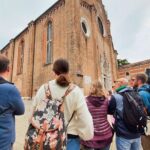
- Basilica dei Santi Giovanni e Paolo (San Giovanni e Paolo)
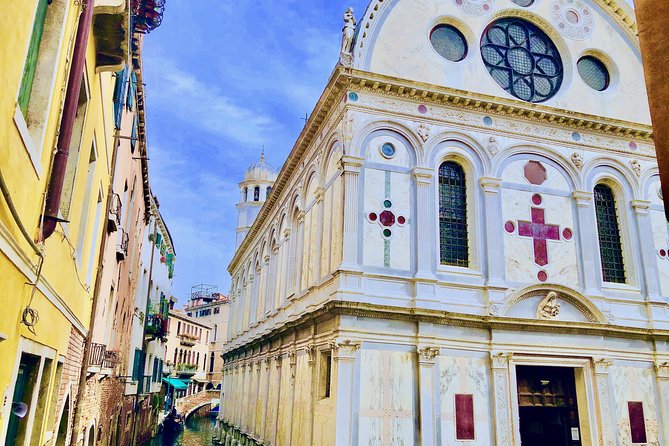
- Santa Maria dei Miracoli and the suggestive Campo of Santa Maria Nova
- Your guide experience: why names like Lucia and Antonella mattered
- Quick note on hearing
- Timing, pace, and choosing morning vs afternoon
- Accessibility of experiences like this (and what you should ask first)
- What’s included—and what you’ll likely pay extra for
- Tips to get the most from a 2-hour private format
- Should you book this private Venice Art and Architecture walking tour?
- FAQ
- How long is the Venice Art and Architecture walking tour?
- How much does the tour cost?
- Is this tour private?
- Where does the tour start and end?
- Does it include entrance fees to churches?
- What’s included in the tour price?
- Do I need to bring tickets?
- Is there a pickup option?
- Is there an additional access fee for some visitors?
- What if I need to cancel?
Key highlights before you go
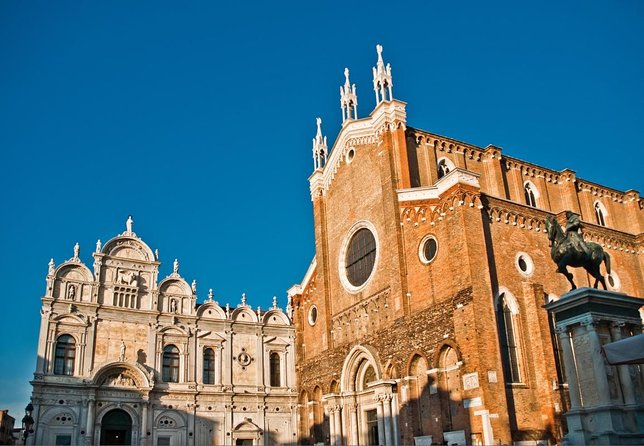
- San Giovanni e Paolo stained glass is the headline, with the guide pointing out what makes it special.
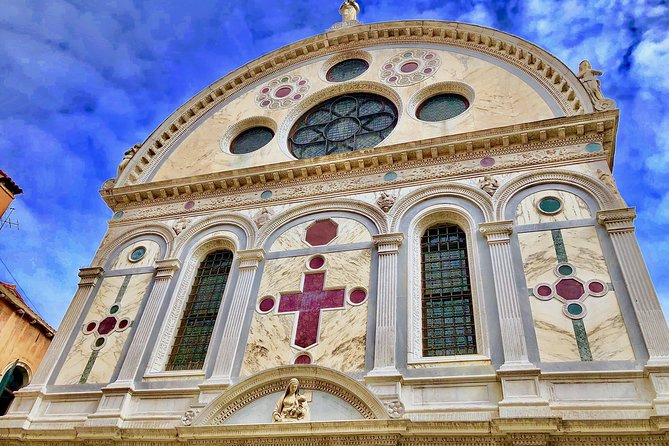
- Santa Maria dei Miracoli is a great stop for early Renaissance facade details and restoration-focused beauty.
- Marco Polo House connects Venice’s art to commerce and exploration, not just pretty churches.
- Private time that can flex: you can ask questions and slow down where your interests land.
- Small-group feel, not a cattle-call: you’re only with your party on this tour.
A quieter Venice art walk that avoids the St Mark’s squeeze
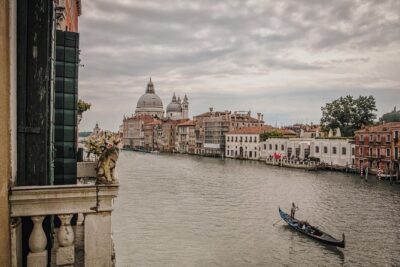
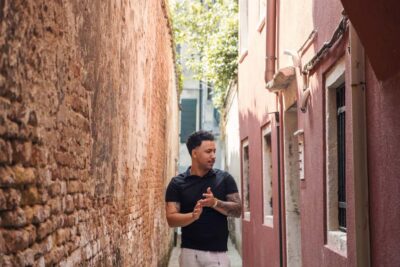
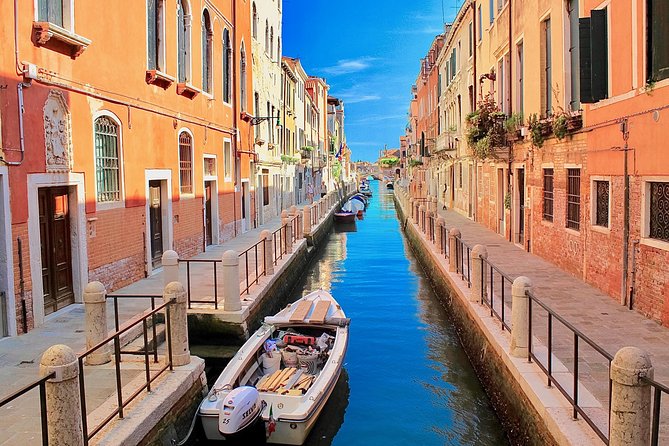
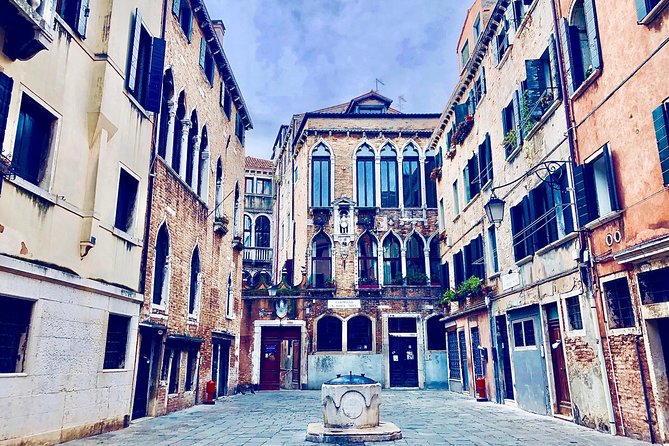
If you’ve ever tried to understand Venice while weaving through giant crowds, you know the problem: the city moves faster than your attention span. This tour is built to fix that. Instead of bouncing around the most famous postcard corners, you walk into side streets, narrow passageways, canals, and small footbridges, where architecture has room to breathe.
You also get a real interpretation, not just a list of names. The guide links what you’re seeing to the forces that shaped Venice’s identity—politics, culture, and the kind of wealthy merchant power that funded artists and building projects. In plain terms: you start understanding why Venetian art looks the way it does.
The route is short on purpose—about two hours—so you’re not exhausted before your gelato. And because it’s private, your guide can steer questions where you want them.
You can also read our reviews of more walking tours in Venice
Price and what you’re really paying for at $343.17 per person
At $343.17 per person for a two-hour private walking tour, the value lives in three places: guide time, site access planning, and focus.
1) Guide time: you’re not sharing your hearing and attention with a large group. Several experiences in the feedback emphasized how guides explained architectural features in a way that normal sightseeing won’t.
2) Focused stops: you’re concentrating on a small set of major buildings, including churches with big visual payoffs (stained glass, facades, and design clues you can’t easily spot without help).
3) Private Q&A: this is where you’ll get the most out of the money. Venice is full of symbolism and stylistic shifts, and a good guide can explain what you’re looking at in real time.
On the flip side, this isn’t a “hit everything in the city” tour. It’s concentrated. If what you want is maximum number of stops and maximum variety, you may feel the route is a bit narrow. Also, church entrance fees aren’t included, so you may add a small amount depending on what you choose to enter.
Meeting point, pickup options, and how to start without stress
You’ll start at Campo S. Bortolomio, 30124 Venezia VE, Italy and finish at Campo dei Santi Giovanni e Paolo, 30122 Venezia VE, Italy.
A few practical points that matter in Venice:
- It’s near public transportation, which helps if your timing is tight.
- Pickup is optional if your hotel is in the Rialto area. If you’re staying elsewhere, you’ll likely start at the meeting campo.
- You’ll receive a mobile ticket, and confirmation comes at booking.
One more thing: Campo meeting points can be tricky because there are lots of small squares and nearby lanes. If you’re even slightly unsure, arrive early. Some guides are excellent, but starting smoothly beats rushing.
Stop-by-stop: what each place adds to your Venice architecture story
Campo San Bartolomeo and the Goldoni statue
This first stop sets the tone: Venice as a living city, not just a museum. You spend about 30 minutes in Campo San Bartolomeo, including time around the statue of Goldoni.
Why it matters: theater and literature aren’t separate from architecture here. Venice’s buildings, guild wealth, and civic identity all connect to the culture that produced writers and public life. It’s a good setup before you walk into heavier religious architecture.
You can also read our reviews of more private tours in Venice

Casa di Marco Polo (Marco Polo House)
Next is Casa di Marco Polo, also about 30 minutes, with the note that admission isn’t included.
Even if you’ve never deep-dived into Marco Polo, this stop gives you context. It frames Venice as a commercial powerhouse. The art and architecture you see later weren’t made in a vacuum—they were commissioned and supported by a city built on trade, navigation, and status.
It’s also a nice pacing change: you’re not only looking at church interiors. You’re seeing how Venice tells its own stories through buildings linked to major figures.
Basilica dei Santi Giovanni e Paolo (San Giovanni e Paolo)
This is the anchor stop, and it’s where most of the “wow” happens. You’ll spend around 30 minutes at Basilica Dei Santi Giovanni e Paolo, with church entry fees not included.
Here’s what makes it a standout:
- Gothic architecture you can actually study up close.
- The largest stained-glass window in Venice, highlighted as a key feature of the visit.
In at least one experience, the guide focus here was so intense that a visitor felt it leaned more toward the church than the broader theme. That’s not bad by default—it just means you should be ready to slow down. If you like religious art and can enjoy a careful look at walls, windows, and details, this stop is likely your favorite.
If you don’t love long church time, use your private advantage. Ask questions early. If you want more architecture variety, say so at the start so your guide can balance the route.
Santa Maria dei Miracoli and the suggestive Campo of Santa Maria Nova
Your final church stop is Santa Maria dei miracoli and the nearby campo of Santa Maria Nova, again about 30 minutes, with entrance fees not included.
This is the other architecture star:
- You get the chance to appreciate a beautifully restored, early Renaissance facade.
- The setting—church and campo—helps you understand how these buildings functioned in daily life, not only as tourist targets.
If San Giovanni e Paolo feels like big Gothic drama, Miracoli can feel more focused and refined. Together, they give you a sense of how style and restoration shape the Venice experience today.
Your guide experience: why names like Lucia and Antonella mattered
The quality of this tour lives in the guide. The feedback shows that some guides are especially good at turning buildings into understandable stories.
- Lucia was described as fun and highly knowledgeable about Venice’s art and architecture, and she also led people to areas they hadn’t been before.
- Marie Therese was praised as wise, calm, and smart.
- Iffygenia received strong marks for bringing architecture to life.
- Alessandra was noted for explaining Venetian style with good examples.
- Antonella was highlighted for being patient with people new to architecture, including guiding comparisons across Byzantine, Renaissance, Baroque, and Rococo styles.
- One guide with an architect background used illustrations to explain construction mechanics—exactly the kind of thing that helps you see how a facade is built, not just how it looks.
This is why I’d treat this tour less like a checklist and more like a guided workshop. If you’re curious, ask questions. If you want comparisons (Gothic vs Renaissance, for example), you’ll likely get them.
Quick note on hearing
Because this is a walking tour in small spaces, sound can be tricky. One group reported difficulty hearing due to the lack of certain audio tools. If your party includes someone with hearing challenges, ask in advance about audio options so you don’t lose the value you paid for.
Timing, pace, and choosing morning vs afternoon
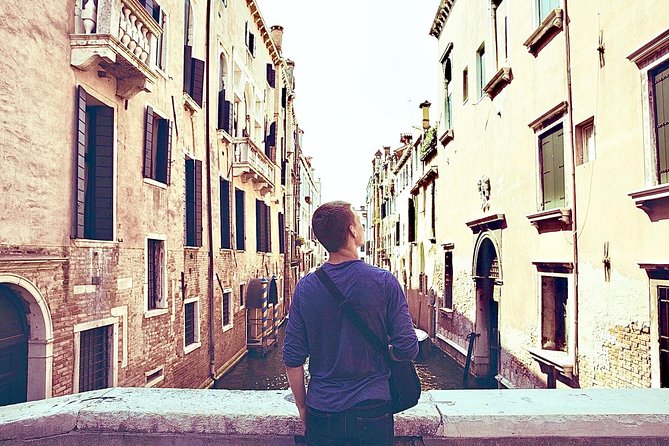
The tour offers morning and afternoon options. That choice can matter in Venice because church light, crowd mood, and your energy level change throughout the day.
A general rule that works here: if you want brighter photo light for facades and stained glass, pick a time when you’re not rushing afterward. If you want fewer crowds outside the churches and calmer walking, morning often helps, but your specific day weather will still play a role.
As for pace: it’s short and structured—four stops, roughly 30 minutes each—with guided commentary threaded through the walking.
Accessibility of experiences like this (and what you should ask first)
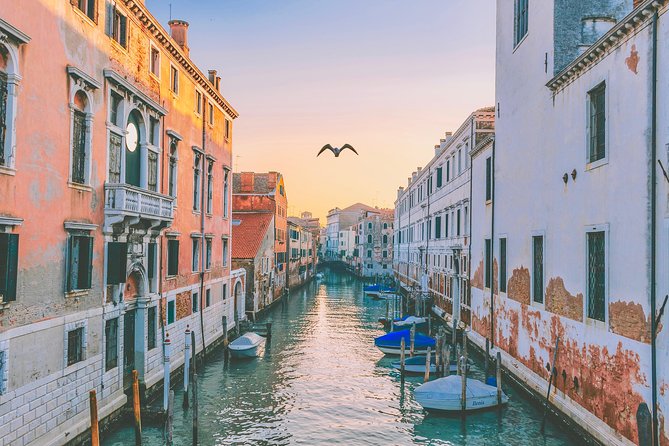
Most travelers can participate, and it’s a walking route with plenty of time spent at church-related areas. Still, Venice is Venice: uneven stones and lots of stops.
If anyone in your group has mobility limitations, you should ask the provider how flexible the route can be. Also, if you care about hearing every word, ask about audio support before you go.
What’s included—and what you’ll likely pay extra for
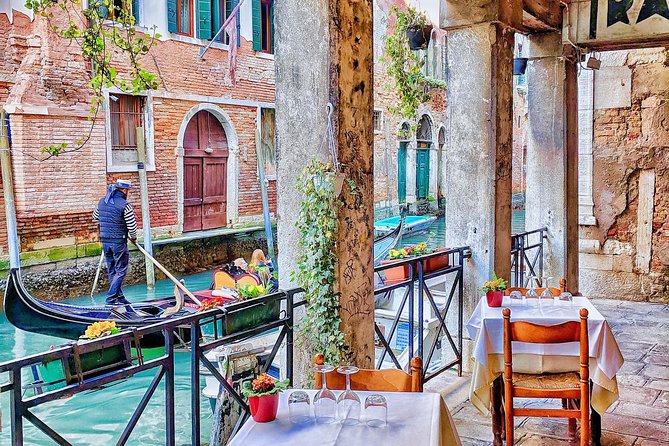
Included:
- A professional guide in English, French, German, Italian, or Spanish
- This private walking tour for 2 hours
Not included:
- Food and drinks
- Entrance fees to churches or museums
Because church entry fees aren’t included, plan for small add-ons depending on what you choose to enter during the stops. A private tour is still about priorities, so deciding ahead of time what you want to see inside can save you money and time.
Tips to get the most from a 2-hour private format
Here’s how to squeeze maximum value out of the time:
- Come with one question theme. Examples: how Venice funded art, why Gothic took hold here, or what restored facades tell us. When your guide knows your angle, the tour becomes sharper.
- Use the private format to control emphasis. If you care most about stained glass, say so. If you want more on Marco Polo and commerce, ask early.
- Wear church-ready clothes. You’ll be at churches, so plan for modesty and comfort.
- Start early at the meeting square. Campo locations can be easy to miss if you arrive exactly on time.
Also, since the tour runs about two hours, treat it like an early anchor in your day. I’d schedule it so you’re not rushing to another major booking immediately afterward.
Should you book this private Venice Art and Architecture walking tour?
I’d book it if you want:
- A private guided walk focused on art and architecture, not general sightseeing
- High-impact stops like San Giovanni e Paolo and Santa Maria dei miracoli
- A guide who can connect buildings to Venetian politics and culture, and who will answer questions
I’d think twice if:
- You want lots of different neighborhoods and a big number of stops
- You dislike spending substantial time in one major church interior (San Giovanni e Paolo tends to take center stage)
- Hearing clarity is a major concern for your group and you can’t get confirmation about audio support
For most people who enjoy architecture, stained glass, and how cities shape art, this tour is a strong use of two hours—and a solid way to see Venice without fighting the main-square crowds.
FAQ
How long is the Venice Art and Architecture walking tour?
It’s approximately 2 hours.
How much does the tour cost?
The price is $343.17 per person.
Is this tour private?
Yes. It’s a private tour/activity, and only your group participates.
Where does the tour start and end?
It starts at Campo S. Bortolomio, 30124 Venezia VE, Italy and ends at Campo dei Santi Giovanni e Paolo, 30122 Venezia VE, Italy.
Does it include entrance fees to churches?
No. Entrance fees to churches or museums are not included.
What’s included in the tour price?
You get a professional guide (English, French, German, Italian, or Spanish) and the private walking tour for 2 hours.
Do I need to bring tickets?
You’ll receive a mobile ticket.
Is there a pickup option?
Pickup is optional if your hotel is in the Rialto area.
Is there an additional access fee for some visitors?
On certain dates, some travelers visiting for the day who are staying outside Venice may need to pay a €5 access fee. Details and exemptions are listed here: https://cda.ve.it
What if I need to cancel?
You can cancel for a full refund up to 24 hours before the experience starts.