REVIEW · VENICE
Morning Walking Tour of Venice with Mini Cruise
Book on Viator →Operated by Consorzio Vidali Group · Bookable on Viator
Venice in two hours, with water thrown in. This compact morning tour strings together the big icons fast, then adds short boat moments so you see Venice from street level and from the water—without spending the whole day in transit. I particularly love the chance to hit Piazza San Marco early and the way the route includes a water pass through Giudecca Canal. One drawback to plan for: this is often run in multiple languages, so English details can feel thinner if you’re in a mixed-language group.
You’ll start at Riva degli Schiavoni (by the harbor) and finish at Venezia Santa Lucia, which is handy if you’ve got trains later or you want to keep moving after the tour. Expect solid walking and crowded streets around the major sights; even with short stops, it can add up.
Finally, the price is tempting, but you should know what’s not included: the optional gondola ride costs extra (listed as about €2). Also, the tour depends on decent weather, and on certain dates there can be a €5 access fee for some day-trippers—worth checking before you go.
In This Review
- Key things to know before you go
- A 9:30 Morning Circuit That Ends at Venezia Santa Lucia
- Riva degli Schiavoni and Piazza San Marco: the must-see start
- Rialto Bridge and Canal Grande: quick icons, big views
- Chiesa di Santa Sofia to Rialto Market: optional gondola across the Grand Canal
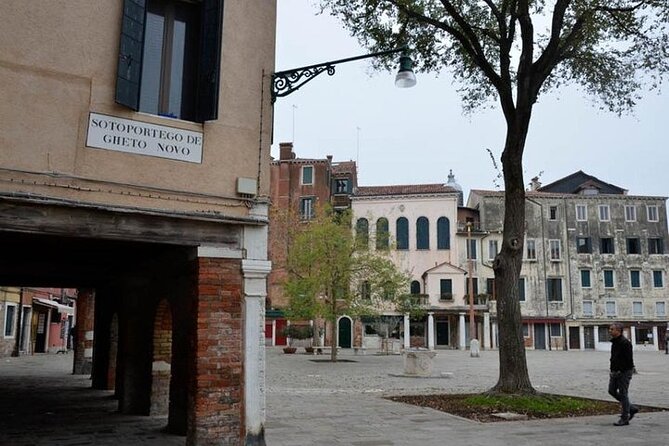
- Strada Nova and the Jewish Ghetto: why Venice got the word ghetto
- From Giudecca Canal by motorboat to the station: seeing Venice from water
- Guide style, earshot, and multilingual timing
- Price and value: what you pay, what you skip
- Who should book this tour (and who might not)
- Should you book this morning tour with mini cruise?
- FAQ
- How long is the Morning Walking Tour of Venice with Mini Cruise?
- What time does the tour start?
- Where do I meet the tour, and where does it end?
- Is the gondola ride included?
- Is the tour offered in English?
- Are there any admission tickets required for the stops?
- Is there an access fee to worry about?
- What is the group size limit?
- What if bad weather cancels the tour?
- Can I get a full refund if I change plans?
Key things to know before you go
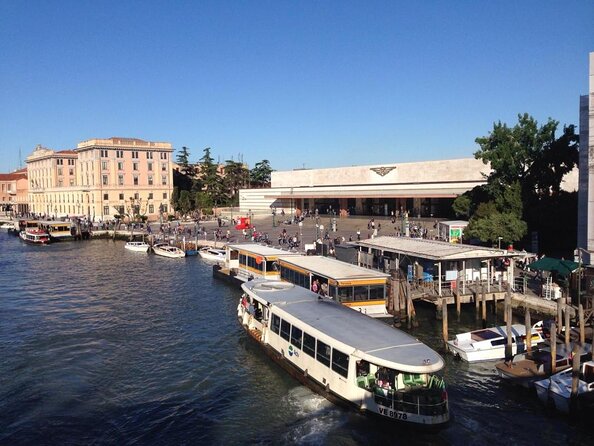
- A morning overview that’s built for first-day orientation: you’ll cover several Venice “greatest hits” quickly.
- Short water time, not just walking: a mini cruise along Giudecca Canal helps you understand how the city is stitched together.
- The Jewish Ghetto stop is front and center: you’ll hear why Venice forced Jewish residents to live in a specific area—and how the word ghetto took hold.
- Piazza San Marco and Rialto get real face time: brief but focused photo and viewing windows.
- Gondola is optional and extra: budget a small add-on if you want that Grand Canal moment.
- English quality can vary with the language mix: in multilingual groups, timing and attention can shift.
A 9:30 Morning Circuit That Ends at Venezia Santa Lucia
This tour is scheduled for a 9:30 am start and runs about 2 hours. That timing matters in Venice. By mid-morning, the crowds thicken around the classic sights; a morning start gives you a better shot at clear views and smoother pacing.
The route is designed like an efficient “Venezia sampler.” You don’t just bounce between landmarks—you also walk through key streets and neighborhoods that help you understand the city’s layout. And because it ends at Venezia Santa Lucia, you avoid the awkward problem of needing to get back across the city after a half-day sightseeing push.
Also, plan your shoes. Venice is not a place where you can casually wear fashion sneakers and call it a day. Even though each stop is short, the experience still involves several stretches of walking on uneven stone and busy walkways.
If you’re sensitive to sound, this is also a point to consider. A few experiences reported difficulty hearing the guide when the group included multiple language tracks or when audio wasn’t clear. You don’t need fancy equipment to enjoy the tour, but being positioned closer to the guide can make a big difference.
You can also read our reviews of more walking tours in Venice
Riva degli Schiavoni and Piazza San Marco: the must-see start
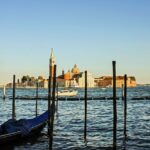
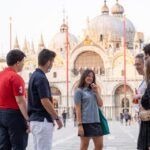
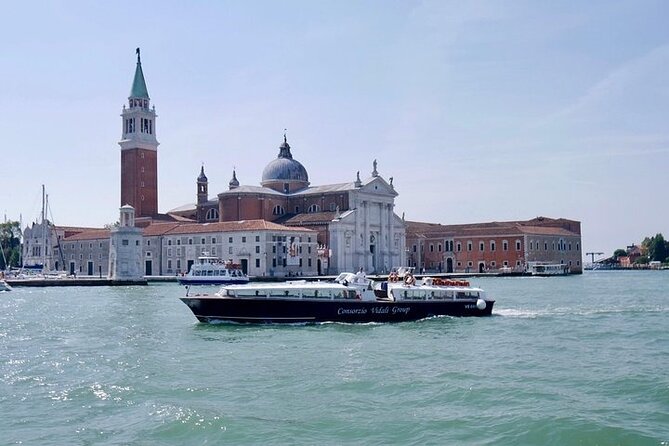
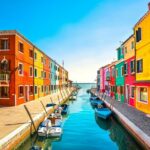
You begin on the water’s edge at Riva degli Schiavoni, right where you get that classic Venice feeling—palaces, harbor views, and the sense that the city is built to be approached by boat. From here, the tour moves quickly into the postcard center.
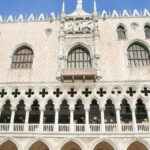
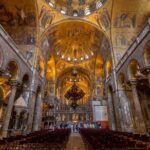
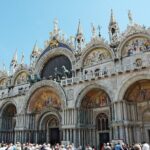
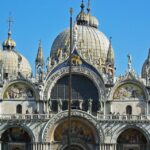
The first real landmark stop is Piazza San Marco, often the reason people fall in love with Venice in the first place. You’ll have about 15 minutes here. That’s enough for the big overview: the square’s scale, the surrounding architecture, and the overall “heart of the city” atmosphere. Importantly, the stops listed for this tour show free admission, so you’re not paying to get into sights at each pause—this is about seeing and absorbing.
What I like about this opener is pacing. The tour doesn’t waste time wandering aimlessly around the square. Instead, you get a structured walkthrough that helps you connect what you see to the city’s larger story—how Venice grew rich and powerful, and how its “power center” still looks and feels like a stage.
One practical tip: don’t treat this like a museum hour. Use it like an orientation stop. Snap your photos early, then take a moment to look around slowly—especially at how the buildings face the square and how the walkways funnel people toward the next landmark.
Rialto Bridge and Canal Grande: quick icons, big views
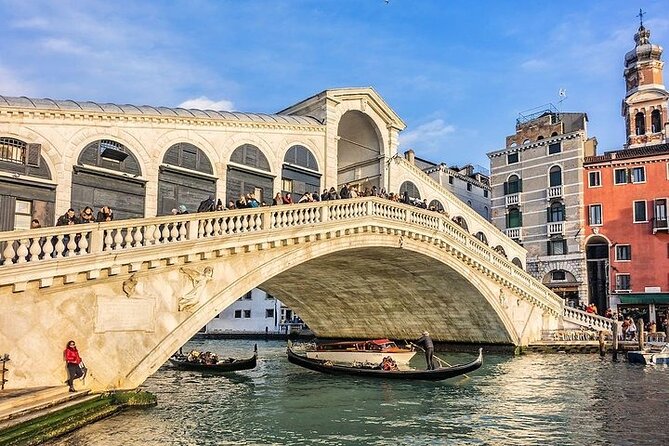
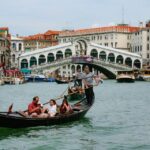
Next up is Rialto Bridge, one of the most recognizable bridges in the world. You get about 10 minutes, which is short, but the shape of Rialto is all about angles. Even in a brief window, you can find at least one good viewpoint for photos and feel the tight, historic geometry of this spot.
Then the tour turns toward Canal Grande, the grand artery that cuts through central Venice. You’ll have about 10 minutes here. The key value of this stop isn’t in “deep inspection.” It’s in understanding the canal as the city’s street system. In Venice, water isn’t decoration—it’s infrastructure.
If you’re tempted to use this as your only Canal Grande experience, don’t. A quick glance is still worth it, but if you want the canal in motion—boats slipping by, facades lit just right, the rhythm of the city—plan on doing at least one longer boat moment later in your trip.
Also, remember the crowds. Rialto and Canal Grande areas can be noisy and packed, even early. If you want clear hearing of guide commentary, try to keep yourself just off the busiest flow lines, so you’re not constantly shifting around people.
Chiesa di Santa Sofia to Rialto Market: optional gondola across the Grand Canal
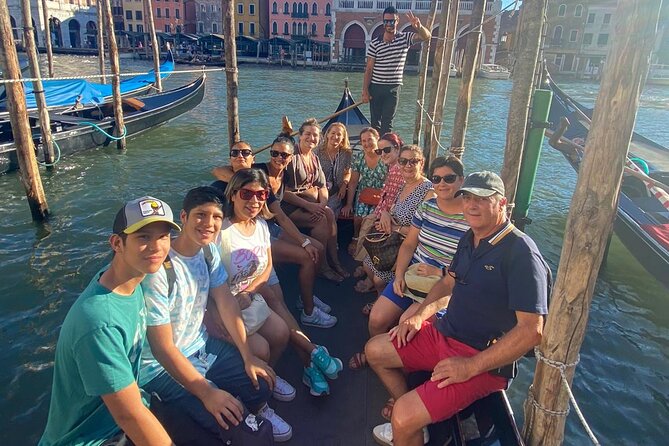
One of the more “Venice-real” segments is the stop near Chiesa di Santa Sofia. The idea is simple: you cross the Grand Canal by gondola to land on the other side near the Rialto Market area.
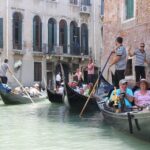
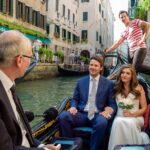
Here’s the practical part: the gondola isn’t included. The tour lists an additional inexpensive cost (about €2). That small extra can be worth it if you want that classic Venice glide across the canal—especially if it’s your first time here and you want one postcard moment that actually feels like Venice, not just a photo.
Why this part of the tour works: it teaches you physically. Walking through Venice can make the city feel like a maze of lanes and bridges. A gondola crossing turns that maze into a map. It shows you how the canal interrupts routes—and why bridges matter so much.
In the market-area vicinity, the tour window is about 10 minutes for this segment. That time is short, so I wouldn’t plan to shop seriously here unless you’re already a confident shopper with a list.
If you’re trying to keep costs down, skip the gondola and focus on the canal views from the crossing side. You’ll still get the conceptual value; the gondola is the extra feeling.
Strada Nova and the Jewish Ghetto: why Venice got the word ghetto
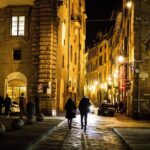
After the big icons, the tour gets more interesting on a human scale. You move onto Strada Nova, Venice’s main road in this central stretch, with about 20 minutes here. This isn’t just for photos. It’s where you start to feel the daily rhythm—streets that connect neighborhoods, buildings that feel lived-in rather than ceremonial, and the sense of movement that comes with a main thoroughfare.
Then comes the stop people often remember most: Antico Quartiere Ebraico, the Jewish Ghetto. You’ll have about 15 minutes here, and the tour includes the story of how the Venetian Republic compelled Jewish residents to live in a specific area—so the ghetto wasn’t just a rumor or a museum story. It was a policy.
There’s also an important linguistic detail shared during this stop: the English word ghetto traces back to this Venice context. That’s the kind of fact that makes a neighborhood stop feel more than scenic. It turns a place into a lesson.
This is also where you’ll likely notice the tour’s “history and anecdotes” approach most clearly. Even with a short time window, you get a sense of how Venice’s power structures affected real lives, and how that history still shapes what you see today.
Because this neighborhood can be emotionally weighty, keep your tone respectful and your pacing calm. The crowds can still be present, but you’ll get more out of the stop if you slow down mentally, not just physically.
You can also read our reviews of more boat tours in Venice
From Giudecca Canal by motorboat to the station: seeing Venice from water
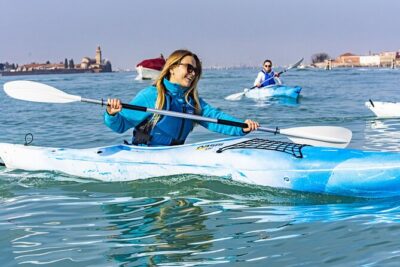
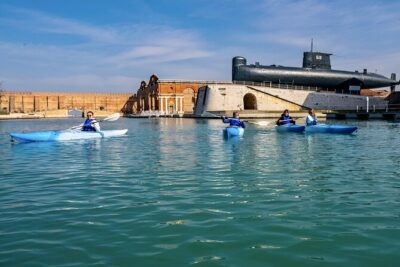
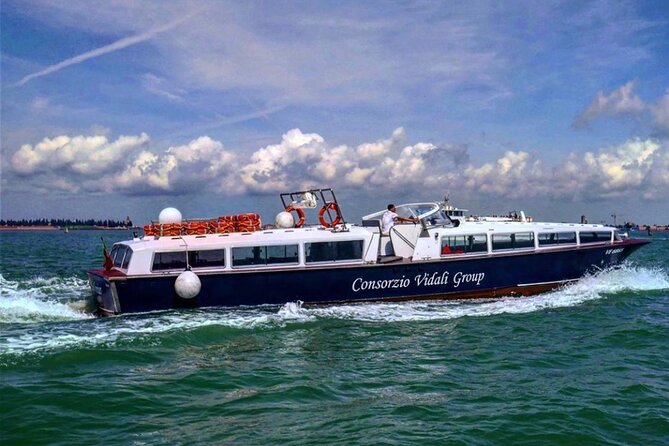
One of the headline features is a mini cruise. The tour description highlights traveling through the Giudecca Canal by motorboat as you speed back toward San Marco. Even if you mostly associate Venice with gondolas, this is a useful correction: motorboats, ferries, and water traffic are part of everyday Venice movement.
This matters because Venice is not only a romantic backdrop. It’s a working city that runs on boats. A quick motorboat segment helps you understand the city’s “neighborhood logic.” You start to see why some stretches feel close on a map but can take time on foot, and why water routes often cut through what looks like a labyrinth.
Then the tour finishes at Venezia Santa Lucia, with about 15 minutes in front of the railway station. Here, the guide explains daily life for Venetians in modern times. This is a great way to end, because it pulls you out of the time machine and into the present reality of living in a city that attracts millions of visitors but still functions for residents.
If your day in Venice is flexible, this ending point is convenient. You can transition to your own plans without needing to cross the city again from the far side.
Guide style, earshot, and multilingual timing
The tour experience depends a lot on how your particular guide handles the group. Some guides are exceptionally good at making multiple language groups feel smooth, with clean pacing and clear storytelling. In other situations, timing can get tight when the guide is covering several languages, which can reduce the amount of detail you hear during your English window.
A common practical issue: if the guide is speaking multiple languages, you may end up waiting while other language segments play out. That can make the tour feel longer than the “about 2 hours” promise.
Another issue to watch is sound. There are hints that audio equipment isn’t always ideal or that hearing the guide can be hard in crowded sections. The fix is simple: stand where you can see and hear the guide best, and don’t assume the commentary will carry over noisy streets.
Finally, meeting-point clarity matters. One frustration reported was difficulty locating the guide at the start. If you’re even slightly unsure, arrive a few minutes early and look for the group with the guide. If you can’t spot them quickly, it’s worth asking right away rather than wandering and losing the start of the morning.
Price and value: what you pay, what you skip
The price is $29.79 per person for about 2 hours, which is solid for Venice. The big value lever is that you’re getting an organized, multi-stop route plus guided interpretation, rather than doing a DIY march between landmarks.
Also, several of the stops are listed with free admission (Piazza San Marco and others on the walking route). So your base ticket isn’t stacking up extra entry fees every ten minutes.
What’s not included is the optional gondola ride (about €2). That’s a relatively small add-on, but it’s still one more thing to decide in the moment. If you’re paying for gondola, be ready to treat it as a short crossing, not a long sightseeing ride.
One more cost consideration: on some dates, there can be a €5 access fee for people staying outside Venice who are visiting for the day. The tour notes that details and exemptions are available on the official site. If you’re doing a day trip, it’s worth checking early so you don’t get surprised.
Overall, I’d call this a fair value option if you want a guided morning that helps you place major landmarks and understand what you’re seeing. If you’re the type who wants long, deep explanations and zero waiting, you might feel held back by the time-and-language format.
Who should book this tour (and who might not)
This tour is a good fit if:
- You’re on your first morning in Venice and you want a fast orientation loop.
- You want the main sights grouped into one plan—without spending half your day figuring out routes.
- You like neighborhood context, not just monuments—especially the Jewish Ghetto stop and the way the tour touches modern city life at Santa Lucia.
It may be less ideal if:
- You strongly prefer an English-only experience with no multilingual timing issues.
- You want long stays at major sites. Most stops are short, by design.
- You’re very sensitive to sound or you need guaranteed audio clarity. Crowds and multilingual pacing can make hearing harder.
If your Venice plan includes other experiences (like a longer boat ride or a separate, focused history tour), this works well as the “get your bearings” piece.
Should you book this morning tour with mini cruise?
Book it if you want a guided hit of Venice’s top landmarks, plus a meaningful stop in the Jewish Ghetto, and you like ending near Venezia Santa Lucia. The $29.79 price is hard to beat for the structure you get, and the mini cruise element helps you see the city the way Venice actually moves.
Skip it (or plan to supplement) if you expect lots of deep, uninterrupted storytelling in English. The biggest weakness is time and language logistics—some mornings can feel efficient; others can feel slowed by multilingual pacing or crowd noise.
My advice: if you’re booking, do it early in your trip—first day or second day. That way, the landmarks you learn about become anchors for the rest of your wander.
FAQ
How long is the Morning Walking Tour of Venice with Mini Cruise?
It lasts about 2 hours.
What time does the tour start?
The start time is 9:30 am.
Where do I meet the tour, and where does it end?
You meet at Riva degli Schiavoni, 4142, 30122 Venezia VE, Italy. The tour ends at Venezia Santa Lucia, 30121 Venice.
Is the gondola ride included?
No. A gondola ride is not included, and an additional inexpensive fee (listed as about €2) applies.
Is the tour offered in English?
Yes, the tour is offered in English.
Are there any admission tickets required for the stops?
The listed admission info for the stops says free admission for the sightseeing stops included on the route. The gondola is an extra cost.
Is there an access fee to worry about?
On certain dates, people staying outside Venice and visiting for the day may need to pay a €5 access fee. Details and exemptions are provided at https://cda.ve.it.
What is the group size limit?
The tour has a maximum of 25 travelers.
What if bad weather cancels the tour?
The experience requires good weather. If it’s canceled due to poor weather, you’ll be offered a different date or a full refund.
Can I get a full refund if I change plans?
Yes. Free cancellation is available up to 24 hours in advance for a full refund. If you cancel less than 24 hours before the start, the amount paid is not refunded.