REVIEW · VENICE
Venice: Chocolate Tasting Experience
Book on GetYourGuide →Operated by Gray Line Venice - Park Viaggi · Bookable on GetYourGuide
Venice has a sweet side most people miss. In this chocolate tasting in a well-known shop, you sample several styles and learn what makes each one taste different. It runs as a tight, 40-minute session, so you get flavor and story without eating your whole afternoon.
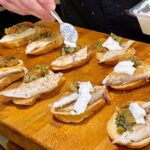
I really like that the tasting is structured like a mini flavor flight, not just random bites. You’ll work through dragées and chocolate covers first, then pralines or truffles, and it all ties back to cacao and processing.
One thing to consider: you should come in with a clear head for details. With multiple chocolate types and a short time window, it can be easy to rush if you treat it like a snack stop instead of a tasting.
In This Review
- Key things to know before you go
- Chocolate Tasting in Venice: what you’re really paying for
- Where the tasting starts: the shop, the welcome, and what to expect
- The tasting format: how the flight helps you notice flavor
- Stop 1: dragées and chocolate covers (your first comparison)
- Stop 2: pralines or truffles (texture and richness take over)
- Your included drink: hot or cold chocolate to reset your palate
- The cocoa story: why the tasting is more than sugar
- Group size and pace: why 10 people is the sweet spot
- Language and communication: English and Italian instruction
- Accessibility and who this works for
- Price and value check: is $62.63 worth it?
- Practical tips to enjoy the tasting more
- Should you book this Venice chocolate tasting?
- FAQ
- How long is the Venice chocolate tasting?
- Where does the tour meet?
- What’s included in the tasting?
- What languages are the instructors available in?
- Is the experience wheelchair accessible?
- Is it suitable for children?
- Are pets allowed?
- What if I have food allergies?
- When does it run?
Key things to know before you go
- A real flavor progression: dragées and chocolate covers, then pralines or truffles, so you can compare textures and sweetness.
- Cacao-focused explanation: you learn how weather, soil, and post-harvest processing affect flavor.
- Small group size: limited to 10 participants, which keeps questions from getting lost.
- Seasonal drink: hot or cold chocolate is included, depending on the time of year.
- Rain or shine: the shop runs come rain or shine, so you’re not betting your day on the sky.
- Not for everyone: it’s not suitable for people with food allergies, and pets aren’t allowed.
Chocolate Tasting in Venice: what you’re really paying for
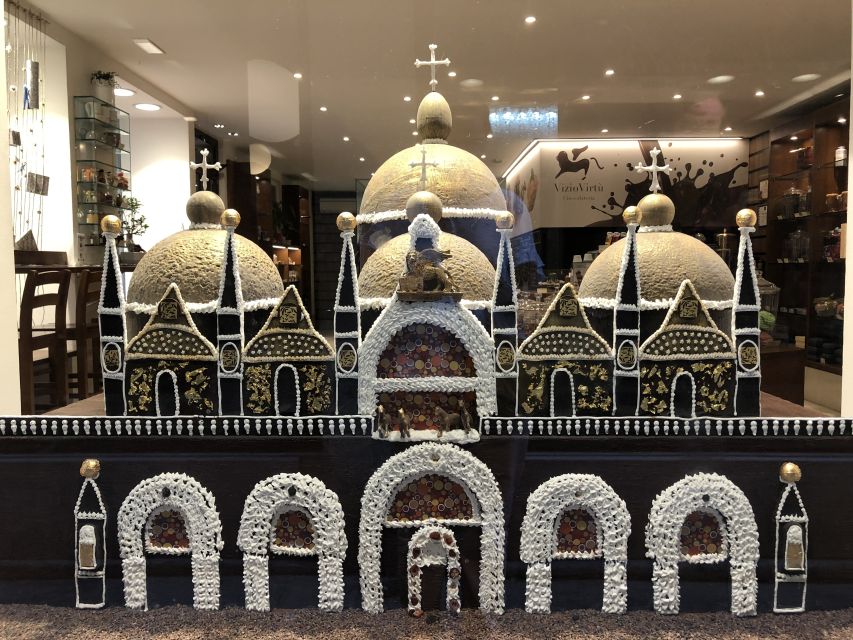
Yes, it’s chocolate. But the best value here is the format. This tasting is set up to help you taste the way chocolate experts taste: slowly, carefully, and with attention to what changes from one piece to the next.
At $62.63 per person for about 40 minutes, you’re paying for three things:
- The selection of handmade chocolates (not just one bar)
- A drink (hot or cold chocolate depending on season)
- A guided explanation of how cacao flavor becomes what’s on your tongue
When people skip tastings because they think they’ll be rushed, this is the opposite vibe. It’s short, but it’s designed to make you notice differences. If you like food experiences where you leave with a better sense of what you’re tasting, this fits.
Also, this is happening inside a traditional Venetian chocolate shop. That matters in Venice, where storefronts can feel like quick photo stops. Here, you’re stepping into a tasting session with a real product focus.
You can also read our reviews of more food & drink experiences in Venice
Where the tasting starts: the shop, the welcome, and what to expect
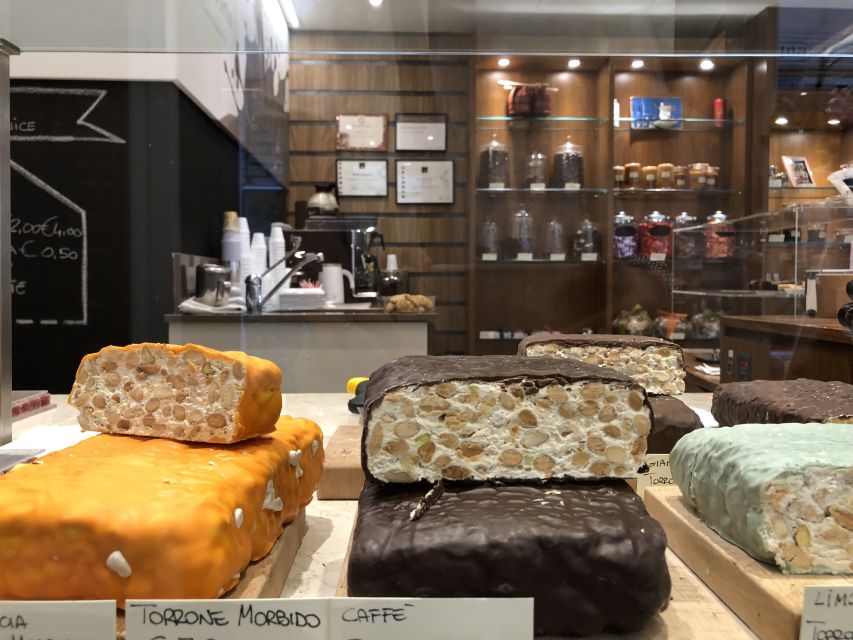
You’ll meet at a meeting point that can vary by option booked, and the experience ends back at the same place. Total time is 30–40 minutes, with 40 minutes listed as the standard duration.
Since the activity is Monday to Saturday, 11:00 AM to 05:00 PM, plan around a time slot that avoids the tightest Venice crowds if that’s your style. If you hate being late anywhere in Venice, arrive a few minutes early—when meeting points can vary, being early gives you breathing room.
The session is guided in English and Italian, and groups are kept small, up to 10 participants. That low ceiling is the whole point: you can ask questions without the guide talking over you.
Finally, a practical note: no luggage or large bags are allowed. Keep it simple—think day bag only.
The tasting format: how the flight helps you notice flavor
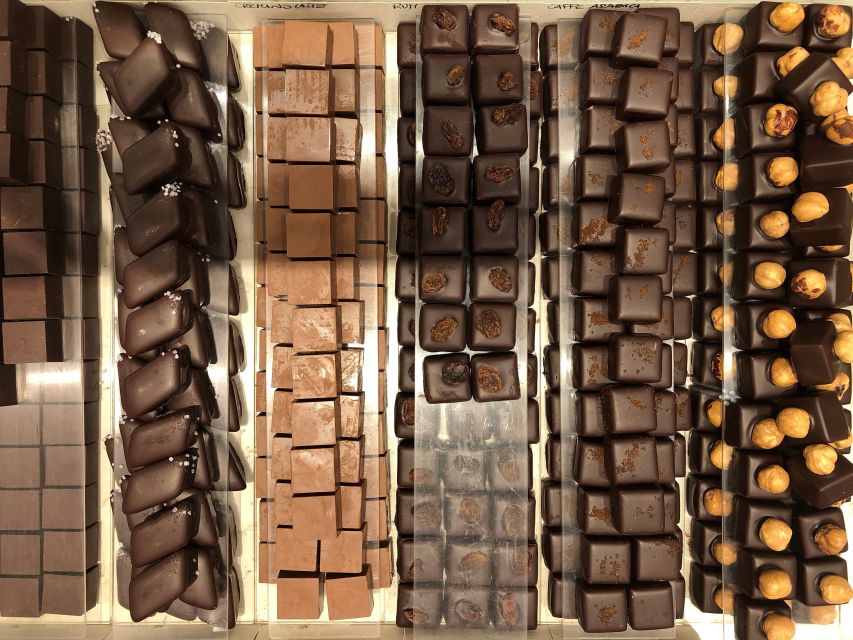
Chocolate tasting is like wine tasting, but without the swirling theatrics. The idea is that each kind of chocolate carries its own flavor profile. And because cacao is the core ingredient, what happens to the cacao—farming conditions and post-harvest processing—shows up in the final taste.
That’s the real education piece you’re paying for. Instead of walking out with just I ate chocolate, you walk out with a better vocabulary for:
- sweetness vs bitterness
- cocoa depth vs milky softness
- coating flavor vs nutty or creamy centers
- texture shifts from piece to piece
The shop also references the history of chocolate and how the product is made in the shop’s laboratory context. Even if you don’t get a full behind-the-scenes tour, you still get that sense of craft and process.
Stop 1: dragées and chocolate covers (your first comparison)
The tasting begins with dragées and chocolate covers—you’ll get 4 out of 5 pieces. That exact structure matters because it sets up the comparisons early.
Here’s how I’d think about this first phase as you taste:
- Dragées tend to feel crisp and sweet in a way that contrasts with smoother chocolate.
- Chocolate covers are about the chocolate shell experience—what the outside coating tastes like before you get any inner surprises (if there are any).
This part is ideal if you’re the type who likes to identify what’s happening: coating thickness, snap, melt timing, and sweetness level. It’s also the easiest stage to overeat at because the pieces are small. Pace yourself. You’ll enjoy the rest more if you don’t spike your taste buds too fast.
If you’re someone who dislikes overly sweet desserts, you might still want to start slowly here. The first bites are where your palate sets the rules for the rest.
Stop 2: pralines or truffles (texture and richness take over)
Next comes the heavier hitters: pralines or truffles, with 3 pieces included.
This is where the tasting becomes about richness and mouthfeel. Pralines often bring a nutty, caramel-leaning feel, while truffles usually lean toward creamy cocoa intensity. The tasting format lets you compare those sensations within a short time frame, which makes it easier to learn what you personally like.
If you’re the group member who thinks truffles are always the same, this stage can change your mind. Different fillings and chocolate bases can shift the balance between:
- cocoa-forward flavor
- sweetness level
- creaminess vs firmness
- lingering finish
There’s also a timing factor: since the whole session is about 40 minutes, the shop doesn’t let you drift. You’re tasting and then moving on. That’s good. It keeps the experience focused.
You can also read our reviews of more tours and experiences in Venice
Your included drink: hot or cold chocolate to reset your palate
You’ll also get a hot or cold chocolate drink, depending on the season.
This drink works like a palate reset. Think of it as the moment you clear the sweetness and bring your attention back to the chocolate you’re about to taste (or the chocolate you just tasted). It also helps if you’re sensitive to thick, heavy flavors. A sip can make the next bite feel more distinct.
If you’re traveling in summer, cold chocolate can be a nice relief. In cooler months, hot chocolate tends to smooth things out. Either way, it’s included, so you don’t need to decide if you want a drink upgrade.
The cocoa story: why the tasting is more than sugar
One of the smartest parts of this experience is how it connects taste to real-world variables. You’ll hear how cacao flavor can be affected by factors like weather, soil conditions, and post-harvesting processing.
Even if you’re not a science person, the practical takeaway is simple:
- Two chocolates can both be chocolate, but the flavor differences come from how the cacao was grown and handled.
- The tasting isn’t random. It’s training your attention to detect those differences.
This is also where the shop framing helps. It’s not just product samples; it’s a guided way to learn why the same ingredient can taste different. That’s the kind of knowledge that actually makes future tastings better. Next time you see labels or different cocoa origins, you’ll have a clearer sense of what to look for on the palate.
Group size and pace: why 10 people is the sweet spot
This is a small group capped at 10, and that’s a big deal for a tasting.
In a bigger group, you often get trapped listening from the back and tasting when the line moves. Here, the session stays interactive. The format keeps you from feeling rushed into chewing and swallowing before you’ve learned what you’re tasting.
The pacing also fits Venice. You get a focused experience that doesn’t swallow your day, which is key in a city where you’ll also want time for walking, landmarks, and the evening mood.
Language and communication: English and Italian instruction
The instructor is listed as speaking English and Italian. That’s useful if you’re traveling with someone who wants to check details or if you want the explanation to land in your own language.
In practice, it means you’re not stuck with a silent tasting where you guess the meaning of everything. You get a real narrative around what you’re eating.
Accessibility and who this works for
This activity is wheelchair accessible, which is a real plus for a Venice experience where uneven ground and narrow corridors can be a challenge.
It’s also not suitable for:
- children under 4 years
- people with food allergies
That last one is important. Because the tasting includes multiple chocolate pieces and a drink, and no allergy accommodations are indicated, you shouldn’t count on it being safe if allergies apply to you.
Pets aren’t allowed, and no large bags are permitted. So plan to travel light if you’re combining this with other Venice stops.
Price and value check: is $62.63 worth it?
Let’s be practical. You’re paying $62.63 per person for:
- dragées and chocolate covers (4/5 pieces)
- pralines or truffles (3 pieces)
- chocolate beans
- a hot or cold chocolate drink
- instruction in English/Italian
- a guided explanation of chocolate, including history and how flavor is shaped
That’s a lot more than a single dessert purchase. You’re essentially buying a short guided workshop in taste. If you like wine tastings or culinary tours where the guide teaches you how to experience what you’re eating, it’s good value.
If you’re only here for a quick sugar hit and you don’t care about the explanation, it might feel expensive compared to grabbing a pastry elsewhere. But if you want to leave with more understanding of chocolate than you started with, the price starts to make sense.
Also, the session duration (about 40 minutes) makes it easier to fit into a Venice day without spending hours chasing the right shop. You get focused time, not a half-day commitment.
Practical tips to enjoy the tasting more
- Go hungry-ish, not starving: you want your palate awake, not wiped out.
- Slow down on the first pieces: dragées and chocolate covers set your baseline.
- Ask questions if you’re curious: with a small group, you’re more likely to get a clear answer.
- If you’re sensitive to sweetness, pace your bites: the drink helps, but you still control the speed.
Should you book this Venice chocolate tasting?
If you’re the kind of traveler who enjoys learning while eating, I think you should book it. This experience is built for comparison and understanding: different chocolate styles, a guided cocoa story, and a drink to round it out—done in about 40 minutes.
I’d skip it only if:
- you need strict allergy support (it’s not listed as suitable for people with food allergies)
- you’re traveling with very small kids (not suitable under age 4)
- you expect a casual stop rather than a structured tasting
If your goal is a classic Venetian shop experience that’s sweet, focused, and actually teaches you something you can taste, this one fits nicely.
FAQ
How long is the Venice chocolate tasting?
It lasts about 40 minutes (the tasting is also described as 30–40 minutes). Check available times for the exact start slots.
Where does the tour meet?
The meeting point may vary depending on the option you book. The activity ends back at the meeting point.
What’s included in the tasting?
You’ll taste dragées and chocolate covers (4/5 pieces), pralines or truffles (3 pieces), chocolate beans, and a hot or cold chocolate drink depending on the season.
What languages are the instructors available in?
The instructor is listed as speaking English and Italian.
Is the experience wheelchair accessible?
Yes, the activity is wheelchair accessible.
Is it suitable for children?
It’s not suitable for children under 4 years.
Are pets allowed?
No, pets are not allowed.
What if I have food allergies?
This experience is not suitable for people with food allergies.
When does it run?
It runs Monday to Saturday from 11:00 AM to 05:00 PM. It operates come rain or shine.