REVIEW · VENICE
Eat Like a Local: Venice 3-Hour Small-Group Food Tasting Tour
Book on Viator →Operated by J&H Enterprises, LLC · Bookable on Viator
Venice tastes better when someone local paces it for you. I love the cicchetti-and-wine bar crawl plus the fact you start with coffee and pastries and keep eating until you’re done for the day. I also like the small-group feel, so your guide can actually slow down, explain, and answer questions as you go.
One thing to plan for: this is a walking tour with a lot of standing around counters, and you’ll do it rain or shine. If you’re sensitive to cold or you need lots of seated time, you should think ahead.
Key things that make this tour worth it
- Starts at Rialto with coffee and pastries, then builds meal momentum fast
- 8 stops that mix market-area snacks, bacari, and a sit-down restaurant course
- Seasonal seafood and wines (including multiple fish tastings, when available)
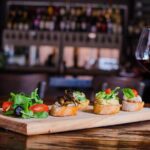
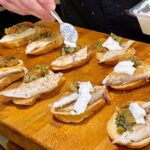
- Cicchetti in real places, the Venice-style way to eat and sip
- Family-owned pastry stops with stories behind Venetian sweets
- Artisan gelato at the end, with options depending on the day’s route
In This Review
- Why the Rialto-area meeting point is smart (and not just convenient)
- Price and value: what $107.10 buys you in Venice
- Cicchetti, bacari, and why this food style is the real Venice
- The 8-stop route: coffee, bacari, cured meats, fish, and gelato
- Stop 1: Mercati di Rialto — coffee and Venetian pastry tradition
- Stop 2: San Polo — an old bacaro with a Casanova link
- Stop 3: San Polo — family pastry shop and the sugar story
- Stop 4: Santa Croce — another local bar for cicchetti
- Stop 5: Santa Croce — cured meats and cheese, plus what to look for
- Stop 6: San Polo — the sit-down moment with pasta, fish, and sarde in saor
- Stop 7: Cannaregio (or Castello) — more cicchetti, chosen by the day
- Stop 8: Cannaregio (or another district) — artisan gelato to close the loop
- Guides: where the stories actually help you eat better
- Who should book this tour (and who should reconsider)
- FAQ
- How long is the food tasting tour?
- Where does the tour start and end?
- How many stops are there?
- Is cicchetti and wine included?
- Is there enough food?
- Does the tour run in bad weather?
- Can you accommodate dietary restrictions?
- Should you book it? My straight answer
Why the Rialto-area meeting point is smart (and not just convenient)
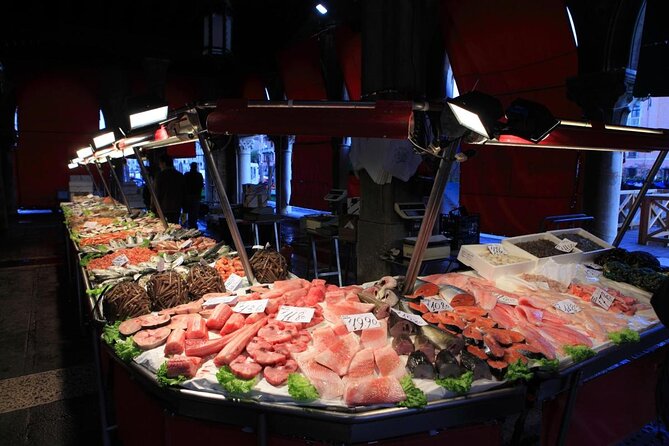
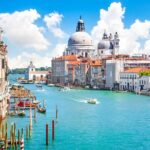
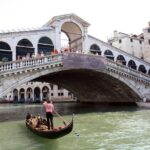
You meet near Campo San Giacomo di Rialto, by the steps of Chiesa San Giacomo di Rialto, close to the famous Rialto Bridge. That matters because the first tastings are set up around the market and bacari vibe of the area, so the tour doesn’t start with a long “stand here while we explain Venice” moment. It’s also a perfect location if this is your first or second day, since you’ll leave knowing where to return for a quick spritz or a proper bite.
The tour typically runs about 2 hours 30 minutes to 3 hours 30 minutes. Expect a moderate pace and frequent short walks. The included mobile ticket means you won’t be hunting paper confirmations at the busiest part of town.
Price and value: what $107.10 buys you in Venice
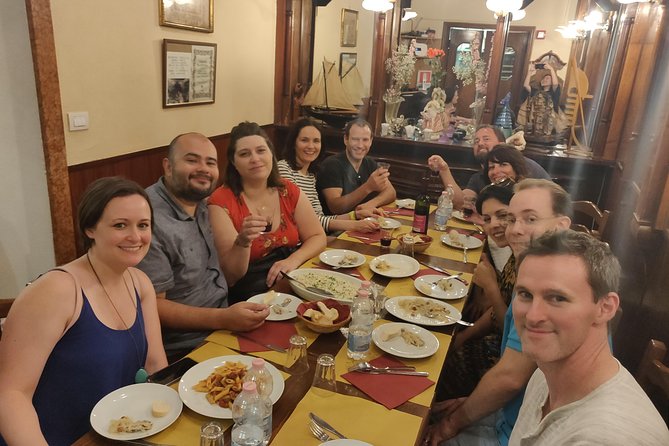
At $107.10 per person, you’re paying for more than food samples. You’re paying for access to places you might not pick on your own, plus a guide who connects each dish to local habits—especially the cicchetti culture, which is a big deal in Venice.
Here’s the part that really drives value: the tour provides plenty of tastings and is designed so you do not need to eat breakfast, lunch, or dinner afterward. The guarantee is that you’ll be full by the end, with extra food available if you’re still hungry at the finish. That lines up with the way guides like Marianna, Anna, and Sara are praised for getting everyone fed without feeling rushed.
Also, the menu isn’t one-note. You’ll do coffee and pastries, then move into wine bars with cicchetti, then shift into cured meats/cheeses, and finish with fish and gelato. It’s a structured “taste-and-learn” format rather than random sampling.
You can also read our reviews of more food & drink experiences in Venice
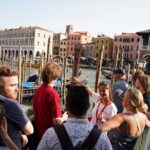
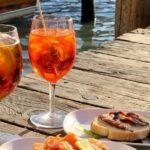
Cicchetti, bacari, and why this food style is the real Venice
Venice isn’t just about sitting at a table and ordering one big plate. The city’s eating rhythm often looks more like stopping in for a drink and a few small snacks—especially in bacari, the wine bars where standing at the counter is normal.
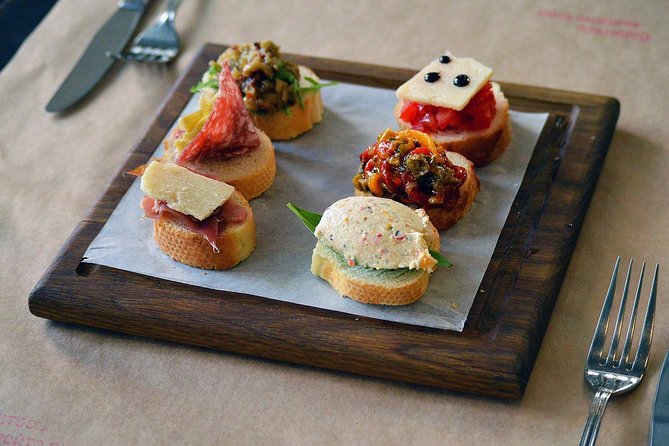
On this tour, you’ll learn that cicchetti are not a loose snack idea. They’re an organized way locals pair drinks with small plates—often seafood-forward or built around what’s available that day. You’ll try cicchetti alongside Venetian wine, and the guide explains the stories behind what you’re eating.
It’s also why the tour works so well for your first Venice visit. You’re not memorizing a 20-stop checklist. You’re getting a feel for how Venice actually eats: quick stops, small bites, and local favorites in places that feel lived-in rather than staged for tourists.
The 8-stop route: coffee, bacari, cured meats, fish, and gelato
Stops can shift based on freshness and what’s available, but the amount of food stays consistent. Here’s what the route is built around, with what makes each stop special.
Stop 1: Mercati di Rialto — coffee and Venetian pastry tradition
You begin at Mercati di Rialto with coffee and pastries. This isn’t an afterthought—Venice has long-standing pastry culture, and you’ll sample sweets early so the rest of the day feels like a natural progression rather than a sugar spike.
Then you move through the bar-and-bite rhythm. The goal here is to set you up for cicchetti later, with a tasting pace that feels like a morning snack plus a warm-up for the market area.
Stop 2: San Polo — an old bacaro with a Casanova link
One stop is at Venice’s oldest bacaro-style spot, tied to the legendary lover Giacomo Casanova. You’ll taste their best-selling cicchetti in a room that still keeps its old-world bones: wooden beams, copper pots, and that classic standing-only counter setup where people mingle while they eat.
This stop is useful because it teaches you what bacari atmosphere is supposed to feel like. You’ll know what to look for when you come back on your own.
You can also read our reviews of more tours and experiences in Venice

Stop 3: San Polo — family pastry shop and the sugar story
Venetian sweets have a backstory, and you’ll hear one that starts with early access to sugar imported from the East. That early luxury helped shape a pastry tradition that blends Eastern spice influences with Italian creativity.
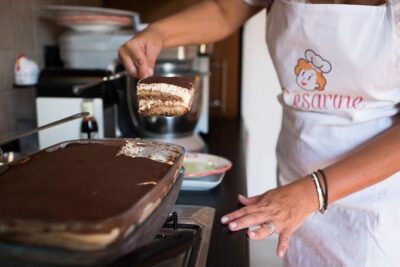
You’ll likely see the connection in the types of treats offered—think tiramisu-style flavors and Carnival pastries like frittelle. This is a good stop if you want more than a bite; you want the why behind the sweet.
Stop 4: Santa Croce — another local bar for cicchetti
Another bar stop keeps the cicchetti momentum going. The food may vary day to day, but the structure is consistent: small bites designed to pair with drinks, served in a local rhythm instead of a formal meal tempo.
This is also one of those stops where your guide’s explanations can lock in what you’ve already tasted in earlier venues.
Stop 5: Santa Croce — cured meats and cheese, plus what to look for
Here, the owner prepares a selection of regional cured meats and cheese. You’ll get stories about how they’re made, plus practical guidance on how to spot what you’re buying—useful if you later shop or order at a bar and want to avoid guesswork.
If you like charcuterie, this is one of your best “slow down and listen” moments, since you’re tasting more substantial flavors than the earlier pastry start.
Stop 6: San Polo — the sit-down moment with pasta, fish, and sarde in saor
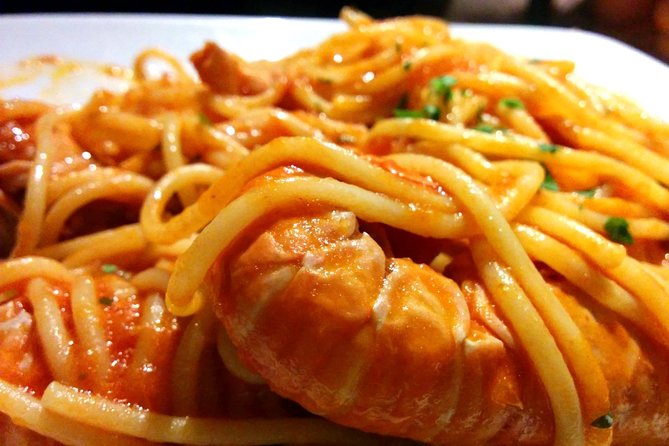
This is your restaurant stop where you get a more traditional course. You’ll try the day’s pasta or risotto, a freshly caught fish dish, and sarde in saor (often paired with wine). Sarde in saor is a Venetian classic, and the tour route is designed around doing it well.
If you’re a seafood fan, this is the stop you’ve been waiting for. If you’re not, tell the team in advance about fish limits, since the tour’s menu can’t always be remade on the spot.
Stop 7: Cannaregio (or Castello) — more cicchetti, chosen by the day
Depending on the day, you’ll either do Cannaregio or Castello for more cicchetti. This flexibility keeps the experience tied to daily freshness, and it also spreads the eating beyond just one neighborhood bubble.
This stop is good for getting a wider sample of flavors rather than repeating what you already tasted.
Stop 8: Cannaregio (or another district) — artisan gelato to close the loop
Finish with artisan gelato. Gelato isn’t treated as a generic dessert here; you’ll learn how it’s made and how to spot a good place in Venice.
On some days, gelato is served in Cannaregio; on others, it may be another district. If you have a strong preference, you can ask the team to try to accommodate it.
Guides: where the stories actually help you eat better
This tour lives or dies by the guide. The strongest pattern in the feedback is that guides don’t just name dishes—they explain how locals think about ingredients, pairings, and timing.
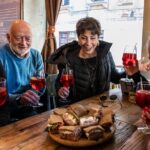
If your guide is Marianna, Anna, Sara, Carlo, Martina, Greta, or Mercedes, you’ll likely get a mix of fun energy and clear explanations that make the food feel approachable. One common theme: guides are praised for being warm, organized, and able to keep the pace relaxed. Another common theme: practical tips show up in the mix—like how to spot good places, avoid tourist traps, and choose where to spend your money for a view.
The guide also builds a personal touch. You might notice names being remembered and the group vibe feeling more like walking with someone from Venice than following a script.
Who should book this tour (and who should reconsider)
This works best if you want a structured way to taste multiple parts of Venetian food in one afternoon. It’s especially good for your first or second day, because you’ll learn the local eating rhythm and pick up a shortlist of styles to look for later.
It’s less ideal if you hate standing tastings or you need a fully seated tour. Some stops involve standing at counters or outside around eateries, which is common in Venice. You do need moderate physical fitness for the walking.
If you have strong dietary restrictions, you’ll want to mention them at least 24 hours ahead, since accommodations depend on what restaurants can manage without changing the tour’s structure too much.
FAQ
How long is the food tasting tour?
It runs about 2 hours 30 minutes to 3 hours 30 minutes.
Where does the tour start and end?
You start at Campo San Giacomo di Rialto, near the steps of Chiesa San Giacomo di Rialto. You end near Ponte di Rialto.
How many stops are there?
There are 8 stops in total, with the order possibly changing depending on what is fresh.
Is cicchetti and wine included?
Yes. Cicchetti, food, and wine are included in the price.
Is there enough food?
The tour is designed so you do not need breakfast, lunch, or dinner afterward, and it guarantees you’ll be full at the end.
Does the tour run in bad weather?
Yes. It operates rain or shine.
Can you accommodate dietary restrictions?
You should share dietary restrictions in advance (at least 24 hours before departure time). Otherwise, the guarantee may not apply as the restaurants may not be able to adjust well.
Should you book it? My straight answer
Book it if you want an organized path through Venice’s eating culture—coffee and pastries first, then cicchetti and wine, then cured meats and real fish dishes, ending with artisan gelato. The value comes from the amount of food, the number of distinct tastings, and the fact you’re guided through local traditions instead of guessing.
Skip or rethink if you prefer only sit-down meals, hate cold/wet conditions, or need a heavily specialized menu. For most people, this is one of the most efficient ways to learn how to eat like a Venetian in just a few hours—without turning your trip into a restaurant homework assignment.