REVIEW · VENICE
Eating Venice Food & Drinks Tour
Book on Viator →Operated by Eating Europe Food Tours Rome · Bookable on Viator
Venice tastes better on backstreets. This 3.5-hour tour steers you into local bacari and bakeries where you’ll try Venetian staples you’d miss on your own, guided by people who connect what’s on your plate to where you are in the city. The main trade-off: it’s built for sampling, so don’t expect big, heavy portions like a full sit-down dinner.
What I like most is the pacing and variety: a spritz-making demo, classic savory bites, and a finish that changes by season (tiramisù in colder months, gelato in warmer ones). You also get a walking thread through Cannaregio, including Ponte Chiodo, then a stop in the Jewish Ghetto around Campo de Gheto Novo.
One more thing to plan for: the tour ends in a different location than where it starts, so you’ll want to keep your bearings for an easy onward route.
In This Review
- Key points that make this tour worth your time
- Why this Venice food tour feels like the real city
- The overall route: what 3.5 hours feels like in Venice
- Stop 1 at Rizzo Venezia: bakery dating to 1905
- Calle San Felice: Prosecco with a Venetian savory trio
- Cannaregio stroll: Ponte Chiodo and quieter Venice lanes
- The Jewish Ghetto at Campo de Gheto Novo: a meaningful pause
- Cantina Aziende Agricole: artichoke risotto and a local drink
- A La Vecia Papussa bacaro: spritz demo and cicchetti bites
- Pasticceria Nobile or Bacaro del Gelato: dessert by season
- How much food you actually get: plan for snacks, not a feast
- Price and value: is $125.77 a good deal?
- Guide quality and the small-group advantage
- What to do if you have dietary needs
- Logistics you should plan around (so your day stays easy)
- Who should book this tour
- Should you book Eating Venice Food & Drinks Tour?
- FAQ
- How long is the Eating Venice Food & Drinks Tour?
- What is the starting point and how does it end?
- What tastings and drinks are included?
- Is there a mobile ticket?
- Is the tour offered in English?
- Can the tour accommodate dietary requirements?
- Is this tour suitable for severe allergies?
- Is there an extra access fee in some situations?
Key points that make this tour worth your time
- Small group size (max 10) keeps the tour friendly and makes it easier to ask questions while you snack.
- Real local stops range from a bakery dating to 1905 to neighborhood bacari, not tourist menus.
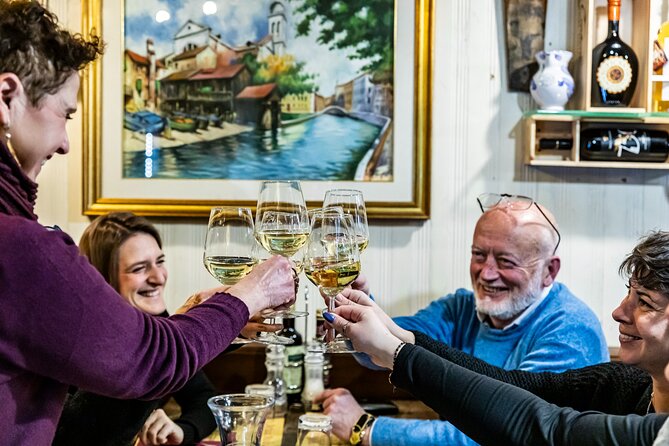
- A spritz demo plus cicchetti tastings gives you a Venetian-style aperitivo skill you can use later.
- Cannaregio walking route includes Ponte Chiodo and quieter canals/alleyways.
- Seasonal dessert finish switches between tiramisù (Nov–Feb) and gelato (Mar–Oct).
Why this Venice food tour feels like the real city
Venice can be loud, crowded, and weirdly repetitive when you eat near the big sights. This tour keeps you moving through different neighborhoods and builds the meals around what Venetians actually order for quick bites and aperitivo time.
The format is designed for comfort. You’re not racing from restaurant to restaurant. Instead, you’re stopping often enough to stay satisfied while still walking through the city’s smaller lanes—where you start noticing how people actually live with the canals and bridges.
For me, the standout is how often food and city context show up together. You’re tasting mortadella and pizza at Rizzo Venezia, then switching to Prosecco and classic savory bites, and later breaking bread again in bacari style. That sequence matters because Venetian eating is seasonal, local, and very tied to routine.
You can also read our reviews of more food & drink experiences in Venice

The overall route: what 3.5 hours feels like in Venice
Expect about 3 hours 30 minutes of touring, with multiple short tastings plus a couple longer walking segments. The pacing is easy enough to handle on a day when you’ve already done some sightseeing, but it still feels like you’re getting a proper neighborhood introduction.
It’s also very walk-forward. After a few food stops, you’ll spend time strolling through Cannaregio, picking up street-level details like Ponte Chiodo and the older areas you usually skim past. Then you’ll shift into the Jewish Ghetto area around Campo de Gheto Novo, where the vibe is more reflective and history-heavy, even while the tour stays tied to what you’re seeing and eating.
Finally, the tour’s end depends on season:
- November to February: you finish with tiramisù at Pasticceria Nobile
- March to October: you finish with gelato at Bacaro del Gelato
That seasonal change is more than a menu swap. It’s a nice way to match the mood of the weather and the way Venetians treat dessert.
Stop 1 at Rizzo Venezia: bakery dating to 1905
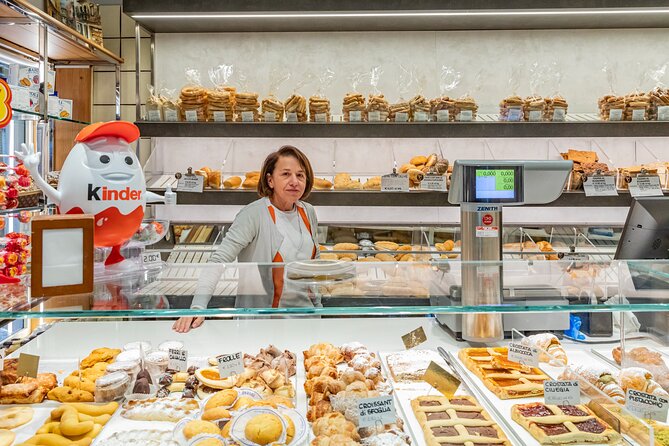
Your first stop is Rizzo Venezia, a historic Venetian bakery and street food shop serving locals since 1905. This is the kind of place where you get the feeling that locals have been grabbing quick, satisfying food here for generations.
The tasting here is classic and straightforward: a mix that includes mortadella, pesto, and buffalo mozzarella pizza. In other words, you’re not starting with something complicated or fussy. You’re starting with recognizable Venetian flavors, in a way that sets you up to enjoy the rest of the walk.
If you’re the type who wants a strong start—something savory, familiar, and distinctly local—this opening fits the bill. If you hate walking soon after your first bite, just know Venice is Venice: you’ll be on your feet within minutes.
Calle San Felice: Prosecco with a Venetian savory trio
Next up is Calle San Felice, where you get a glass of DOCG Prosecco paired with two traditional Venetian bites. This is the tour’s “aperitivo with a point of view” moment.
The snacks are described as:
- a savory meatball
- polenta topped with shrimp in saor
Saor is one of those Venetian signatures that can surprise first-timers—sweet-sour flavors with a deep local identity. Pairing it with sparkling Prosecco makes it feel lighter and more celebratory, which is exactly how Venetians often treat aperitivo time.
Practical tip: Prosecco and seafood flavors can be a strong combo. If you’re sensitive to alcohol, pace slowly and remember you’ll keep walking.
Cannaregio stroll: Ponte Chiodo and quieter Venice lanes
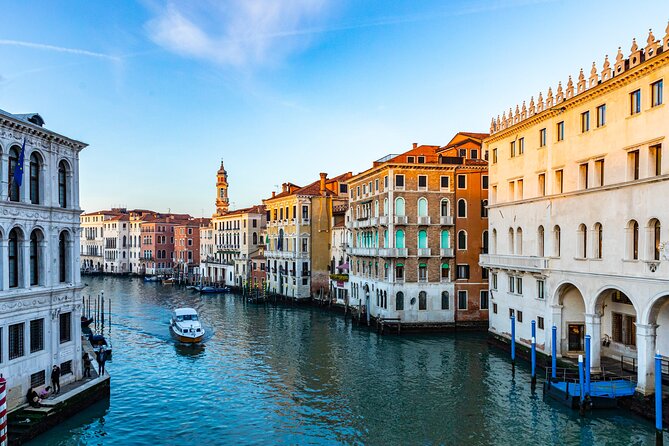
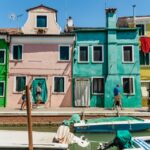
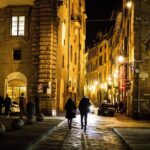
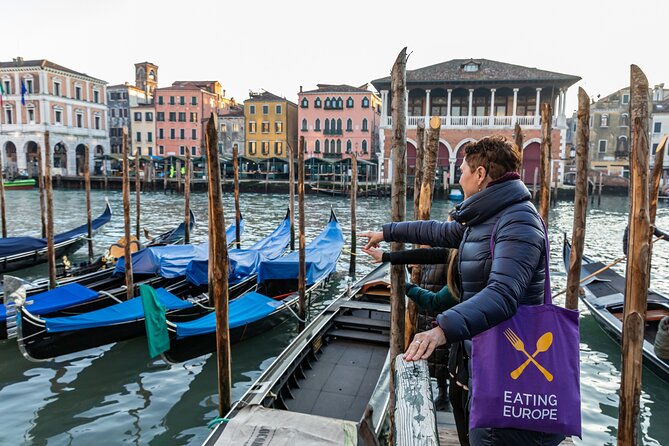
After the tastings, you get a panoramic stroll through Cannaregio, one of the neighborhoods where Venice feels less like a theme park. You’ll pass by Ponte Chiodo, noted as Venice’s only bridge without railings, plus the historic Misericordia.
This section matters because it breaks the “eat, repeat, selfie” loop. You’re walking through canal-side scenery, quieter alleyways, and the kind of street rhythm that makes later tastings make more sense.
If you’re hoping for panoramic views every five minutes, this part is more about atmosphere than dramatic overlooks. Think: slow walking, small sights, and getting your bearings fast so you can navigate later on your own.
You can also read our reviews of more tours and experiences in Venice


The Jewish Ghetto at Campo de Gheto Novo: a meaningful pause
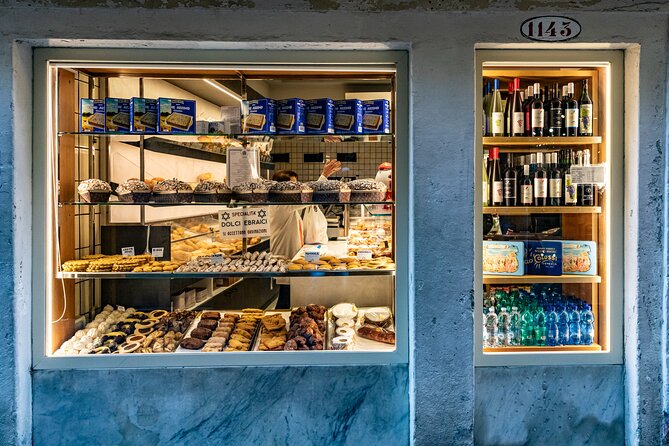
One of the tour’s most interesting segments is the walk through Venice’s Jewish Ghetto around Campo de Gheto Novo, described as the world’s first ghetto and an enduring symbol of resilience.
This is where the tone can shift. Even if you’re still eating and drinking at a light level elsewhere, this stop asks you to pay attention. The setting is historic, and you’ll likely hear how the quarter shaped community life over time.
A consideration here: if you’re expecting a deep, food-focused tour devoted entirely to Jewish cuisine, you may find the time is shared between walking and multiple other Venetian tastings. The emphasis is on context, not an all-day culinary history seminar.
Cantina Aziende Agricole: artichoke risotto and a local drink
Cantina Aziende Agricole is where tradition meets something more modern in presentation. You’ll step inside for a tasting of creamy artichoke risotto, paired with a local wine or beer.
Artichokes are a very Venetian-leaning choice—comforting, earthy, and a good change from the earlier seafood and cured-meat flavors. Risotto also lets you judge a key Venetian skill: texture. You’re not just tasting what it is; you’re tasting how it’s cooked.
This stop can be a great reset for your energy. If you’ve been wandering in the heat or have been on your feet all day, risotto plus a drink usually lands well.
A La Vecia Papussa bacaro: spritz demo and cicchetti bites
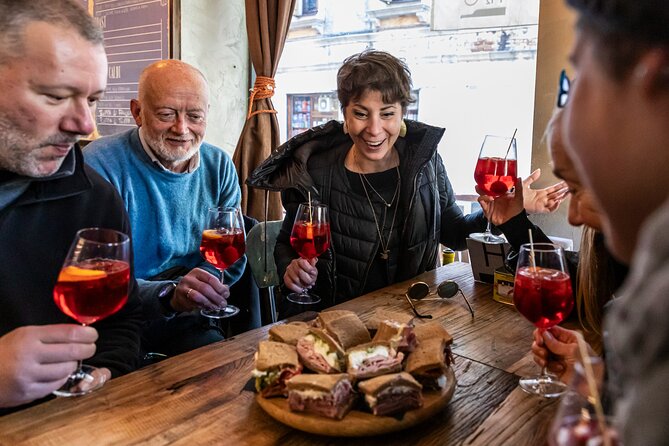
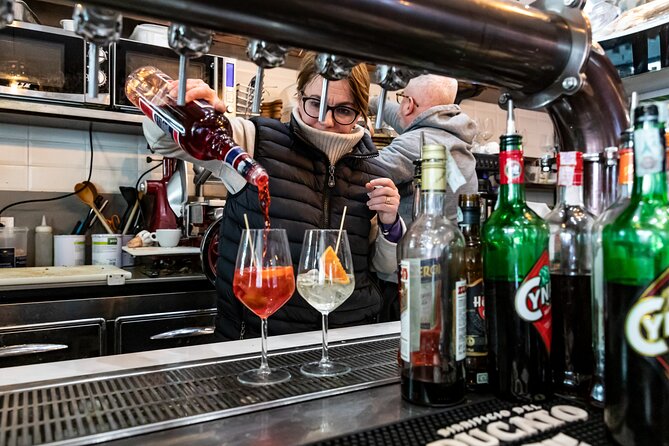
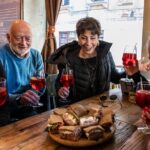
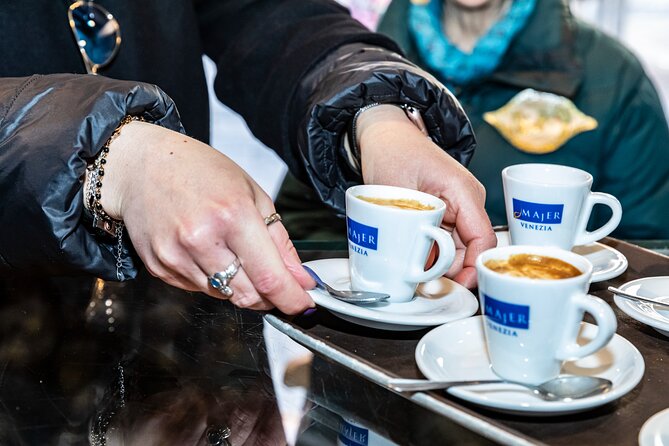
A La Vecia Papussa is a cozy bacaro where you’ll get a spritz-making demo. That demo piece is important. It turns the tour from just tasting into learning the rhythm of Venetian aperitivo.
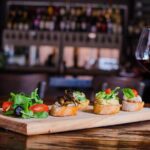
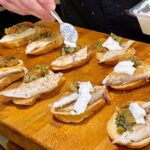
Then you’ll sip a classic spritz and taste two traditional cicchetti—tiny Venetian sandwiches with codfish and sadrines, or shrimp in saor. Cicchetti are the whole point of the bacaro culture: small portions, big variety, eaten at a standing-table pace.
This is also one of the most fun parts to bring home. Once you’ve seen how the spritz is made and how the bites pair with it, it’s easier to order at other bacari later without feeling lost.
Potential drawback: cicchetti are meant to be small. If you’re after a heavy meal, you’ll need to plan a proper dinner after the tour.
Pasticceria Nobile or Bacaro del Gelato: dessert by season
The tour’s final sweet move changes based on when you go. Between November and February, you end at Pasticceria Nobile for a tiramisù. If you’re in Venice during spring through fall, you’ll close with gelato at Bacaro del Gelato from March to October.
This season switching is a smart match for travel reality. In colder months, tiramisù feels right—cocoa and cream comforts after walking. In warmer months, gelato takes the edge off the day while staying very Venetian.
Either way, it’s a clean ending. You’ve spent the tour learning how Venetians snack and sip, and you finish with the dessert type locals usually crave in that season.
How much food you actually get: plan for snacks, not a feast
The tastings are described as a selection of classic Venetian foods and can vary by day or season. That’s good for variety, but it also means the tour is built around sampling, not full meals.
In plain terms: you’ll leave satisfied and full of ideas, but you may still want a dinner later—especially if you’re a big eater. This also explains why some people might feel the portions are small if they’re expecting restaurant-sized servings.
A practical approach: eat at a normal pace during tastings, take a sip between bites, and save appetite for dinner. If you do want a bigger night meal, you’ll probably appreciate the tour more because you won’t feel stuffed from start to finish.
Price and value: is $125.77 a good deal?
At $125.77 per person for about 3.5 hours, this tour isn’t a budget “grab food and go” experience. But it does offer value if you care about how Venice eats, not just where it photographs well.
You’re paying for:
- multiple tastings paired with local drinks
- a local English-speaking guide
- a curated route through neighborhoods like Cannaregio and the Jewish Ghetto area
- “Food & the City” insider tips
Also, the tour caps at 10 travelers, which keeps the guide time from feeling diluted. And the fact that you get a spritz-making demo plus a variety of cicchetti-style bites is more experience than a simple walking snack list.
If your main goal is saving money and maximizing calories, a cheaper self-guided route might suit you. But if your goal is learning what to order and experiencing Venetian bacaro culture correctly, the cost starts to make sense.
Guide quality and the small-group advantage
This type of tour lives or dies on the guide. The names you’ll hear from past groups include Giulia, Flavia, Alana, Joe, Gianmarco, Daniela, Anna, Cecilia, Ana, and others. Across those examples, the common thread is energy, clear English, and the ability to connect food with what you’re walking past.
Small-group format matters here. With a maximum of 10, you’re more likely to get direct answers while standing by a counter, and the pacing can flex without the tour feeling chaotic.
One more detail I appreciate from the guide approach: some guides include light walking breaks, which helps you process the food before the next stop. Venice is all walking anyway, so it’s a good match.
What to do if you have dietary needs
Dietary requests are supported if you ask in advance (by email or by adding a note at booking). The tour says it will do its best for vegetarians and gluten-free guests, among others.
But there’s also a safety line: this experience isn’t suitable for people with severe or life-threatening food allergies to ingredients found on the tour. If you fall in that category, you’ll want to think carefully and contact the provider before booking.
Tip for everyone: when you book, be specific about what you can’t eat. Venice menus can be flexible, but hidden ingredients and cross-contact are still real.
Logistics you should plan around (so your day stays easy)
This tour starts at Campo Santi Apostoli (30100 Venezia VE, Italy). The meeting is easy to find if you use public transportation and plan a little time to orient yourself.
You’ll end in a different location than where you start, so don’t book a tight “next thing” immediately after. Venice is unpredictable underfoot, and you’ll want breathing room.
Also, on certain dates, day visitors staying outside Venice may have a €5 access fee. Check the official site mentioned in the tour info to see which days apply and whether any exemptions are available.
Who should book this tour
Book this if:
- you want a food-first Venice route with real neighborhood stops
- you like aperitivo culture and want to learn how to order
- you’re comfortable walking and want a mix of tastings plus sightseeing
- you want insider tips you can use for the rest of your trip
Skip this (or treat it as a supplement, not your only plan) if:
- you want a full sit-down meal experience with big portions
- you need a very deep dive focused only on Jewish cuisine
- you have severe allergies and need zero risk, because this is still a tasting tour with shared foods
Should you book Eating Venice Food & Drinks Tour?
If you like tasting your way through neighborhoods, this is an easy yes. The route connects food to place in Cannaregio and the Jewish Ghetto area, and the spritz-and-cicchetti format is exactly the kind of Venetian ritual you’ll remember when you’re back ordering on your own.
I’d especially recommend it to first-time visitors who want to avoid eating only where the crowds go, and to people who enjoy learning the small “how-to” details—like how to think about aperitivo and pairing while you’re standing in a bacaro.
If portion size is your top priority, go in with the right expectations: this is built for samples, then you get to carry the knowledge into dinner.
FAQ
How long is the Eating Venice Food & Drinks Tour?
It runs for about 3 hours 30 minutes.
What is the starting point and how does it end?
The tour starts at Campo Santi Apostoli, 30100 Venezia VE, Italy. It ends in a different location, so the exact end details are provided separately.
What tastings and drinks are included?
You’ll get cicchetti-style tastings paired with a glass of DOCG prosecco or regional wine, plus a typical Venetian main dish such as a seafood risotto paired with a Veneto white wine. The tour also includes aperitivo elements like a spritz experience with tastings.
Is there a mobile ticket?
Yes, the tour includes a mobile ticket.
Is the tour offered in English?
Yes, the tour is offered in English.
Can the tour accommodate dietary requirements?
You can request accommodations by emailing or adding a note at booking. The tour says it will do its best for vegetarians, gluten-free guests, and other needs.
Is this tour suitable for severe allergies?
No. The experience isn’t suitable for those with severe or life-threatening food allergies to ingredients found on the tour.
Is there an extra access fee in some situations?
On certain dates, day visitors staying outside of Venice may be required to pay a €5 access fee. The tour provides a link to check which days apply and whether exemptions exist.