REVIEW · VENICE
Glass Lampwork Workshop and Walking in Murano
Book on Viator →Operated by deTourist Venice Valerio Coppo · Bookable on Viator
Glass and churches. In Murano. That combo is the reason this tour works. You’ll leave the usual Venice rhythm, get insider time with Valerio (a Murano local), visit the showroom of the oldest active glass factory (since 1295), and then cap it off with a slow, on-foot look at Murano’s church buildings and glassmaking world. I especially love how the day mixes craft and walking, so it feels like you’re learning the place instead of just passing through.
Two more things I like: the hands-on option (make your own Venetian bead) is taught by Monica, and the group size stays small (max 15) so questions don’t get swallowed by the crowd. One thing to plan for: the optional workshop costs extra on site (30€), and some church details can mean you may want to pay attention to what’s actually included in the stop versus what’s open for separate entry.
In This Review
- Key things to know before you go
- Murano glass feels real here, not staged
- The 2-hour timing: short enough to stay fresh, long enough to matter
- Palazzo Barovier & Toso: the 1295 factory showroom stop
- Inside the lampwork tradition: making your own Venetian bead
- The church walk in Murano: San Pietro Martire, the duomo, and Santa Maria degli Angeli
- Palazzo da Mula: why this stop belongs in a glass tour
- Price and value: what you’re really paying for at 92.92€
- Practical tips so your Murano day runs smoothly
- Who should book this tour (and who might skip it)
- Should you book the Glass Lampwork Workshop and Walking in Murano?
- FAQ
- How long is the Glass Lampwork Workshop and Walking in Murano?
- What does the tour include?
- Is the hands-on lampwork workshop included?
- Where does the tour start in Murano?
- How big is the group?
- Is there an extra Venice access fee?
- What is the cancellation policy?
Key things to know before you go
- Small-group pace (max 15) with a local guide who actually lives the island
- 1295 glass factory showroom at Palazzo Barovier & Toso, plus artisan context
- Lampwork tradition explained and experienced via a local artist and studio visit
- Church walk included, including Murano’s major cathedral stop
- Optional bead-making (30€) to take home a real souvenir you made yourself
Murano glass feels real here, not staged
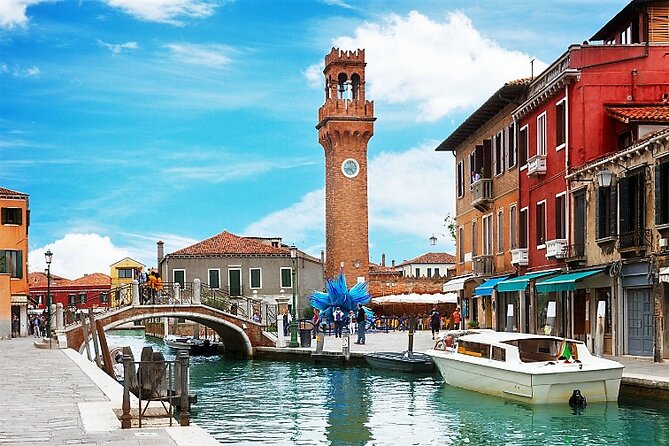
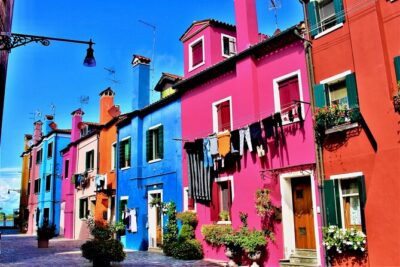
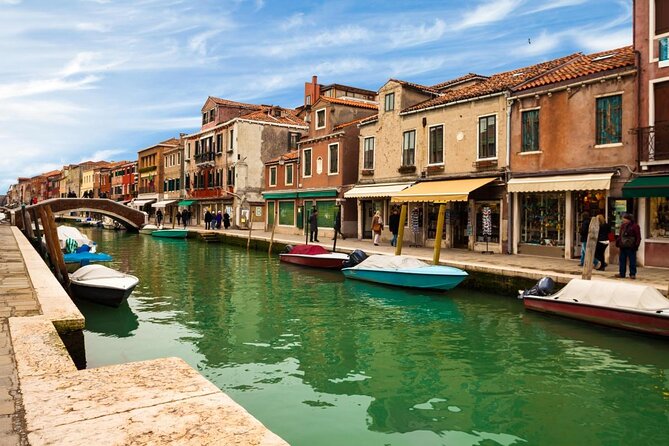
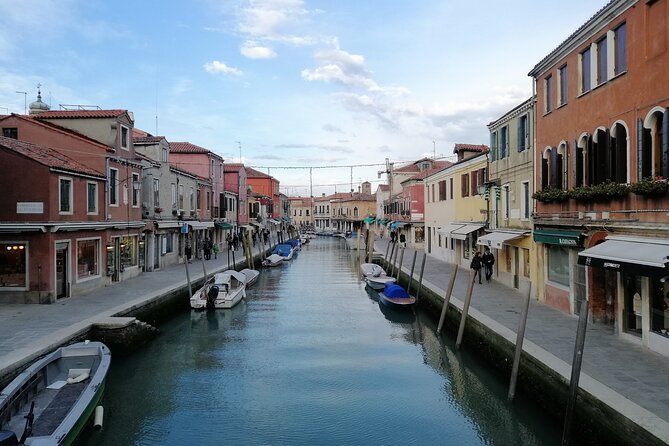
Murano can turn into a blur of shop windows if you go with the wrong tour. This one is different because it’s built around glassmaking people and places, not just browsing. You get beyond the most obvious tourist stops and into the island’s working rhythm, where glass isn’t a theme—it’s a trade.
A local guide matters more than you think. Valerio doesn’t just recite dates. He connects the craft to the island’s daily life, including how modern design still grows out of older techniques. You also get a walking route that helps you read Murano: factories and palazzi on one side, then the churches that signal how important this community has been for centuries.
If you like hands-on experiences, you’ll probably gravitate to the optional bead-making. If you prefer pictures and architecture, the church portion will still give you a good payoff. Either way, the timing is tight enough to fit into a Venice day without feeling like you’ve disappeared for half your holiday.
You can also read our reviews of more walking tours in Venice

The 2-hour timing: short enough to stay fresh, long enough to matter
This tour runs about 2 hours and is designed for a compact route. That’s great for two reasons. First, you can do Murano even if you already planned to see Venice that day. Second, a short tour reduces the chance you’ll feel dragged through “one more stop” energy.
You’ll be walking on Murano’s uneven streets, plus you’ll likely wait briefly between studio visits and church entrances. So wear supportive shoes. Pack light. Bring water if you run hot. Murano is pretty, but you’ll still be moving.
The meeting point is very specific: Faro di Murano, Fondamenta Piave F. M., 30141 Venezia VE. If you’re using a phone for tickets, make sure it’s charged before you head out. There’s a real-world lesson here: sometimes construction affects meeting points, and shifting by a few minutes can mean you miss the start if you don’t have cell service.
The good news: you’re not on your own once you’re with the group. The tour flow is structured and paced so the stops feel connected, not random.
Palazzo Barovier & Toso: the 1295 factory showroom stop
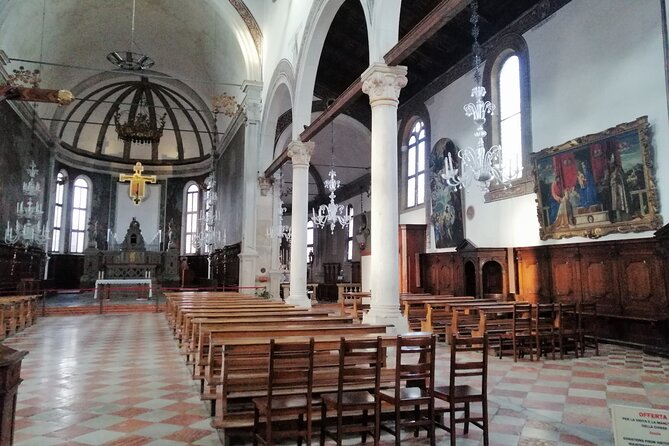
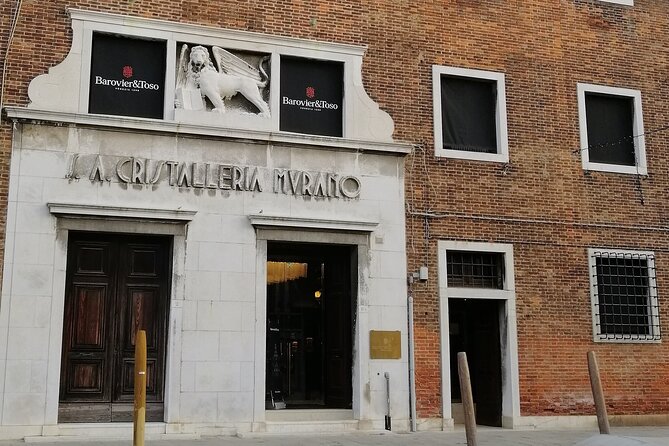
Your first major stop is at Palazzo Barovier & Toso. This is where the tour earns its glassmaking credibility. The highlight isn’t just that it’s famous—it’s that it’s tied to a factory tradition dating back to 1295 and still active.
In practice, what you’re looking for here is the bridge between old and new. Murano glass isn’t only about antique-looking pieces behind glass. You’ll see how craftsmanship and contemporary design share the same language. That context helps you notice details later—like shapes, colors, and finishing—when you wander shops on your own.
A showroom visit is also a smart choice in a short tour. It gives you a clear overview without demanding you sit through a long factory presentation. You get the inspiration fast, then you move on to the parts that make it personal.
One small consideration: if you’re hoping for a full production-floor look at molten glass at every stop, this exact format may feel more like education plus access rather than continuous on-camera action. That said, the tour still delivers with artisan time and the lampwork option.
Inside the lampwork tradition: making your own Venetian bead
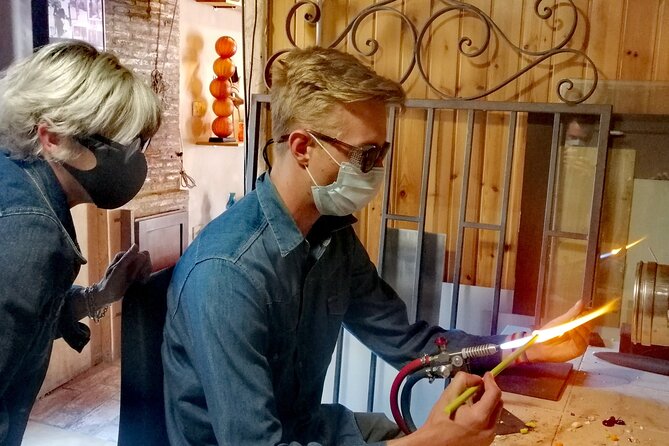
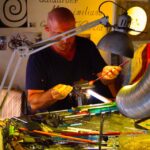
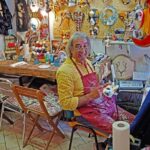
This is the moment most people remember, and for good reason. The tour includes a visit with a glass artisan—lampwork or glass blowing—so you understand the technique before you decide whether to go hands-on.
Hands-on bead-making is optional and costs 30€, paid on site. If you take it, you’ll be guided through the lampwork process by Monica, and you’ll create a Venetian bead you can take home. That’s a big difference from buying a souvenir off a shelf. You’ll know how small decisions in the process change the final look.
Also plan around the cooling step. A bead that’s made with heat needs time to cool properly, and you’ll want the rest of your day to work with that. A practical tip: aim for lunch close by right after the workshop. It makes the timing painless and lets your bead settle before you pack it.
If you’re traveling with kids, this is one of the easiest ways to turn Murano from something you watch into something you participate in. If you’re an artist at heart, it gives you a tangible reference point for what you’re seeing across the island.
The church walk in Murano: San Pietro Martire, the duomo, and Santa Maria degli Angeli
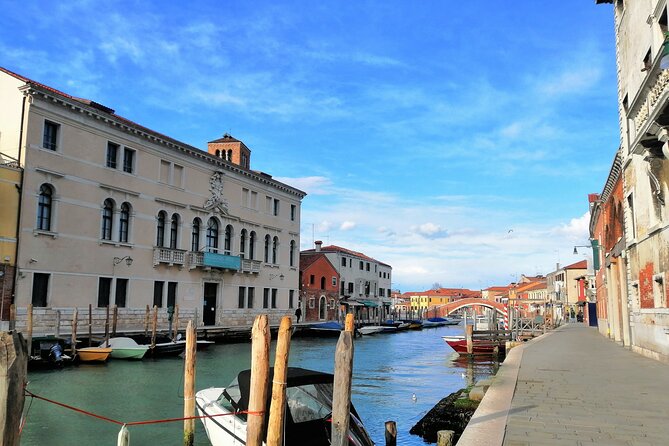
After glass comes architecture, and the tour keeps it relevant. The walking stops aren’t random photo breaks. They’re part of how Murano’s identity shows up in stone, mosaics, and design.
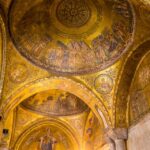
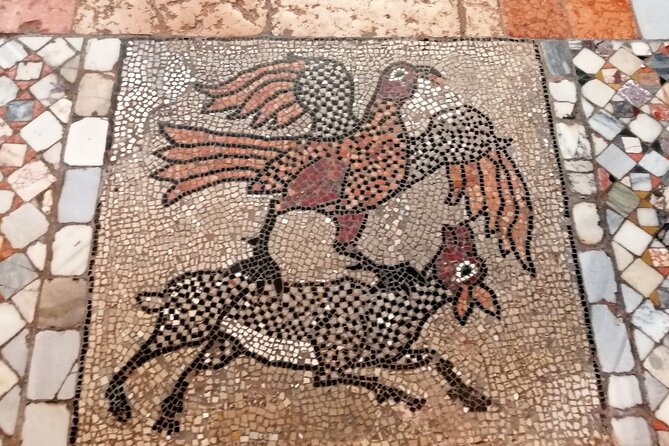
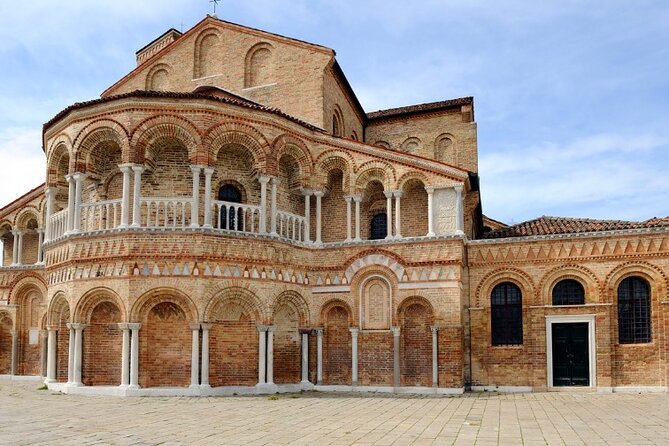
You’ll visit Chiesa di San Pietro Martire and Duomo di Murano Santi Maria e Donato. Murano’s cathedral stop is especially important because it connects the island to older artistic influences. The tour highlights Byzantine-style, 12th-century mosaics, which are the kind of details you’d miss if you only chase glass shops.
Then you’ll continue to Chiesa di Santa Maria degli Angeli. This stop rounds out the walk and gives you a sense of how spread-out Murano’s spiritual and artistic landmarks can feel when you’re actually walking.
One consideration: some churches have areas that are open only at certain times or may require extra entry for particular chapels or sections. This tour includes the churches as part of the route, but you should still be mentally prepared for the possibility that you might want to pay extra later if you want to see more than what’s covered in the scheduled stops.
If you love seeing how art traditions overlap—mosaic work alongside glass craft—you’ll get a neat mental comparison here. Both are about surface, light, and patience. The materials change; the effort is the same.
You can also read our reviews of more tours and experiences in Venice



Palazzo da Mula: why this stop belongs in a glass tour
Palazzo da Mula may not sound as exciting as a furnace, but it fits the story. Palazzi like this reflect the wealth and influence connected to Murano’s glass trade. They’re visual proof that glassmaking wasn’t only a craft—it could build power, taste, and prestige.
In a short tour, this kind of architectural stop keeps the day from becoming one-note. It also gives you a way to recognize Murano isn’t just workshops and souvenirs. There’s a cultural layer here, and palazzi help you see it.
If you’re the kind of traveler who likes “how do you know this mattered,” palazzi are your answer. They explain the island’s status without needing a lecture.
Price and value: what you’re really paying for at 92.92€
At $92.92 per person, you’re paying for more than a walk. You’re paying for guided access, interpretation, and time with glass people and places. The tour includes a Tour Leader & Nature and Interpretive Guide, plus a visit with a glass artisan and a showroom stop at the oldest active factory.
Here’s the honest value picture:
- You get multiple meaningful stops (a major glass-related showroom plus churches and architecture).
- You get a small-group format, which makes Murano feel calmer and more personal.
- You get the option to make your own glass bead, which turns the day into a take-home memory rather than an eyeful-only outing.
Then there’s the optional cost. If you add bead-making, you’re also looking at 30€ paid on site. For many people, that’s still a good deal because you’re buying something you personally made with a local instructor.
One more note: if you’ve ever been in tours where you feel pushed to buy, this one is more relaxed by design. Your experience is about seeing and learning, with the bead-making option as the choice point.
Practical tips so your Murano day runs smoothly
A few small choices make a big difference.
First, plan your schedule. This tour ends back at the meeting point, and it’s about two hours. If you want lunch or a post-tour gelato nearby, build that in. One review-style detail you should copy: after making your bead, give it time to cool, and don’t rush yourself into long transit right away.
Second, bring questions. Valerio’s strength is connecting history to what you’re seeing now. Ask about what to notice when you walk into other glass shops. Ask what pieces reflect older techniques versus modern design.
Third, think like an island walker. Murano is walkable, but it’s not a smooth city. Move steadily, take breaks when you need them, and keep your phone handy for the end-of-tour directions.
Finally, check the Venice access fee rules if you’re not staying in Venice. On certain dates, people visiting for the day from outside Venice may need to pay a €5 access fee. The details and exemptions are posted by the local authority, so confirm before you commit your day.
Who should book this tour (and who might skip it)
This is a great fit if you:
- want a short, structured Murano day that still covers real glass culture
- care about hands-on craft, especially if you want a take-home piece
- enjoy churches and mosaics, not just shops
- prefer a small group and a local point of view (Murano guide, not a script)
You might consider a different option if you’re hoping for a fully factory-driven, nonstop glass-blowing show. This tour includes artisan time and a glassmaking showroom, but it’s also designed as a walking + learning route with optional hands-on.
Should you book the Glass Lampwork Workshop and Walking in Murano?
If your goal is to understand Murano and not just shop it, I’d book this. The combination of Valerio’s local guidance, a serious glass stop tied to 1295 tradition, a church walk with mosaic context, and the chance to make a Venetian bead with Monica is exactly the kind of balanced experience that turns a day trip into something you’ll remember.
Just go in with the right expectations: the 92.92€ price covers the core tour and artisan/showroom access, while the hands-on bead-making is an optional 30€ add-on. If you’re okay with that, and you’re willing to walk a bit and plan a little time for cooling your bead, this is a strong value choice.
FAQ
How long is the Glass Lampwork Workshop and Walking in Murano?
It runs for about 2 hours (approx.).
What does the tour include?
You get a tour leader/interpretive guide, a visit with a glass artisan (lampwork or glass blowing), and a visit to the showroom of the oldest glass factory in the world. The tour also includes the Murano walking portion with churches.
Is the hands-on lampwork workshop included?
The hands-on lampwork/bead-making workshop is not included. It’s optional and costs 30€ on site.
Where does the tour start in Murano?
The meeting point is Faro di Murano, Fondamenta Piave F. M., 30141 Venezia VE, Italy. The tour ends back at the same meeting point.
How big is the group?
The tour has a maximum of 15 travelers.
Is there an extra Venice access fee?
On certain dates, day visitors who are staying outside of Venice may need to pay a €5 access fee. Check details and exemptions on the official site listed in the tour info.
What is the cancellation policy?
You can cancel for a full refund up to 24 hours before the experience starts. If you cancel less than 24 hours before, the amount paid is not refunded.