REVIEW · VENICE
Full Venice Walking Tour: Doge’s Palace and St. Mark’s
Book on GetYourGuide →Operated by Gray Line Venice - Park Viaggi · Bookable on GetYourGuide
Venice runs on symbols and street corners. This walking tour stitches together the city’s most recognizable sights with quieter stops in between, so you see not just landmarks, but how Venetians lived—down calli and out into social squares. I especially like that you get skip-line access for Doge’s Palace and St. Mark’s Basilica, plus a guided thread that connects the Venetian Empire to what you’re looking at.
One thing to plan for: even with skip-the-line entry, security checks can still create waiting, especially around peak times or on busy dates. The upside is that once you’re through, the time inside the big monuments is well-paced and memorable.
In This Review
- Key Things You’ll Remember
- Piazza San Marco Gets You Oriented Fast
- The Calli and Campi Part: Venice Beyond the Postcard Shots
- Doge’s Palace: Skip-Line Access Meets Real Political Power
- St. Mark’s Basilica: Byzantine Mosaics and the Pala d’Oro
- The Extra Stops That Make the Tour Feel Like Venice (Not Just Museums)
- Time on Your Feet: 4 to 4.5 Hours in Real Venice Terms
- Price and Value: Is $142.74 Fair for What You Get?
- What to Wear and Bring So You Don’t Waste Entry Time
- Should You Book This Full Venice Tour?
- FAQ
- Where does the tour start and end?
- How long is the walking tour?
- What is included in the price?
- Is food included?
- What skip-the-line access do I get?
- What languages are offered?
- What should I bring?
- What clothing rules apply for St. Mark’s Basilica?
- Are bags allowed?
- Is the tour wheelchair-friendly?
- FAQ
- What’s the cancellation policy?
- Can I reserve and pay later?
Key Things You’ll Remember
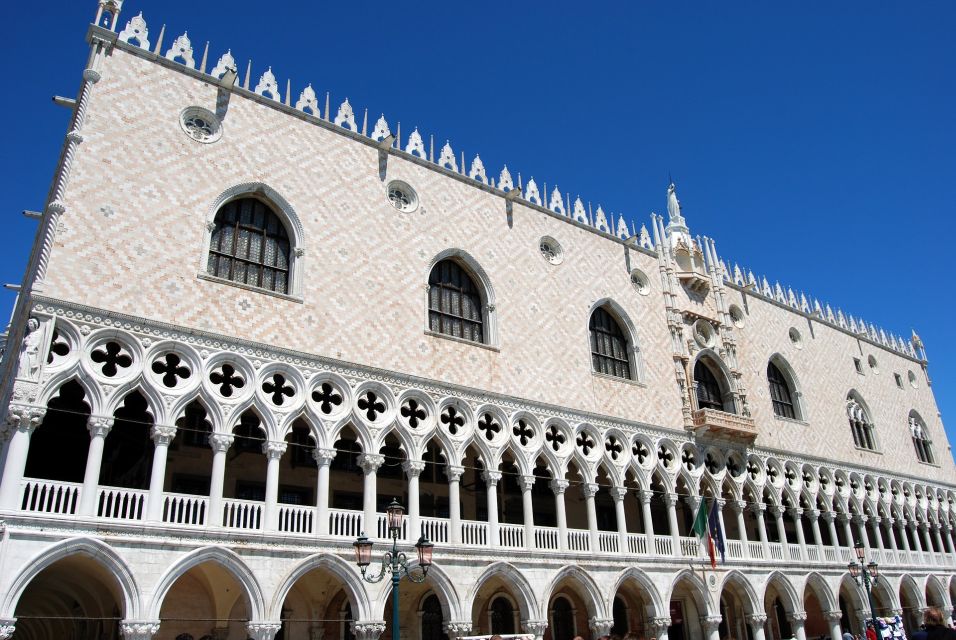
- Skip-the-line focus on Doge’s Palace and St. Mark’s Basilica, with guided context that helps the art make sense
- Piazza San Marco to Le Mercerie route: you’ll move through iconic public spaces and Venice’s former shopping heart
- Scuola Grande di San Marco and the Great School of Charity angle, including its links to influential 15th-century explorers
- SS. Giovanni e Paolo and the Pantheon-style feel of the church stop, a strong contrast to St. Mark’s area
- Pala d’Oro and Byzantine mosaics at St. Mark’s, plus a Treasury visit for extra religious-art impact
Piazza San Marco Gets You Oriented Fast
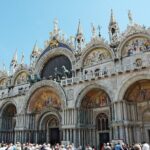
This tour is built on a smart idea: start in the place where Venice’s power, religion, and civic life all overlap—Piazza San Marco. From there, you’re not just “walking around.” You’re getting a mental map of the city. You’ll learn why the Venetian Empire mattered, how St. Mark became tied to Venice, and how public buildings around the square still explain the city’s priorities.
I like the way the early stops keep you moving without turning the walk into a blur. You’ll hear about landmarks you can spot right around the arcades—external views of the Procuratie and the St. Mark’s Clock Tower—so when you later look back at the square, it feels clearer instead of chaotic. Venice is famous for looking dramatic, but it can be confusing too. This kind of guided sequencing helps you get your bearings quickly.
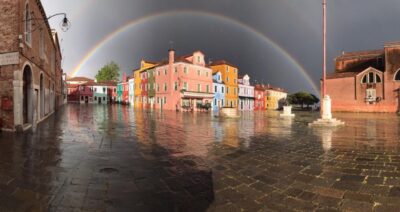
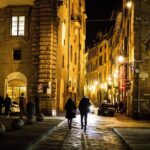
And then, like Venice always does, the route starts bending you toward the quieter parts: narrow alleys and little squares where people actually gather. Those in-between moments matter because they’re what make the iconic stops feel grounded. You’re seeing Venice as a lived-in city, not a theme park of single photos.
You can also read our reviews of more walking tours in Venice


The Calli and Campi Part: Venice Beyond the Postcard Shots
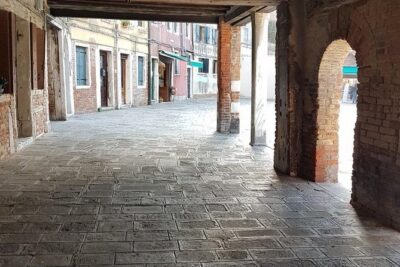
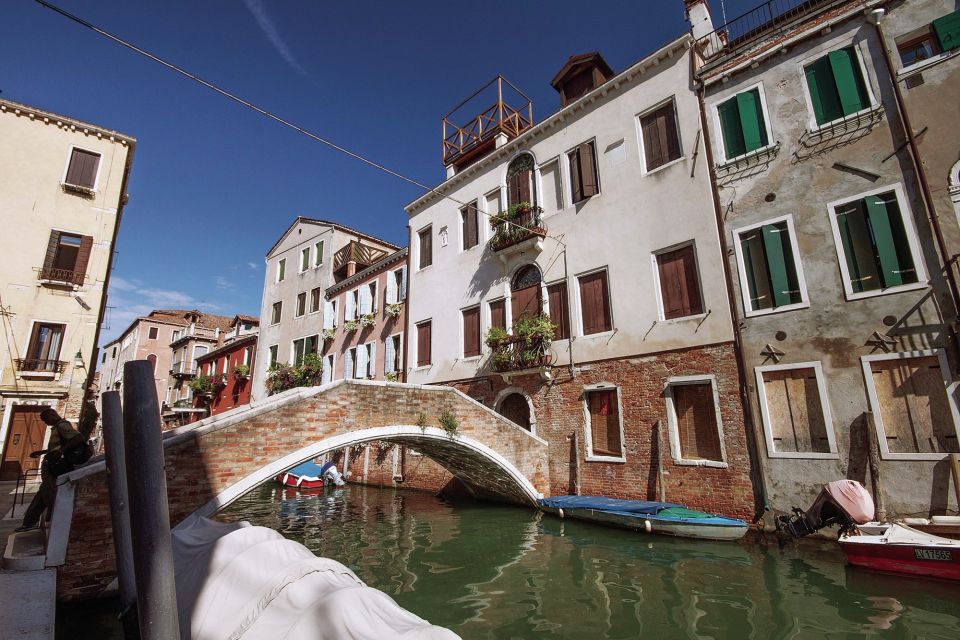
Here’s where the experience earns its keep. Between the big monuments, you’ll stroll along calli (tight lanes) and pause in small squares where Venetians socialize. These spaces often look plain until you notice the rhythm—where people sit, where they meet, and how the street layout shapes everyday life.
The guide’s job in these sections isn’t to throw dates at you. It’s to connect what you’re seeing to why Venice is built the way it is—water-adapted streets, civic spaces shaped for gatherings, and a city that grew around its public institutions. You’ll also get little facts aimed at helping the city feel less mysterious: why Venice calls itself the Serenissima, what the city valued over centuries, and how that shows up in art and architecture.
A practical bonus: the walk segments are short enough that you’re never stuck staring at a single building for too long. You get variety. One minute you’re moving past quiet side streets; the next you’re near a major church or a famed charitable institution. It keeps attention up and fatigue down, which is key on a 4–4.5 hour outing.
Doge’s Palace: Skip-Line Access Meets Real Political Power
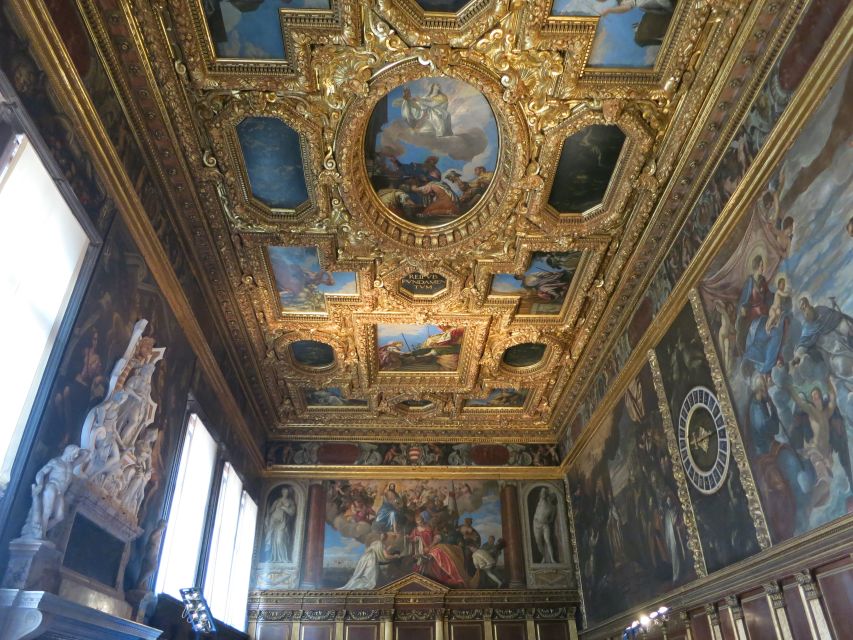
The Doge’s Palace is the kind of place that can swallow your attention—too many rooms, too much symbolism, too many stories. That’s exactly why the guided approach is valuable. You go in with a framework, so the palace doesn’t become just a spectacular building you can’t organize in your head.
You’ll start with skip-the-line access, but remember the tradeoff: Venice still requires safety checks. So the “skip-line” benefit is real, yet not magic. What it does offer is a smoother route through the busy entry flow. Once you’re inside, you’re guided through rooms that once held Venetian political power, and you’ll see how that power is reflected in art.
The best part is how the palace’s atmosphere supports the narrative. The space feels official, even overwhelming. That’s where the guide helps. You’re not just looking at masterpieces—you’re learning what they were meant to communicate. The result is that you leave understanding the palace as a symbol of government and influence, not just a museum.
If you’re an art lover, Doge’s Palace delivers. If you’re more of a “show me what matters” traveler, you’ll still get value because the guide ties the art to the city’s identity. It’s one of the stops where the experience is strongest: you see the iconic symbols and learn how they fit into Venice’s political story.
St. Mark’s Basilica: Byzantine Mosaics and the Pala d’Oro
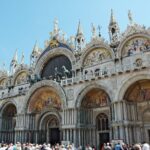
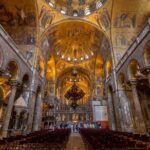
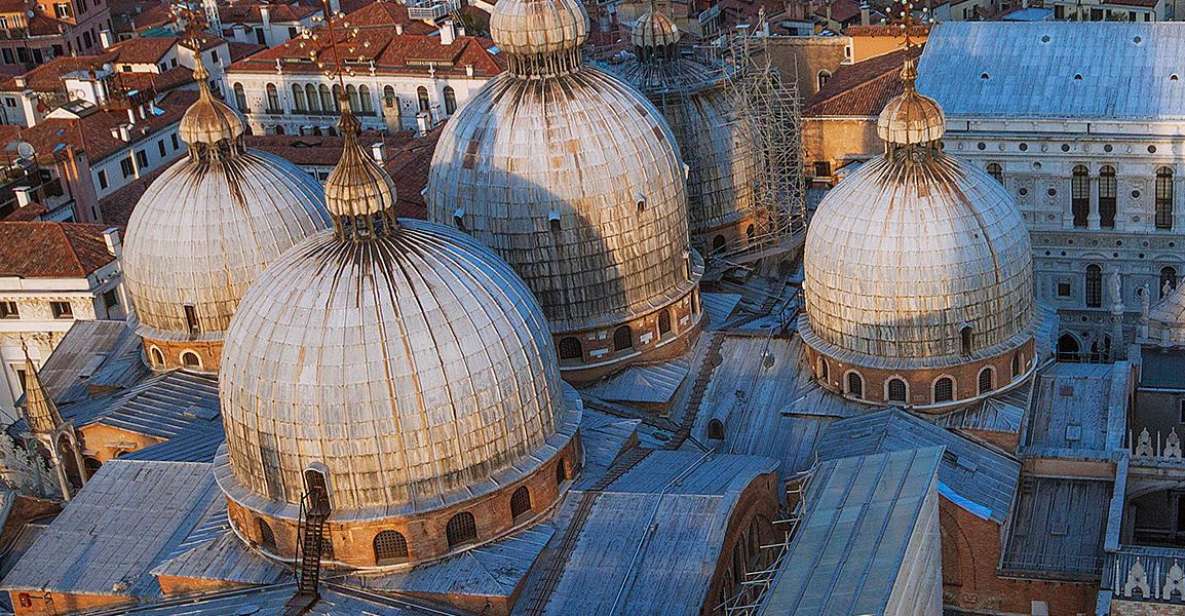
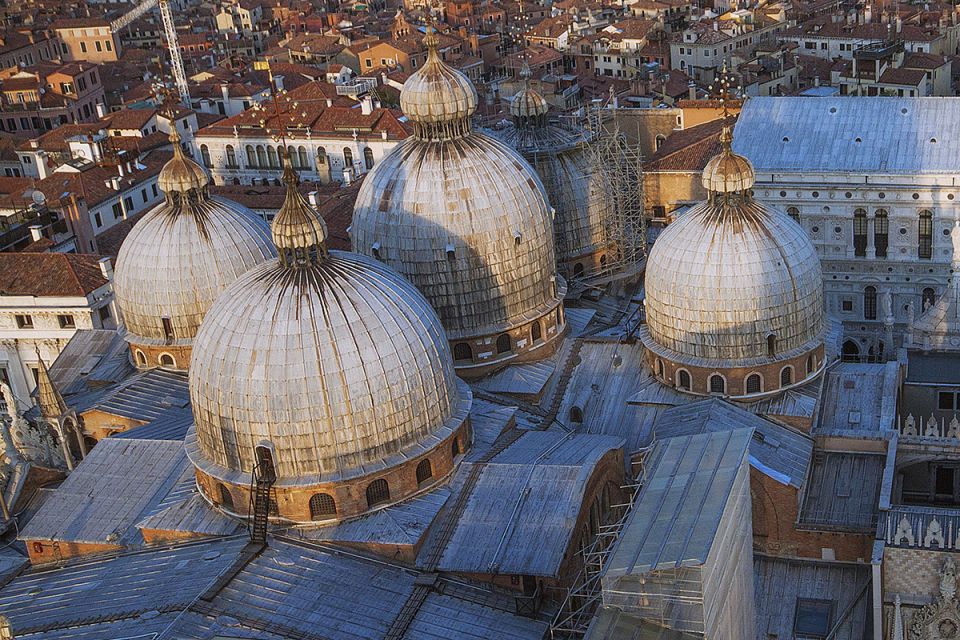
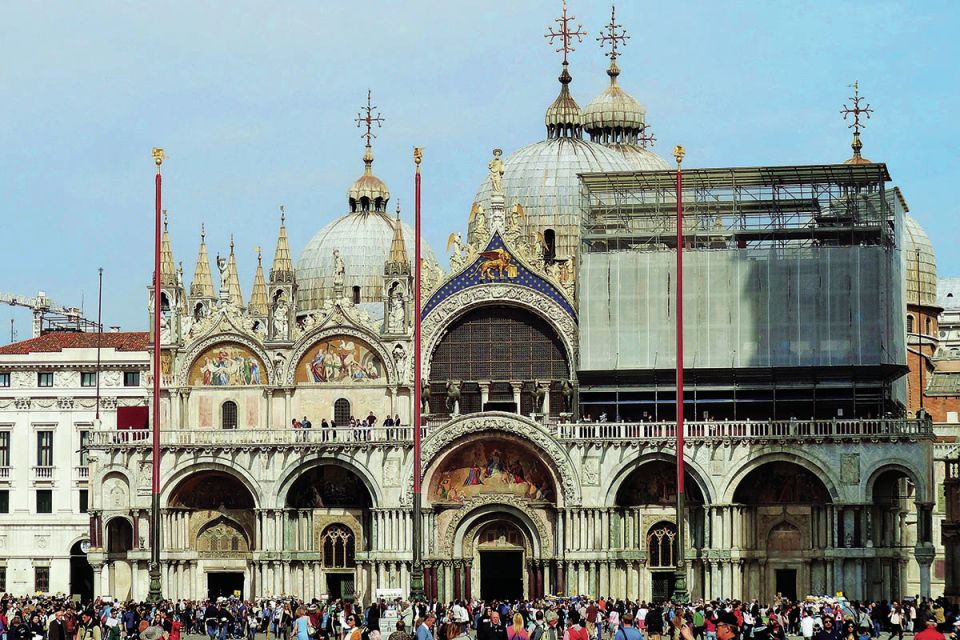
St. Mark’s Basilica is the big visual payoff of the tour. Even if you’ve seen photos, the inside can hit differently once you’re standing there. Gold mosaics and marble inlays fill the space with pattern and light. It’s not subtle, and it’s not trying to be.
What makes this stop work best is that you’re guided through the story of Saint Mark and why his ruins came to rest here. That religious context matters because it changes how you interpret the art. You’re not only admiring craftsmanship; you’re understanding what the imagery was designed to reinforce in Venice’s spiritual and civic identity.
Then comes one of the standout treasures: the Pala d’Oro. This is described as gem-encrusted, and that matches what you should expect—an intense focus of detail that’s hard to process from a quick glance. You’ll also visit the Treasury to see religious art beyond the main mosaic view.
One more practical point: dress appropriately. You’ll want clothes that cover bare knees and bare shoulders. If you arrive underdressed, you might need a workaround or you could face entry problems. Bring the right outfit and you protect your schedule.
The Extra Stops That Make the Tour Feel Like Venice (Not Just Museums)
Not every tour adds useful detours. This one does, and it’s why the walk feels richer than a straight “two-ticket” itinerary.
You’ll make time for Campo Santa Maria Formosa, where you can admire the church of SS. Giovanni e Paolo and its famous Pantheon-style reputation. The mood shifts here: it’s still grand and historic, but it doesn’t compete with St. Mark’s for sheer spectacle. That contrast helps you notice details and compare styles without your brain melting from all the gold and marble in one direction.
Next, you’ll reach the Scuola Grande di San Marco, also known as the Great School of Charity. This stop isn’t only about architecture. It’s about the social side of Venice—how charitable institutions supported society and how influential members shaped reputations. The connection to the Captains of Fortune, including some of the great Italian explorers of the 15th century, gives the stop a sense of adventure. You start seeing Venice as an engine for exploration and power, not just a city of canals.
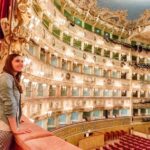
As you head back toward Piazza San Marco, you’ll also spot the Teatro Malibran. You’ll hear about it as once the biggest, most beautiful, and richest theatre in the city. That detail gives you a different lens on the area: this wasn’t only governance and prayer. Venice was also performance, wealth, and public culture.
Finally, you’ll walk along Le Mercerie, once the city’s commercial heart. Even if boutique windows today look modern, the street layout and the idea behind it—shopping as a social and status activity—still come through. It’s a smart way to end the “world” portion of the walk before you step into the two heavy hitters.




Time on Your Feet: 4 to 4.5 Hours in Real Venice Terms
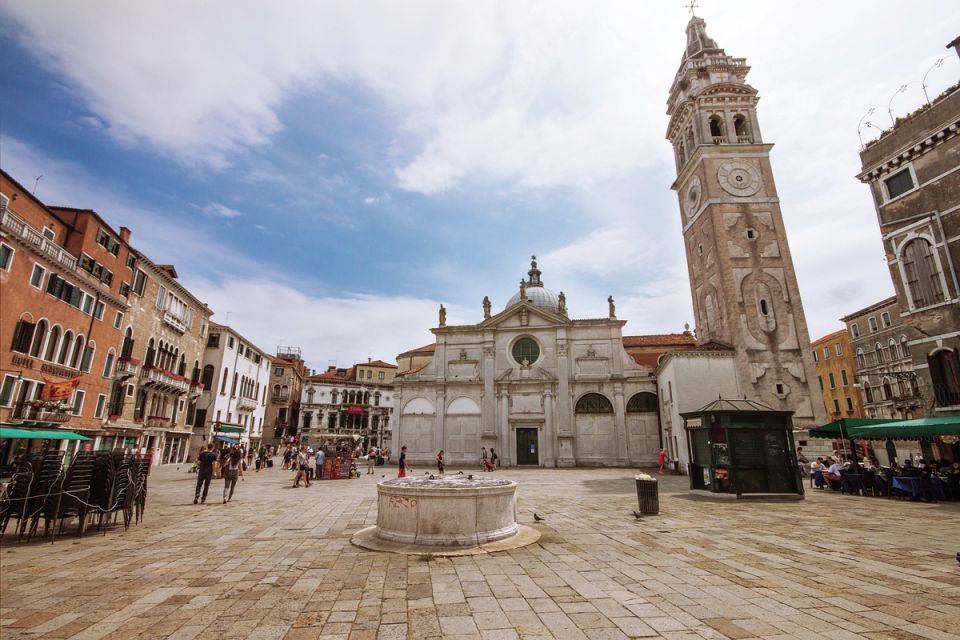
The tour lasts about 4 to 4.5 hours, which sounds reasonable until you remember Venice doesn’t do straight lines. Expect cobblestones, turns, and frequent short pauses for explanations.
This duration works well because it gives you a full set of meaningful sights without turning into an all-day endurance event. It’s long enough to cover major monuments and still learn enough facts to connect the dots. It’s short enough that you don’t need to plan your whole afternoon around it.
Still, you should manage expectations about pacing. Security checks can slow the start of the two main entrances. On busy days, you might feel the group tighten as everyone moves through the same control points. This is where staying attentive matters. I’d plan to keep close to the guide and the front of the group during transitions, especially right before access controls.
Also, you’ll be on foot the whole time. There’s no transport included, and food and beverages aren’t part of the package. That means you should plan a snack or plan your meals around the experience. If you get hungry mid-tour, you’ll lose focus—exactly when you want your attention for mosaics and palace rooms.
Price and Value: Is $142.74 Fair for What You Get?
At $142.74 per person, this isn’t a budget activity. But it can be good value if you care about two specific things: guided context and time saved.
You’re paying for:
- A live guide
- Entrance ticket to Doge’s Palace
- Skip-the-line access for Doge’s Palace and St. Mark’s Basilica
Those components add up. Palace and basilica entry alone can be pricey, and the biggest cost is often your time. In Venice, time is what you pay with your patience. A guided skip-the-line approach reduces the most painful friction—though you may still face security checks.
So here’s the balanced way to think about it: if you’re the kind of traveler who reads signs and wanders, you can do these sights independently. But if you want the stories connected to the symbols—Saint Mark’s link to Venice, how political power shows up in palace art, why institutions like the Scuola Grande mattered—this price starts to feel more reasonable.
If you’re sensitive to small communication issues, there’s one caveat worth considering. Some experiences with guide delivery can vary. If your guide speaks softly or in a monotone rhythm, you might have to lean in harder or ask them to repeat. On the other hand, I’ve seen that guides like Cynthia bring history with passion and practical tips that make the walk easier and more memorable. That kind of guiding is where the price really feels justified.
What to Wear and Bring So You Don’t Waste Entry Time
Venice is forgiving if you’re prepared. It’s not forgiving if you show up unready for entry rules.
Bring:
- Passport or ID card
- Comfortable shoes (you’ll want support for cobblestones and steady walking)
Clothing matters for St. Mark’s Basilica. You’ll need to avoid bare knees and bare shoulders. If you’re traveling in warm weather, this can catch people by surprise. Pack a light layer that works fast.
Bags matter too. You should avoid luggage or large bags. For security reasons, large backpacks or bags aren’t permitted inside St. Mark’s Basilica. The simplest strategy is to travel light: small crossbody, phone accessible, and keep your hands free so you can handle tickets and check points without fumbling.
One more practical trick from experience in Venice: when a radio headset system is used, ask how you carry it if you’re offered one. Even if the string isn’t included in every case, you’ll feel better if you have a plan for keeping the headset comfortable for several hours.
Should You Book This Full Venice Tour?
If you want the best “Venice in a morning-to-midday” snapshot—Doge’s Palace, St. Mark’s Basilica, and the surrounding neighborhoods that give context—this is a solid pick. The walk route makes sense, and the guided thread keeps the city from feeling like a checklist.
I’d especially recommend it if:
- You want skip-line help for major monuments
- You like learning why the symbols matter, not only what they look like
- You’re comfortable walking a lot over 4–4.5 hours
I’d consider skipping or choosing a different format if:
- You’re hard on communication (soft voice or monotone delivery could frustrate you)
- You hate any chance of waiting at security checkpoints
- You need wheelchair-friendly routes, since this one isn’t suitable for wheelchair users
Overall, the value is strongest when you get a guide who speaks clearly and connects the stops into one story—when that clicks, you come away with Venice that feels understandable, not just impressive.
FAQ
Where does the tour start and end?
It starts in Piazza San Marco, and it ends back at the meeting point. The exact meeting point can vary depending on the option booked.
How long is the walking tour?
The tour lasts about 4 to 4.5 hours. Starting times depend on availability.
What is included in the price?
You get an entrance ticket to the Doge’s Palace, skip-the-line access to both the Doge’s Palace and St. Mark’s Basilica, and a live guide.
Is food included?
No. Food and beverages aren’t included.
What skip-the-line access do I get?
You get skip-the-line access for the Doge’s Palace and St. Mark’s Basilica, though security checks may still involve waiting.
What languages are offered?
The live guide is available in English and Spanish.
What should I bring?
Bring your passport or ID card and wear comfortable shoes.
What clothing rules apply for St. Mark’s Basilica?
You should wear appropriate clothes with no bare knees or bare shoulders to enter St. Mark’s Basilica.
Are bags allowed?
Luggage or large bags are not allowed. Large backpacks or bags aren’t permitted inside St. Mark’s Basilica.
Is the tour wheelchair-friendly?
No, it is not suitable for wheelchair users.
FAQ
What’s the cancellation policy?
You can cancel up to 24 hours in advance for a full refund.
Can I reserve and pay later?
Yes. You can reserve your spot and pay nothing today.