REVIEW · VENICE
Friendinvenice Cannaregio &Jewish Heritage- private tour
Book on Viator →Operated by Friend in Venice Private Tours · Bookable on Viator
Venice hides serious history in plain streets. This private Jewish heritage walk in Cannaregio pairs neighborhood life with the stories that shaped Venice’s Republic, from the Ghetto Ebraico to Tintoretto’s house. It runs about three hours and includes English-speaking guiding, plus convenient pickup options.
I especially like how it keeps the focus on real places and everyday Venice. You get a smart look at Cannaregio’s remaining traditions, plus a guided walkthrough that connects religion, rules, and community life in the ghetto area. The guide also keeps it flexible, so your route and emphasis can match what you’re most curious about.
One thing to plan for: the format is tight, so you’ll move briskly across key stops rather than lingering for hours in one spot. Also, on some dates you may need to pay a €5 access fee if you’re coming in as a day visitor from outside Venice.
In This Review
- Key takeaways before you go
- Entering Cannaregio: local Venice before the big stories
- The guide makes it personal, led by Giorgia
- Stop 1: Cannaregio’s traditions, bacari life, and lagoon culture
- Stop 2: Ghetto Ebraico—why the Republic drew lines in 1516
- Stop 3: Casa del Tintoretto on Fondamenta dei Mori
- The walking pace and logistics that actually matter
- Value check: is $162.31 per person worth it?
- Who this tour is best for
- Should you book this private Jewish heritage tour?
- FAQ
- How long is the Friend in Venice Cannaregio and Jewish Heritage private tour?
- Is this tour private?
- Does the tour offer hotel pickup in Venice?
- What language is the tour offered in?
- Are tickets included for the stops?
- Do I need to pay a Venice access fee?
- Is free cancellation available?
Key takeaways before you go
- Cannaregio first: you start where locals still do bacari stops and where you may spot Voga Veneta rowers.
- Ghetto Ebraico context: you walk the area shaped by the Republic’s 1516 decree and shifting permissions.
- Tintoretto’s house: you see Jacopo Robusti’s Gothic home on Fondamenta dei Mori, tied to major masterpieces.
- Guide customization: the experience can be adjusted to your interests, led by Giorgia and others on the team.
- Private group feel: only your group participates, with a more conversational pace than big-group tours.
- Hotel pickup + mobile ticket: easier logistics, especially when you’re coordinating with friends or family.
Entering Cannaregio: local Venice before the big stories

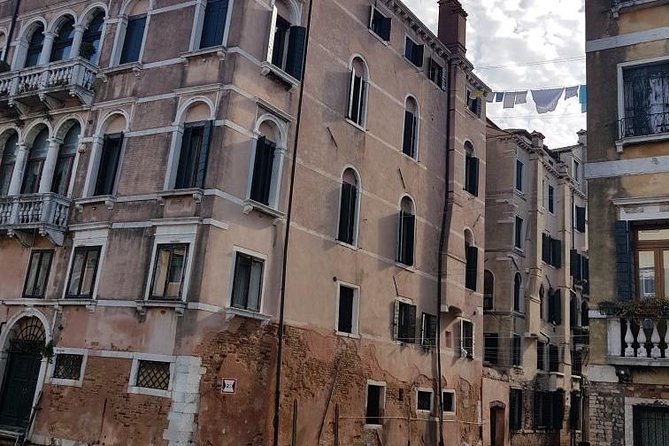
The tour’s sweet spot is that it doesn’t start with a museum door or a big ticket sight. It begins in Cannaregio, Venice’s quieter, more residential sestiere, where you still get a sense of daily rhythm. Cannaregio is also closely tied to water life, with quiet canal corners and nearby rowing activity.
You’ll hear why the area’s name is linked to old reed marshes, then get the idea that Venice didn’t become Venice in one afternoon. It grew—geographically and culturally—and Cannaregio reflects that slow layering. This is where the tour does a practical thing: it helps you get oriented fast, so later history makes more sense when you can picture where people lived and worked.
If you’re a detail person, you’ll likely enjoy the way the guide points out surviving traditions. Cannaregio is where you may encounter bacari that feel more local than tour-farmed, and you might even see children playing games in the street scene. And because it’s connected to lagoon activity, you may spot references to Voga Veneta and rowing associations.
Shoes matter here. Even with a guided flow, you’ll be walking Venetian streets and crossing small canal areas. If you’re planning stiff, tight footwear or you’re not used to cobblestones, this is where you’ll want to be prepared.
You can also read our reviews of more private tours in Venice

The guide makes it personal, led by Giorgia
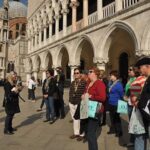
A huge part of the value is the human touch. The standout guide mentioned in the experience is Giorgia—friendly, highly informed, and able to adjust parts of the walk based on your interests. That means the story is not delivered like a script you have to sit through. It’s more like a conversation with an expert who knows what questions to ask you.
I like tours where the guide can balance facts with sensitivity, and this one aims for that. Jewish heritage in Venice includes both community life and legal restrictions over time, so tone matters. Giorgia’s approach is described as careful and caring, and it shows in how the tour frames what happened and why it matters.
If you care about culture and context—not just dates—this is the kind of guiding that can change how you see the city. You’re not only reading signs on buildings; you’re being guided through how Venice functioned as a Republic, how it managed diversity, and how rules shaped daily life.
Stop 1: Cannaregio’s traditions, bacari life, and lagoon culture
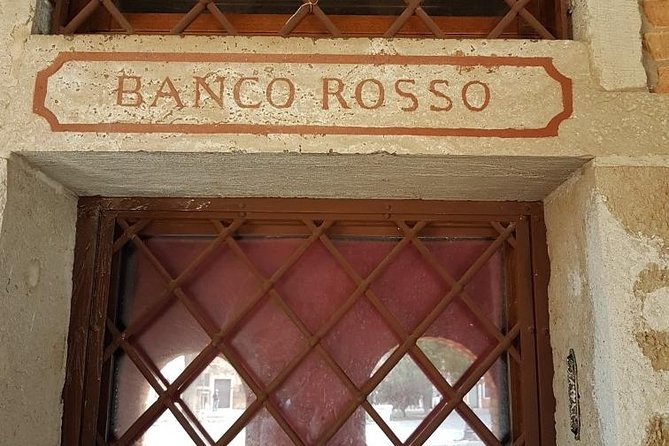
You spend about two hours in Cannaregio, and that time is used well. Instead of rushing to one photo spot, you get the broader neighborhood feel: old Venice patterns, modern visitor pressure, and the traces that survived. The point isn’t that Cannaregio is frozen in time; it’s that some traditions still hold on, and you can notice them if you know what you’re looking for.
Here’s what makes this section feel practical. The guide explains how the neighborhood’s character relates to Venice’s water-centered life—rowers, associations, and calmer stretches of lagoon water away from heavier motorboat traffic. That adds texture to the idea of community life beyond canals and bridges.
If you like food-and-drink culture, this area also tees up the idea of bacari. These are the typical spots locals frequent, and the tour helps you see them as part of the social fabric instead of just places tourists pop into for a quick spritz. You may also get pointers on where children play and where you can spot daily routines—small observations that make Venice feel less like a postcard.
Possible drawback: because the tour is focused on stories and transitions, this part is less about chasing specific, ticketed attractions. If you’re hoping for major indoor sights at every step, Cannaregio may feel more like guided wandering than “big landmark sightseeing.”
Stop 2: Ghetto Ebraico—why the Republic drew lines in 1516
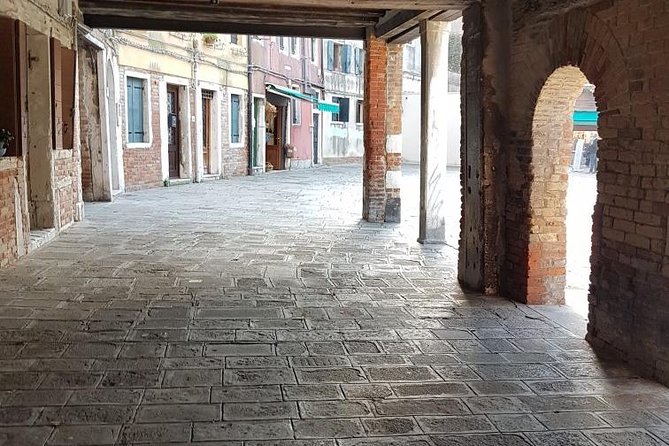
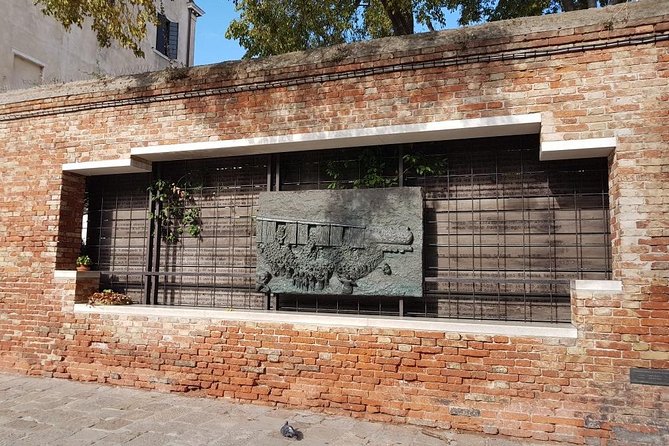
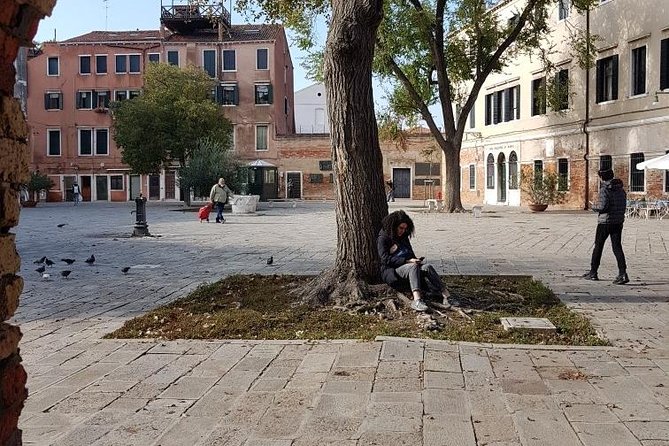
Then you move to the Ghetto Ebraico, and the tone shifts in a meaningful way. This stop is about one hour, and it’s where you get the historical spine of the whole experience. You learn how the number and importance of Jews in Venice grew, and how the Republic responded by organizing their presence.
A key moment is the decree dated March 29, 1516. The Republic required Jews to live in a specific area connected to older foundries, known in Venetian as getti. The tour explains that alongside forced geographic organization, there were identification requirements and strict economic constraints—like managing pawnshops at rates set by the Serenissima.
But it’s not only about restriction. This is one of the most important parts of the messaging: the guide covers how the community gained freedom to practice its faith and received protection in case of war. That balance—permission paired with control—helps you understand how complex Venetian power was.
If you’re visiting Venice for the first time, this section can be a reality check in a good way. Venice often gets packaged as pure beauty, but the Republic also built systems that shaped who belonged and who had limits. Walking the ghetto area with context in your head makes the city feel more honest.
What to watch for: as you walk, pay attention to how the neighborhood’s structure supports the story. Streets and blocks aren’t just scenery here; they’re part of the lived geography of rules, work, and faith.
Stop 3: Casa del Tintoretto on Fondamenta dei Mori
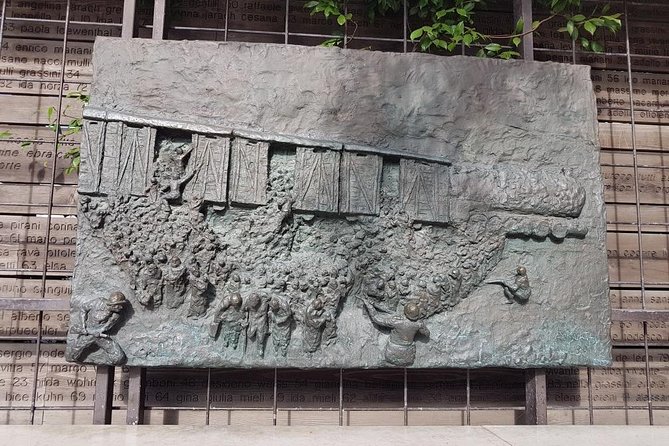
The last stop is short—about 10 minutes—but it’s packed with art history. You’ll visit Casa del Tintoretto in the Cannaregio area along Fondamenta dei Mori, near Campo dei Mori. It’s the home of Jacopo Robusti, better known as Tintoretto (Venice, 1519–1594).
What I like about this stop is that it’s not an abstract art lesson. It’s about placing the artist in a specific, tall-and-narrow Gothic building with a distinctive three-light window on the first noble floor. You also get details on the façade: a plaque marking the house’s significance, plus a small marble statue of Hercules with a club—traditionally said to have been placed there by Tintoretto himself.
Another detail you may notice is a statue of an Arab positioned a few meters left of the entrance door. The tour notes that this helps complete a set of four figures beginning in Campo dei Mori. In other words, this is a stop where the guide nudges your eye to see what you’d otherwise walk past.
You’ll also connect the house to Tintoretto’s broader career. The tour highlights that he lived there for much of his life, aside from a period when he went to the court of the Gonzagas of Mantua between 1590 and 1593. And the guide ties the home to major works you might recognize, including his long project painting for 25 years at the Scuola Grande di San Rocco (between 1563 and 1588), and masterpieces in the Gallerie dell’Accademia.
They also mention his enormous painting Il Paradiso, described as one of the largest canvases in the world at 170 square meters, still found at Palazzo Ducale in the entrance wall of the Sala del Maggior Consiglio. Finally, the tour connects it to where Tintoretto was buried: the remains are kept inside the Church of the Madonna dell’Orto.
Good to know: because this part is brief, it works best if you’re already ready to pay attention. If you tend to rush through street-level stops, go a bit slower here.
You can also read our reviews of more historical tours in Venice




The walking pace and logistics that actually matter
This is a 3-hour private tour, and the timing is shaped around storytelling flow: neighborhood context, then the ghetto’s historical rules, then a quick art stop tied to Tintoretto’s life. The itinerary feels efficient, not chaotic, but you should still plan for real walking time and frequent small transitions.
Pickup is offered off any hotel in Venice, which is a big deal in a city where meeting points can be tricky. You’ll also receive a mobile ticket, and the tour is offered in English. There are multiple start times, so you can match it with other Venice plans like church visits or museum sessions.
The end point is in Cannaregio (with a listed address), which is helpful because you may be able to keep exploring the neighborhood afterward without backtracking too far.
A practical heads-up: the experience notes a €5 access fee on certain dates for some day visitors staying outside Venice. If that applies to you, it’s good to factor it into your budget so it doesn’t feel like a surprise at the last moment.
Value check: is $162.31 per person worth it?

At $162.31 per person, this isn’t a cheap “grab-and-go” tour. But it is priced like a private experience: your group only, guided by someone who can tailor emphasis, with hotel pickup and mobile ticket convenience.
Where the value clicks is in the mix of themes. You get cultural and religious context in the ghetto area, but you also get neighborhood texture in Cannaregio and an art-history connection through Tintoretto’s home. Many tours pick one lane—either a strict history walk or a pure highlights march. This one stitches several lanes into one short time block.
If you’re traveling solo, the price is still tied to the private format. If you’re traveling with a small group, that private feel becomes more appealing because everyone shares the guided time together.
Who this tour is best for
This works especially well if you want a Venice experience that’s not only about famous landmarks. You’ll enjoy it if you like:
- history told with respect and context
- walking in a working neighborhood, not just a central tourist circuit
- art history that connects to real buildings and places
- a guide who can answer questions and adjust the focus
It’s also a good fit if you’re the planner type who appreciates logistics done for you—pickup, mobile ticket, and start times that make scheduling easier.
If you’re hunting for lots of major indoor attractions every stop, you might find the Tintoretto time short and the Cannaregio part more street-and-story than sightseeing sprint.
Should you book this private Jewish heritage tour?
Book it if you want the kind of Venice tour that teaches you how to see the city: the rules behind the Ghetto, the neighborhood life of Cannaregio, and Tintoretto’s presence in the streets. The guide experience described around Giorgia—knowledgeable, friendly, and able to tailor—sounds like the difference between hearing facts and actually understanding them.
Skip it if your must-have list is mostly big-ticket museums and long timed visits. This tour is designed for people who like walking, learning, and paying attention to details.
FAQ
How long is the Friend in Venice Cannaregio and Jewish Heritage private tour?
It lasts about 3 hours.
Is this tour private?
Yes. It’s a private tour/activity, so only your group participates.
Does the tour offer hotel pickup in Venice?
Yes. Pickup is offered from any hotel in Venice.
What language is the tour offered in?
The tour is offered in English.
Are tickets included for the stops?
The Ghetto Ebraico stop includes an admission ticket, and the Casa del Tintoretto stop also includes an admission ticket. The Cannaregio stop is listed as admission free.
Do I need to pay a Venice access fee?
On certain dates, most travelers staying outside Venice who are visiting for the day may be required to pay a €5 access fee.
Is free cancellation available?
Yes. You can cancel up to 24 hours in advance for a full refund.