REVIEW · VENICE
3-hour Best of Venice Highlights Private Walking Tour
Book on Viator →Operated by Private Tours of Venice · Bookable on Viator
Venice makes sense fast. This private 3-hour walking tour gives you a clear storyline, with an art historian guiding your feet and your eyes from St Mark’s Square toward Rialto. I like that it’s built for getting your bearings early and for planning your day with a choice of departure times.
I also like the stop mix and pacing: you’ll spend more time than many quick-hit tours allow, and each main highlight is included with free admission tickets. That means fewer ticket hassles and more time to focus on details like facades, canal views, and the city’s evolving power centers.
One thing to plan for: it’s an outdoor walk, so you’ll be on your feet for the full 3 hours, and the dress code can block entry if you don’t cover knees and shoulders at places of worship.
In This Review
- Key points I’d circle before you book
- Why a 3-hour private Venice walk actually helps
- Starting in Piazza San Marco: the view is the lesson
- Campo Santa Maria Formosa: a small plaza with big roots
- Fondamenta Nove: lagoon views that keep your day from feeling like a march
- Basilica dei Santi Giovanni e Paolo: art, hospital history, and a statue with attitude
- Ponte di Rialto: the skyline icon and the commercial engine
- How the art historian guide changes what you see
- Price and value: $350.91 per person, what you’re really paying for
- Getting your day to flow: logistics that matter in Venice
- Dress code and the €5 access fee you should know
- Who this tour suits best
- Should you book this private Venice highlights walk?
- FAQ
- How long is the Best of Venice Highlights private walking tour?
- Where does the tour start and end?
- What is the price per person?
- Is this tour private?
- What language is the tour offered in?
- Is admission included for the stops?
- Does the tour include pickup and drop-off?
- What should I wear for churches and places of worship?
- Is there an extra fee for some visitors entering Venice?
- What is the cancellation window?
- Are children allowed?
Key points I’d circle before you book
- Art historian-led storytelling that connects architecture, art, and the city’s political shifts
- Private group format, so the guide can adjust the pace and focus
- Smart highlight route that starts in St Mark’s Square and finishes back there
- Lagoon and canal views from Fondamenta Nove, plus the Rialto skyline moment
- Most admissions are free for the major stops on this route
- Departure time flexibility so you can fit it around museums and meals
Why a 3-hour private Venice walk actually helps
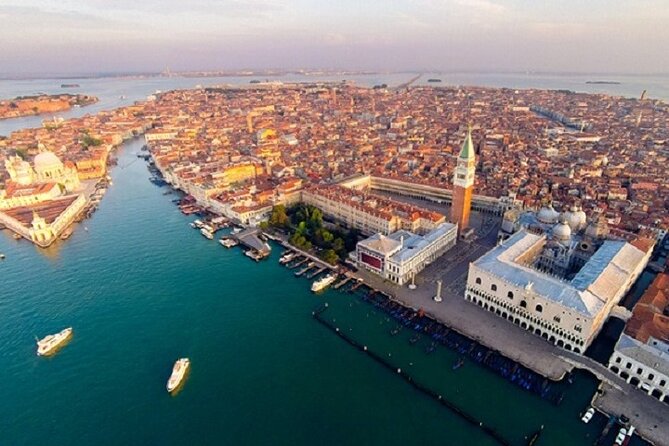
Venice can feel like you’re just following postcards: canals, arches, churches, repeat. This tour works because it turns that chaos into a guided line you can remember. You’re not just ticking off famous places. You’re learning how they fit together—who built what, why it looks the way it does, and how Venice’s lagoon setting shaped its choices.
The private format matters. A guide can slow down when a street detail catches your eye, and they can explain in plain language rather than rushing everyone through. In the same way, it’s easier to ask questions when you’re not competing with a bigger group.
I also like that the tour is only about 3 hours. That’s long enough to feel like you got something real, but short enough that you’re not stuck out all day when Venice still has other surprises waiting.
You can also read our reviews of more walking tours in Venice
Starting in Piazza San Marco: the view is the lesson
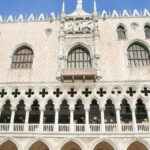
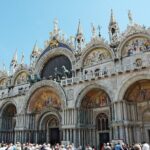
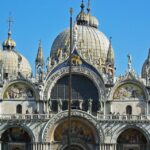
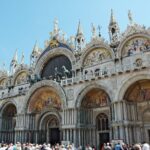
You meet in Piazza San Marco—St Mark’s Square—and the guide sets the tone fast. This is one of the best places to begin, because the square is basically a visual summary of Venice: power, wealth, and a taste for big statements in stone and gold-tone details.
At this stop, you’ll spend about 40 minutes, which is key. Many short tours treat St Mark’s Square like a photo stop. Here, you get time to understand what you’re looking at and why the architecture feels so intentional.
Practical tip: this area can be crowded, especially if you choose a peak departure time. If you’re trying to keep photos clean and your patience intact, pick the departure time that avoids the busiest flow you can.
Campo Santa Maria Formosa: a small plaza with big roots
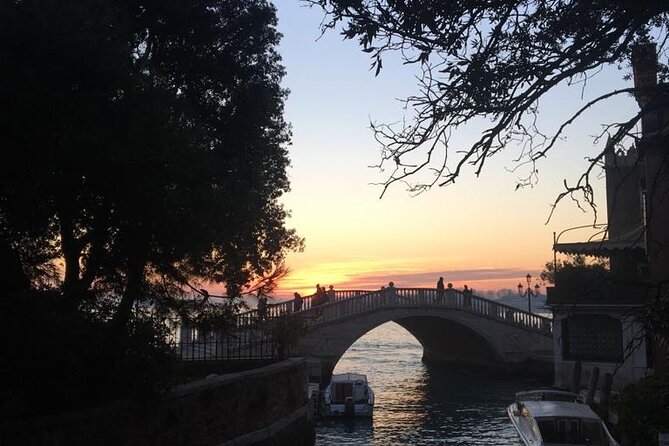
Next comes Campo Santa Maria Formosa, a quieter square where the atmosphere changes from “famous landmark” to “everyday Venetian walking space.” You’ll spend around 30 minutes, which is enough time to slow down and notice how the church and surrounding buildings shape the vibe of the campo.
This stop is tied to a tradition: it’s considered, according to local tradition, the first of the lagoon’s eight churches built. That kind of detail helps you read Venice differently. You start seeing it not as isolated monuments, but as a chain of decisions made over time—religion, trade, and community all in the same story.
If you like places that feel lived-in rather than staged, this is often where the tour becomes more personal.
Fondamenta Nove: lagoon views that keep your day from feeling like a march
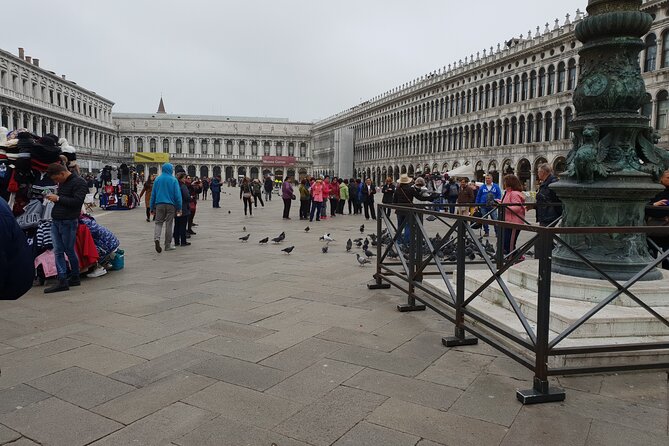
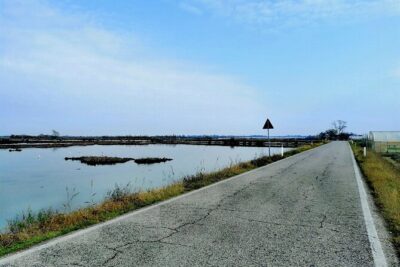
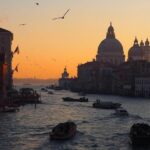
Then you shift to the water with Fondamenta Nove, a long promenade along the canals. Expect about 30 minutes here, and don’t treat it like a break you can rush through. The whole point is the views: you’ll look out over the North Lagoon Islands and toward Murano.
This is where I think Venice tours often fail people. When every stop is a building, your brain gets overloaded. Fondamenta Nove gives you back your sense of place—water, distance, and the geography that made Venice what it is.
Practical note: promenade time also helps you reset for the more crowded, famous areas ahead. Use it to notice how the city looks from angles you don’t get when you’re only moving between major landmarks.
Basilica dei Santi Giovanni e Paolo: art, hospital history, and a statue with attitude
After the water views, you head to Basilica dei Santi Giovanni e Paolo in Campo San Giovanni e Paolo. This is one of those stops where the building is only the start of the story.
You’ll spend about 30 minutes here, and the guide typically focuses on a cluster of major features, including:
- The church
- Scuola Grande di San Marco, one of Venice’s six Scuole Grandi
- A “majestic” hospital area tied to the city’s historic charitable work
- The equestrian statue of Bartolomeo Colleoni, about 4 meters tall
Here’s the kind of detail that makes this stop memorable: the Colleoni statue is described as the only monument of an actual person created during the time of the Serenissima, and it’s also noted for being the first equestrian statue standing on three feet. That’s the sort of fact you’ll actually remember later when you spot similar statues around Europe and realize how rare a specific artistic choice is.
Also, since the basilica and church areas can involve dress-code rules, this is a spot where you’ll want your outfit to be ready. If you’re wearing shorts or a sleeveless top, you may risk being turned away from entry to places of worship.
You can also read our reviews of more private tours in Venice

Ponte di Rialto: the skyline icon and the commercial engine
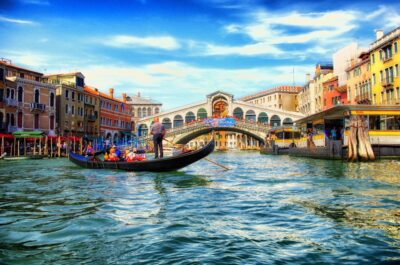
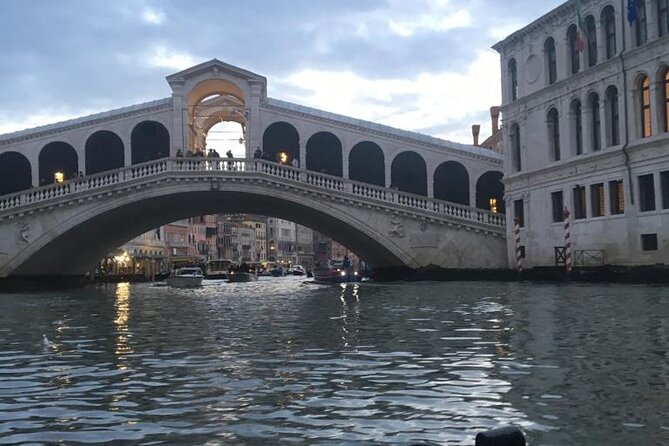
Finally, you reach Ponte di Rialto, one of Venice’s most famous symbols. The route pulls you in close to the bridge’s role in the city’s movement of goods and people.
You’ll spend about 1 hour here—an ideal amount of time because Rialto deserves more than a quick walk across. It’s not just a postcard. It’s the heart of Venice’s commercial history, especially because until the 19th century, this was the only bridge connecting the two sides of the Grand Canal.
That detail changes your perspective the moment you’re standing near it. You stop thinking of the bridge as decoration and start thinking of it as infrastructure—where traffic funneled, where commerce mattered, and where the city’s wealth showed up in the streets.
If your timing is right, the hours near Rialto can also be good for soaking in the rhythm: boats pass, people cluster, and the surrounding streets keep moving even when you pause for photos.
How the art historian guide changes what you see
The tour’s big strength is that you’re not just getting a route. You’re getting interpretation. An art historian guide helps you connect the dots between style and context, so each stop becomes more than a name.
In practice, that often means:
- You learn what to look for in architecture, not just where it is
- You get explanations for how Venice’s lagoon location influenced design and development
- You understand why certain monuments feel grand and others feel intimate
It also helps when your guide brings local personality. Some guides connected with this experience—like Valentina, Michaela, and Ivano—are known for blending history with humor and practical local insights. That combination is what turns “I visited” into “I understood.”
Price and value: $350.91 per person, what you’re really paying for
At $350.91 per person for a private walking tour, this isn’t a budget add-on. But it can be good value if you compare it to what you’d pay for a crowded group tour plus the time you lose to logistics.
Here’s where the price starts to make sense:
- Private group time with a professional art historian
- A route that covers multiple major highlights in about 3 hours
- Free admission tickets listed for the major stops on the route
- Local taxes and a local guide included
- Pickup and drop-off from designated meeting points (even though it’s not hotel pickup)
If you’re traveling as a family or small group and you want someone to handle the “what am I looking at?” part, paying for a private format can be worth it. If you’re traveling solo with a tight budget, a group tour will almost always cost less. But you’ll trade some flexibility and personal attention.
Getting your day to flow: logistics that matter in Venice
This tour is an outdoor walking experience, with the start and end at Piazza San Marco. That’s useful because it leaves you with an anchor point. If you’re building a multi-day plan, it’s easier to design around one central hub than around scattered meeting spots.
It’s also offered in English, which is great if you want clear explanations rather than guesswork.
Choose your departure time carefully. Morning often feels calmer, but it depends on crowds that day. If you’re also planning to visit museums, you’ll want to place this early enough that it informs how you’ll read those collections later.
One more practical point: Venice can have sudden foot traffic surges around major landmarks. Rialto and St Mark’s area are famous for a reason, and being in a private group doesn’t remove crowds—it just makes your walking experience easier to manage with guidance.
Dress code and the €5 access fee you should know
A lot of visitors get caught off guard by this. If your route includes places of worship, there’s a dress code: no shorts or sleeveless tops, and you need knees and shoulders covered for both men and women. If you don’t comply, you may be refused entry.
Also, on certain dates, day visitors staying outside Venice may be required to pay a €5 access fee. There are exemptions, and the applicable days can change—so check the official guidance link provided before your visit.
These two details matter because they can affect whether you actually get inside the monuments you came for. With those handled up front, you’ll spend your energy on the art and the streets instead of on last-minute outfit fixes.
Who this tour suits best
This is a strong match if you:
- Want a guided way to understand Venice’s big landmarks without spending all day walking
- Prefer a private setting where the guide can tailor pace and focus
- Like architectural and art context, not just sightseeing checkmarks
- Are short on time but still want lagoon views and the Rialto skyline moment
It’s also a good first or second-day activity. Starting with major “anchors” like St Mark’s Square and then moving into less obvious story stops helps you build a mental map quickly.
Kids can join, but they must be accompanied by an adult. Service animals are allowed, and the meeting point is near public transportation, which helps for getting there smoothly.
Should you book this private Venice highlights walk?
I’d book it if you value clarity, not just crowds. For a city where the streets twist and the landmarks blur together, this kind of art historian-led route gives you a framework. You’ll come away with a stronger sense of why Venice looks the way it does—from lagoon church tradition to the Colleoni statue’s unusual artistic story to Rialto’s role as a historic canal crossing.
Skip it if you’re chasing only the cheapest option or you already feel confident navigating Venice independently with your own reading and map time. In that case, a self-guided day can work. But if you want someone to point out what matters and keep your day moving at a human pace, this private tour is one of the most sensible ways to spend 3 hours in Venice.
FAQ
How long is the Best of Venice Highlights private walking tour?
It lasts about 3 hours.
Where does the tour start and end?
It starts in Piazza San Marco and ends back at the meeting point.
What is the price per person?
The listed price is $350.91 per person.
Is this tour private?
Yes. It’s a private tour, and only your group participates.
What language is the tour offered in?
The tour is offered in English.
Is admission included for the stops?
The stops listed show admission ticket free for each of the included highlights.
Does the tour include pickup and drop-off?
Yes, it includes pickup and drop-off from designated meeting points, but it does not include hotel pickup and drop-off.
What should I wear for churches and places of worship?
A dress code is required: no shorts or sleeveless tops, and knees and shoulders must be covered.
Is there an extra fee for some visitors entering Venice?
On certain dates, some day visitors staying outside Venice may need to pay a €5 access fee. You should check the provided official link for which days apply and any exemptions.
What is the cancellation window?
You can cancel for a full refund up to 24 hours before the experience starts.
Are children allowed?
Yes, but children must be accompanied by an adult.