REVIEW · VENICE
Venice Walking Tour and Gondola Ride
Book on Viator →Operated by ROMAETRAVEL · Bookable on Viator
Venice moves fast, then glides. This walking tour + gondola ride combo strings together major sights with real local stories, not just photos. I like that you’re in a small group (so it’s easier to hear and keep up), and I love the way the route stitches together canals, bridges, and plazas into one clear first-timer path. One thing to consider: you’ll be walking through crowded areas, so if you hate a brisk pace, you may want to plan for it.
The best part is how the guide ties the landmarks to the city’s “how it works” logic—especially when Venice’s waterways replace streets. You’ll hit St Mark’s Square and the surrounding icons (Campanile, Clock Tower, Bridges), then balance the walking with a traditional gondola moment on the water. I also like that the tour doesn’t just show the big names; it threads in smaller backstreets and viewpoints along the way.
My main caution is logistics. The tour starts at Stazione di Venezia Santa Lucia, and depending on crowd flow, the first stretch on foot can feel like it’s taking you away from the gondola longer than expected. I’d wear comfortable shoes, bring patience for crowds, and arrive a few minutes early so you’re not trying to catch up.
In This Review
- Key things to know before you go
- Venice on Foot, Then Gondola Time
- Starting at Stazione di Venezia Santa Lucia: Arrive Smart
- The Grand Canal Split: Where Venice’s Streets Really Are
- Piazza San Marco: The Center of Venice’s Public Life
- Campanile di San Marco and Torre dell’Orologio: Watch the Skyline Logic
- Bridge of Sighs: The Story Behind the Stone
- Rialto Bridge: The Oldest Canal Crossing Still Doing Its Job
- Doge’s Palace and Teatro La Fenice: Big Names, Short Stops
- The Gondola Ride: Traditional Venice, Up Close
- Timing, Crowds, and Hearing the Guide
- Price and Value: What You’re Actually Paying For
- Who This Tour Fits Best
- Quick Packing and Comfort Tips
- Should You Book This Venice Walking Tour + Gondola?
- FAQ
- How long is the Venice Walking Tour and Gondola ride?
- What is included in the tour price?
- What is not included?
- Where does the tour start and end?
- Do I need to buy tickets for attractions like Campanile or Doge’s Palace?
- Is there a Venice access fee on certain dates?
- How big is the group?
- Can I cancel and get a full refund?
Key things to know before you go
- Small group pace: kept limited (up to 14, and sometimes smaller), but you still move through Venice crowds
- Traditional gondola included: your guide helps get you to the gondola and back to finish the tour
- St Mark’s Square focus: Campanile and nearby landmarks are built into the route
- Bridge highlights: you’ll see the Bridge of Sighs and the Rialto Bridge as part of the story
- Admissions vary by stop: some major sights are noted as not included in the tour price
Venice on Foot, Then Gondola Time
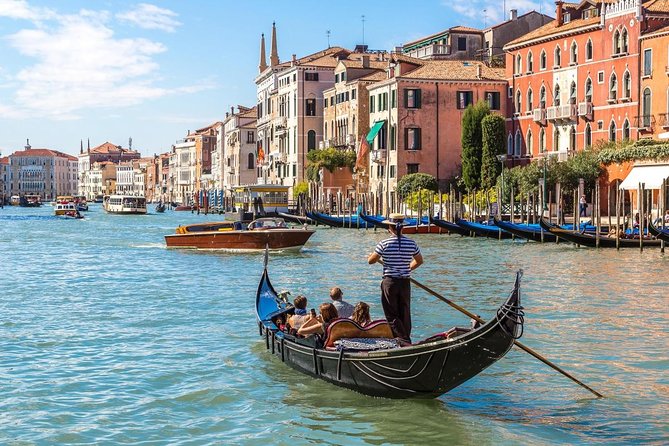
This is a classic “first Venice day” format, and it works because Venice is a city you have to understand with your feet first. The walking section gives you the layout—canals as main roads, bridges as cross-streets, and plazas as the city’s meeting rooms. Then the gondola ride gives you that slow-motion reset when the crowds and cobblestones start to blur.
I like that the emphasis stays on what you’d want for a first visit: Saint Mark’s area, the Grand Canal, famous bridges, and big civic Venice landmarks. And I especially like that the gondola isn’t an afterthought. It’s built into the schedule as a true highlight rather than a quick side stop.
At the same time, you’re doing a lot in about 3 hours, so the experience can feel compact. If you want long museum time or lots of sitting breaks, this isn’t that kind of tour.
You can also read our reviews of more walking tours in Venice


Starting at Stazione di Venezia Santa Lucia: Arrive Smart
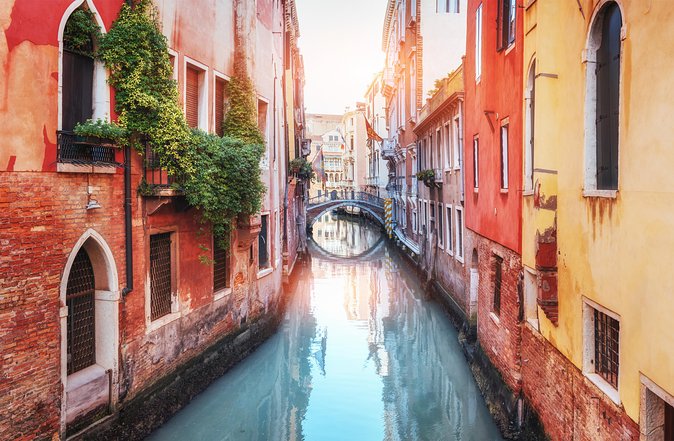
You meet at Stazione di Venezia Santa Lucia (30121 Venice). That’s actually a good start point for most travelers, because it’s near public transportation and it anchors the day around a recognizable place.
Here’s the practical move: arrive a bit early and get oriented before the group starts moving. Some tour feedback points to people struggling to find the meeting spot or not having the details handy, and once you’re walking into Venice crowds, it’s not the moment to improvise.
Also, Venice has a day-access system on certain dates. If you’re staying outside Venice, you might need a €5 access fee on specific days. Check the current rules at the city’s official site before you go.
The Grand Canal Split: Where Venice’s Streets Really Are
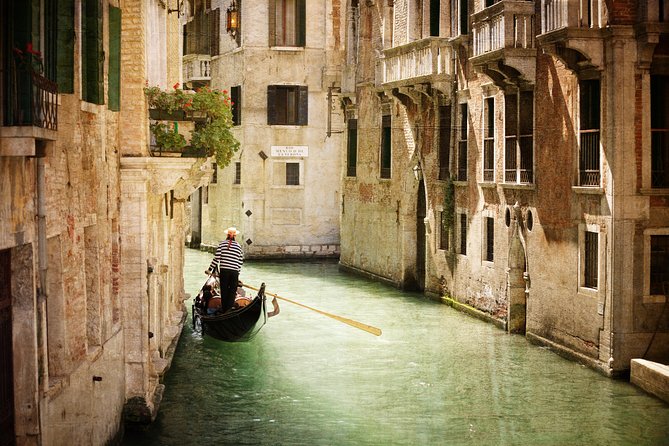
Your route begins by getting your bearings at the Canal Grande. It’s one of the best “aha” moments for first-timers because you see immediately that Venice built itself around water traffic. The canal divides the center into two parts, and the city’s shape follows the older water path—so your walking map starts making sense fast.
The canal is big enough to feel like a city boulevard: it runs about 3.8 km (2.4 miles) long, curves through the central districts, and is wide in places (up to roughly 90 meters). Even if you don’t spend long here, it sets the tone. You’re not touring a museum of Venice—you’re touring how Venice functions.
Piazza San Marco: The Center of Venice’s Public Life
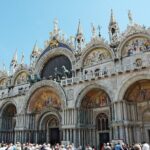
Next comes Piazza San Marco, the city’s principal square. Venice uses a unique word for its open spaces: most are called campi, while the big social heart is la Piazza (with the smaller Piazzetta nearby). Standing here, you get the feel of why this area became the stage for both politics and religion.
This stop is designed to be short (around 30 minutes), which means it’s more about orientation than deep lingering. You’ll want to be ready for photos and a quick mental reset. If you’re prone to stopping every two steps, you may end up rushing the group.
Campanile di San Marco and Torre dell’Orologio: Watch the Skyline Logic
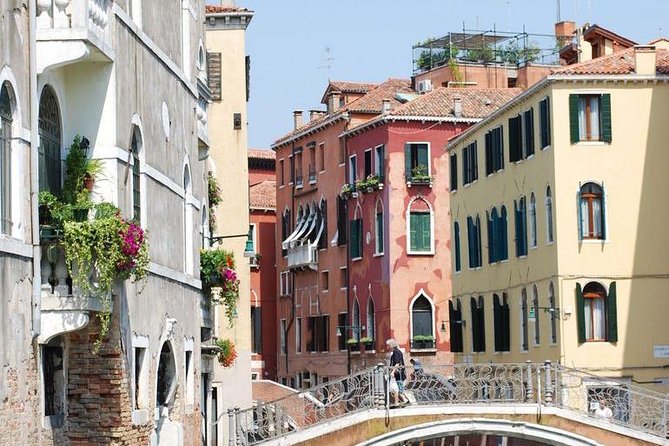
You’ll spend time near the Campanile area and also reach the Torre dell’Orologio, the Clock Tower on the north side of Piazza San Marco near the Merceria. These landmarks are great because they show you how Venice “talks” in stone and numbers—religious power, civic identity, and the everyday rhythm of the city.
One practical detail: entrance to Campanile di San Marco and Torre dell’Orologio is marked as not included, so if you want to go inside or up, you’ll need to pay separately. That’s normal for this kind of tour, but it matters for budgeting.





Bridge of Sighs: The Story Behind the Stone
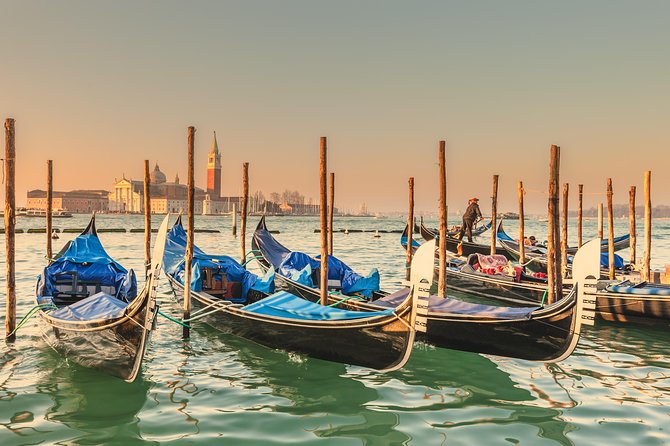
Then you get to one of the most memorable structures in Venice: the Ponte dei Sospiri (Bridge of Sighs). It’s built with white Istrian stone, completed in 1602, and it connects Palazzo Ducale with the newer prison complex.
The standout detail is architectural and visual: the bridge is covered and formed by two separate corridors, with walls separating the spaces. Even if you’re only seeing it from the outside as part of the route, the building’s purpose comes through fast in the storytelling. It’s the kind of stop that turns a postcard into something you can picture.
Rialto Bridge: The Oldest Canal Crossing Still Doing Its Job
Next up is Ponte di Rialto, one of the city’s most famous crossings. Venice has hundreds of bridges, but Rialto is special because it’s the oldest of the four spanning the Grand Canal. Your visit here also gives you an idea of how often Venice rebuilds itself—Rialto has been reconstructed multiple times, with the version you see today dating to 1591.
This stop is a good reminder: the bridges aren’t just decoration. They’re transportation solutions shaped by where people needed to move across the city’s water system.
Doge’s Palace and Teatro La Fenice: Big Names, Short Stops
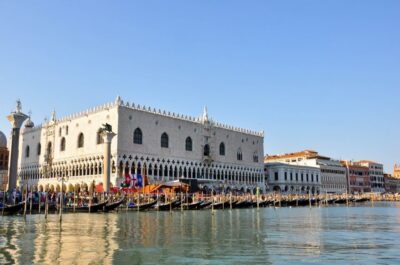
The tour includes stops at Doge’s Palace and Teatro La Fenice. These are major landmarks, but the tour time is limited—so think of these moments as a strong orientation stop, not an all-in museum day.
- Doge’s Palace is a Venetian Gothic icon and former home of the Doge, later opened as a museum (museum operations started in 1923). Entrance is marked as not included, so if you want to go inside, plan to add the ticket cost yourself.
- Teatro La Fenice is one of Italy’s well-known opera houses. Entrance is also marked as not included, but you’ll get the historical context for why it matters.
If you’re the kind of person who wants deep time inside these buildings, I’d treat this tour like a doorway. It sets up what you’ll want to return for later.
The Gondola Ride: Traditional Venice, Up Close
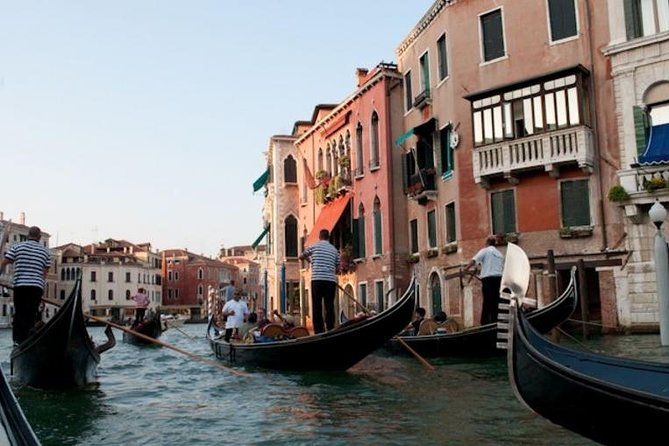
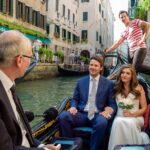
The gondola ride is the reason you’re here, and it’s built into the day. Your tour includes a traditional gondola ride, and the guide’s job is to make sure you get to the gondola at the right time and then back to finish.
One thing I’d flag: the type of gondola experience can vary. Some gondola rides are associated with singing, but your ride may not include it depending on the gondolier and the specific situation on the day. So set expectations for a classic boat ride and let the extra surprises be bonus.
Also, keep your senses ready. Venice water isn’t just scenic—it’s a sensory experience. Even with a short ride, you’ll feel how the city’s edges and bridges shape the waterway views.
Timing, Crowds, and Hearing the Guide
Venice can swallow sound, especially when you’re moving fast through crowded streets. Some of the most useful guidance for this tour is simple: if you want to hear everything, don’t lag behind.
If you’re sensitive to pace, remember the route includes major stops in a tight window. The tour is about 3 hours, and with that pace you may feel like you’re constantly catching up. I’d treat it as a “guided highlights and orientation” style experience, not a slow stroll.
A helpful tactic: when you stop at a key point (like a bridge or plaza edge), pause and face the guide. Don’t keep rotating for photos while you’re trying to listen. It’s the difference between collecting facts and just snapping images.
Price and Value: What You’re Actually Paying For
At $185.38 per person for about 3 hours, you’re paying for three things at once:
- guided storytelling that connects landmarks
- time-efficient routing through iconic Venice
- a traditional gondola ride included in the price
That’s where the value comes from. If you tried to assemble this yourself—find a good guide, handle small-group timing, and book a gondola—you’d likely spend more time (and often more money) doing the coordination.
That said, your final cost could rise depending on admissions. The tour marks several attractions as not included (including Campanile, Clock Tower, Doge’s Palace, and Teatro La Fenice). Meanwhile, some stops are free like St Mark’s Square and key bridge viewpoints. So think of this as a guided framework where certain ticketed sights cost extra.
Also note what’s not included: food and drinks, and tips. Plan a simple plan for a snack either before or after, so you’re not stuck hungry mid-tour.
Finally, the small group matters. This tour limits group size (up to 14, with some departures capped even lower). In a place as crowded as Venice, that’s not just a comfort detail—it’s part of what keeps the experience enjoyable.
Who This Tour Fits Best
This tour fits best if you:
- are visiting Venice for the first time and want the big icons without planning every step
- want a mix of history context and actual Venice movement (walking + water)
- prefer a small group size rather than a huge bus-style crowd crush
- like practical guidance for getting from one landmark moment to the next
It’s less ideal if you:
- want long museum time inside Doge’s Palace or extended climbs
- hate being in crowds with a faster walking pace
- need lots of sitting breaks to reset
Quick Packing and Comfort Tips
This is a comfortable-shoes kind of day. Venice floors are cobbled, bridges can be slick, and your feet will do most of the work. If you bring anything, bring water and something light to snack on outside the tour time.
If you’re sensitive to hearing over street noise, know that you’re walking through open areas and narrow lanes. Stand where you can face the guide when the group stops.
Should You Book This Venice Walking Tour + Gondola?
I’d book it if you want a classic Venice day that checks the boxes fast: St Mark’s area, Grand Canal orientation, Bridge of Sighs, Rialto Bridge, and a gondola ride built into the schedule. The small-group setup and the strong focus on key landmarks make it a solid choice for first-timers with limited time.
I’d skip (or consider a slower alternative) if you know you struggle with crowd noise or a brisk pace, or if you want to spend most of your time inside ticketed attractions like Doge’s Palace.
In short: for a first Venice visit, this is a sensible way to get your bearings and still feel the magic of the water.
FAQ
How long is the Venice Walking Tour and Gondola ride?
The tour runs for about 3 hours.
What is included in the tour price?
You get a guided tour, a traditional gondola ride, and a small group experience (limited in size). You also receive a mobile ticket.
What is not included?
Food and drinks are not included, as well as personal purchases and tips. Some attractions on the route also note admission as not included.
Where does the tour start and end?
The tour starts at Stazione di Venezia Santa Lucia, and it ends back at the same meeting point.
Do I need to buy tickets for attractions like Campanile or Doge’s Palace?
Admission for some stops is not included, including Campanile di San Marco and Doge’s Palace. Other stops in the route are listed with free admission.
Is there a Venice access fee on certain dates?
Yes. If you are visiting from outside Venice for the day, you may be required to pay a €5 access fee on certain dates. Check the rules at the official website listed in the tour details.
How big is the group?
The tour is limited to a maximum of 14 people, and the activity also notes a maximum of 8 travelers.
Can I cancel and get a full refund?
You can cancel for free up to 24 hours in advance for a full refund. Canceling less than 24 hours before start time is not refundable.