REVIEW · VENICE
Venice: St. Mark’s, Walking Tour and Gondola Combo
Book on GetYourGuide →Operated by Venetoinside - Insidecom · Bookable on GetYourGuide
Venice feels like it changes form the closer you get to it. This St. Mark’s + gondola combo is interesting because you get the city’s story from two angles at once: on foot through key lanes, and then by water through quieter canals.
I really like that the tour mixes three of Venice’s biggest “yes, you have to” stops into one smooth half-day. You’ll also get skip-the-line access for St. Mark’s gilded interior, plus terrace time for views that are part of the St. Mark’s experience.
One drawback to plan for: the gondola can be suspended in bad weather, and St. Mark’s access can also be affected by ceremonies or high tides—so build in some patience when Venice gets its own schedule.
In This Review
- Key things I’d bet on before you book
- Why This St. Mark’s and Gondola Combo Works in 4.5 Hours
- The Morning Walk: St. Mark’s Square to Rialto Bridge and Mercerie
- Campo Santa Maria Formosa, Marco Polo’s House, and the Malibran Theatre
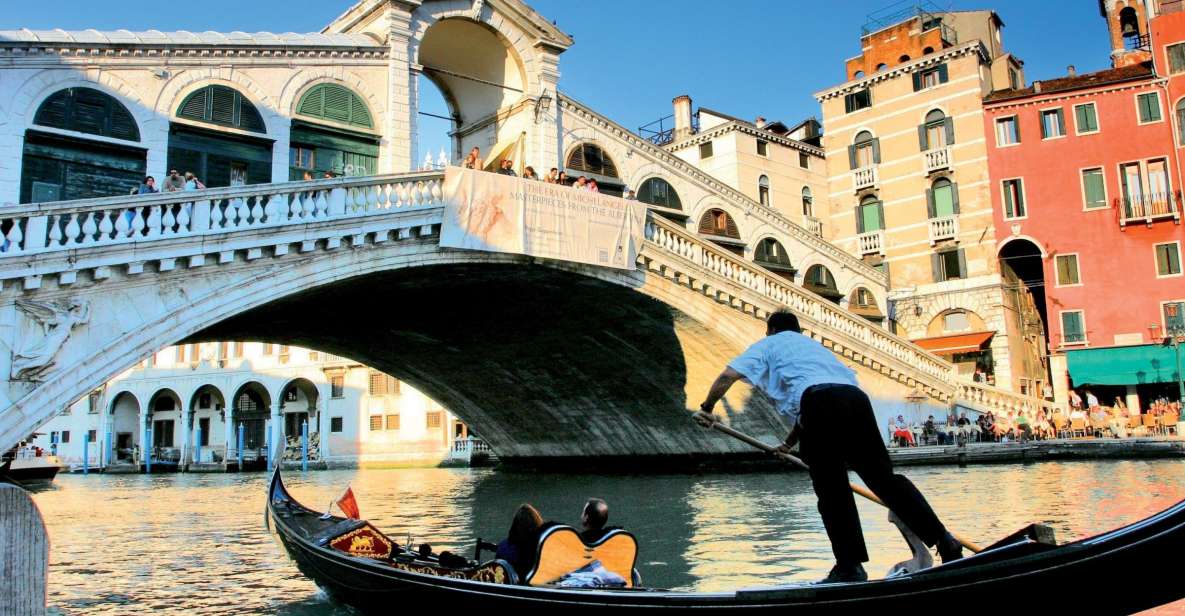
- Crossing the Water: 30 Minutes by Gondola on Smaller Canals
- St. Mark’s Basilica Skip-the-Line: Gilded Interior + Terrace Views
- Price and Logistics: Where the $120 Value Actually Comes From
- Tips to Make This Combo Feel Easy (Even With Venice Weather)
- Who This Tour Suits Best
- Should You Book St. Mark’s, Walking Tour and Gondola Combo?
- FAQ
- How long is the tour?
- Where does the tour start?
- Where does the tour end?
- What’s included in St. Mark’s Basilica?
- How long is the gondola ride, and what can I expect?
- What happens if the gondola is suspended due to weather?
- Can I choose my gondola with a larger group?
- Is this a private or shared tour?
- Will St. Mark’s Basilica always be accessible?
- What if plans change before the tour?
Key things I’d bet on before you book
- St. Mark’s Square to Rialto Bridge on a guided walk that also threads through lesser-famous streets
- Skip-the-line for St. Mark’s Basilica, including a guided visit and access tied to the visit route
- 30-minute gondola on smaller canals off the Grand Canal’s main crush
- Terrace access tied to your St. Mark’s ticket, for a different view of the complex
- Marco Polo’s former home and stops around Campo Santa Maria Formosa and the Malibran Theatre
Why This St. Mark’s and Gondola Combo Works in 4.5 Hours
Venice can eat time. Lines, detours, and the simple fact that you’re walking in circles without meaning to can slow a day fast. That’s why I like this format: a half-day plan that hits St. Mark’s, bridges, canals, and key sights without turning your schedule into a full-time job.
You get a morning walking route that builds context before you ever step into the Basilica. Then you switch gears to water, with a gondola ride timed as a short, romantic interlude rather than an entire day’s commitment. The final piece—St. Mark’s Basilica with skip-the-line entry—is the anchor. It’s the part that can eat your time if you handle it on your own.
The other value point is simple: you’re not just buying tickets. You’re getting a guided walk that frames what you’re seeing, plus a gondola ride as a “Venice by water” experience. And in at least one recent group, the walking guide (Rosanna) was praised for keeping the pace lively while working through crowds.
You can also read our reviews of more walking tours in Venice

The Morning Walk: St. Mark’s Square to Rialto Bridge and Mercerie
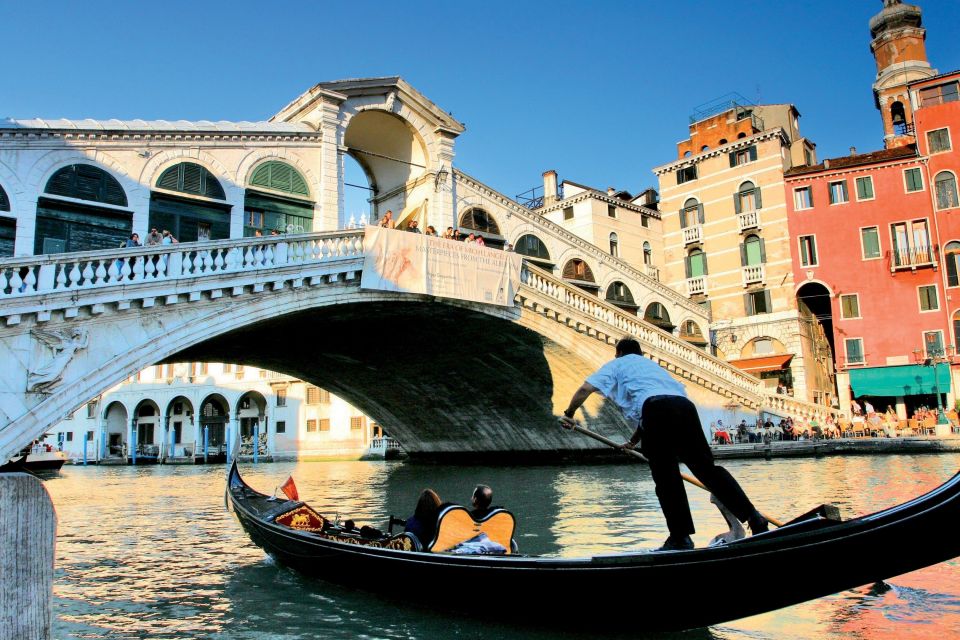
The tour starts near Calle larga de l’ Ascension, just behind the Correr Museum area. You’ll meet your staff contact at the meeting spot, and from there the walking portion focuses on getting you from the recognizable center into the streets people don’t automatically wander into.
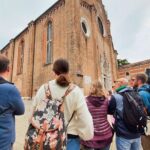
The walk is built around a line of sight from St. Mark’s Square toward the Rialto Bridge, with story stops along the way. One of the best parts of this route is what it includes outside the most famous façades. You get “what am I looking at and why does it matter?” explanations while still having time to slow down and look at details yourself.
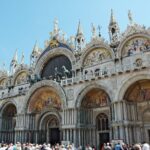
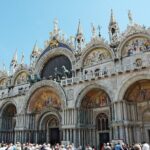
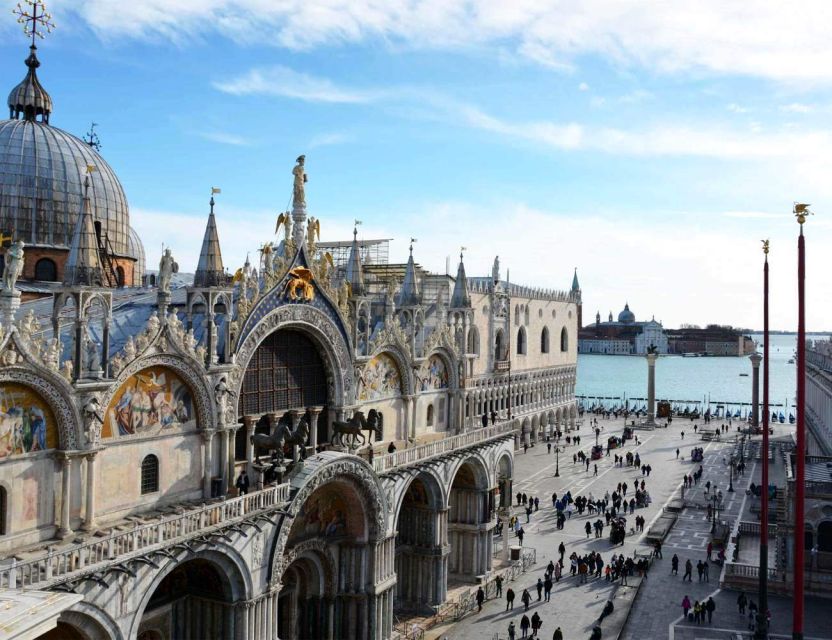
As you move, you’ll see the Byzantine façade of St. Mark’s Basilica, and you’ll also catch views tied to the Doge’s Palace from the walking route. Those buildings are dramatic, but they mean more when you understand what Venice was trying to project—wealth, power, and identity—at street level.
Then the walk finishes in the Rialto direction through the Mercerie, the narrow streets where goods from far-off markets were sold. Even if you don’t shop, this part helps you understand how Venice worked like a trading machine. It’s not just scenery; it’s the logic behind the city’s street grid and market culture.
Practical note: the route is in old Venice lanes. It’s not made for fast walking, and the group is a collective tour, meaning you’ll likely share the flow with others. Wear shoes that can handle uneven stone and sudden crowd bottlenecks.
Campo Santa Maria Formosa, Marco Polo’s House, and the Malibran Theatre
One reason this combo feels more than “the usual postcard stops” is the second layer of the walk. You head toward Campo Santa Maria Formosa, where you’ll learn the story of one of Venice’s beautiful churches. This kind of stop matters because it shifts you from architecture as a photo subject to architecture as a living piece of the city’s identity.
Then comes a stop tied directly to a name you already know: the former home of explorer Marco Polo. It’s presented as part of the route’s story, not as a standalone museum moment. That makes it feel more like Venice history on the street than a rigid checklist.
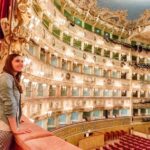
You’ll also pass the Malibran Theatre, noted for having an extravagant stage in the city. Even if you’re not attending a performance, this is one of those “oh right, Venice was a major cultural hub too” reminders. Venice wasn’t only trade and empire. It was also music, staging, and spectacle.
These stops are a good match for people who like their sightseeing with context. If you just want the loudest highlights with zero storytelling, you might feel you spend a bit more time listening. But if you enjoy understanding why streets and buildings developed the way they did, this walk delivers.
Crossing the Water: 30 Minutes by Gondola on Smaller Canals
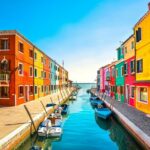
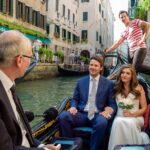
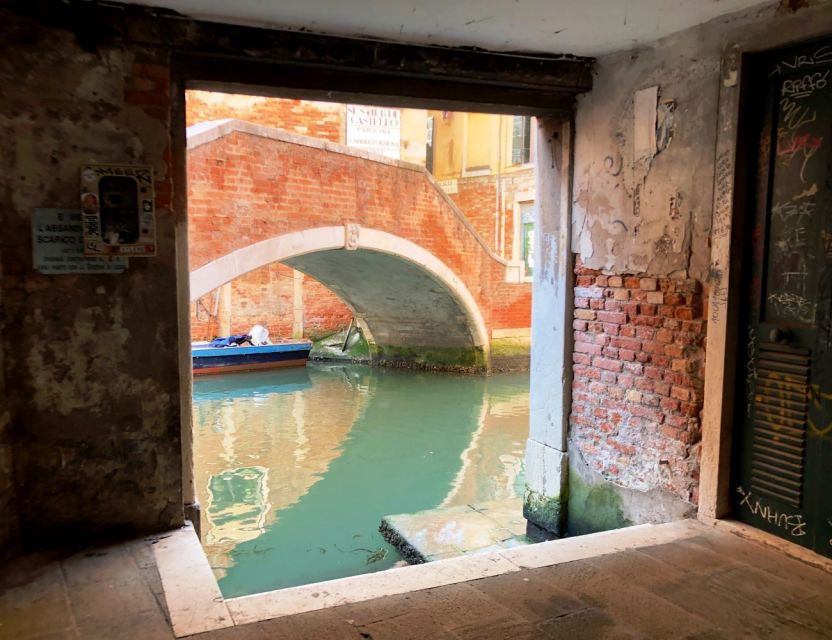
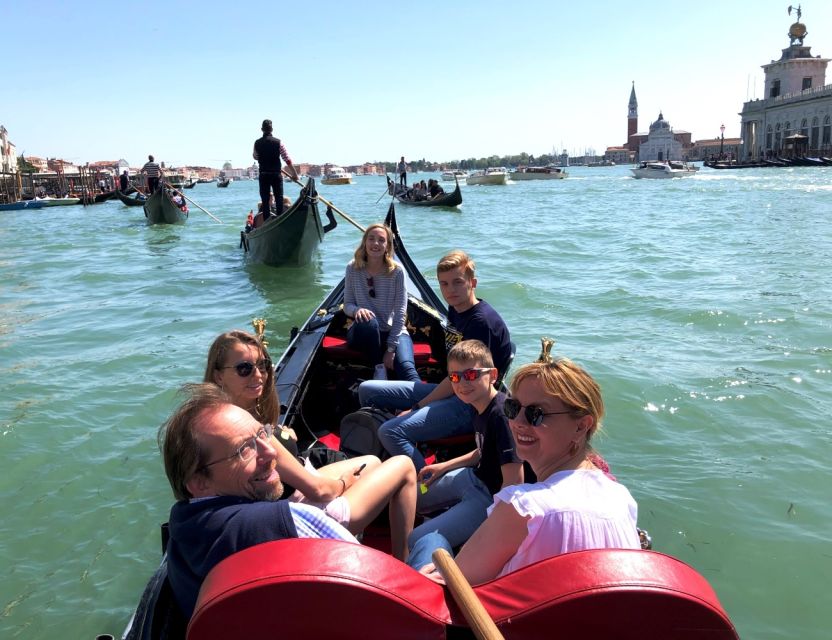
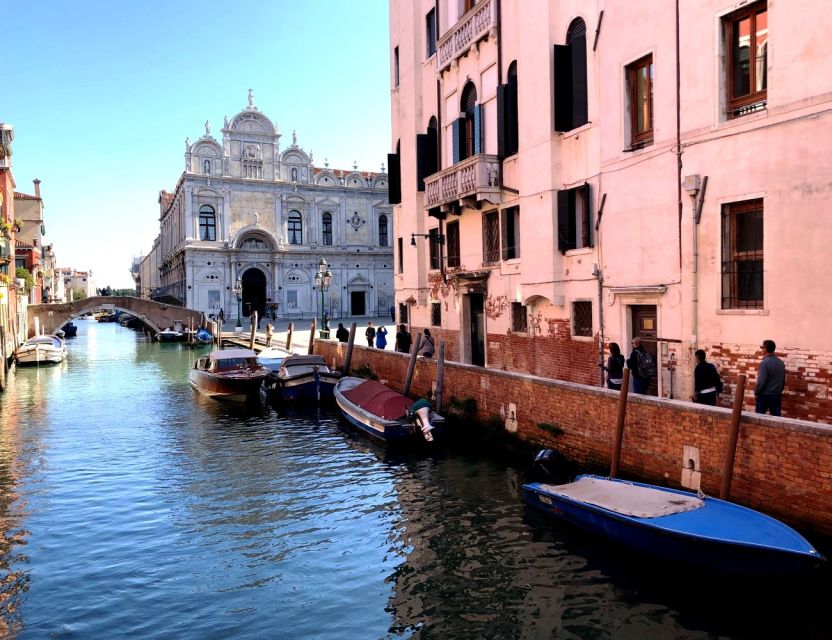
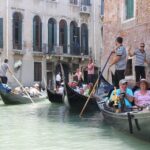
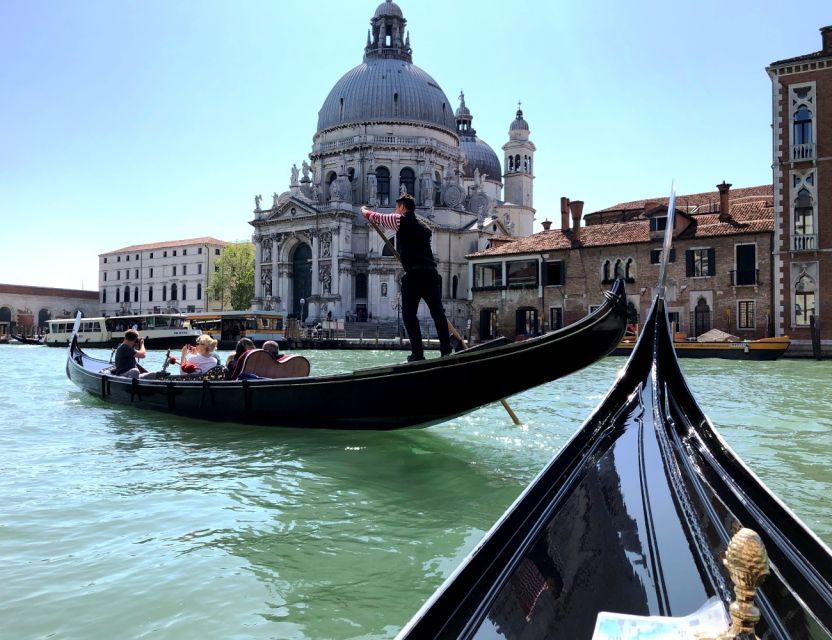
After the morning walk, you shift to the gondola portion, around a 30-minute ride. What I like here is the emphasis on canals that are smaller and not strictly the main Grand Canal route. That typically means you get a different feel—less headline traffic, more “Venice’s everyday waterways” energy.
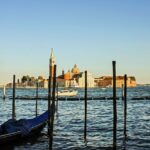
The gondola ride also includes a view-related stop: you’ll discover the Basilica della Salute, described as a top Baroque example. The key detail is that the Basilica’s appearance changes depending on where you view it from. On a gondola, that’s the point—you’re literally moving your perspective.
One thing to plan for: the tour data says no commentary is given during the shared gondola ride. So think of the gondola as the atmosphere portion. If you love continuous narration, this may feel quieter than you expected.
Group setup matters too. A gondola can host up to 5 people. If your reservation is larger than that, you’ll be split into smaller groups, or you’ll ride different gondolas. That’s normal here, and it’s actually helpful for comfort—everyone gets a seat and the ride stays manageable.
St. Mark’s Basilica Skip-the-Line: Gilded Interior + Terrace Views
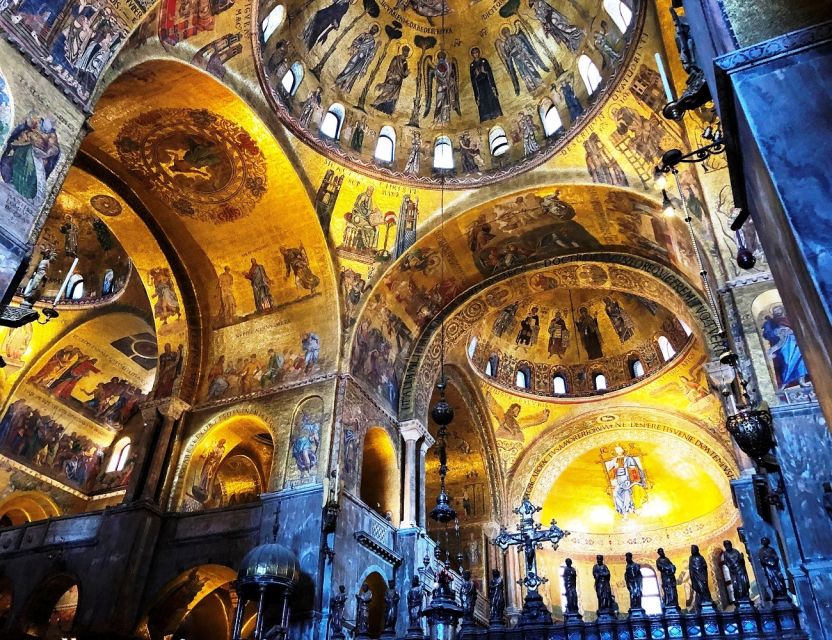
The final act is St. Mark’s Basilica. This is the part people often fear: long lines and time pressure. Here, the tour builds in skip-the-line entrance to get you into the Basilica faster than doing it cold.
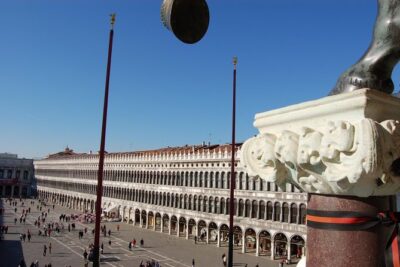
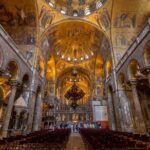
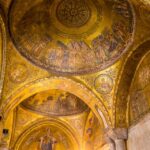
You’ll also get a guided visit of the gilded interior and access that includes the St. Mark’s Museum and terrace ticket portion. The terrace matters because it changes what you notice. You move from street-level viewing to an elevated perspective on the Basilica complex—useful for anyone who likes architecture and wants to connect what they saw on the ground to what the building looks like as a whole.
The walk portion also tees you up by pointing out the Basilica’s Byzantine façade, so the entry feels like payoff instead of a sudden jump. You’re not just stepping into a big church; you’re stepping into the story you’ve already been hearing.
A real-world reminder from recent experience: sometimes St. Mark’s may close due to special events. In one case, St. Mark’s was closed because of a pope’s visit, and the portion related to the cathedral was refunded quickly. The takeaway for you: Venice sometimes changes the rules at the last minute, and a responsible provider handles it when access shifts.
Also, access can be blocked in religious ceremonies or exceptionally high tides. So if your day runs close to one of those conditions, keep expectations flexible.

Price and Logistics: Where the $120 Value Actually Comes From
At about $120.08 per person for a 4.5-hour combo, this isn’t a bargain in the way a simple walking tour is. The value is in the mix and in what’s included.
Here’s what you’re paying for that reduces the headaches:
- Skip-the-line entry and guided tour for St. Mark’s Basilica
- Terrace and St. Mark’s Museum access tied to your ticket
- A guided morning walk that helps you get more meaning from the sights
- A gondola ride as a set activity, not just a random pickup in the crowd
If you tried to DIY this, you’d spend time coordinating entry windows, standing in line, and figuring out how to route the walk so you’re not doubling back constantly. This combo does the planning for you, and that planning is what you’re buying.
One more value point: the tour is designed as three distinct segments—walk, gondola, Basilica—so you’re not stuck doing all your highlights at once. The schedule is short enough to avoid a full-day burn, but long enough to feel like you saw Venice’s core.
Tips to Make This Combo Feel Easy (Even With Venice Weather)
This is a smart tour to take early in your trip, but you still need to handle Venice’s real-life variables.
- Weather can pause the gondola. The gondola ride might be suspended in bad weather. When that happens, the tour instructs you to go to the departure point so the rest of the plan stays organized.
- Crowds are real. One review praised how the guide worked through big crowds while keeping the tour interesting and flowing. Even with a guide, you’ll still feel Venice’s crowd rhythm in the central areas.
- Wear comfortable walking shoes. The route runs across narrow lanes and around major landmarks. Your feet will do most of the work.
- Expect a collective group format. This is a shared tour. That can actually be a plus because it keeps the schedule moving smoothly, but it does mean you won’t have a private pacing option.
- Accessibility may be limited. Wheelchair users may not be able to access the whole tour. If that’s a concern for you, you’ll want to double-check what portions are feasible for your mobility needs.
Small comfort win: the walk is early enough for many departures to feel calmer than the midday crush. If you have flexibility, choose an earlier starting time when you can.
Who This Tour Suits Best
This combo is a strong fit if you:
- Want to see St. Mark’s, Rialto area highlights, and a gondola without building three separate plans
- Like guided storytelling while still enjoying time to look around
- Prefer a short gondola that gets you out of the main canal crush into quieter waterways
- Appreciate terrace access when you’re touring a big landmark, not just stepping in and rushing out
It might be less ideal if you:
- Hate shared-group formats and prefer private pacing
- Want spoken commentary throughout the gondola (this ride is listed as no commentary during the shared segment)
- Are visiting during a time when ceremonies or high tides are likely to affect St. Mark’s access
Languages are covered too—English, French, Spanish, and German—so you’ll have a guide who can communicate clearly in your preferred language.
Should You Book St. Mark’s, Walking Tour and Gondola Combo?
I’d book it if you want a high-signal Venice morning with three key experiences handled in one go: a guided walk that explains what you’re seeing, a gondola ride on smaller canals, and skip-the-line Basilica time that includes terrace access.
If you’re the type who loves planning but hates group tours, you might prefer a DIY day. But if you want the city to feel logical and timed—especially around St. Mark’s—this combo is built for that.
Bottom line: for the mix of skip-the-line entry, terrace access, and a gondola that changes how you see Venice, this is the kind of tour that saves you time and helps you enjoy the sights without constantly asking where to go next.
FAQ
How long is the tour?
The total duration is 4.5 hours.
Where does the tour start?
It starts at Calle larga de l’ Ascension, near the post office, behind the Correr Museum, where a TURIVE staff member checks your voucher.
Where does the tour end?
It ends back at the meeting point.
What’s included in St. Mark’s Basilica?
You get skip-the-line entrance, a guided tour of St. Mark’s Basilica, and included access tied to the St. Mark’s Museum and terrace.
How long is the gondola ride, and what can I expect?
The gondola ride is 30 minutes. It’s on smaller canals, and there is no commentary given during the shared gondola ride.
What happens if the gondola is suspended due to weather?
The gondola ride might be suspended in bad weather. In that case, you should go to the tour departure point as instructed.
Can I choose my gondola with a larger group?
A gondola can host up to 5 people. If your reservation includes more than 5 people, your group will be divided into smaller groups or you’ll enjoy different gondolas.
Is this a private or shared tour?
This is a collective tour, so other participants may be on the tour with you.
Will St. Mark’s Basilica always be accessible?
Access to St. Mark’s Basilica may not be permitted during religious ceremonies or exceptionally high tides.
What if plans change before the tour?
You can cancel up to 24 hours in advance for a full refund.