REVIEW · VENICE
Venice: San Marco to Rialto Walking Tour & Spritz Like a Local
Book on Viator →Operated by CITY TOURS CO. LTD · Bookable on Viator
Venice’s lanes feel like a puzzle with answers. This San Marco to Rialto walking tour pairs famous sights with quieter corners and local legends, then adds a spritz break that fits right into Venice’s casual bar culture. You also get the option of a gondola add-on that includes a Venice-in-the-past VR experience.
I especially like the way the route is built for momentum: you’re not staring at a map, the guide steers you through the twists while pointing out what matters (and where to look for great photos). I also like the small-group feel (maximum 15), which helps you actually hear your guide and ask questions—when the day runs smoothly.
One caution: timing and organization can be inconsistent. A few people reported late starts, a shorter-than-promised tour, or a rushed ending if parts of the day (like gondola scheduling) didn’t line up.
In This Review
- Key highlights before you go
- San Marco to Rialto: what this tour really does for you
- First stop: St. Mark’s Square and the “history filter”
- One of the largest fields plus the “Pantheon of Venice”
- Backstreet navigation: how you actually “find” Venice
- Rialto area: the bridge moment plus the explorer clue
- The theater stop and why the detour is worth it
- Spritz break in a local bacaro: the best kind of included pause
- Optional gondola ride and the VR segment: fun, but verify timing
- Price and group size: why $18.10 can be either a bargain or a gamble
- Meeting point and audio gear: small details that prevent big headaches
- Who this is best for (and who should skip it)
- Tips to get the most from the walk
- Should you book this San Marco to Rialto tour?
- FAQ
- How long is the walking tour?
- Is a spritz included?
- Does the tour include a gondola ride?
- What happens if there is exceptional high tide?
- Is there an access fee for some visitors entering Venice?
- What is the cancellation window for a full refund?
Key highlights before you go
- Spritz like locals: included at a local bacaro, not a tourist trap.
- Small group size: capped at 15, which can make the walk feel more personal.
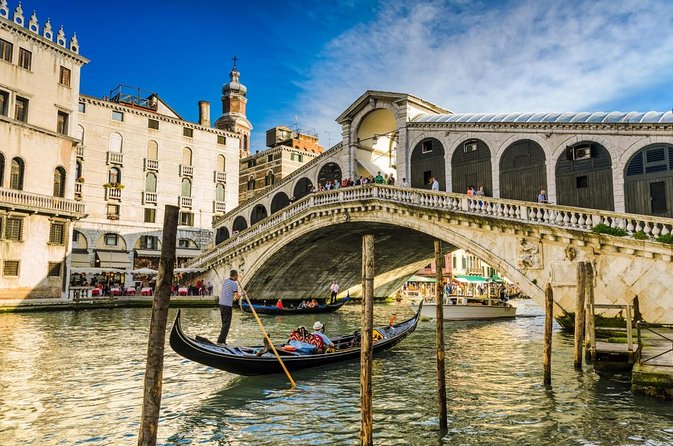
- Rialto Bridge photo moment: you get guided views of the bridge instead of just passing by.
- Audio help for navigation: you’ll pick up an audio device/headset at the start.
- Optional gondola + VR: if you choose it, there’s a special Venice-in-the-past VR segment.
- Backstreet stories: the tour focuses on legends and lesser-known spots off the main foot-traffic lines.
San Marco to Rialto: what this tour really does for you
This is a practical Venice orientation on foot. The pitch is simple: start in the San Marco area, connect the dots across key landmarks, and then carry you toward Rialto with just enough “why it’s here” context that the city starts to make sense.
The route also has a built-in rhythm. You’ll hit classic names like St. Mark’s Square, then break away to places that feel more like local routes than postcard routes. Along the way, your guide helps you spot details you’d likely miss—both architectural cues and the little stories that explain why Venice behaves the way it does.
For me, the best value is that it combines three things that usually cost extra or take extra planning:
- orientation (so you can navigate later),
- a guided photo stop at Rialto,
- and a included spritz break in an actual bacaro setting.
That’s what makes this feel like more than a basic sightseeing walk.
You can also read our reviews of more walking tours in Venice


First stop: St. Mark’s Square and the “history filter”
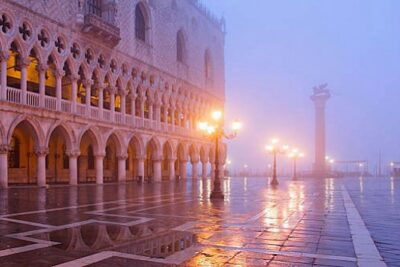
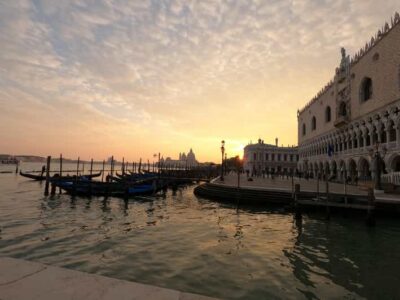
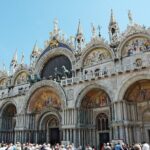
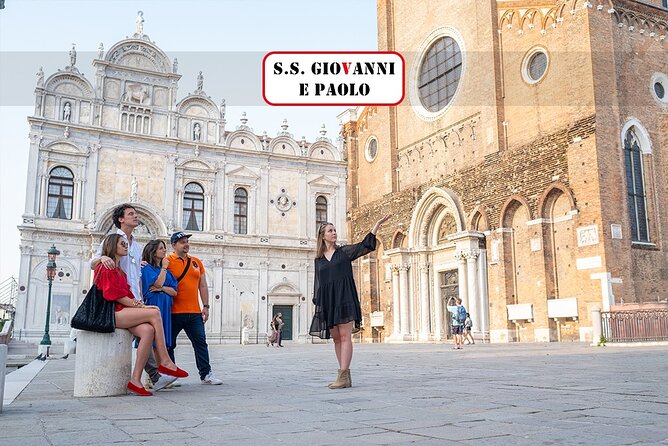
The tour starts where most first-time visitors begin: St. Mark’s Square. The difference here is that you’re not left to wander in a maze of pigeons and crowds with no thread. Your guide frames what you’re seeing with an emphasis on the city’s long timeline, so the square becomes a reference point rather than just a big open space.
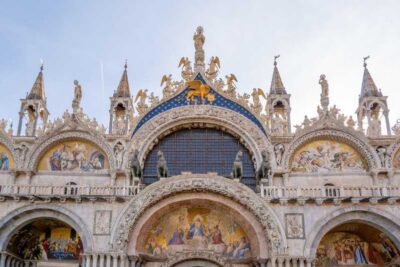
Also, this is where you’ll start building your photo instincts. St. Mark’s Square is visually loud—arches, domes, mosaics, crowds—and a guide helps you decide what to capture and why. If you care about photos, this first segment matters.
Practical note: arrive a little early. The day-to-day logistics matter in Venice, and you’ll want time to get whatever audio gear you’re issued and get grouped up calmly before you start walking.
One of the largest fields plus the “Pantheon of Venice”
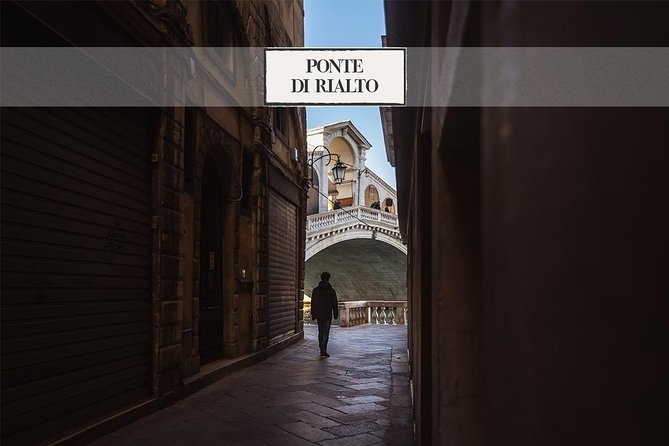
After the square, the itinerary shifts gears. You’ll move to one of the largest fields in the city, which gives your eyes a breather after tight alleys and dense waterfront views. That open space also helps you reset before you go deeper into smaller lanes and photo-prone corners.
Then you hit a stop described as the Pantheon of Venice. Even without getting lost in technical details here, the key is that this is one of those Venice labels—used to give you a handle on what the place feels like and why people compare it. Your guide’s job is to connect the nickname to the structure and atmosphere you’re standing in.
If you’re expecting a “walk past ten random buildings” tour, this is different. The stops are named for a reason, and your guide uses them as stepping stones to explain how Venice grew, traded, and adapted.
Backstreet navigation: how you actually “find” Venice
This tour leans hard into the thing Venice needs most: good navigation. The main advantage is that you’ll be guided through the backstreets rather than trying to guess the best route while avoiding bottlenecks.
That matters because Venice can turn into a loop fast. One wrong turn and you’re back at the same crowded corridor, watching every storefront on the way. With a guide, you’re more likely to walk away with a sense of direction—where landmarks sit in relation to each other.
A few guides names came through in the experience feedback, and they give you a sense of the range of styles: people praised guides such as Hanna, Valentina, Isabella, Florintina, and Marco. The common thread in the stronger reviews was pacing and storytelling that felt tailored to the route, not just a list of facts.
Still, note the risk. Some feedback flagged rushed pacing or a guide who moved quickly enough that it became hard to keep up. Comfortable shoes help, but pace is ultimately guide-dependent.
Rialto area: the bridge moment plus the explorer clue
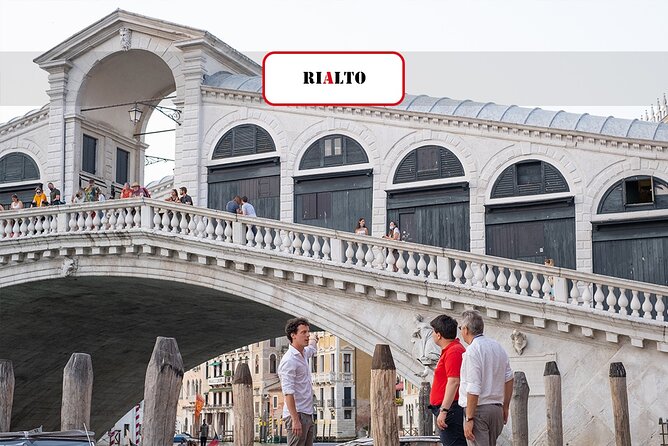
Next comes the Rialto area, including a chance to admire the Rialto Bridge—the worldwide famous one you’ll recognize instantly once you see the angle from the guide’s chosen spot.
This is a great part of the day because Rialto isn’t just about the bridge. It’s also about the network around it: streets, crossings, and the way the city funnels people and goods. A good guide ties those pieces together so Rialto feels like a living hub, not just a photo stop.
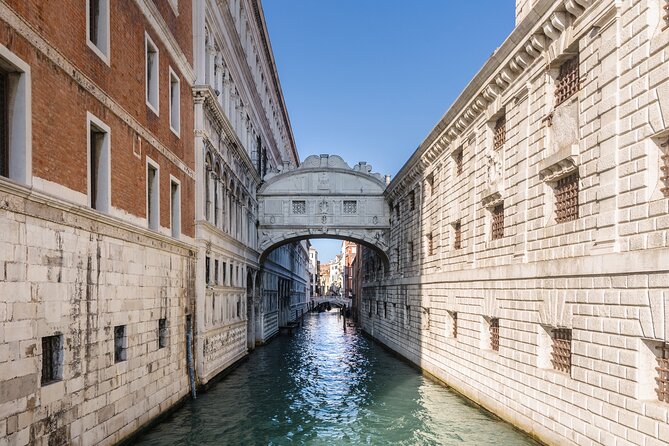
The itinerary also includes a building connected to a famous explorer, marked by a white plaque and now used as a theater. That kind of stop is exactly why guided walks work: you get a small “story anchor” you can remember later when you notice the plaque again on your own.
If you’re the kind of person who likes to understand the why behind what you’re looking at, this segment is where the tour can feel most satisfying.





The theater stop and why the detour is worth it
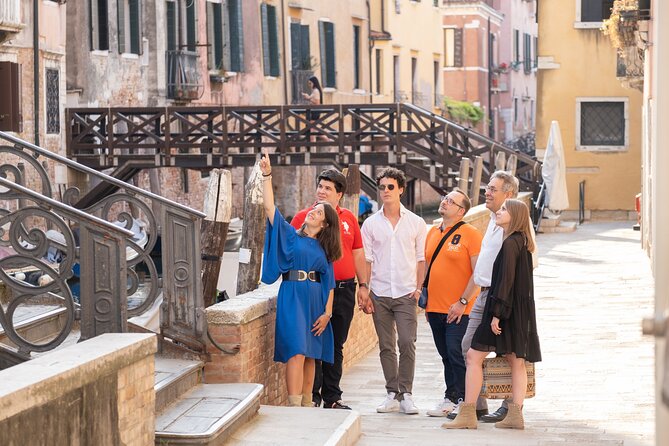
This is one of those Venice moments that can look random if you’re walking alone. The reason it lands well on a guided route is context: the stop is tied to a person-name and a physical clue (the white plaque), and then the guide points out how the building’s role changed over time.
Venice often reuses spaces. A former “who lived here” or “who worked here” link can become a public stage. When your guide explains that continuity, you’re seeing Venice as a city that keeps adapting, not as a museum you walk through.
Also, it’s a chance to slow down briefly before the day’s optional add-ons.
Spritz break in a local bacaro: the best kind of included pause
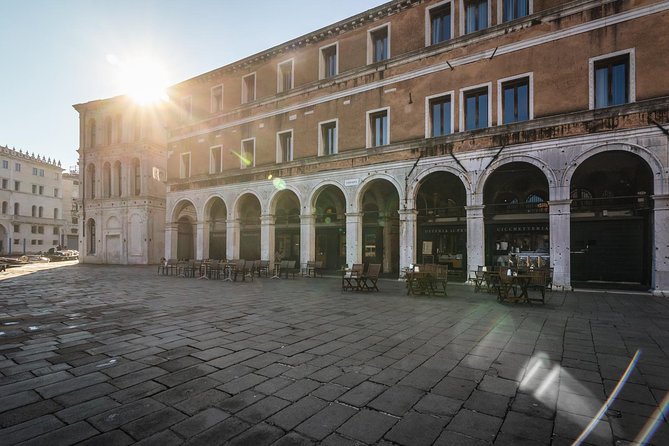
Here’s the part most people actually feel in their bodies: the spritz break at a local bacaro. This is not a side dessert tacked on at the end—it’s built into the flow. You get a real break from constant walking, and you get a taste of how Venetians take small pauses during the day.
For value, this helps. In Venice, even a basic drink adds up quickly, and having one included makes the tour feel more balanced for the price.
If you’re traveling with a friend, it also gives you a natural reset moment to regroup, swap photo favorites, and decide what you want to do afterward—especially since the tour aims to give you enough bearings to explore on your own.
Optional gondola ride and the VR segment: fun, but verify timing
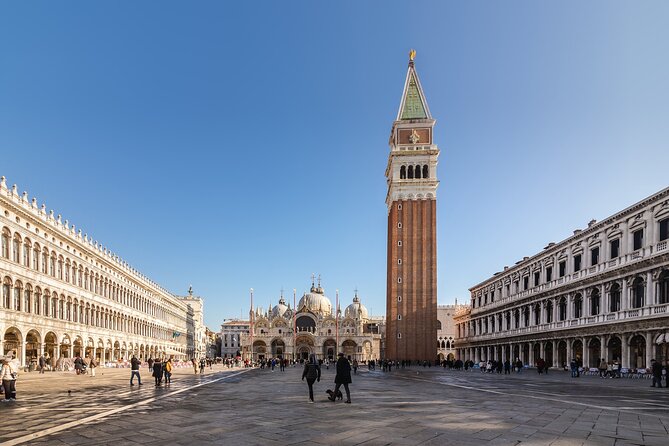
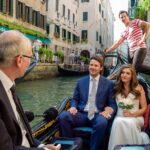
If you select the option, you may include a shared gondola ride and something called Gondola Gallery, described as a unique VR experience of Venice in the Past.
This add-on has real potential because it turns the gondola from just a ride into a themed start-point. One of the nicer-sounding parts of the day is that the VR segment is meant to set up the story of the city before you glide through it.
But here’s the caution I’d give you. Some feedback mentioned scheduling headaches: a few people said the end of the walking tour got rushed because others had gondola bookings. Another issue described was confusion about the flow afterward, with people feeling they were left to coordinate the next part.
So if you choose the gondola option, do two things:
- Confirm exactly when your gondola portion starts relative to the walking tour.
- Ask if you’ll stay with the same group the whole time or transition to a different check-in.
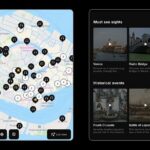
Also, there was one specific snag called out: the app connected to the gondola experience reportedly didn’t work properly, and the info access felt like it might require extra payment. If that happens, it can sour the fun fast. If you see people struggling with screens or headsets at the start, flag it immediately and ask how the audio should work.
Price and group size: why $18.10 can be either a bargain or a gamble
At about $18.10 per person for a walking tour that lasts around 2 hours, plus an included spritz, this is priced to feel like a bargain in Venice. Shared tours reduce cost, and the spritz included helps offset some of the overhead.
The trade-off is that shared, budget-friendly tours can become guide-dependent. Some days are smooth and paced well. Other days get chaotic—especially if staff handling meet-up points or timing doesn’t match the schedule on paper.
I’d call it a smart value if:
- you want a first-day orientation,
- you care about a few landmark photo moments,
- you’re okay with a group setting and short segments.
I wouldn’t call it a safe bet if:
- you need very precise timing for later plans,
- you’re sensitive to late starts,
- you hate rushing (or you must be somewhere specific right after).
This tour can still be worth it, but go in with flexible expectations.
Meeting point and audio gear: small details that prevent big headaches
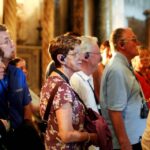
Your best move is simple: arrive about 5 minutes early. The tour uses a mobile ticket, and you may also pick up audio equipment at the start (people referenced getting earphones and a vocal box from an office). In Venice, arriving late can quickly turn into missing your group.
A few practical issues showed up in the feedback:
- People reported confusion about where to gather when staff were still locating the guide.
- When groups included multiple languages, some people said they heard narration in both languages, and that audio could become unclear in tight alley sections.
Even if you’re booking for English, I’d still recommend you’re ready for bilingual situations, especially on mixed-language dates.
Who this is best for (and who should skip it)
This fits best if you’re:
- a first-time visitor who wants quick bearings around San Marco and Rialto,
- photo-minded and want a guided vantage point rather than random snapping,
- the type who likes small stories tied to places.
It’s also a good option if you want an “intro day” that still leaves time for more wandering afterward, because the guided walk is designed to help you know where to go next.
Skip (or at least think twice) if you:
- have a tight schedule that can’t absorb delays,
- need long, deep explanations at every stop,
- get frustrated when groups run fast or when the day’s segments don’t connect smoothly.
Tips to get the most from the walk
A few choices can make the experience feel better from the first five minutes:
- Wear comfortable shoes. Venice walking is real walking.
- Keep your day plan flexible if you chose the optional gondola.
- If rain hits or tides run high, be ready for changes. The tour says it doesn’t operate in exceptional high tide; it can be postponed to the day after or refunded.
- If you care about audio clarity, keep your headset in place and don’t be shy about asking the guide to repeat or reframe something if you missed it.
For content, I’ve seen signals that the better guides share practical Venice facts—not just architecture. Some specific examples people praised included stories about tiles that help keep canals clean, Museo Fortunati, and broader topics like trade, drinking-water history, and even famous locals such as Casanova.
That’s the kind of “take home” info that pays off when you’re sightseeing later.
Should you book this San Marco to Rialto tour?
I’d book it if you want a smart first pass through Venice that includes the basics—St. Mark’s Square, a guided route toward Rialto, and an included bacaro spritz—at a price that doesn’t wreck your budget.
I’d hesitate if your schedule is fragile or if you’re the kind of person who expects a perfectly timed, never-rushed 2-hour experience every single day. This tour can be excellent with the right guide, and reviews also show that organization and pacing can swing.
If you do book, do it with the mindset of: you’re paying for guidance, photo stops, and a drink break—then you’ll explore on your own with better bearings after. That’s when this tour tends to feel like real value.
FAQ
How long is the walking tour?
It’s listed at about 2 hours.
Is a spritz included?
Yes. The tour includes a spritz break in a local bacaro.
Does the tour include a gondola ride?
A shared gondola ride is included only if you select that option. The VR segment (Gondola Gallery) is also included as part of the included items.
What happens if there is exceptional high tide?
The walking tour does not operate in exceptional high tide. In those cases it can be postponed to the day after; otherwise it’s refunded.
Is there an access fee for some visitors entering Venice?
On certain dates, visitors staying outside of Venice who visit for the day may need to pay a €5 access fee. The details and exemptions are linked on https://cda.ve.it.
What is the cancellation window for a full refund?
You can cancel up to 24 hours in advance for a full refund. If you cancel less than 24 hours before the start time, the amount paid won’t be refunded.