REVIEW · VENICE
Venice: 1.5-Hour Walking Tour
Book on GetYourGuide →Operated by Venice Events srl · Bookable on GetYourGuide
Venice without the crush is possible in 90 minutes. I like how this walk pairs the big-name sights around St. Mark’s Square with the calmer, residential Castello area, and I especially like the live audio headset that keeps the guide’s commentary clear in the busiest parts. You’ll come away with a real sense of how Venice works, not just what to look at.
One thing to consider: you’re on your feet the whole time, and at least one previous booking felt the group was not as small as expected. If you hate crowds even a little, plan your expectations and choose comfortable shoes for steady walking.
The payoff is that you get context as you move: origins, symbols, traditions, architecture, and everyday life in present-day Venice—plus you’ll follow the guide from plaza icons into the smaller calli, bridges, and campi behind San Marco.
In This Review
- Key points worth knowing
- St. Mark’s Square: learning what you’re actually seeing
- Hearing the guide in the loudest place in Venice
- Escaping the crush: Castello’s calli, canals, bridges, and campi
- Campo Santa Maria Formosa: a different kind of square moment
- San Giovanni & Paolo and the doges’ burial story
- Moving back to San Marco via the Mercerie
- Price and value at $37 for 1.5 hours
- Timing tips: pick the slot that matches your energy
- Who should book this walk (and who should skip it)
- Quick practicalities before you go
- Should you book this Venice 1.5-hour walking tour?
- FAQ
- How long is the Venice 1.5-hour walking tour?
- Where does the tour start?
- Which languages is the live commentary available in?
- Does this tour include museum or attraction entry?
- Is hotel pick-up and drop-off included?
- Is the tour wheelchair accessible?
- What should I bring or wear?
- Are children allowed, and do they pay?
Key points worth knowing
- St. Mark’s Square first, so the symbols make sense before you hit the neighborhood streets.
- A headset system helps you hear commentary even when the square gets loud.
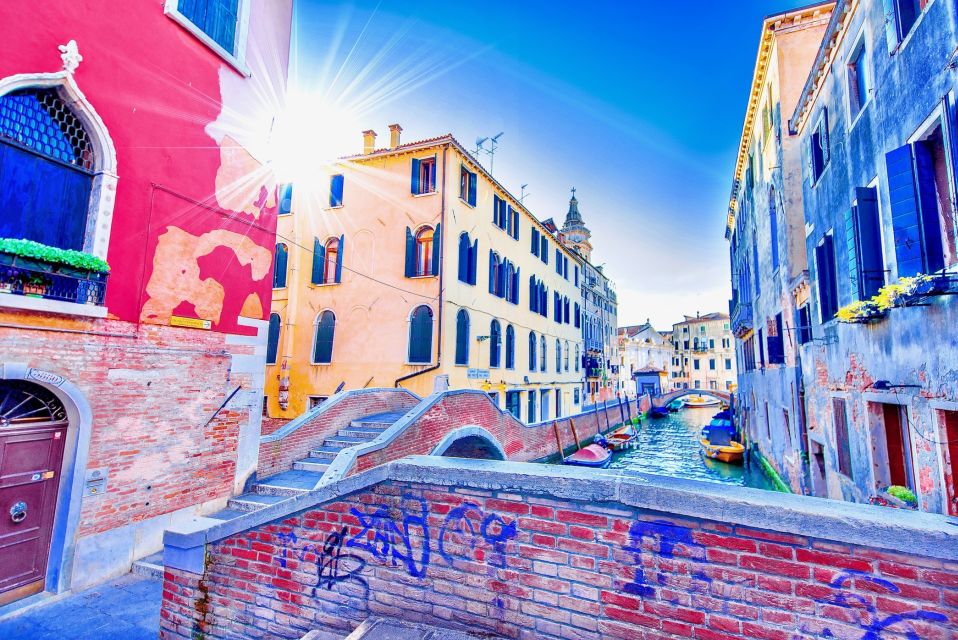
- Castello’s residential feel means fewer crowds and more Venice-as-a-living-city.
- Campi + churches on the quieter side give you a different Venice photo set.
- Campo Santa Maria Formosa and San Giovanni & Paolo add strong anchors beyond the obvious.
- A return through the Mercerie helps you end back where you can easily orient yourself.
St. Mark’s Square: learning what you’re actually seeing
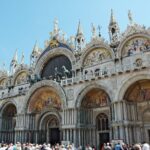
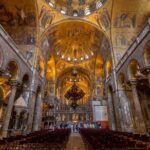
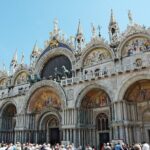
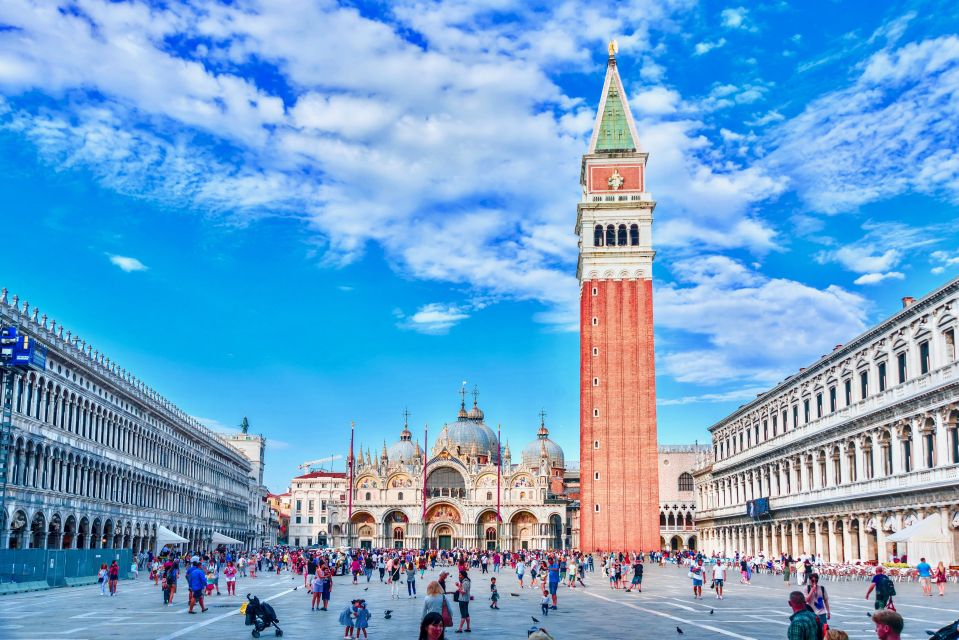
Most Venice tours start with the basics: you stand in front of St. Mark’s Basilica and hope it’s enough. This one does something smarter. You begin in Saint Mark’s Square, then your guide gives you an organized explanation of what you’re seeing—origins, symbols, traditions, and the architecture that shaped the power of the Republic.
You’ll focus on the big landmarks in a way that sticks. The tour covers the history of St. Mark’s Basilica, the seat of government through the Doge’s Palace, and even the Renaissance clock tower. That last detail matters more than it sounds. Once you understand why the clock tower exists and what it represented, you stop treating it like a random ornament and start seeing the square as a designed statement of civic pride.
And because you’re on a guided walk with narration, you don’t waste your time building your own theory from a guidebook. You get the meaning first, then you walk—exactly how your brain likes it.
You can also read our reviews of more walking tours in Venice

Hearing the guide in the loudest place in Venice
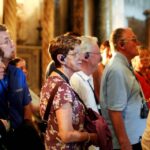
St. Mark’s Square can be chaotic: foot traffic, street noise, vendors, and people stopping dead in the middle of everything. The tour fixes that with a personal audio setup and a live guide speaking through a headset system.
That’s one of the practical reasons I like this format. It keeps the commentary constant as you transition from the open plaza into the tighter calli and across bridges where sound can bounce around. You’re not constantly asking friends to repeat themselves, and you’re not turning around every ten seconds to locate the next explanation.
The tour is offered with live commentary in multiple languages—English, French, German, Spanish, and Italian—so you’ll likely find a matching language for your group. If you want to focus on listening rather than crowd-navigation, the audio system is a big deal.
Escaping the crush: Castello’s calli, canals, bridges, and campi
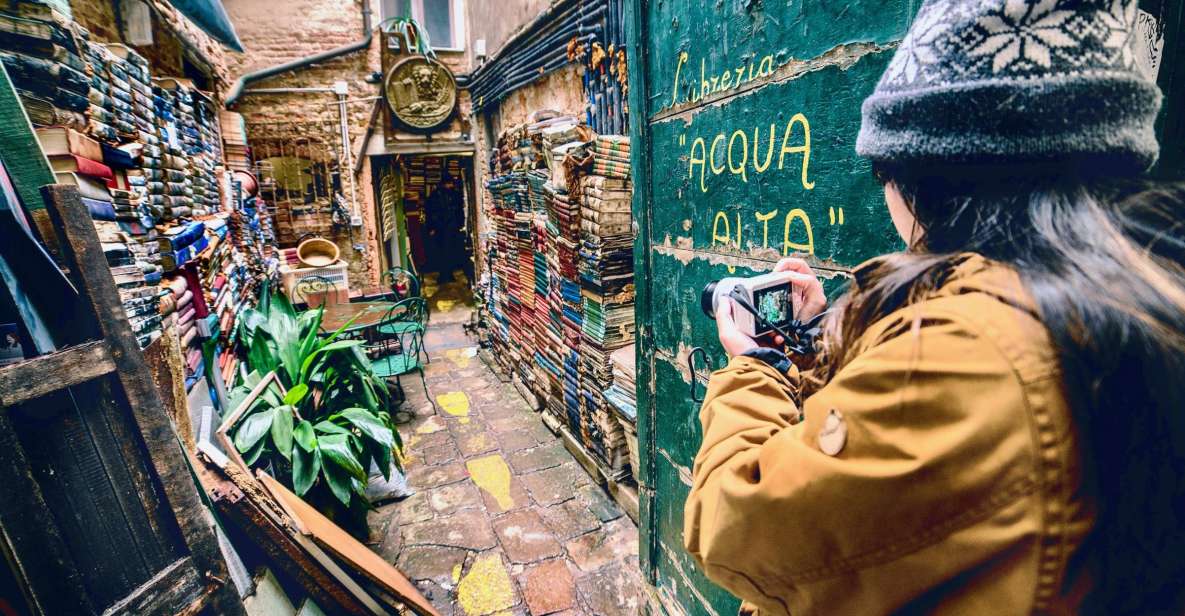
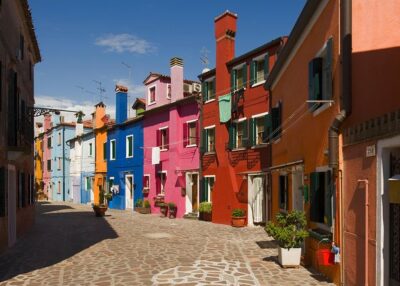
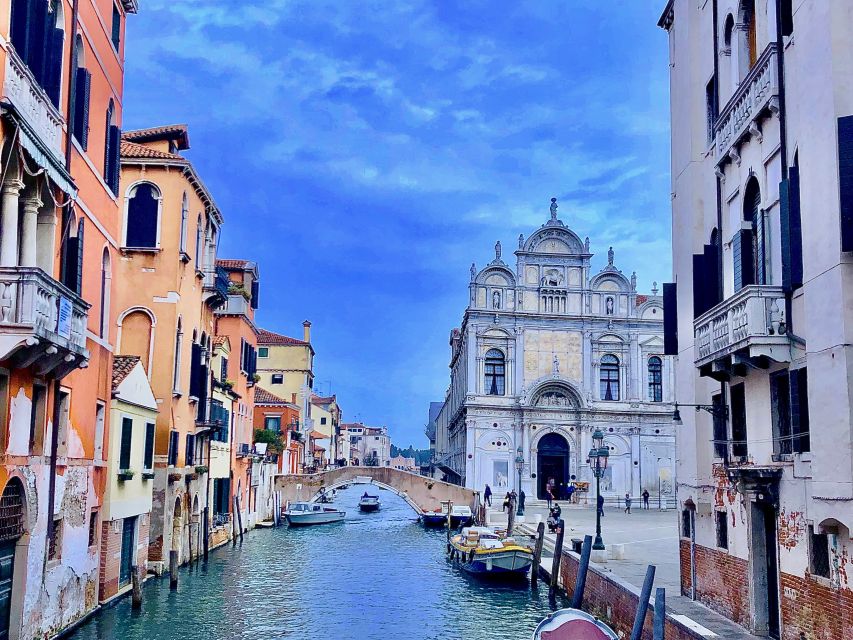
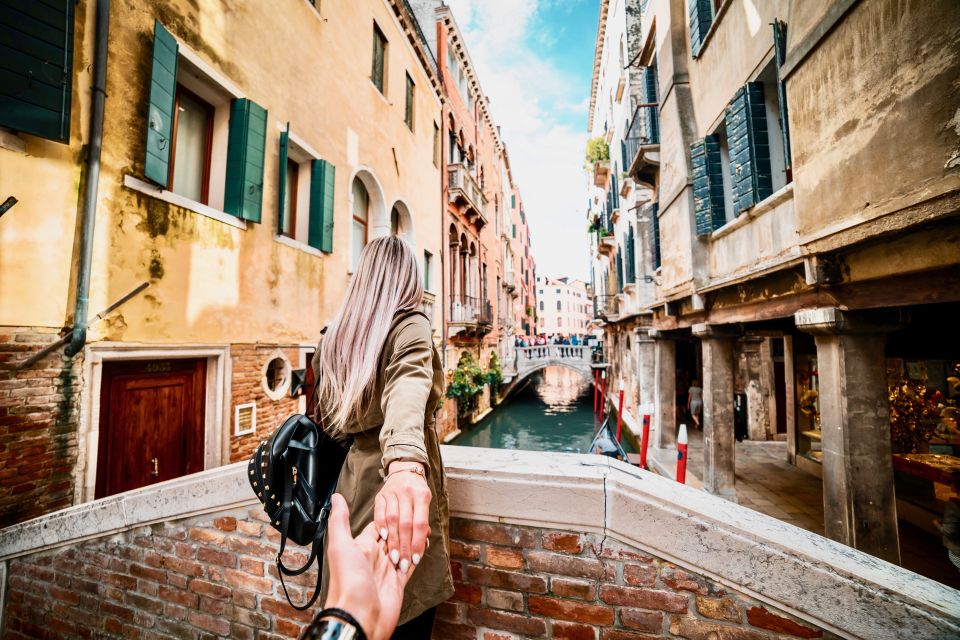
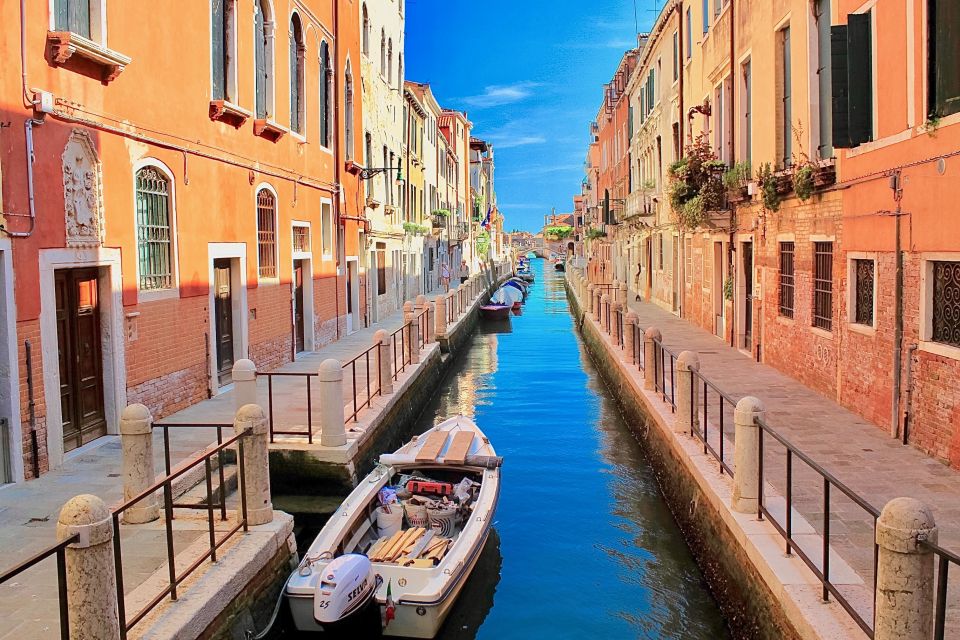
After the square, the walk shifts from postcard Venice to Venice-as-you-might-find-it on a normal day. You move into the Castello area, which is described as a less crowded, residential pocket—exactly what you want if you’ve already seen the heavy sightseeing zones.
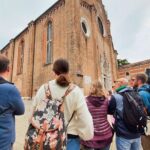
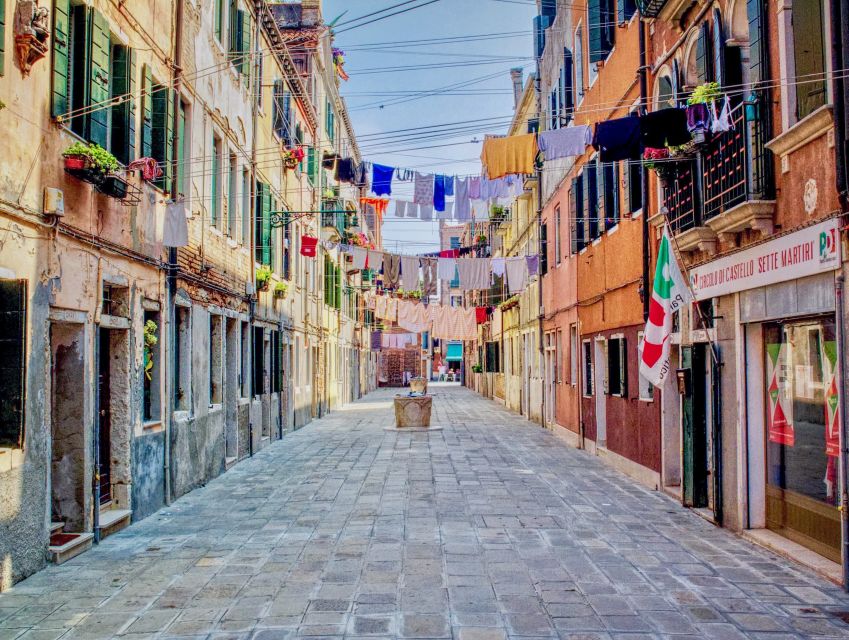
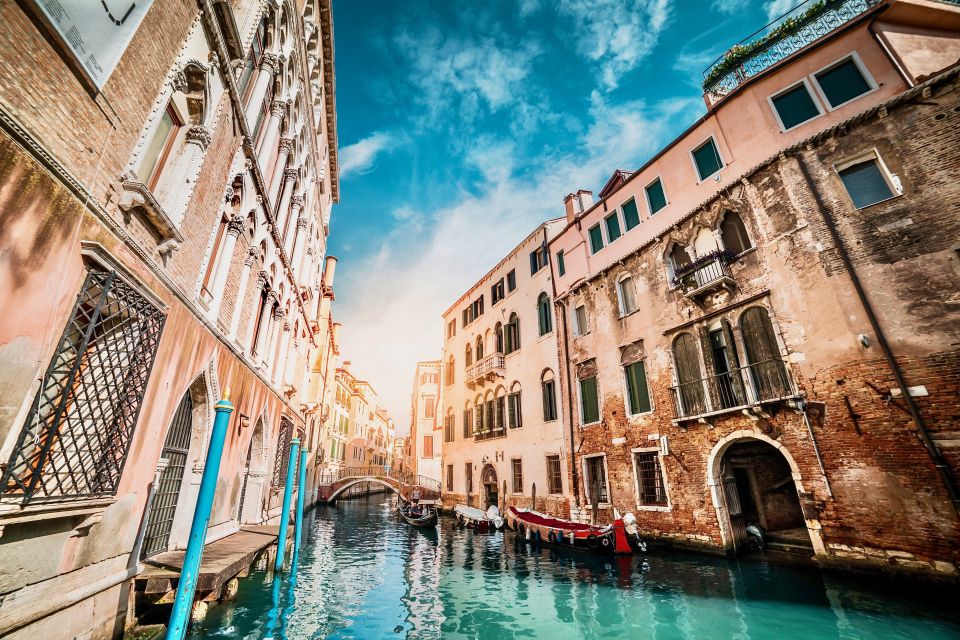
Here’s what makes this part feel different: the tour isn’t just “walk through pretty streets.” Your guide leads you through the labyrinth of narrow alleys (calli), over bridges, and past winding canals, then into wide picturesque squares (campi). That pattern—tight lanes, then suddenly an open campo—helps you understand how Venice neighborhoods are built for foot travel and for looking up.
This is where the “perfect introduction” idea becomes real. In a short time, you see how Venice’s layout creates its own rhythms. You also see the difference between seeing a building and experiencing the space around it. In Castello, you’re not boxed in by constant tour groups. The atmosphere feels more lived-in, and that changes how the architecture lands.
Campo Santa Maria Formosa: a different kind of square moment
One of the strongest advantages of this route is that it doesn’t keep you locked on the most famous squares only. You get campo Santa Maria Formosa, which helps you measure Venice beyond the headline views.
A campo visit is never just about a photo. It’s a snapshot of local public life—where people pause, where events likely happen, and where the surrounding buildings form a kind of audience. With a guide explaining the surrounding history and meaning, you stop treating each square as interchangeable.
If you’re the type who likes to understand how places function day-to-day, this stop gives you a smoother connection between “monuments” and “neighborhood.”
San Giovanni & Paolo and the doges’ burial story

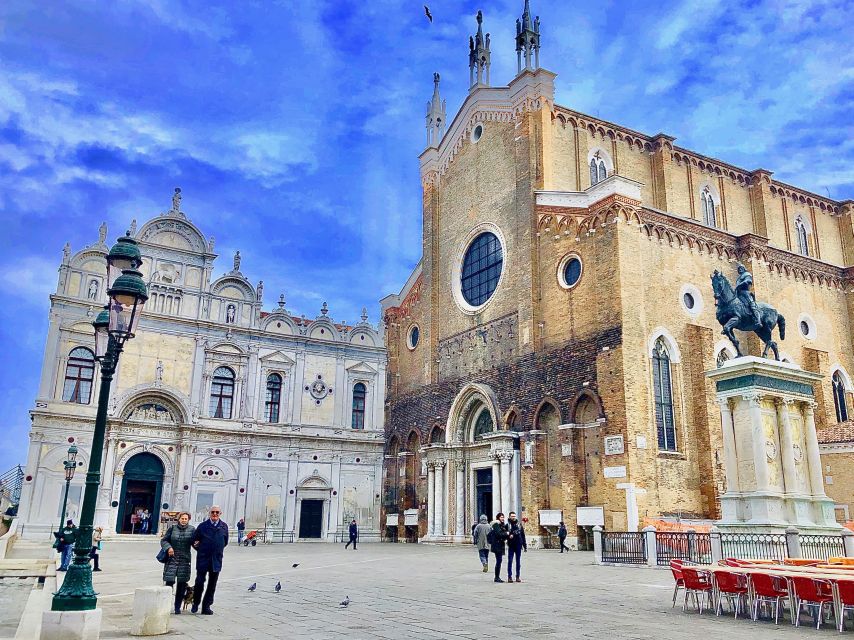
From the quieter squares, the walk brings you to campo San Giovanni & Paolo, which centers on the basilica where the doges of Venice were buried. That’s a powerful detail for two reasons.
First, it gives the Republic a human anchor: the leaders weren’t just an abstract idea of power. Second, it helps you connect the earlier discussion of Doge’s Palace to what happened to the people behind it. The tour design links governance to legacy, and it does it without needing museum time.
You’re still outside, walking, and listening, but the story has weight. Even if you’re not a history buff, this kind of context helps you notice architectural and symbolic cues you might otherwise miss.



Moving back to San Marco via the Mercerie
At the end, you return to San Marco’s Square, passing through the Mercerie—the shopping connection street between Rialto and San Marco.
That return route is smart for a practical reason. By the time you’re back near where the tourist mainline begins, you can orient yourself again. You’ve already seen the city’s less-famous walking logic, and then you finish in the area where maps, water access, and onward plans are easiest.
The “walk out, walk back” approach also means you don’t feel like you’re leaving Venice behind at the first sign of crowds. You get a full loop of contrast: icon square, residential neighborhood, and then the main corridor again.
Price and value at $37 for 1.5 hours
Let’s talk about the cost honestly. At $37 per person for 1.5 hours, you’re paying for three things: a fully qualified local guide, a live narration system with headset, and a route that hits both St. Mark’s Square and Castello.
If you were to do this on your own, you’d probably still want a guide for the meaning behind what you’re looking at. Venice is full of buildings that look similar until someone explains what’s different and why it mattered. The audio headset is also part of the value. In a noisy place like St. Mark’s Square, that’s not just a gimmick—it keeps you from constantly breaking your attention.
The other value factor is the specific geography: you’re leaving the biggest crush zone and spending real time in the less crowded streets behind San Marco. That shift is often what makes the tour feel worth it, especially if you only have a short window in Venice.
One caution from the reviews: at least one booking said the group wasn’t as small as advertised. So judge value for what it really is: an efficient 90-minute guided orientation with a headset, not a private conversation unless you book with that expectation.
Timing tips: pick the slot that matches your energy
You’ll check in 15 minutes before the booked start time, and the tour runs rain or shine. That means you should choose your time with your comfort in mind.
One helpful clue from a past booking: a summer visit at 9 am was described as a good choice because it’s still not quite as hot. If your goal is to enjoy walking rather than just survive it, early starts tend to feel kinder in Venice, especially when you’re moving between open squares and narrow calli.
Also bring the right mindset. This is an outdoor, external walking experience. You’re not escaping the weather behind museum walls—you’re using the guide and the route to make the experience productive in whatever conditions show up.
Who should book this walk (and who should skip it)
This tour is a strong fit if you want:
- A structured introduction to Venice’s symbols and layout, not just a list of monuments
- Time in Castello to see a more residential side behind San Marco
- A headset so you can keep listening and keep walking
It may be less ideal if:
- You need wheelchair access, because the tour is not wheelchair accessible
- You’re extremely sensitive to group size or prefer fully private experiences (one reviewer felt group expectations didn’t match the reality)
If you love architecture, public squares, and the way history connects to how cities function today, you’ll likely feel like this tour gives you a map in your head. Afterward, you’ll understand why certain streets matter and why campi feel like community rooms rather than random intersections.
Quick practicalities before you go
You meet at Calle larga de l’Ascension (30124) behind the Correr museum, on the opposite side of Saint Mark’s Basilica, and you should look for the TURIVE assistant next to the post office San Marco. Wear comfortable shoes; you’ll be walking on outdoor surfaces throughout.
The tour is also designed to avoid museum time. It does not include museum or attraction entry, and it does not include food or drink—so plan on keeping your energy for your own timing afterward.
Should you book this Venice 1.5-hour walking tour?
Yes—if you want a fast, meaningful orientation that goes beyond the obvious sights. The best reason to book is the contrast: St. Mark’s Square context first, then Castello life behind the crowds, with a local guide and an audio headset that makes the experience easier to follow.
Skip it only if wheelchair access is a dealbreaker or if you’re expecting a super-small, quiet private-style walk. Otherwise, for the price, this is a practical way to leave Venice with more than photos—you’ll have a clearer sense of how the city’s power, layout, and neighborhoods connect.
FAQ
How long is the Venice 1.5-hour walking tour?
The tour lasts 1.5 hours.
Where does the tour start?
It starts near Saint Mark’s Square at Calle larga de l’Ascension (30124), behind the Correr museum and on the opposite side of Saint Mark’s Basilica. The meeting help is the TURIVE assistant next to the post office San Marco.
Which languages is the live commentary available in?
Live commentary is available in English, French, German, Spanish, and Italian.
Does this tour include museum or attraction entry?
No. It is an external walking tour only and does not include access to museums or attractions.
Is hotel pick-up and drop-off included?
No, hotel pick-up and drop-off are not included.
Is the tour wheelchair accessible?
No, the tour is not wheelchair accessible.
What should I bring or wear?
Wear comfortable walking shoes. The tour runs rain or shine, so plan for weather.
Are children allowed, and do they pay?
Children are free up to 5 years old. From age 6, they pay the full ticket price and ID is required.