REVIEW · VENICE
The Murano Glass Museum in Venice
Book on Viator →Operated by Weekend in Italy · Bookable on Viator
Venice glass, in an orderly museum. This ticket gets you into Museo del Vetro with secure entry, so your visit starts fast instead of queuing. You’ll see the museum’s big selling point: the largest collection of Murano glass in the world, arranged in a way that actually makes the story easy to follow.
What I like most is how the museum is built for browsing without rushing. The galleries move chronologically, from early archaeological finds to famous glassmaking periods, so you can connect techniques and styles across centuries. The audio guide option (in multiple languages) also helps you understand what you’re looking at, even if you are not a hardcore glass scholar.
One watch-out: this is not an interactive, hands-on experience. If you are bringing a young kid who needs to touch and play, the visit can feel slow and educational in the way that makes attention drift.
In This Review
- Key Things to Know Before You Go
- Entering Museo del Vetro Fast (and Getting Value for Your Time)
- A Chronological Walk Through Murano Glass (Starting With Roman Finds)
- The Ground Floor Archaeology: Why It Sets the Mood
- First Floor Murano Masterpieces: The World-Famous Part
- Audio Guide and English-Friendly Touring
- Don’t Skip the Garden Calm (Even If You Have Limited Time)
- The Museum Shop Is Small, and That Is Fine
- How Much Time Should You Plan for? (Realistic Pacing)
- Price and Value: Is $26.43 Worth It?
- A Quick Reality Check on Fit: Who This Works For
- When Visiting Outside Venice Days: The €5 Access Fee
- Third-Party Ticket Caution: Make Sure Your Entry Works
- Should You Book the Murano Glass Museum Ticket?
- FAQ
- How long does the Murano Glass Museum visit take?
- What is included in the ticket price?
- Is snacks included?
- Is the experience offered in English?
- How soon will I receive confirmation after booking?
- Where is the museum located in relation to transport?
- What if I am visiting for a day from outside Venice?
- Can I cancel and get a refund?
- Is the visit suitable for most travelers?
- How far in advance do people typically book this?
Key Things to Know Before You Go

- Secure admission helps you avoid ticket-line headaches at a popular stop
- Chronological galleries let you trace glass styles from Roman times onward
- Audio guide in multiple languages makes the art easier to understand
- Museum garden adds quiet breathing room, though it is not huge
- Not hands-on means plan for adults or older kids who like looking closely
- Third-party ticket issues can happen, so verify your confirmation before you head to the museum
Entering Museo del Vetro Fast (and Getting Value for Your Time)
Murano day trips in Venice can be a bit of a juggling act: boats, walking, schedules, and the not-so-fun surprise of lines. A big reason this museum ticket feels like good value is that it is built around getting you in. With the entry sorted, you can spend your limited time actually looking at glass, not sorting out late-day logistics.
The visit typically runs 1 to 3 hours, which is perfect for a museum that you do not want to “commit your whole afternoon” to. If you are planning a busy Murano loop with shops and photo stops, this fits well as your structured anchor. If you are traveling with someone who prefers art that you can actually see up close (not just statues at a distance), you are in the right place.
One practical note: it is near public transportation, so you are not forced into a complicated routing plan to reach it. That matters in Venice-area travel, where a small detour can cost you time you wanted for other stops.
You can also read our reviews of more museum experiences in Venice



A Chronological Walk Through Murano Glass (Starting With Roman Finds)
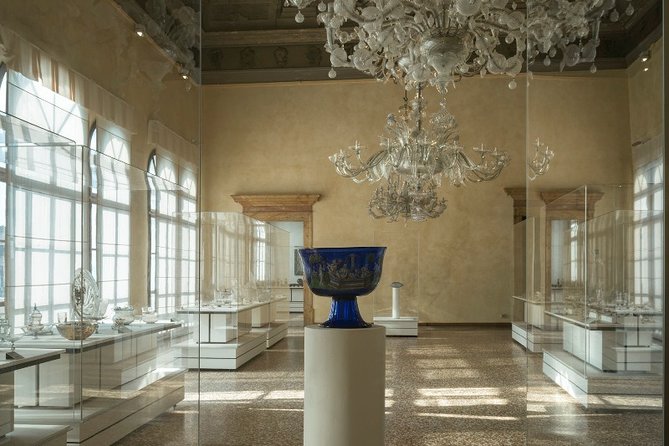
The museum’s layout is one of its strongest features. On the first floor, the collection unfolds in chronological order. You start with an archaeological section on the ground floor, then move into what the museum is best known for: Murano glass masterpieces spanning the 15th to 20th centuries.
That chronological flow is not just a curatorial choice. It is a practical way to enjoy the museum without feeling lost. Instead of random objects, you get a progression. You begin to see how glassmaking evolves—how shapes, styles, and decorative ideas build on what came before.
Ground-floor archaeological pieces also set the scene in a useful way. Roman-era works from the 1st to 3rd century A.D. help you frame glass as a long-running craft, not something that magically started in Murano overnight. It gives your later viewing context, so the Murano periods feel more like chapters in a larger story rather than isolated display cases.
The Ground Floor Archaeology: Why It Sets the Mood
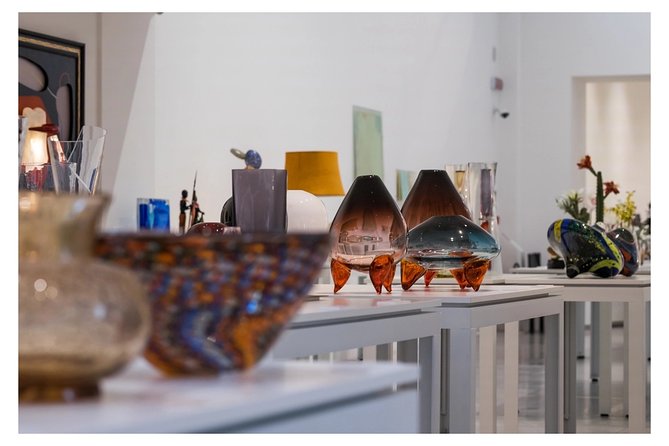
Starting with the archaeological section can feel like a slower entry point, but it pays off. Those Roman works help you understand that glass history is deeper than the trendy Murano aesthetic you may already associate with Venice. Instead of jumping straight into showpiece glass, you get a sense of continuity—how materials and techniques have long been part of daily life and artistic production.
If you love art history and want the museum to make sense as you go, this start is a good strategy. You are not just looking at pretty objects; you are learning the timeline in the most natural way: by seeing earlier stages first.
The only downside is mental, not physical: if you already know you only care about Murano glass from later centuries, you might want to pace this section quickly and focus on the periods that grab you most.
First Floor Murano Masterpieces: The World-Famous Part
This is the museum’s core. The largest historical collection of Murano glass in the world is presented across rooms that follow different time periods. The result feels like walking through a timeline of design choices, from earlier forms to later “wow” pieces.
This is where you will enjoy the museum most if you like noticing details. Look at how forms change. Pay attention to decoration styles and how different eras favor different visual languages. When you see glassmakers respond to taste and technology over time, the objects stop being just pretty and start being meaningful.
You do not have to be an expert to get a lot out of this. The combination of chronological order plus an available audio guide (in multiple languages, according to museum visitors) helps you connect each room to the larger story. That means you can spend less time guessing and more time actually admiring.
Also, you will likely find yourself slowing down in front of the more famous pieces. That is a good sign. If you move at a normal museum pace, you can usually hit the main rooms without feeling like you are sprinting.
Audio Guide and English-Friendly Touring
One of the best practical upgrades here is understanding what you are seeing. Many art museums are full of objects that look spectacular but can feel vague. An audio guide in different languages can fix that fast.
In this case, you can expect audio support to make the visit easier, especially if you do not read Italian. Since the experience is offered in English, that is another plus if you want to keep your day moving without constantly translating on your phone.
You should still expect a classic museum tempo: look, read, listen, move on. This is not a guided performance with a crowd herding experience. It is a self-paced museum visit with helpful interpretation built in.






Don’t Skip the Garden Calm (Even If You Have Limited Time)
You may notice a garden area during your visit. It is a nice pause when your eyes need a break from glass shine and intricate details. The garden is described as tranquil, though it is not extensive. In other words: it is worth seeing, but it should not be the reason you plan your whole visit.
I like using it as a reset—five minutes of breathing room before you head back into the main galleries. If you are traveling in warmer months, the garden stop can make the day feel less rushed and more relaxed.
If you are short on time, keep it simple: quick look, then back inside for the rooms that matter most to you.
The Museum Shop Is Small, and That Is Fine
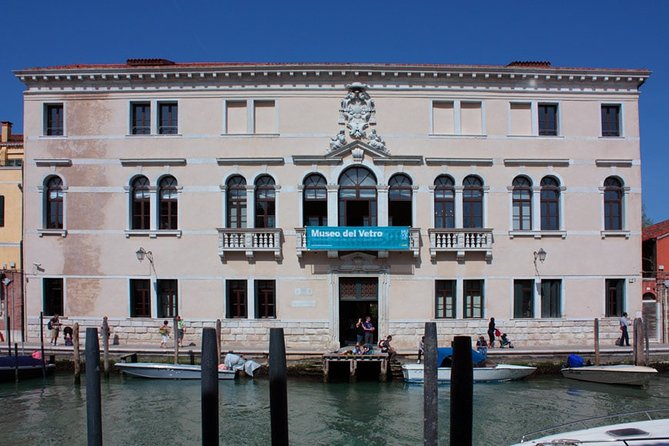
The museum shop is reported as small. The good news is that Murano itself is full of glass shops, so you are not relying on the museum to be your shopping hub.
That means you can treat the museum shop as a bonus stop rather than a major attraction. If you want to browse Murano glass on the day, you’ll probably have plenty of chances nearby without turning the museum visit into a retail mission.
How Much Time Should You Plan for? (Realistic Pacing)
Since the visit runs about 1 to 3 hours, you can tailor the pacing to your interests.
- If you are a glass fan or art-history person, plan closer to 2–3 hours so you can linger in the rooms and actually absorb the timeline.
- If you want a solid overview and you are on a tight schedule, 1–1.5 hours can still work if you focus on the higher-impact periods.
A simple strategy I like: spend the first half getting your bearings through the chronological flow, then slow down for the periods that catch your eye. That way you do not waste time backtracking, and you still get the museum’s main payoff.
Price and Value: Is $26.43 Worth It?
At $26.43 per person for an admission ticket, the value depends on two things: your time and your patience for lines.
This ticket is designed for secure entry, which helps you save time. In Venice and its islands, saving time often means reducing stress. If you are visiting during a busy season or on a day when you want to hit multiple stops, paying for smooth entry can feel like a smart trade.
Also, the museum’s biggest draw—its size and the way it presents Murano glass across periods—makes it easier to justify the cost if you genuinely enjoy looking at objects up close. If you are only taking glass photos from street corners, this may feel like a “nice” add-on rather than a must.
Finally, remember that the entrance ticket is the main included piece. Snacks are not included, so you may want to plan a break elsewhere on Murano or bring water if that works for you.
A Quick Reality Check on Fit: Who This Works For
This museum is best for people who like structured museum viewing.
You’ll probably enjoy it if you are:
- into art history and design timelines
- interested in how Murano glass developed across centuries
- happy to spend time reading and listening rather than doing hands-on activities
You might not love it as much if you are:
- bringing very young kids who need interactivity to stay engaged
- expecting a workshop-style experience where you actively make things
Based on the mix of feedback and the museum’s format, the most positive match is older kids, teens, and adults who enjoy studying details and following a period-by-period storyline.
When Visiting Outside Venice Days: The €5 Access Fee
There’s one extra detail you should check before you lock your schedule. On certain days, people staying outside Venice and planning a day visit may need to pay a €5 access fee. The applicable days and any exemptions are listed on this site: https://cda.ve.it
This matters for value. If you are budgeting tightly, that fee can change the math. If you are staying in Venice proper, you may not face that added cost, but you should still confirm what applies to your visit date.
Third-Party Ticket Caution: Make Sure Your Entry Works
One frustration that can ruin a day is arriving and discovering your ticket does not work. There have been reports of ticket issues when booking through third-party channels, including cases where entry was denied unless the visitor paid again.
So here’s my no-drama advice: when you book, verify that you received proper confirmation and that it clearly matches the museum’s entry requirements. If you do not have a usable confirmation in hand before you arrive, pause and sort it out in advance. This is one of those steps that only takes a minute now and can save hours of stress later.
Should You Book the Murano Glass Museum Ticket?
If you like art history, you can comfortably justify this as a solid, time-efficient stop. The museum’s chronological layout, its focus on major Murano periods, and the availability of an audio guide in multiple languages make it easier to get something meaningful even if you are not an expert.
I’d book it if:
- you want a structured look at Murano glass across centuries
- you prefer museum time that you can control (not a rushed tour)
- you value skipping entry headaches
I would think twice if:
- you are bringing small kids who need hands-on activities
- you only care about a quick photo and souvenir browse
- your schedule is so tight that 1–3 hours is too much museum time
If you match the vibe, this is a worthwhile ticket. If your idea of fun is touch-and-make, you’ll probably enjoy Murano’s glass shops more than the galleries.
FAQ
How long does the Murano Glass Museum visit take?
The experience runs about 1 to 3 hours.
What is included in the ticket price?
The ticket includes entrance to the Murano Glass Museum.
Is snacks included?
No, snacks are not included.
Is the experience offered in English?
Yes, the experience is offered in English.
How soon will I receive confirmation after booking?
You should receive confirmation within 48 hours of booking, subject to availability.
Where is the museum located in relation to transport?
The experience is listed as being near public transportation.
What if I am visiting for a day from outside Venice?
On some dates, people staying outside of Venice who visit for the day may need to pay a €5 access fee. You can check the applicable dates and exemptions at https://cda.ve.it
Can I cancel and get a refund?
No. This experience is non-refundable and cannot be changed for any reason.
Is the visit suitable for most travelers?
Most travelers can participate.
How far in advance do people typically book this?
On average, it is booked about 23 days in advance.