REVIEW · VENICE
Island Hopping Tour: Mazzorbo, Burano and Murano
Book on Viator →Operated by deTourist Venice Valerio Coppo · Bookable on Viator
Sunlight on glass and lace: that’s the vibe. This lagoon day tour strings together three islands in about 4.5 hours, with a local guide named Valerio keeping the route efficient and the stops varied. I especially loved the calm pace on Mazzorbo and the hands-on feeling of glass craft on Murano. One catch: you’ll walk a fair bit across compact islands, so comfortable shoes matter.
The itinerary is built for smart timing. You get quiet gardens and a monastery on Mazzorbo, then a quick break at Tenuta Venissa for the Venetian Dorona grape, before you pivot to the postcard chaos of Burano and finish at Murano glass workshops and historic sites. If you’re hoping for a totally laid-back, minimal-walking outing, you might feel it as the hours stack up.
In This Review
- Island-Yourself Time: What Makes This Half-Day Feel Like More
- The Best Parts You’ll Actually Care About
- Start in Venice: Why Fondamente Nove Sets You Up
- Stop 1: Mazzorbo’s Gardens, Vineyards, and Monastery Calm
- Stop 2: Tenuta Venissa and the Dorona Grape Story
- Stop 3: Burano’s Color Houses, Lace Culture, and Lagoon Views
- Stop 4: The Bridge With Cutest Boats Energy (Ponte della Vigna)
- Stop 5: San Martino’s View Over the Leaning Bell Tower
- Stop 6: Piazza Baldassarre Galuppi, Lace Work, and the Love Viewing Bridge
- Transfer Moment: Why the Water Bus Breaks Up the Walking
- Stop 7: Murano’s Glass Island Focus
- Stop 8: Ferro Vetro Monica Cavaletto and Lampwork Skill
- Stop 9: Rio dei Vetrai, the Canal of Glassmakers
- Stop 10: Palazzo Barovier & Toso, Tradition Meets Design
- Stop 11: Church of Saint Peter Martyr and Renaissance-Linked Art
- Stop 12: Punta Conterie and the Bead-Making Industrial Past
- The Guide Makes It Work: Valerio’s Local Connections
- How Much Walking Is Too Much?
- Value Check: Does $185.02 Make Sense?
- Who This Tour Fits Best
- Should You Book This Island Hopping Tour?
- FAQ
- FAQ
- How long is the Mazzorbo, Burano and Murano island hopping tour?
- Where do you meet and where does the tour end?
- Is the tour offered in English?
- Is the water bus included?
- Are admission tickets included for the stops?
- Is there any extra fee for non-Venice stays?
Island-Yourself Time: What Makes This Half-Day Feel Like More
This tour is really about changing scenes every hour. Venice is one city, but the lagoon islands behave like different worlds. You’ll move from low-key Mazzorbo to bright, photogenic Burano and then into Murano’s craft spine, where glass isn’t just a souvenir. It’s a working industry.
With a maximum group size of 10, you’re not stuck in a human bottleneck. You’ll also get English-guided interpretation, plus a mobile ticket to keep things simple.
Still, it’s not “see and float.” It’s “see and walk,” with short breaks and water connections along the way. In other words: good for active travelers, less ideal if you want only gentle strolling.
The Best Parts You’ll Actually Care About
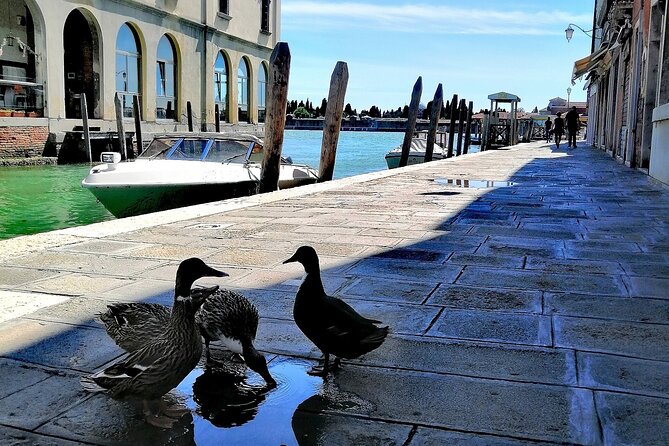
- Mazzorbo’s quiet lagoon life: less than 300 residents, with gardens, vineyards, and a monastery feel.
- Venissa and the Dorona grape: a walled vineyard stop tied to a local grape tradition.
- Burano photo moments beyond the main drag: colored houses plus specific viewpoints and bridges.
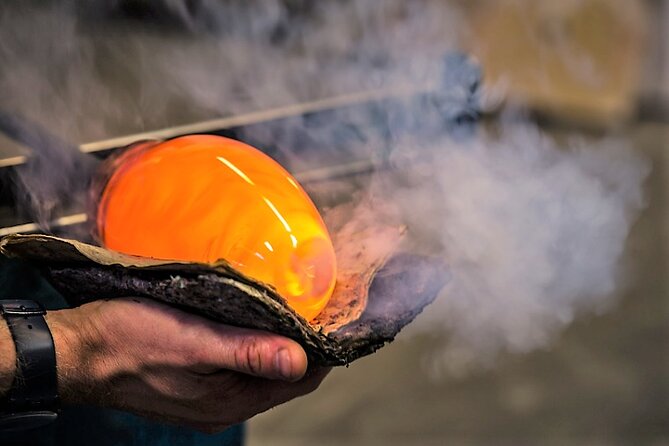
- Murano glass you can watch in real workshops: not just a showroom stop.
- A small group led by Valerio: he’s a Murano resident, with local connections on the island.
- Tickets for most stops are free: the big extra cost is the water bus, bought onboard.
You can also read our reviews of more tours and experiences in Venice.
Start in Venice: Why Fondamente Nove Sets You Up
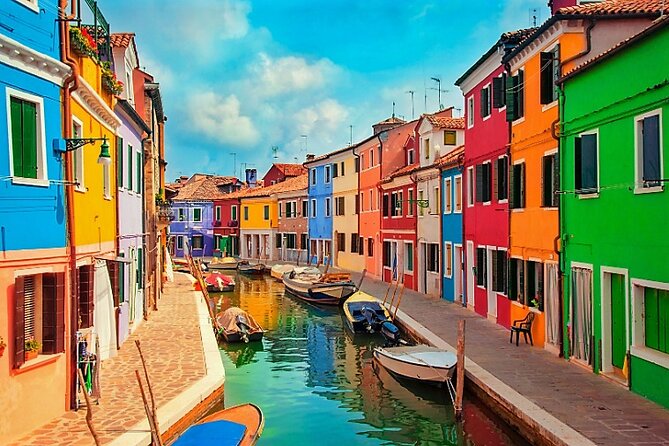
The tour meets near Fondamente Nove in Venice, then it launches you into the lagoon rather than keeping you trapped inside the city maze. That matters, because Venice’s walking navigation is its own sport. Starting from this side helps you get on the water sooner, and it keeps your “Venice time” focused on islands rather than long transfers through streets.
The tour is about 4 hours 30 minutes. That duration is long enough to feel like you “did the islands,” but short enough that you’re not stuck for an entire day. It’s also a good fit if you already plan to explore Venice’s main neighborhoods separately.
Price is $185.02 per person. For the mix you get—three islands, a licensed English guide, and a route that includes both wine country time and craft time—that’s not cheap, but it’s in the category where you’re paying for steering, pacing, and access to the right kind of stops (workshops, vineyards, and scenic bridges) instead of hunting them down yourself.
Stop 1: Mazzorbo’s Gardens, Vineyards, and Monastery Calm
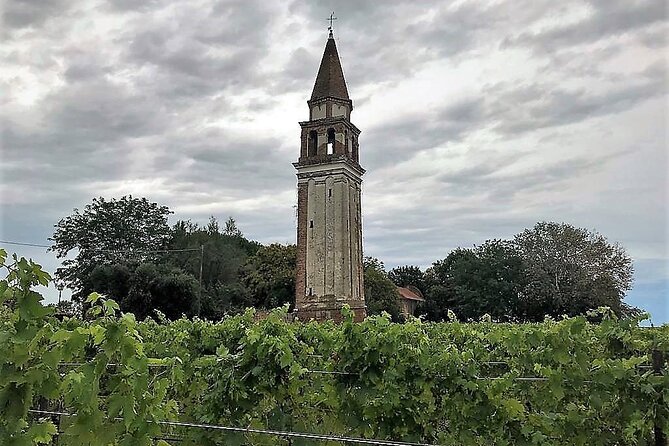
Mazzorbo is the warm-up island. This is one of the quietest corners of the lagoon, with fewer than 300 residents. You’ll get a “fancy stroll,” but think more along the lines of easy scenic walking than city sightseeing.
Expect lush gardens and vineyards, plus a peaceful monastery atmosphere. It’s a nice reset if you’ve been in crowded Venice all morning. And it’s also a useful contrast: you’re about to go from quiet green lagoon life to bright blue-and-red houses in Burano.
Why it’s worth your time: you’re not just checking a box. Mazzorbo helps you understand how the lagoon islands live day to day—smaller, slower, and less staged.
How to handle it: bring water and wear shoes you can trust. Even when stops are short, the paths add up across compact islands.
Stop 2: Tenuta Venissa and the Dorona Grape Story
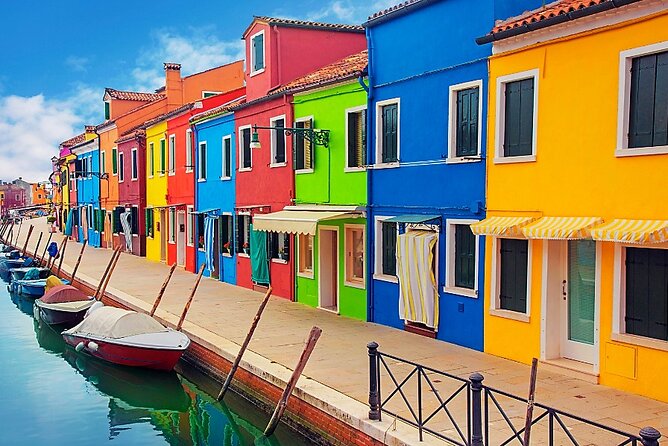
Next comes Tenuta Venissa, a wine resort inside walled vineyard grounds. The visit is short—around 15 minutes—but it’s designed to give you a taste of how Venetian wine culture fits into lagoon landscapes.
What’s special here is the native Venetian Dorona grape. This isn’t just about tasting a label; it’s about seeing a specific grape tradition tied to this region.
What you’ll likely enjoy: the walled vineyard layout gives you a sense of being “inside” something protected and intentional—like a living room made of vines and stone.
Quick reality check: the stop is brief. If you’re the type who likes long tastings and deep wine talk, you’ll probably want a longer wine-focused outing later. But for this tour, it works well as a thematic break between islands.
Stop 3: Burano’s Color Houses, Lace Culture, and Lagoon Views
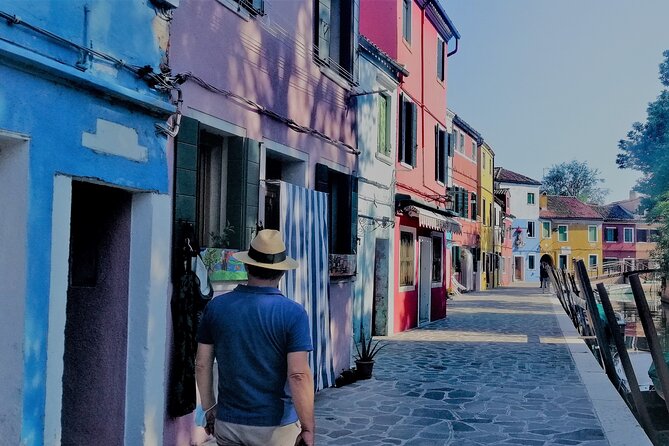
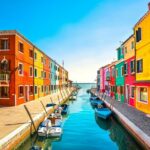
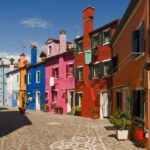
Burano is the island most people picture. Expect bright buildings, lagoon-lined lanes, and a vibe that’s both charming and intensely visual.
You’ll stroll along the lagoon with one of the classic views, and you’ll reach the bridge area that helps connect the island landscapes—this is where your camera work will start getting addictive. Burano is famous for lace production, and it’s also known for fresh seafood. You won’t just see the colors; you’ll see the island’s craft identity in action.
You’ll have about 1 hour here, which is a solid chunk for one island in a half-day format. Enough time to enjoy the scenery, catch a viewpoint, and still move on without feeling rushed.
Why it’s worth your time: Burano is one of the best “instant payoff” places in the lagoon. Even if you’ve seen photos before, walking the real streets gives the colors and textures more weight.
A fair drawback: the island can be visually busy—bright walls, busy corners, and lots of photo spots. If crowds bother you, a good guide matters. Valerio’s approach is to keep you away from the busiest areas while still hitting the best scenery.
Stop 4: The Bridge With Cutest Boats Energy (Ponte della Vigna)
This is one of those stop-length breaks that punches above its weight. You cross the Ponte della Vigna with a standout view among dock boats and fisherman houses.
It’s not a museum stop. It’s a “take two minutes, breathe, and look” stop.
Why it matters: Burano photography often fails when people rush. This kind of short bridge stop gives you a clean frame and an easy comparison angle across canals and rooftops.
Stop 5: San Martino’s View Over the Leaning Bell Tower
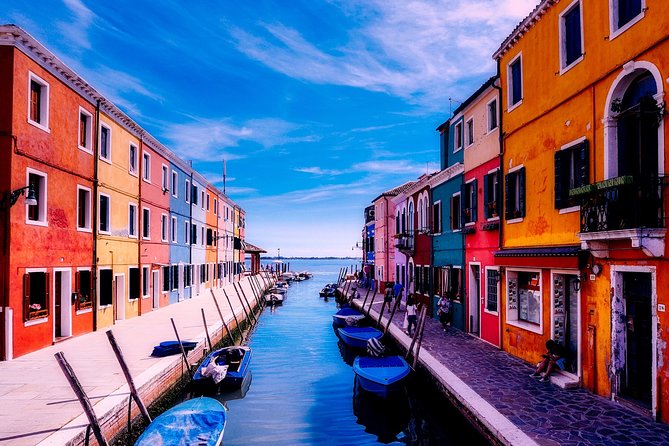
From hidden alleys, you’ll get to a bridge of Terranova viewpoint. From there, you can see the leaning bell tower of the church—and feel how steep the slope really looks.
This stop is all about perspective. In a flat photo, a leaning tower is a gimmick. On the ground, with your body aligned to the slope, it’s suddenly a real structural story.
Tip for you: pause and let your eyes adjust. Don’t keep your phone at the ready the whole time. Look first, then shoot.
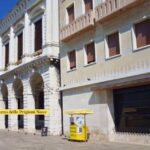
Stop 6: Piazza Baldassarre Galuppi, Lace Work, and the Love Viewing Bridge
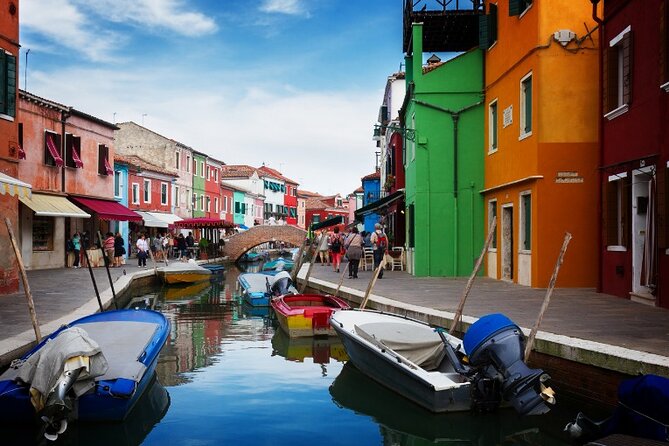
You’ll stroll through Piazza Baldassarre Galuppi, the island’s lace-making hub area. Lace makers work in a traditional lace atelier environment, so you get a glimpse of craft life rather than just a street-front souvenir scene.
You’ll also check out the Love Viewing Bridge area. The fun detail here is that it connects three canals and three of the most colorful streets—so your photo options line up neatly if you take your time.
After this, it’s time to hop on to Murano by water bus. This is one of the tour’s smartest transitions: you’re not waiting around; you’re shifting scenes while the schedule stays efficient.
Transfer Moment: Why the Water Bus Breaks Up the Walking
There are water-bus segments, and you’ll buy water bus tickets onboard. Even when your feet are working, the water rides do something important: they reset you.
You’ll get seated breaks and a moving viewpoint of the lagoon. That’s the Venice lesson most people miss: Venice is a city on water, and the transit views matter.
Practical note: keep your money and phone ready for onboard ticket purchase. The tour gives you mobile-ticket convenience for the tour itself, but the water bus add-on is handled during the ride.
Stop 7: Murano’s Glass Island Focus
Murano is where the tour turns from scenery to craft identity. You’ll explore parts of the island and end with access back to Venice by water bus.
Murano’s reputation is glass, but what you want on this tour is the sense of process. You’re not just browsing products. You’re moving through workshop-style stops and historic factory environments that connect design and technique.
Why it’s a great ending: Murano leaves you with something you can remember long after the colors fade—how glass is made, how artisans work, and why the island’s reputation exists.
Stop 8: Ferro Vetro Monica Cavaletto and Lampwork Skill
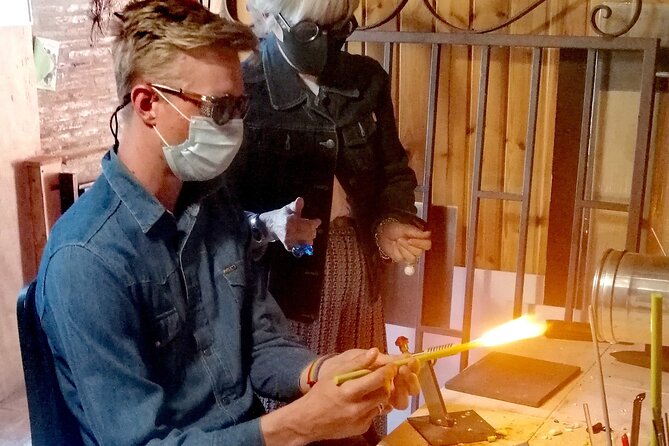
One stop brings you to a unique artisan workshop where you can admire a lampwork artist. Lampworking focuses on small-scale detailed glass making, often with jewelry and intricate pieces.
This kind of stop is different from big factory visits. You’re closer to the hands and the pace of the craft.
What you should watch for: the rhythm—how the artist adjusts, forms, and refines. Even without deep technical language, you’ll “get” the skill level because you can see the care.
Stop 9: Rio dei Vetrai, the Canal of Glassmakers
Next comes Rio dei Vetrai, the canal of the glassmakers. You stroll along with a guided focus on artisans and glass factories.
This is a helpful context stop. It ties Murano’s modern craft identity to how the island is organized around industry.
Why it matters: when you see glass work in one shop, it can feel like an isolated hobby. When you walk through the canal-side ecosystem, it starts to feel like a whole culture.
Stop 10: Palazzo Barovier & Toso, Tradition Meets Design
You’ll step into Palazzo Barovier & Toso, described as the oldest glass factory in the world. The tone here is historical, but the emphasis is also on how tradition and design combine.
This stop is where you get perspective on the whole industry: how old methods survive, how styles evolve, and why “Murano glass” is more than a technique.
Good to know: this is a factory setting, not a casual stroll. You’ll likely move at a slower, more interpretive pace than in the street stops.
Stop 11: Church of Saint Peter Martyr and Renaissance-Linked Art
Then you shift again, to a church setting. The Church of Saint Peter Martyr hides Renaissance masterpieces and features stunning glass chandeliers.
This is a smart contrast in a glass-themed day. It shows how glass isn’t just made for objects—it ends up in places that shape daily life and sacred spaces.
Why I like this on the itinerary: it prevents “glass fatigue.” Instead of seeing glass, glass, glass in shops, you see glass integrated into art and architecture.
Stop 12: Punta Conterie and the Bead-Making Industrial Past
Finally, you’ll wander around Punta Conterie, an impressive industrial complex where beads were once made.
This stop adds depth. It connects glass-making to everyday items, not only the famous decorative categories.
If you like process: industrial sites can be dry. But Punta Conterie helps you understand that glass work was an organized industry, not only a set of artisans producing art pieces.
The Guide Makes It Work: Valerio’s Local Connections
A big reason this tour earns its strong ratings is the way Valerio handles the route. He’s a resident of Murano and brings local connections that help you feel less like you’re being rushed through famous corners.
In practice, that means you spend time where it counts: the quiet and scenic parts of the lagoon, the craft stops that show working skill, and viewpoints that make your photos look like you planned your day well.
It also means you can ask questions and get grounded answers about how the islands function beyond the postcard version.
How Much Walking Is Too Much?
Here’s the honest travel math. You’ll walk through multiple island areas and move between scenic stops and workshop zones. Mazzorbo, Burano, and Murano each involve short stretches, and taken together it can feel like one long walking day with a few breaks.
If you’re okay with 10–12k steps in a day or you’re used to Venice’s uneven surfaces, you’ll likely do fine. If you want minimal walking, you might find the pace tiring.
A practical solution: wear supportive shoes and plan to keep your water bottle handy. Also, build in a small mindset shift. On this tour, you’re not rushing; you’re building a route that keeps the scenery fresh.
Value Check: Does $185.02 Make Sense?
For Venice lagoon island hopping, $185.02 is in the “guided premium” zone. But it’s reasonable when you weigh what’s included:
- Licensed guide in English
- Small group size (max 10)
- Multiple islands in one day rather than doing them separately
- Many stops with free admission included
- A focused route that mixes wine (Tenuta Venissa), lace and color (Burano), and glass craft (Murano)
The main extra cost you should budget for is the water bus ticket, which you buy onboard. Also, there can be a €5 access fee on certain dates for travelers staying outside Venice. That’s not a tour fee, but it can affect your day. Best move: check the official city access info before you go, especially if your hotel isn’t in Venice.
Who This Tour Fits Best
This works especially well if you:
- Want three islands without building a DIY route
- Like hands-on craft themes (lace and glass)
- Want photo viewpoints that don’t feel random
- Prefer a small group with a guide who lives the island life
You might want to choose something else if you:
- Have limited mobility or low tolerance for uneven walking
- Want a fully seated experience from start to finish
- Expect long winery-style tastings or long museum time
Should You Book This Island Hopping Tour?
If your ideal Venice day includes colorful Burano, Murano craft, and a quieter lagoon warm-up on Mazzorbo, this is a strong bet. The small group format, the mix of wine and craft, and the guide’s local Murano connections add up to more than a simple island checklist.
I’d book it when you want variety and you’re comfortable walking. I’d pass (or look for a lighter option) if you’re trying to avoid walking on multiple compact islands.
FAQ
FAQ
How long is the Mazzorbo, Burano and Murano island hopping tour?
It’s about 4 hours 30 minutes long.
Where do you meet and where does the tour end?
You start at Combo, Venezia Campo dei Gesuiti, 4878, 30121 Venezia VE, Italy, and you end at Murano Navagero, Fondamenta Andrea Navagero, 30141 Venezia VE, Italy.
Is the tour offered in English?
Yes, it’s offered in English.
Is the water bus included?
Water bus tickets are not included. You purchase them onboard.
Are admission tickets included for the stops?
Admission tickets are listed as free for the stops in the itinerary, while the water bus is the extra item you handle separately.
Is there any extra fee for non-Venice stays?
On certain dates, a €5 access fee may apply for people staying outside Venice. You can check applicable days and exemptions at https://cda.ve.it.