REVIEW · VENICE
Venice: Ca’ Pesaro Modern and Oriental Art Museum Ticket
Book on GetYourGuide →Operated by Venezia Unica by Vela Spa · Bookable on GetYourGuide
One quiet building can change how you see Venice. Ca’ Pesaro is a marble baroque palace on the Grand Canal, but the ticket takes you from that backdrop straight into modern and Oriental art. I especially like the way the visit lets you compare European modernism with Japanese, Chinese, and Indonesian art without forcing a long itinerary. One thing to plan for: it’s closed on Mondays, and the last entrance is 5PM, so you’ll want your timing right.
You get a rare one-two punch of collections that don’t usually share the same room. I love that the modern side includes major names like Kandinsky, Klimt, Chagall, and Klee, while the Oriental Art Museum highlights works such as Japanese Edo-era pieces and even Samurai armor. The main consideration is that there’s no live guide, so you’ll be happiest if you’re comfortable exploring at your own pace and reading labels.
In This Review
- Key Things I’d Plan Around
- Ca’ Pesaro’s Setting: The Grand Canal Stops Being Background
- What Your Ticket Covers: Modern Art Gallery + Oriental Art Museum
- The Modern Art Highlights: Kandinsky, Klimt, and Friends (Plus Rodin)
- Oriental Art Museum: Samurai Armor and a Major Edo-Era Japanese Collection
- Timing in Venice: Closed on Mondays and Last Entry at 5PM
- Budget and Value: Why This $11 Ticket Works So Well
- Comfort Tips That Make the Visit Easier
- Should You Book Ca’ Pesaro Modern and Oriental Art?
- FAQ
- What does this ticket include?
- Where should I go to enter?
- How long is the experience?
- What is the price?
- Is the museum open every day?
- What is the last entrance time?
- Are children allowed for free?
- Is it wheelchair accessible?
- Is a live guide included?
- Does Venice have an access fee on certain dates?
- Can I get a refund if my plans change?
Key Things I’d Plan Around
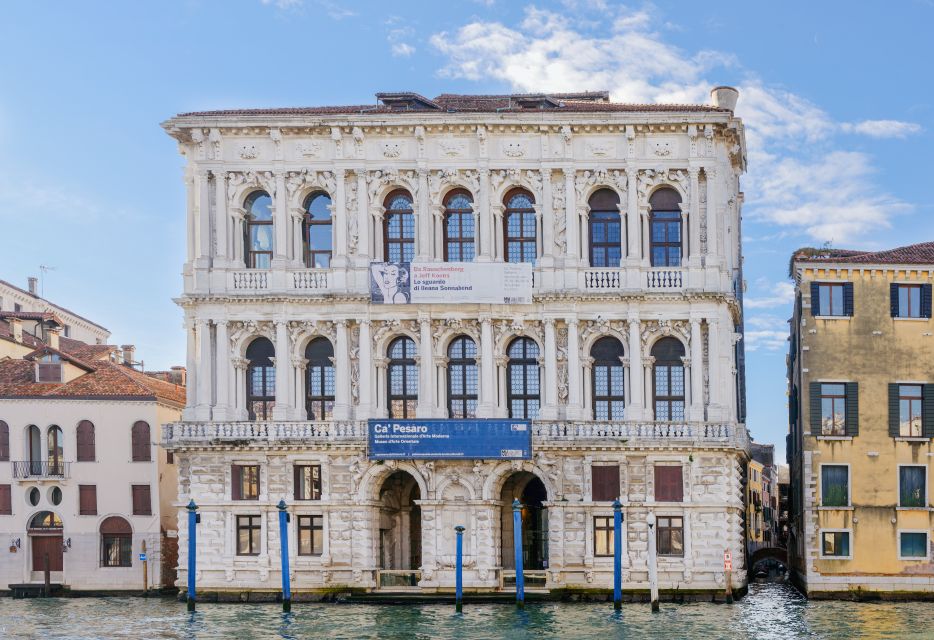
- A baroque Grand Canal palace where modern art feels surprising in the best way
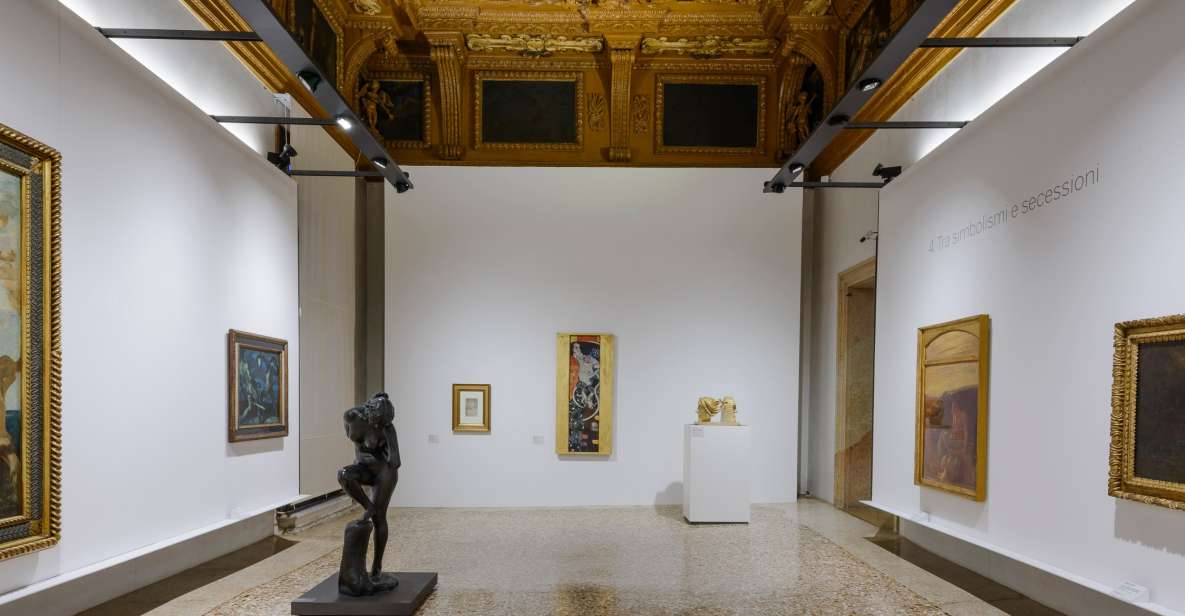
- Modern art first-floor focus, so you can see the biggest hits efficiently
- Big-name modern artists like Kandinsky and Klimt, plus Chagall and Klee
- Oriental Art Museum set pieces, including Samurai armor and strong Edo-era Japanese works
- Free lockers and a café with Grand Canal views to make the stop more comfortable
Ca’ Pesaro’s Setting: The Grand Canal Stops Being Background
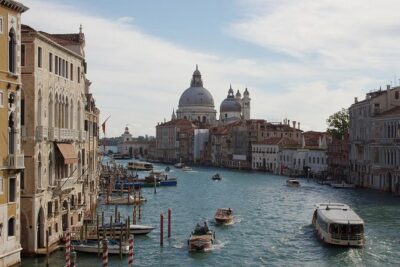
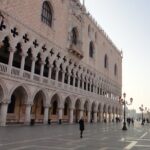
Venice can make you feel like you’re only watching scenes, not stepping into real rooms. Ca’ Pesaro breaks that pattern. The building is a famous baroque marble palace facing the Grand Canal, so even before you see a painting, you get that full Venice effect—light bouncing off stone, canal traffic passing outside, and a sense that this isn’t just a quick museum detour.
What I like about the setting is how it changes your expectations. Modern and Oriental art can feel like it belongs in white galleries elsewhere, but here it sits inside a palace built for ceremony. You end up noticing details you might otherwise skip: how the rooms hold sound, how visitors move through spaces, and how the architecture makes the art feel more formal.
The other practical win is location. Since you’re already in the Venice center where most sights happen, this museum day slots in without needing a complicated transit plan. You simply go to Ca’ Pesaro and enter with your ticket.
You can also read our reviews of more tours and experiences in Venice
What Your Ticket Covers: Modern Art Gallery + Oriental Art Museum
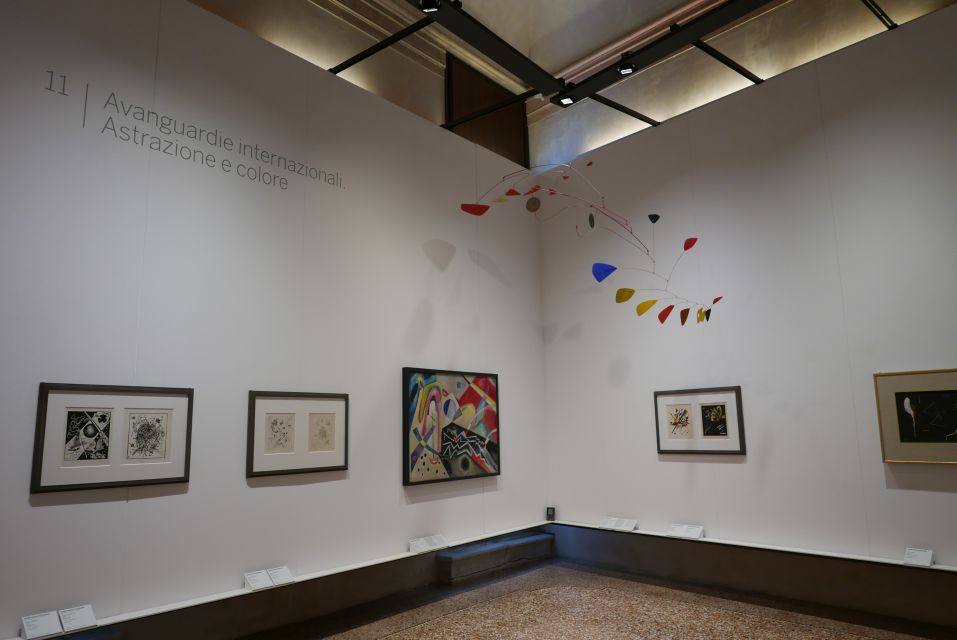
This ticket is built for a single-day art jump: you’re seeing two collections in one visit—the Ca’ Pesaro International Gallery of Modern Art plus the Oriental Art Museum. That pairing is more valuable than it sounds, because you’re not just collecting museum stamps. You’re comparing different art timelines and styles in the same day, using the museum spaces as your guide.
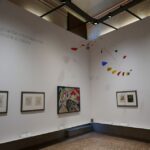
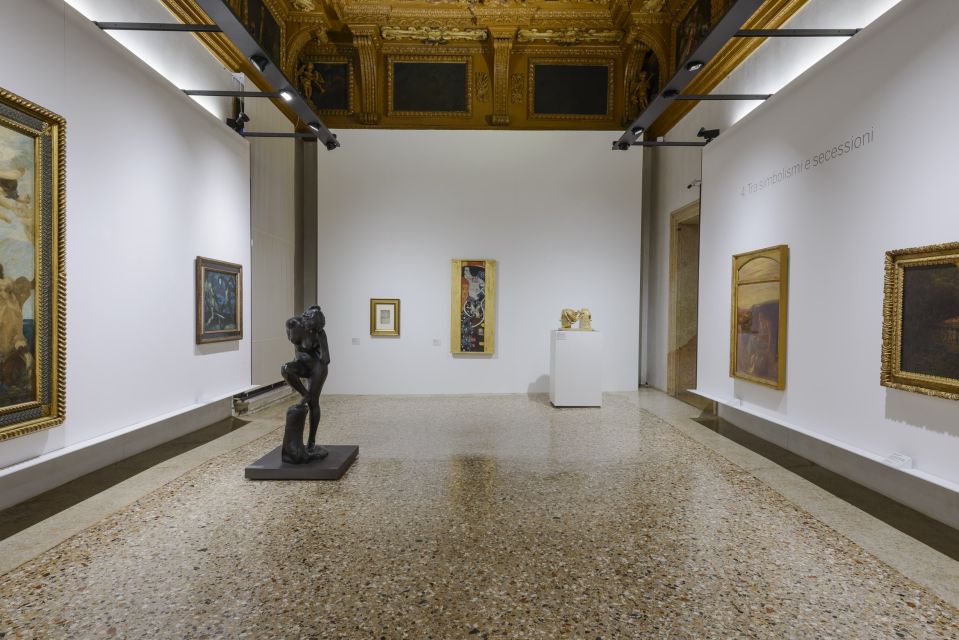
On the modern side, expect 19th- and 20th-century paintings and sculptures, including works by major European modern artists like Klimt, Chagall, Klee, and Kandinsky. There are also works connected to wider modern art movements, which helps you see how ideas spread across Europe.
On the Oriental side, the museum emphasizes Asian collections, including examples from Japan, China, and Indonesia. A standout is its important collection of Edo-era Japanese art, plus items like Samurai armor that give you a tangible sense of history rather than just decoration.
If you like museums where the theme is not just one civilization, this is a strong fit. If you’re hoping for a guided lecture, there’s a catch: there’s no live guide included, so you’ll rely on the exhibitions and any labels you choose to read.
The Modern Art Highlights: Kandinsky, Klimt, and Friends (Plus Rodin)
The modern art experience at Ca’ Pesaro is set up so you can get to the heart of it fast. One helpful tip from on-site experience: the modern collection is on the first floor, so once you’re inside, you’re not wandering through endless levels trying to orient yourself.
This is where names start to matter. If you’ve seen Kandinsky, Klimt, or Chagall in books, you’ll likely recognize how different their work looks in person. Prints and screens flatten emotion; museum walls and real scale bring it back. You’re also seeing works through a timeline—so instead of one style dominating the room, you notice shifts across the 19th and 20th centuries.
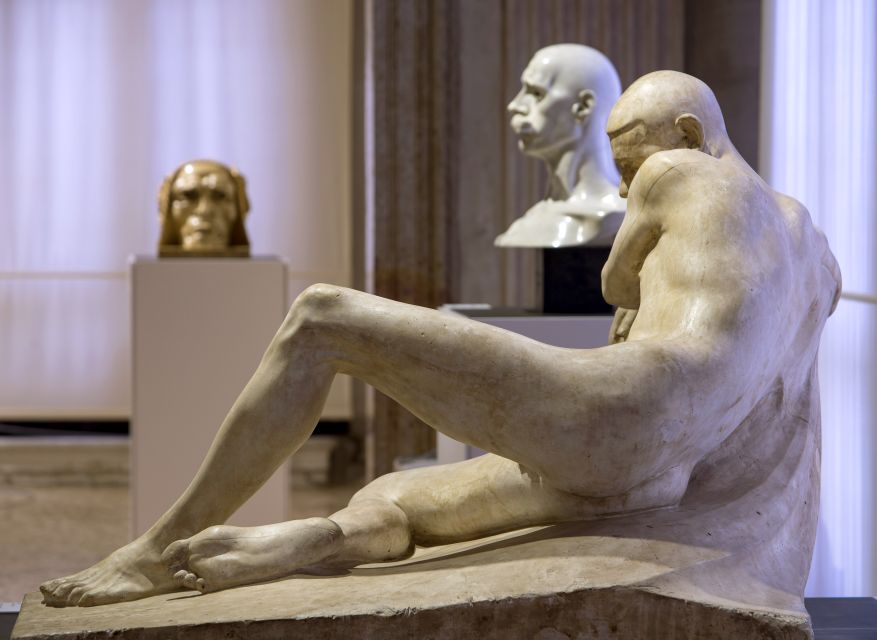
A specific favorite detail: there are Kandinsky and Klimt works people genuinely point out as worth slowing down for. And there’s also mention of Rodin sculptures in the modern museum spaces. Even if you’re not a lifelong sculpture fan, Rodin tends to reward close viewing because you can track how the forms catch light from different angles.
One practical drawback: because it’s self-guided, it’s easy to move too quickly and miss what makes each work feel different. If you want the best return, give yourself one slow stop per room—just pick one artwork you’ll really look at instead of trying to “cover” everything.
Oriental Art Museum: Samurai Armor and a Major Edo-Era Japanese Collection
The Oriental Art Museum is the part of this ticket that feels like a change of genre. You go from European modern art momentum into objects that often carry a different purpose—status, craft, ritual, and storytelling—plus regional art styles that don’t match what you typically see in Western collections.
What stands out is the range. You’ll find art from Japan, China, and Indonesia, and the museum includes memorable items such as Samurai armor. That’s not just a dramatic display; it helps you understand the practical world behind the art. Armor is engineering and identity at the same time, so it often hits people on two levels: the beauty of materials and the seriousness of function.
Then there’s the Japanese strength. This museum is home to one of the most important collections of Edo-era Japanese art. Edo-era works are especially valuable because they sit at a point when Japanese culture, design, and popular tastes produced highly refined visual traditions. Even if you only know Japan from modern images, Edo-era art can feel like a whole different visual language—more patterned, more story-driven, and often full of detail you can keep noticing for years afterward.
If you’re the type who likes to compare how different cultures represent power or daily life, this side of the ticket is where that comparison becomes real.
Timing in Venice: Closed on Mondays and Last Entry at 5PM
Venice rewards smart timing. This museum is closed on Mondays, so you need to avoid trying to “make it up later” if your schedule lands on that day. Also plan around the last entrance at 5PM. That matters because museums feel different when you walk in late—less time to settle, fewer chances to linger, and more pressure to rush.
A practical approach: treat this as a day out where you don’t need to sprint. You’re seeing two distinct collections. If you arrive with enough daylight behind you, you’ll likely take longer breaks, and you’ll enjoy the building more.
Before you go, check the official Civic Museums of Venice site for updates. Museum hours can change, and the official source is the one you want when you’re trying to protect your schedule.
You can also read our reviews of more museum experiences in Venice


Budget and Value: Why This $11 Ticket Works So Well
For $11 per person, this ticket is a strong value if your goal is variety without wasting time. You’re not paying for a single room. You’re paying for a full day option that combines modern art’s big names with an Oriental collection that includes a major Edo-era Japanese focus.
Here’s the value logic I like: in a city like Venice, it’s easy to spend money on experiences that are impressive but narrow. Ca’ Pesaro is different. It gives you contrast—baroque marble outside, European modernism inside, then a turn into Japanese and other Asian art traditions—so your ticket doesn’t feel like one note.
Also, the experience gets easier once you know the practical perks: free locker storage is available, which helps you move around without carrying bags through rooms. That’s not a glamorous benefit, but it changes how pleasant the visit feels.
If you’re trying to balance museums with canal wandering, this ticket can become your “anchor” stop: one place you can rely on for serious art time, no matter what the rest of your day looks like.
Comfort Tips That Make the Visit Easier
Small details add up in Venice. I’d build in a break plan, especially if you visit on a hot day. One excellent option is the café overlooking the Grand Canal, with a veranda or balcony setup. Even when you’re not buying a big meal, it’s a calm reset between museums.
Also take advantage of free lockers. If you arrive with shopping bags, a camera bag, or just the usual travel clutter, you’ll thank yourself later. It keeps you from constantly shifting weight while you’re trying to look closely at artwork.
Since there’s no live guide, these comfort choices matter more. You’re doing the “guiding” yourself through the rooms, and a relaxed pace helps you read the space and the art without stress.
Should You Book Ca’ Pesaro Modern and Oriental Art?
Book this if you want a Venice museum day that feels like two conversations, not one. It’s a good fit for art lovers who enjoy recognizable modern artists like Kandinsky and Klimt, but also want a serious look at Edo-era Japanese art and items like Samurai armor.
Skip it—or at least adjust expectations—if you’re expecting a guided lecture. Since there’s no live guide, you’ll rely on your curiosity and the signage in the galleries. Also make sure your day isn’t a Monday, and plan to arrive early enough to avoid the 5PM last entrance pressure.
If you like your Venice with a bit of contrast—palace beauty plus modern ideas plus Asian collections—this ticket is an easy yes.
FAQ
What does this ticket include?
It includes admission to the Ca’ Pesaro International Gallery of Modern Art and access to the Oriental Art Museum.
Where should I go to enter?
Go directly to the Ca’ Pesaro International Gallery of Modern Art and show your ticket when entering.
How long is the experience?
The ticket is valid for 1 day.
What is the price?
The price is listed as $11 per person.
Is the museum open every day?
No. It is closed on Mondays.
What is the last entrance time?
Last entrance is at 5PM.
Are children allowed for free?
Children under 6 years old get free entry.
Is it wheelchair accessible?
Yes, it is wheelchair accessible.
Is a live guide included?
No. There is no live guide included.
Does Venice have an access fee on certain dates?
Yes. For certain days between 18 April 2025 and 27 July 2025, an Access Fee is required and is paid directly to the City of Venice. You should check the official site for details and any exemptions.
Can I get a refund if my plans change?
No. This activity is non-refundable.
If you want, tell me what day of the week you’re visiting Venice and your rough museum schedule, and I’ll suggest a smart timing plan so you can fit Ca’ Pesaro in without rushing.