REVIEW · VENICE
From Venice: Florence Day Trip By Train with Walking Tour
Book on GetYourGuide →Operated by CAF Tour & Travel · Bookable on GetYourGuide
Florence in a single day is a juggling act. This trip makes it feel manageable, thanks to a high-speed train plus a guided walk that gets you oriented fast. I like the way the route hits major Florence landmarks in logical order, and I especially like the chance to see the Duomo Complex with an official guide if you choose that option. The main drawback: the guided walking portion is fairly short, so if you’re expecting a long, fully guided day, you’ll likely want to plan your own time.
The value here is in reducing stress. You start at Venezia Santa Lucia, ride to Florence by rail, and then use your guide to learn what to notice as you move through town. You’re not stuck trying to piece together logistics on your own on day one.
One more thing to consider: timing matters a lot. If your train is delayed, the entry timing for the Duomo interior can be missed, and the plan depends on you being ready at each check-in point.
In This Review
- Key points worth knowing before you go
- Why This Venice–Florence Train Day Feels So Much Easier
- Check-In Timing: The Part That Can Make or Break Your Day
- Florence Walking Tour at 10:00: What You’re Getting (and What You’re Not)
- Medici District, San Lorenzo Church, and the Medici Chapels Area
- Duomo Complex Without the Confusion: Santa Maria del Fiore and Friends
- Optional Duomo Interior: What You’ll Look For Inside
- Dante’s Medieval Streets, Orsanmichele, and Il Porcellino
- Piazza della Signoria: Outdoor Art, Politics, and a Fountain Moment
- Ponte Vecchio: The Walk Along the Vasari Corridor Exterior
- Your Free Time After the Guided Portion
- Price and Value: Is $175.59 Worth It?
- Who This Tour Fits Best (and Who Might Feel Frustrated)
- Should You Book This Venice to Florence Day Trip?
Key points worth knowing before you go
- High-speed, round-trip train with seat reservation: less hassle, more predictable timing.
- A local guide on foot: you get the context behind Medici sites, the Duomo area, and key piazzas.
- Duomo access is optional but official: when selected, you get an Opera Santa Maria del Fiore authorized guide for the interior.
- Check-in windows are strict: late arrivals can mean missed time-entry access.
- After the walk, you’re on your own: you’ll need a plan for the rest of the day to feel the day was worth it.
- No station assistance at Venice or Florence: the meeting-point support is in Florence, not at the platforms.
Why This Venice–Florence Train Day Feels So Much Easier
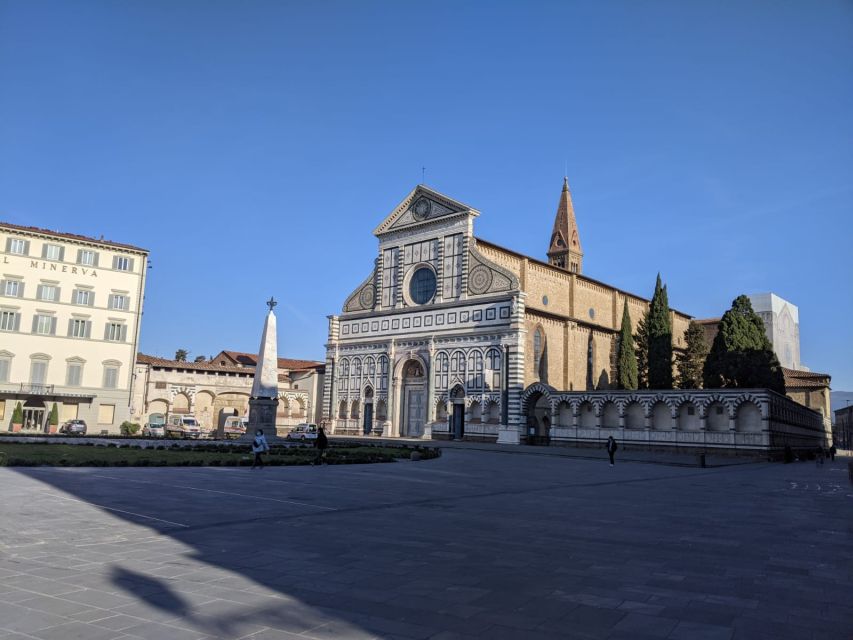
You’re going from Venice to Florence on one of the most efficient routes in Italy: train. The trip uses a high-speed connection from Venezia Santa Lucia to Florence Santa Maria Novella, with a journey time of about 2 hours. For a day trip, that’s the big win. It lets you spend your limited hours where the art and architecture actually are, instead of losing time in transit.
You also get reserved seating on the standard-class tickets. That matters more than it sounds on a busy rail line. It reduces the mental load: you’re not searching for seats while managing backpacks and schedules.
And because the experience includes assistance at the meeting points in Florence, you’re not totally left to figure it out from scratch once you arrive. Still, keep your expectations realistic: there’s no assistance provided at the station in Venice or in Florence. You’ll want to be on time and ready to meet your group.
You can also read our reviews of more walking tours in Venice

Check-In Timing: The Part That Can Make or Break Your Day
This is the section you want to read twice.
From Venezia Santa Lucia, you must arrive at least 20 minutes before departure. In Florence, you also need to arrive at least 20 minutes before your train back, which departs around 7:00 pm.
Your walking tour check-in is at 9:45am, with a departure at 10:00am. If you miss that start, you’re likely to lose the whole guided flow of the day.
If you select the Duomo interior option, the check-in is at 2:15pm, with departure at 2:30pm. That is a tight, fixed window—so build in margin. Even a small delay can put you in the danger zone.
One more strict rule: in case of delay, it will not be possible to get the time-entry ticket and museum access, and there’s no refund or reschedule for that missed access. In plain terms: this day trip is best when your train day runs on time.
Florence Walking Tour at 10:00: What You’re Getting (and What You’re Not)
The guided part is designed like an orientation tour. It’s not a slow, drawn-out stroll with endless stops. You get a local guide to help you see Florence with better eyes—then you’re free to explore on your own afterward.
The walk starts at 9:45am check-in and departs at 10:00am. From there, your route moves through Florence’s central layers: Medici-era places, the cathedral complex, medieval streets, and the major public squares and riverside classic.
I like this approach because it gives you direction. Even if you only half-pay attention at the beginning (it happens), the landmarks you cover—Medici Palace, San Lorenzo area, Orsanmichele, Piazza della Signoria, Ponte Vecchio—are enough to turn Florence from a blur into a map you can navigate later.
The drawback is also simple: you may feel the day is guide-heavy early and more independent later. If you want hours and hours of commentary, this may not satisfy in the way a longer, fully guided “tour-only” day would.
Medici District, San Lorenzo Church, and the Medici Chapels Area
The Medici section is where the walking tour earns its keep. Florence isn’t just pretty buildings; it’s power, patronage, and ambition. The route focuses on Medici-related landmarks, including the Medici Palace, San Lorenzo Church, and the Medici Chapels.
Even when you’re just outside or passing through key areas, your guide can help you connect names you’ll see later in churches and museums. You’re basically learning the “who mattered and why” that sits behind the architecture.
A practical tip here: wear shoes that feel good after an hour, not just after ten minutes. This tour is built for walking through streets, with stops that are more like photo + explanation moments than long sit-down pauses.
Also, if you’re the type who likes to take your time, you’ll want to note what grabs you most early on. The guide gives you the road signs; your later free time is when you can choose what to revisit at your own pace.
Duomo Complex Without the Confusion: Santa Maria del Fiore and Friends
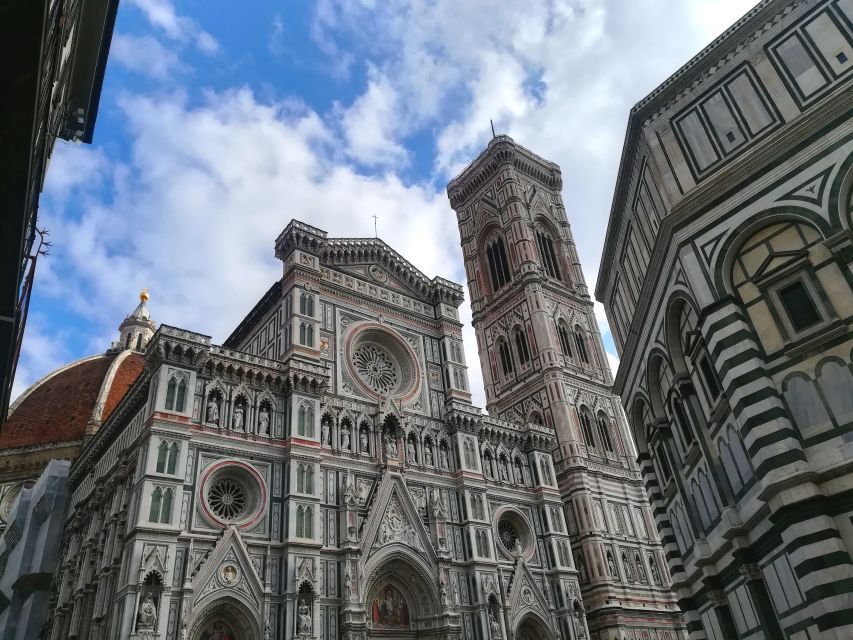
The highlight zone is the cathedral complex. This part matters because the Duomo area is visually overwhelming unless you know what you’re looking at.
Your walking tour route centers on Santa Maria del Fiore Cathedral, Brunelleschi’s Dome, Giotto’s Bell Tower, and the Baptistery, including the famous golden Gates of Paradise (as part of the overall experience you’ll see it referenced as a key feature).
This is exactly where a guide helps most. Without guidance, people often wander through the area like it’s one big cathedral photo spot. With context, you notice how each structure relates: the bell tower’s vertical personality, the dome’s engineering presence, and the baptistery’s separate identity as part of the complex story.
One caution: crowds around this area can make walking slower than you expect. Keep your pace steady and don’t plan to stop for a long snack break right when you enter the cathedral district.
You can also read our reviews of more tours and experiences in Venice





Optional Duomo Interior: What You’ll Look For Inside
If you choose the Duomo interior option, you get dedicated access to the inside with a local professional guide authorized by Opera Santa Maria del Fiore. That’s a big deal if you care about the building beyond the exterior views.
Your interior highlights are specific and impressive: stained glass associated with Donatello and Ghiberti, the marble choir by Bandinelli, and the frescoed dome by Vasari. These are not random art bits. They’re the layers that turn the Duomo from a famous silhouette into a full visual experience.
If you’re short on energy, prioritize this option only if you’re genuinely interested in interior details. The tour already covers the Duomo complex from outside during the walking portion, so you’ll be able to enjoy the main landmark regardless. The interior visit simply adds depth if your schedule and timing are strong.
The strict timing rule comes back here: if you miss the time-entry window due to delay, you can lose access. So if you’re prone to late trains, double-check your buffer and how you’ll get from your arrival point to the check-in.
Dante’s Medieval Streets, Orsanmichele, and Il Porcellino
Next comes Florence’s older texture: medieval streets, names you’ll recognize, and churches that feel like they’ve been standing through every century’s mood swing.
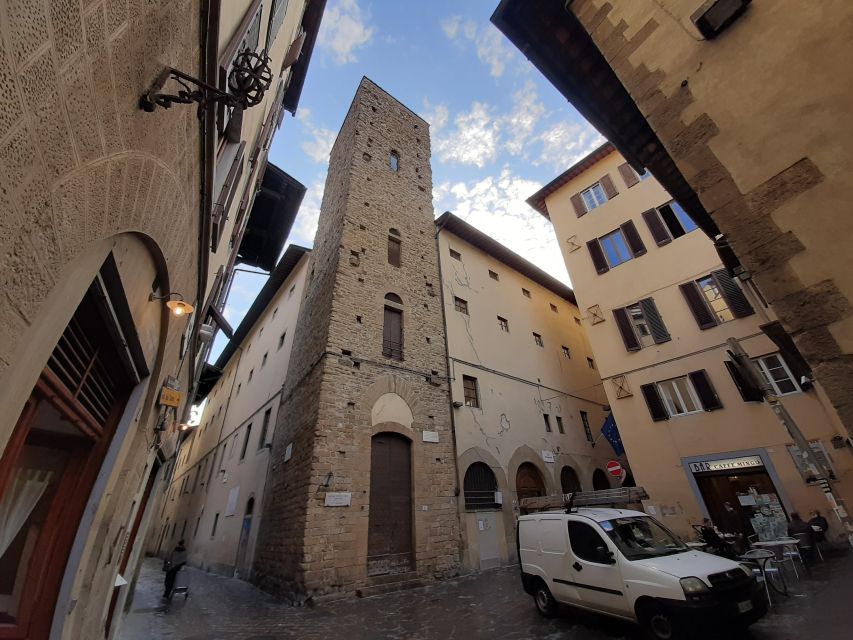
Your walk includes Dante’s neighborhood and the Gothic Church of Orsanmichele. This isn’t just a stop for another exterior photo. It helps you understand that Florence isn’t only Renaissance museums. Different eras stack up here, and the architecture shows the shifts.
Then there’s the Straw Market area and the tradition of rubbing the nose of Il Porcellino for good luck. It’s a small, goofy ritual, and I mean that as a compliment. It’s one of the rare tourist customs that’s fun and memorable without needing a long explanation.
If you want to do this properly: pause, do the ritual, then move on. Don’t get stuck at one spot unless you’re planning to stay flexible for the rest of the day.
Piazza della Signoria: Outdoor Art, Politics, and a Fountain Moment
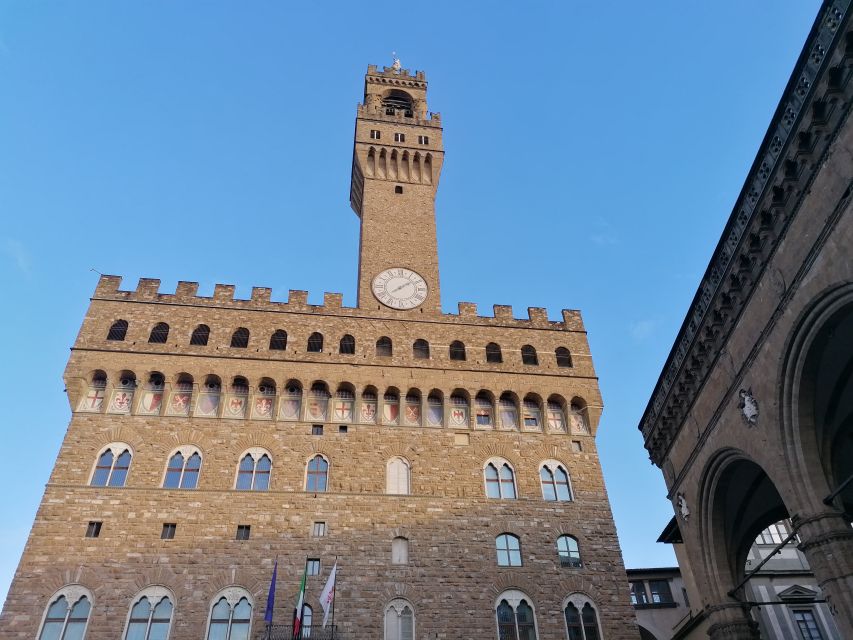
Piazza della Signoria is your big “Florence in one square” stop. You’ll pass the Fountain of Neptune, see Palazzo Vecchio, and encounter statues tied to artists like Cellini and Giambologna.
What makes this area work well on a guided day is that it’s not a random collection of buildings. It’s an outdoor museum where the politics and art are mixed together in public space. Once you understand that, the statues and palazzo feel less like decoration and more like storytelling.
Also, this is where you can start deciding what you want to see again later. If you’re into sculpture and civic spaces, you’ll probably keep returning to the square in your mind. If you’re more into cathedral architecture, you may skim it faster. Either way, the guide helps you pick up the key names and visual cues so you can enjoy the square even without staying long.
Ponte Vecchio: The Walk Along the Vasari Corridor Exterior
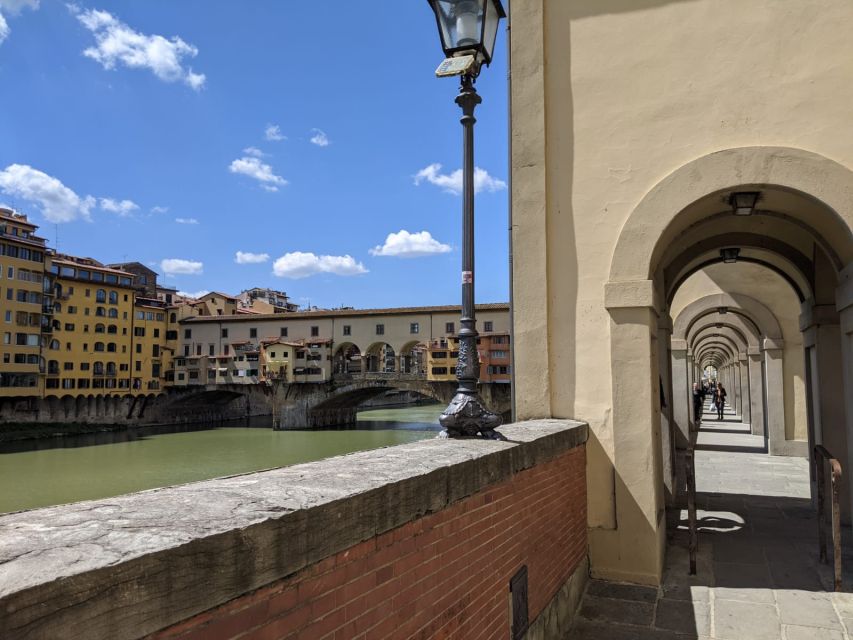
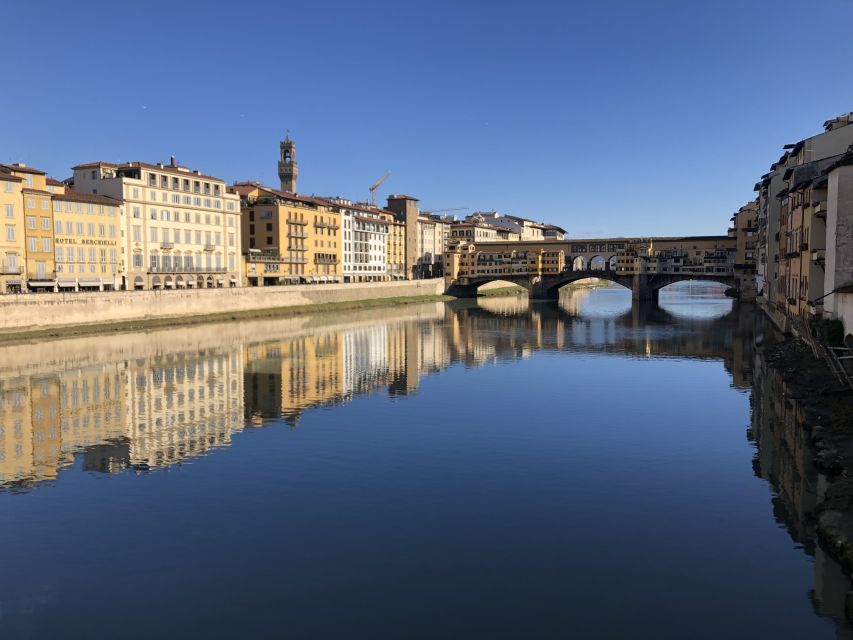
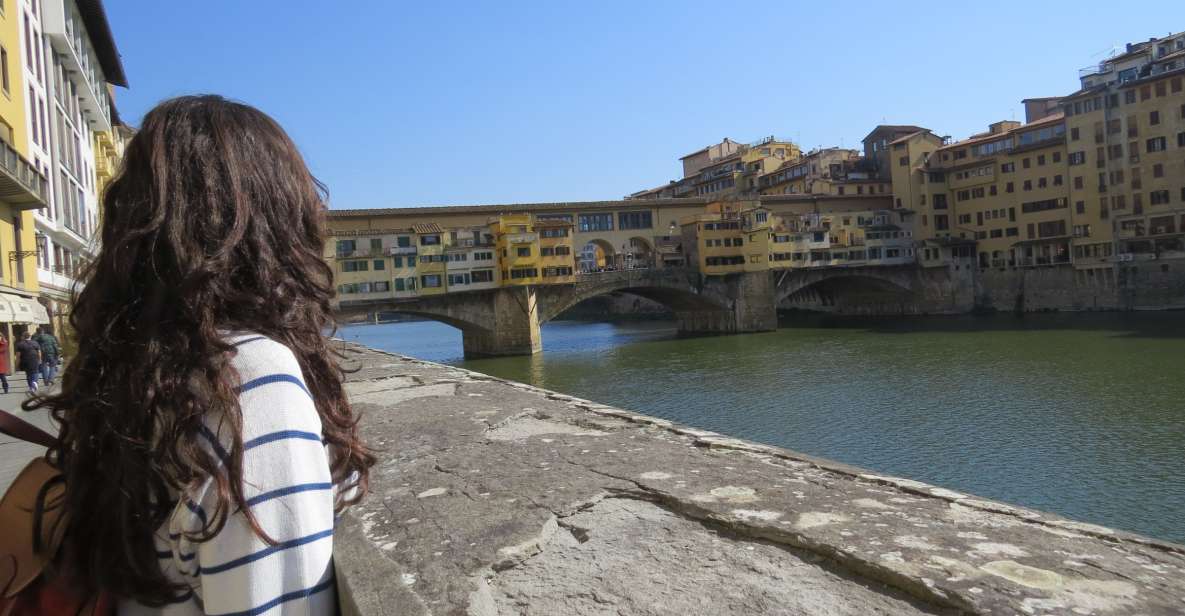
The day ends its “great hits” stretch with the river and one of Florence’s most recognizable views: Ponte Vecchio.
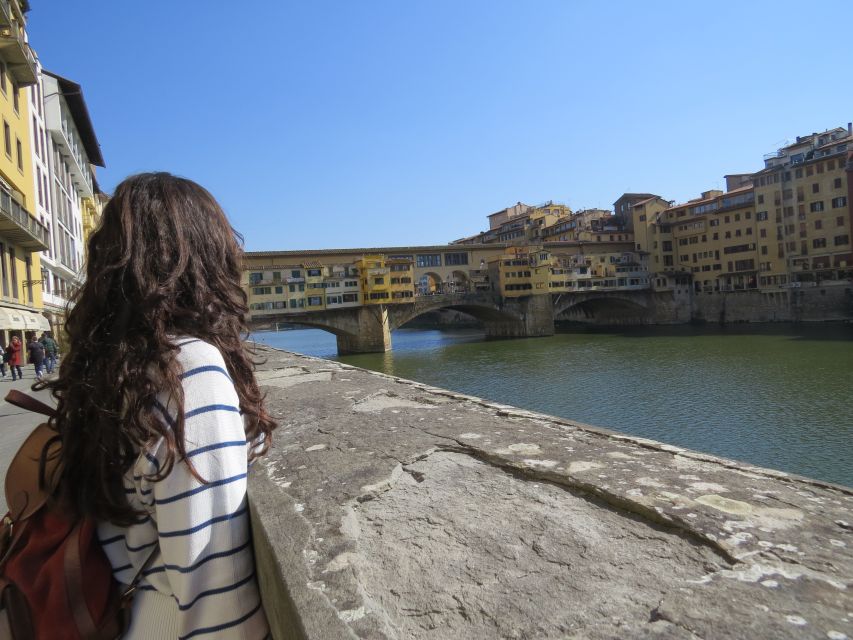
Your route includes walking along the outside of the Vasari Corridor, then heading toward Ponte Vecchio, known for its artisan jewelry shops.
This is a great moment for your camera and your feet. It also gives you a sense of the city’s geography—how Florence turns the Arno into a boundary, a corridor, and a stage for different kinds of commerce and culture.
If you get tired, Ponte Vecchio is still worth it for the atmosphere. But keep your expectations practical: the bridge area is a magnet for crowds and shopping. If you’re there mainly for pictures, you’ll likely enjoy it more by spending a short, focused time there rather than trying to linger in the busiest spots.
Your Free Time After the Guided Portion
After the walking tour, you’ll have free time for exploring. This is where you can either make the day shine or feel like you didn’t get enough guidance.
Since the guided portion already covers Medici landmarks, the Duomo complex area, Orsanmichele, the Straw Market region, Piazza della Signoria, and Ponte Vecchio, your most efficient strategy is to revisit what you liked most when you still remember the names and what to look for.
Practical ideas that stay within the experience you already get:
- Spend extra time in the Duomo complex area to absorb the scale if that’s where your attention goes.
- Walk back into the squares and streets the guide introduced, focusing on details you didn’t notice the first pass.
- If you’re into shopping, keep it simple and go to the Ponte Vecchio jewelry shops area since it’s already on your route.
The key is to avoid wandering randomly. This trip works best when your free time turns into a “follow-up,” not a blank slate.
Price and Value: Is $175.59 Worth It?
At $175.59 per person, this day trip isn’t cheap. The question is what you get for that money—and it’s not just the train.
You’re paying for:
- Round-trip high-speed train from Venice to Florence with seat reservation
- Train tickets bundled into the plan
- Florence city walking tour with a local professional guide
- Assistance at meeting points in Florence
- Optional Duomo direct access and an Opera Santa Maria del Fiore authorized guide (only if selected)
If you compare that to doing it solo, the price can start to make sense. Getting the train sorted is one big piece, and the walking tour gives you context that most people struggle to assemble quickly on their first day in Florence.
Where the value may feel shaky is the guided time. Because the guided portion is essentially an orientation walk, you can finish Florence feeling like you saw the highlights with a guide and then had a lot of unsupervised hours. If you love traveling with a guide for many hours, you might find the cost harder to justify.
But if you’re the type who wants a fast, smart start and then enjoys roaming on your own once you understand where you are, this price can feel fair. It’s paying for momentum and reduced confusion.
Who This Tour Fits Best (and Who Might Feel Frustrated)
I think this day trip is best for you if:
- You want the easy train option rather than a longer, slower route
- You’d like a local guide to connect names and sights so Florence feels less like a postcard
- You can handle a day that’s partly guided and partly independent
- You plan to prioritize either cathedral area time or the optional interior visit
You might be less happy if:
- You were hoping for a long, fully guided day with lots of time inside multiple major sites
- You prefer a slow pace and extended explanations for each stop
- You don’t like strict check-in timing or you’re worried about train delays
In other words: this is a “get oriented, then explore” format. It’s not a “you’ll be walked everywhere for the whole day” format.
Should You Book This Venice to Florence Day Trip?
Book it if you want a stress-light Florence hit: high-speed rail, a guide to set the story, and a clear path through the city’s most famous spaces. If you’re choosing the Duomo interior option, also book it only if you’re confident you can show up on time for the 2:15pm check-in and 2:30pm start.
Skip or reconsider if you need lots of guided hours beyond the walking tour. Also think twice if your travel days are unpredictable and you’re worried about missing the Duomo interior time-entry access in case of delay.
If your goal is a smart day trip that helps you understand what you’re seeing—this one is worth a look. Plan your timing, wear good shoes, and then use your free time to follow up on the stops that hooked you most.