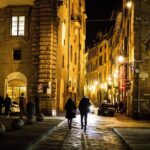
Venice has a second address. This exclusive private tour takes you through the Jewish Ghetto area with a local guide who explains how discrimination shaped daily life, not just dates. You also get time to slow down and notice the small stuff—symbols, street clues, and the way the neighborhood still feels like a working part of Venice.
What I like most is the mix of clear history and plain, street-level storytelling, plus the end-of-tour food moment: traditional Jewish cake and local wine (with a wine-or-gelato style finish). One thing to consider: synagogue interiors are not automatically included, and entry can depend on what’s possible on the day you go, so you’ll want to request it ahead of time if that’s a priority.
In This Review
- Key things you should know before you go
- A Private Way Into Cannaregio’s Jewish Ghetto
- Price and value for up to 6 people
- Campo San Geremia: Starting with the view and the origin of ghetto
- Fondamenta Cannaregio: Reaching the gates
- Calle Ghetto Vecchio: Sephardic synagogues and the street clues
- Ghetto Ebraico: Oldest ghetto, oppression, and Holocaust monuments
- Fondamenta Dei Ormesini and Campiello L’anconeta: Ending with local Venice
- Optional: synagogue interiors and the Jewish Museum add-on
- What you’ll do, step-by-step (without the rush)
- Who should book this tour (and who might skip)
- Should you book the Exclusive Private Venice Jewish Ghetto Tour?
- FAQ
- How long is the Venice Jewish Ghetto tour?
- Is this tour private, and how many people are in a group?
- What language is the tour offered in?
- What is included in the tour price?
- Are synagogue visits included?
- Where does the tour start and end?
- Is there an extra access fee for some visitors?
- Can I get a full refund if my plans change?
Key things you should know before you go
- Private group of up to 6 means you can ask questions instead of getting rushed along.
- Campo San Geremia kicks off with big views and an explanation that makes the whole area easier to understand.
- You’ll learn why the word ghetto stuck around, starting from the neighborhood itself.
- Sephardic synagogues (outside views) are part of the walk, with details and context along the way.
- The tour includes Jewish cake plus local wine, giving you a real local rhythm at the end.
- Want synagogue interiors? You must request an add-on, since it is not part of the standard plan.
A Private Way Into Cannaregio’s Jewish Ghetto
This is a small-group, private walking tour focused on Cannaregio and the Jewish Ghetto area—one of the most important and complicated corners of Venice. Instead of you trying to piece everything together from scattered plaques, a guide gives you the thread. That matters here, because the story is layered: Venice’s rules changed over time, and daily life under pressure shows up in the streets.
What you get is a respectful look at the past alongside a sense of what’s still going on now. It’s history you can hold in your hands because you’re walking it, not reading it from far away.
And it’s not the typical Venice “see-it-quick” route. The ending also pushes you toward real local Venice—wine from a bacaro, and optional options like gelato.
You can also read our reviews of more private tours in Venice


Price and value for up to 6 people
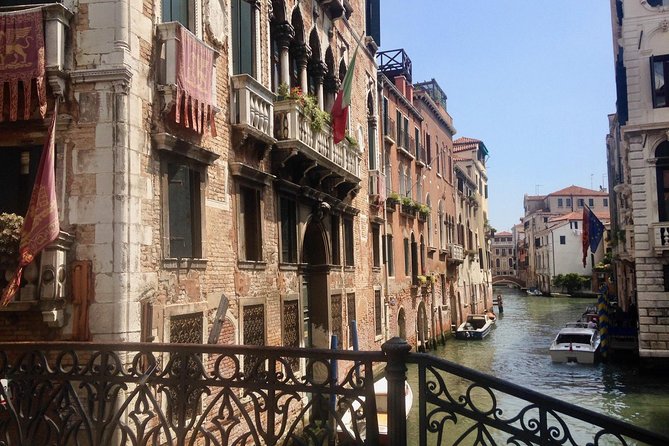
The price is $372.45 per group for up to 6 people, for about 2 hours. That works out best if you’re traveling with a partner or a small circle who wants the same guide attention. For a private guide, you’re paying for three things: control (private group), interpretation (someone to explain the maze), and time (you’re not forced to rush).
It’s not the cheapest option on a map. But if you care about meaning—why rules were imposed, what symbols point to, and how the neighborhood’s story connects past and present—this kind of tour usually feels like good value because the guide does the heavy lifting.
Also, this is offered in English, and you get a mobile ticket. That helps if you don’t want to spend precious Venice minutes figuring out paper tickets or miscommunication.
Campo San Geremia: Starting with the view and the origin of ghetto
You begin at Campo San Geremia (30121 Venezia VE), and the opening sets the tone fast. The first stop is built around two things: a strong introduction to the Jewish Ghetto story and a “get your bearings” moment with viewpoints that help you read the neighborhood.
From here, the guide focuses on how Venice began to discriminate against Jews, and why that led to strict living rules for centuries. If you’ve heard the term ghetto before, you’ll get a clear explanation of where it comes from and how it applies to Venice specifically—this is one of the most memorable parts of the tour.
I also like that the tour doesn’t treat the area like a museum. You’ll hear about daily life and how the geography and rules shaped movement, community, and even the details people left behind.
Practical note: This start matters. If you arrive late or miss the opening context, the later stops can feel like a list of sites instead of a connected story.
Fondamenta Cannaregio: Reaching the gates
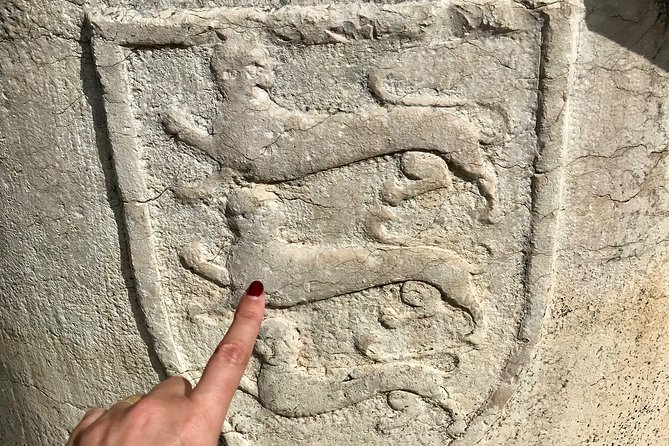
Next you move to Fondamenta Cannaregio, where you head toward one of the three gates for entering the ancient ghetto. This is short, but it’s useful. The “gate” idea is one of those mental images that sticks, because it turns abstract oppression into something physical: access was controlled.
This stop is a good example of why a guide is worth it. Even when you can see a gate area yourself, you might miss why it mattered, how it functioned, and what it symbolized in the rules of the Republic.
Calle Ghetto Vecchio: Sephardic synagogues and the street clues
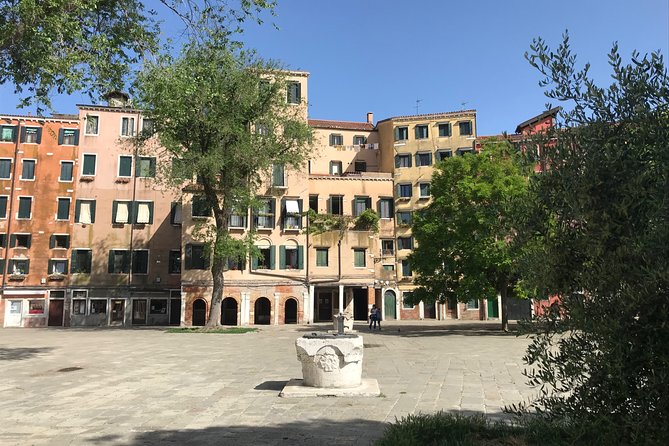
Then you head into Calle Ghetto Vecchio, described as the old but still living part of the ghetto. Here you’ll hear the Venetian origins of the word ghetto in a way that connects language, place, and power—so the street name isn’t just a label.
One of the highlights at this stage is learning about historic Sephardic synagogues. The tour includes outside viewing of these synagogues, plus stories behind the buildings. If you’re interested in the different Jewish communities that existed in Venice, this is where the tour starts to feel more specific.
There’s also time to notice the so-called skyscrapers of Venice—tall buildings that look unusual in a canal city. The guide explains why they are there and how that was possible. You get the sense that the neighborhood grew under pressure, and the architecture reflects that.
A possible drawback to plan for: synagogues inside are not part of the standard walk. Entrance can be limited, so if you want inside access, you’ll need to coordinate for an add-on rather than assuming it will happen.



Ghetto Ebraico: Oldest ghetto, oppression, and Holocaust monuments
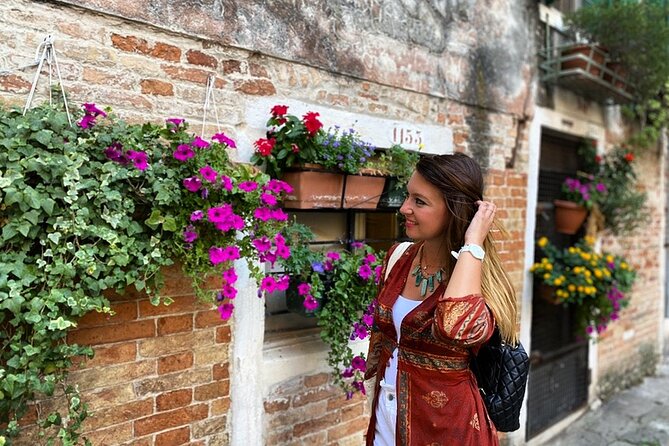
The heart of the tour is Ghetto Ebraico, where you walk through the oldest Jewish ghetto in the world. This is where the story turns very serious. You’ll hear local stories about how people lived under oppression, and you’ll also talk about how the Holocaust left a deep mark on Venice.
This stop includes viewing of Stolpersteine (stumbling blocks) in the area, and the guide explains what they represent. You also see Holocaust monuments from the outside, along with special wells and the Chabad of Venice.
The tour again keeps synagogues outside-focused here: you’ll see three ancient synagogues from outside and connect them to the history around them. If you want to include synagogue visits inside, you can request it, but it isn’t promised as part of the basic walk.
This is the stage where the guide’s pacing really matters. You don’t want a lecture. You want time to absorb what you’re looking at. With a private group, you get that breathing room.
Fondamenta Dei Ormesini and Campiello L’anconeta: Ending with local Venice
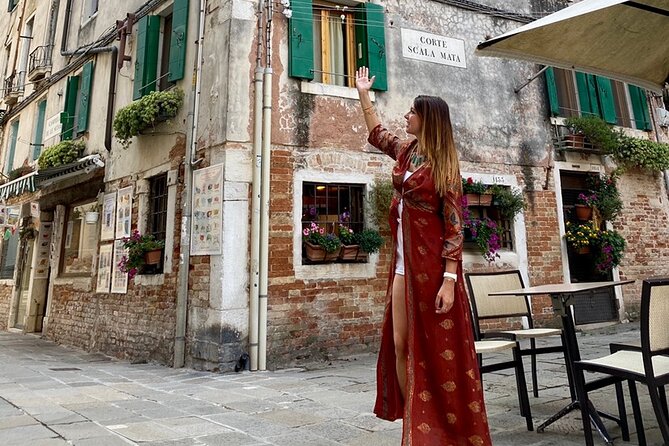
After the main history section, the walk shifts toward a calmer ending. Fondamenta Dei Ormesini is where you say goodbye to the tour and settle back into the Cannaregio rhythm.
Then you finish at Campiello L’anconeta. The guide shares tips for exploring more on your own. I like endings like this because they don’t leave you standing around with no next step. You leave with a sense of how to keep walking in the same neighborhood style—small streets, canal angles, and local corners.
If you’re hoping for a food payoff, this tour is built around it. You taste a traditional Jewish cake and a glass of local wine as part of the experience. Depending on timing, the finish may also include the option of gelato.
This is one reason I think it’s a strong choice for first-time visitors who want more meaning than a quick sightseeing checklist.
Optional: synagogue interiors and the Jewish Museum add-on
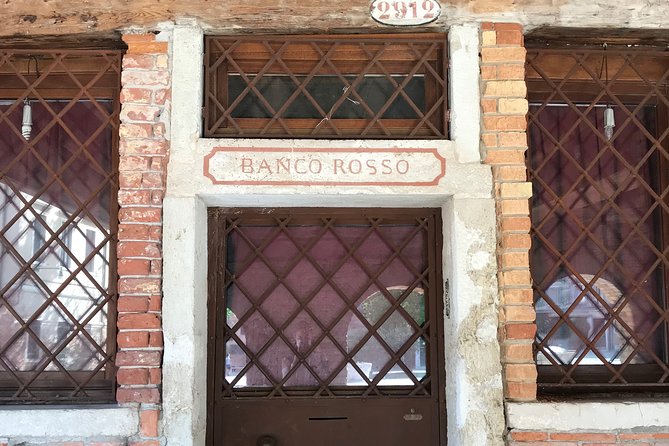
There’s an optional add-on labeled for Sinagoghe e Museo Ebraico di Venezia. This is on request and not included in the standard tour.
At the time this information was provided, the Jewish Museum was closed. Still, synagogue visits inside can be added in some cases because the guide is licensed to run tours there. Entrance tickets are not included, and availability can depend on days and times, so the best move is to ask early if you want inside access.
If your priority list includes museum artifacts or an indoor synagogue experience, don’t treat it as guaranteed. Treat it as a targeted request.
What you’ll do, step-by-step (without the rush)
The tour runs for about 2 hours on foot. For most people, that’s manageable, but it helps to think of it as steady walking plus stops for explanation. There’s no sense of speed-running the sites. Instead, you get small segments of story tied to specific locations.
You’ll also get a lot of “why this matters” context. For example, learning the origin of the word ghetto isn’t just trivia. It helps you understand how language turns into policy and how policy becomes built environment.
And because it’s private and limited to up to 6 people, you can ask follow-ups. That matters for questions like how Venice’s rules changed, what symbols in the streets are pointing to, and what the monuments mean beyond a basic label.
Who should book this tour (and who might skip)
This tour is a great match if you want:
- A private guide who can explain the ghetto story in a way that feels understandable.
- A walking tour that favors interpretation over crowds.
- A blend of history and everyday neighborhood atmosphere.
- Food included: traditional Jewish cake and local wine.
You might skip (or consider an alternative format) if you mainly want landmark photos and minimal reading. This experience is about understanding, not just sightlines.
It also suits travelers who value off-the-beaten-path Venice. Cannaregio is a Venice you can feel in your legs, not just see through a camera lens.
Should you book the Exclusive Private Venice Jewish Ghetto Tour?
I’d book it if you care about the real story of Venice and you don’t want to wander this area with half-answers. The private setup, English guidance, and the way the tour ties street details to historical causes make it a smarter use of time than doing it on your own.
It’s also a strong choice if you want a cultural food moment without turning the day into a restaurant hunt. The cake and local wine finish gives the walk a satisfying close.
The main reason to hesitate is synagogue interiors. If that’s the centerpiece of your visit, ask for the on-request add-on early and stay flexible about what’s available.
If you want Venice with context, not just views, this is an excellent way to get it.
FAQ
How long is the Venice Jewish Ghetto tour?
The tour lasts about 2 hours.
Is this tour private, and how many people are in a group?
Yes, it’s a private tour/activity. Your group only participates, and the group size is up to 6.
What language is the tour offered in?
The tour is offered in English.
What is included in the tour price?
Included: a local guide, tips and suggestions, and an Italian and English speaking local guide. The tour also includes traditional Jewish cake and a glass of local wine as part of the experience.
Are synagogue visits included?
Synagogue visits are not included in the standard tour. The tour can be tailored on request, and synagogue entrances may not always be possible. The guide is licensed to run tours inside synagogues, but you need to contact them to arrange it.
Where does the tour start and end?
It starts at Campo San Geremia, 30121 Venezia VE, Italy, and ends at Campiello de l’Anconeta, 30121 Venezia VE, Italy.
Is there an extra access fee for some visitors?
On certain dates, if you are staying outside of Venice and visiting for the day, you may need to pay a €5 access fee. Exemptions may apply, and the applicable days are listed on: https://cda.ve.it
Can I get a full refund if my plans change?
Yes. Free cancellation is available. You can cancel up to 24 hours in advance for a full refund, and the tour requires good weather.