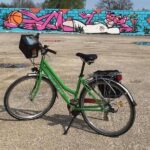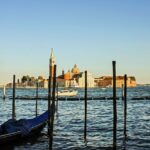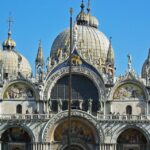
Venice by bike beats the stop-and-go crush. What I liked most was the new touring bikes and the practical touring build, including anti-puncture tires that help when your route turns rough. I also like that you get a bike made for distance, not just a rental that feels fragile after an hour. One thing to plan for: helmets and certain touring extras cost extra, and there’s a deposit or a travel document needed to pick up your bike.
You can match the bike to your trip style. City bikes work best for one-day riding and city loops, while touring bikes are what you want for multiday distances. The shop uses a mobile ticket, and the location is handy with public transport nearby, so you’re not stuck trying to find them.
A small but very helpful perk: you can leave suitcases in their shop and collect them at the end of your rental. That matters in Venice, where you don’t want to cart bags across bridges all day.
In This Review
- Key things to know before you pedal off
- Bike rental in Venice: what you really get for your money
- Picking the right bike: city, touring, trekking, and e-bikes
- Touring-bike gear that makes multiday riding feel possible
- Your Venice-to-Veneto game plan for 1–7 days
- One day: city-bike mode
- Two to four days: touring-bike mode
- Four to seven days: longer routes and trail riding
- Where you start: Travel & Bike location, luggage storage, and how returns work
- Support on the road: advice, English service, and real problem-solving
- Helmets, panniers, and other add-ons that affect comfort
- Value check vs other bike rentals in Venice
- Who this bike rental fits best (and who should think twice)
- Should you book this bike rental in Venice?
- FAQ
- What is included in the Venice bike rental price?
- How long can I rent a bike?
- What types of bikes are available?
- Are helmets or panniers included?
- Where do I pick up the bike, and where do I return it?
- Do I need to store luggage?
- Is there an access fee for Venice day visitors?
Key things to know before you pedal off
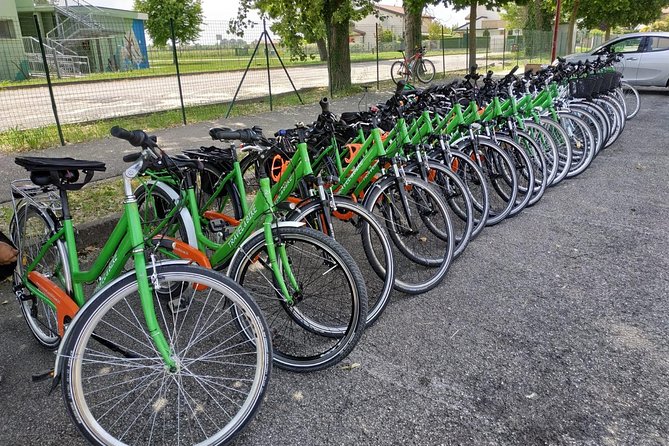
- City bike vs touring bike by day count: city bikes are best for 1-day rides; touring bikes are built for multiday tours.
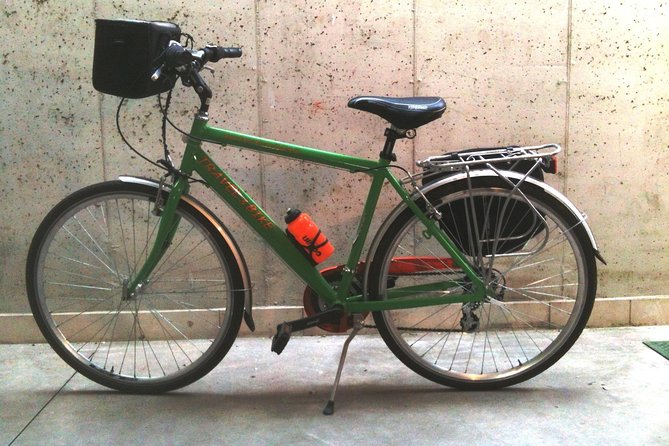
- Touring bikes are set up to travel: 21 gears, anti-puncture tires, rack for panniers, handlebar bag, speedometer, soft saddle, LED lights, and a lock.
- E-bikes can make longer routes realistic: I saw examples ranging from daily riding to a full week, including a 500W setup that handles big climbs with smart power use.
- Support goes beyond handing over keys: people report quick help when problems happen, including responses around punctures.
- Service feels small-group and flexible: the operation is capped at 4 travelers, and people describe them as responsive when plans shift.
- They help with logistics and routing ideas: advice on trains/ferries and where to start can make the difference between a smooth day and a detour.
Bike rental in Venice: what you really get for your money
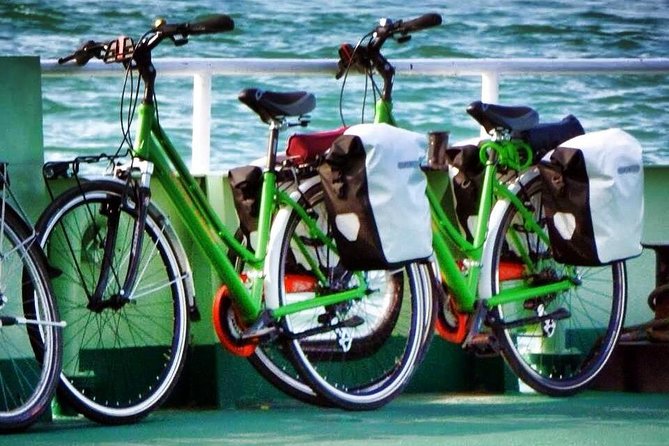
At around $29.96 per person, this is priced like a practical bike rental, not a guided tour experience where you’re paying mainly for someone to steer you. The big value is that the bikes are prepared for real riding. Touring options come with a full kit for longer days—rack space, lights, and a lock—so you’re not forced to improvise.
One key catch: the rental includes use of the bicycle, but insurance isn’t included. That’s common for rentals, but it means you should ride with care, especially if you’re planning gravel stretches or long climbs. If you’re the type who worries about everything, a bike with anti-puncture tires can calm your nerves.
Also, the cost can change depending on what you add. Helmets and touring panniers/travel bags are available for an extra charge. If you’re only planning a short city loop, you may not need them right away. If you’re going multiday or packing gear, budget for the comfort items.
You can also read our reviews of more cycling tours in Venice
Picking the right bike: city, touring, trekking, and e-bikes
You get different categories, and matching the bike to your plan saves your legs.
City bikes are the right choice if your goal is one day of riding through Venice-area streets and nearby flat-ish stretches. If your schedule is tight, city bikes help you focus on enjoying the ride instead of wrestling with a bike that’s overkill for short distances.
Touring bikes are for multiday routes. These are the bikes with the full travel setup: 21 gears, anti-puncture tires, pannier rack, and a lock. In other words, they’re designed to keep working when your route stops being simple.
Trekking bikes are also available. The idea here is comfort and stability for mixed surfaces, which matters if you’re dealing with imperfect roads or gravel patches.
And yes, e-bikes show up in real use cases here. People mention electric bikes for routes that run from northern Italy to Venice area, including a 500W engine example. If you’re planning big climbs like the ones on the Veneto side, an e-bike can turn a scary day into a manageable one—especially if you learn to conserve power early.
Touring-bike gear that makes multiday riding feel possible
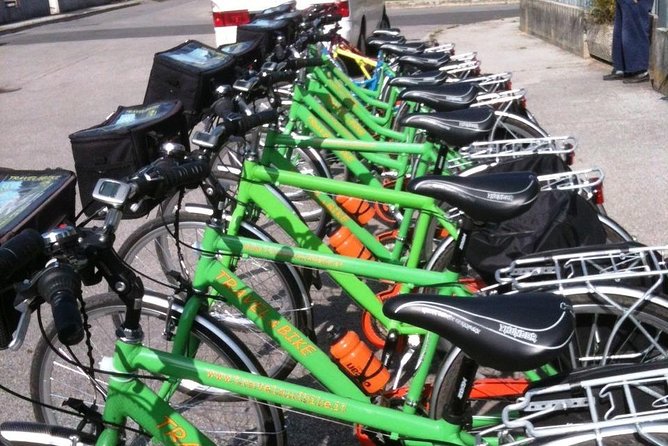
If you’re planning more than a quick spin, the touring bike specs aren’t just marketing. They change what your day feels like.
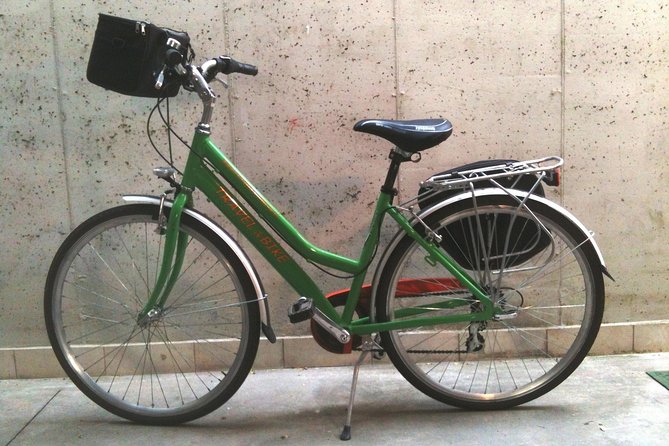
This rental’s touring bikes are listed as fully equipped with:
- 21 gears for pacing climbs and keeping momentum on flatter stretches
- anti-puncture tires to reduce the odds of a bad day going worse
- a rack for panniers, plus a handlebar bag for items you need fast
- a speedometer, soft saddle, and LED lights for visibility and steadier riding
- a lock, so stopping for meals or a gelato run doesn’t turn into a full production
The soft saddle and the gear range matter more than you’d think. Venice-area riding can start with excitement and then get tiring when you hit wind, cobbles, or long bridges. Having gears means you can keep your cadence instead of grinding.
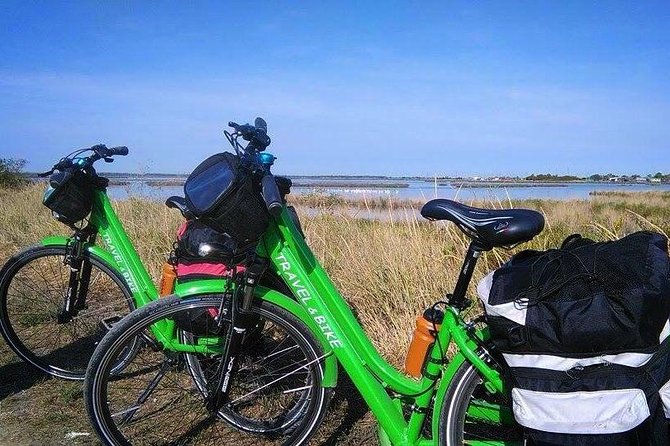
I also appreciate that bottle cages and side bags are part of the brand-new setup. Small things help you travel lighter and snack sooner. You’ll ride farther when you’re not constantly stopping to refill or hunt for your water.
Your Venice-to-Veneto game plan for 1–7 days
This experience is a rental with options—not a fixed checklist of stops. So the best “itinerary” is how you plan your days and what you choose to ride toward.
One day: city-bike mode
For 1-day riding, think simple. You’ll want a route that doesn’t require heavy packing and doesn’t demand aggressive climbing. Use your bike like a moving viewpoint: short rides between neighborhoods, a long lunch break, and a return to the shop without rushing.
If you only have a day in the Venice orbit, the biggest win is time. You can cover more ground than walking, without committing to the stress of a multiday pack.
You can also read our reviews of more tours and experiences in Venice

Two to four days: touring-bike mode
For 2–4 days, go touring. This is where the 21 gears and pannier rack earn their keep. If you’re riding the Veneto ring over several days, you’ll want the bike to handle long stretches and changing surfaces.
Some people put together multiday loops in the region, and the common theme is that the bike becomes your transport, your pacing tool, and your comfort platform. With touring tires and lights, you’re less anxious about getting stuck when the day runs long.
Four to seven days: longer routes and trail riding
For longer distances, you’ll see a range of real-world uses. One person rode an e-bike for a week covering the Toblach to Venice corridor, practicing power management on big climbs. Another example includes riding the Parenzana trail with e-bikes, where enough assist helps you maintain momentum.
If you’re aiming for a trail-like route (or a route that mixes pavement and gravel), anti-puncture tires and sturdy handling matter. One bike-packing trip covered about 420 km with mixed gravel and rough gravel, and the bikes held up through it.
If you’re dreaming bigger, there are also examples of long rides from Venice all the way toward Pula. That’s not a “beginner plan,” but it’s proof the setup can handle serious distance when you’re prepared.
Where you start: Travel & Bike location, luggage storage, and how returns work
The meeting point is Travel & Bike at Via Della Rinascita, 6, 30175 Venezia VE, Italy. Your rental starts here and ends back at the same place.
This matters because Venice can be full of one-way routes, tricky access, and sudden pedestrian-only areas. Having a clear start/end point keeps your routing calmer. It also makes it easier if you’re pairing bike time with train or ferry time later.
One smart detail: you can leave your suitcases in their shop and pick them up when you’re done. That’s huge if your Venice stay includes hotel check-in days, or if you’re doing a longer tour and want to stop traveling with extra weight.
Support on the road: advice, English service, and real problem-solving
Bike rentals live or die by what happens when things go sideways. The best thing here is that people describe the service as responsive and flexible.
You’ll get itinerary and attraction information for the area, which is a practical help when you don’t want to build a plan from scratch. You’ll also find examples where the staff helped with trains and ferries to smooth out connections. That’s the kind of guidance that saves time, especially if your route includes stepping away from pure cycling at the right moments.
Language comfort is part of the story too. One review explicitly thanks Gianluca and notes strong English communication. Another mentions an English-speaking owner and details that small setup steps were handled well, like attaching pedals so riders could start faster.
The most reassuring stories are the backup ones. If you puncture near the end of your ride, you don’t want to spend the last hour troubleshooting. One example says the team could come meet to retrieve rentals after a tire puncture near the end of the trip. That’s not the kind of thing you should bet your trip on, but it’s comforting to know they can act fast when needed.
Helmets, panniers, and other add-ons that affect comfort
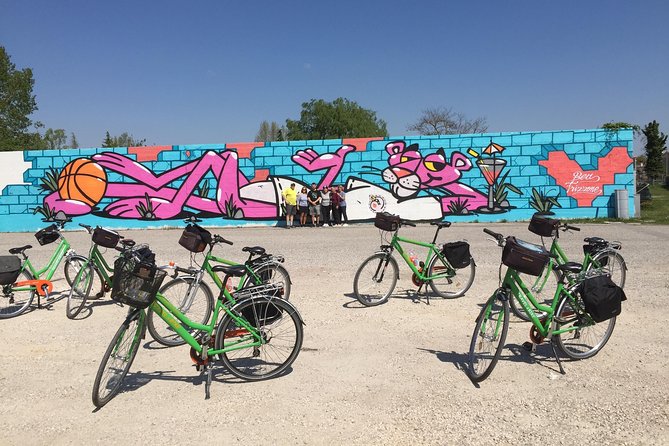
Helmets and touring panniers/travel bags are available for an additional charge. The touring bikes include side bags in the general setup, but full touring panniers and a travel bag option can make a big difference when you’re carrying more than a water bottle and phone charger.
If you’re doing multiday riding, I strongly suggest you treat the add-ons as part of your packing system, not optional extras. A helmet is a safety decision. Panniers and a travel bag help you keep weight distributed instead of stuffing everything into your pockets.
Also, the touring bike package includes LED lights. That’s a practical feature for riding later in the day or dealing with unpredictable timing. Venice days can stretch. Having lights built in means you don’t have to think about it every time.
Value check vs other bike rentals in Venice
Here’s how I’d judge value for your trip.
You’re paying for a bike rental, but the touring bike setup includes enough to function like a ready-to-tour machine: lock, lights, speedometer, rack support, and a geared drivetrain. That reduces add-on stress and helps you avoid the annoying moments of realizing you forgot a basic tool.
People also emphasize no hidden costs and fair rates. That matters in a place where you can easily run into surprise fees for tourist services.
The group size cap of 4 travelers also hints at a quieter pickup experience. If you’ve ever tried to rent a bike in high season while a line forms, you know why this matters. Here, you’re less likely to feel rushed.
One more value signal: riders describe the bikes as brand new and well serviced. New parts and good maintenance reduce your chances of mechanical surprises.
Who this bike rental fits best (and who should think twice)
This fits best if you want independence and distance. It’s ideal for:
- couples or small groups who want to explore on their own schedule
- people planning Veneto ring routes, trail rides like Parenzana, or mixed-surface days
- riders comfortable planning their own route and pacing
- anyone who wants an e-bike option for climbs and longer days
If you’re visiting Venice for a super short stay and your plan is mainly narrow alleys and sightseeing stops, a bike may not be the best use of effort. Bikes shine when you have room to move and a route that rewards travel speed.
Should you book this bike rental in Venice?
I’d book it if your plan involves cycling beyond a quick loop. The touring bikes are built for multiday use, and the combination of geared power, travel-friendly components, and anti-puncture tires is exactly what you want when your schedule stretches across days.
I’d hesitate only if you’re expecting a fully guided, stop-by-stop tour. This is a rental. The value is in the bike and the practical support, not a guided itinerary that carries you from one fixed landmark to the next.
If you’re the type who likes to plan a route, pack light, and get out of the crowd flow, this rental is a smart way to see the Riviera and Veneto on two wheels.
FAQ
What is included in the Venice bike rental price?
The rental price includes use of the bicycle. Insurance is not included, and add-ons like helmets or touring panniers are available for an extra charge.
How long can I rent a bike?
The rental duration ranges from 1 to 7 days.
What types of bikes are available?
You can choose from city bikes, touring bikes, trekking bikes, and e-bikes.
Are helmets or panniers included?
Helmets and touring panniers (and travel bags) are available but not included in the base price, so you should plan for extra costs if you want them.
Where do I pick up the bike, and where do I return it?
You start at Travel & Bike, Via Della Rinascita, 6, 30175 Venezia VE, Italy. The rental ends back at the same meeting point.
Do I need to store luggage?
Yes. You can leave your suitcases in their shop and pick them up at the end of your tour.
Is there an access fee for Venice day visitors?
On some dates, day visitors staying outside Venice may need to pay a €5 access fee. Details and exemptions are provided at https://cda.ve.it.
If you tell me your dates and whether you’re aiming for a city ride, Parenzana-style trail riding, or big climbs, I can help you pick city vs touring vs e-bike and suggest a realistic day-by-day distance plan.