REVIEW · VENICE
Venice: 1.5-Hour Wandering Around the City
Book on GetYourGuide →Operated by Venice Boat Experience · Bookable on GetYourGuide
Venice in 90 minutes needs a plan. This guided walk stitches together the city’s signature sights, from St. Mark’s Square to Rialto through Mercerie, so you leave with clearer bearings and better context.
I love the fact the route focuses on the big players in Venetian life, starting with Piazza San Marco and moving through spots tied to power and ceremony. I also like the contrast: you get the grand scale near St. Mark’s, then the more intimate feel around Marco Polo’s House and Malibran Theatre.
One thing to consider: you’ll do a moderate amount of walking on Venice’s uneven streets, so comfortable shoes really matter. And the optional glass furnace stop may add a bit of time if you choose it.
In This Review
- Key highlights you’ll feel right away
- St. Mark’s Square: starting where Venetian power shows
- What to watch for
- Santa Maria Formosa Square: the square that adds texture
- Campo SS. Giovanni e Paolo: Doges, schools, and big ceremony
- A consideration
- Marco Polo’s House and Malibran Theatre: a corner full of cross-era stories
- Tip for getting the most out of these stops
- Mercerie and the walk back toward Rialto: Venice’s spine for shopping and movement
- Optional glass furnace: seeing Venice’s craft side
- Price and time: what $41 buys you in Venice
- What about reviews and guide energy?
- Who this walk is best for
- Should you book this Venice 1.5-hour wandering tour?
- FAQ
- How long is the tour?
- How much does the tour cost?
- Where is the meeting point?
- Is this tour mostly walking?
- What’s included?
- What languages is the guide available in?
- Can I cancel for a full refund?
- Is reserve now & pay later available?
- Is the glass furnace visit included?
Key highlights you’ll feel right away
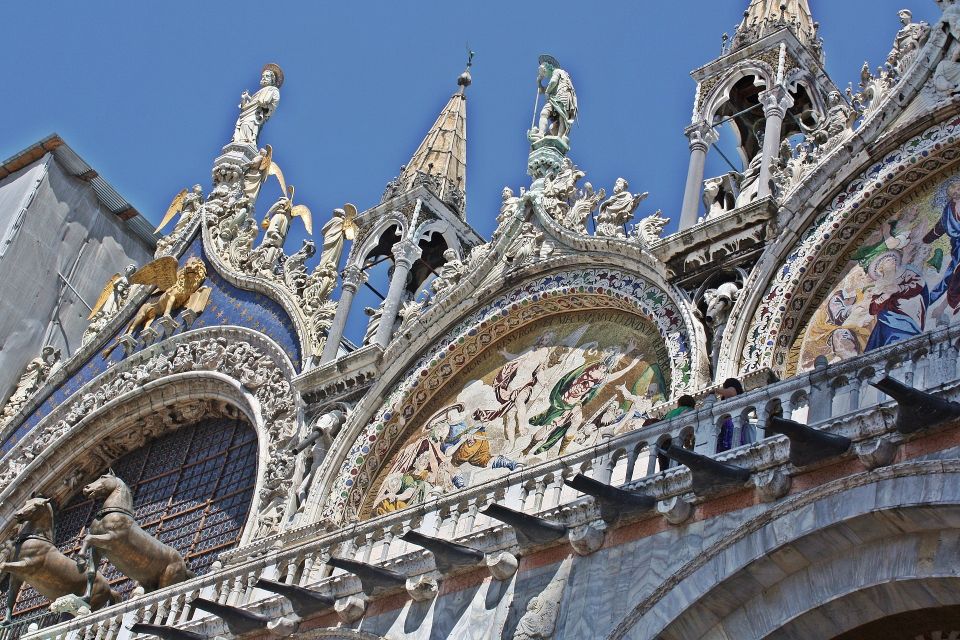
- A tight “starter route” across Venice’s most famous squares
- St. Mark’s Square explained through its monuments and origins
- Campo SS. Giovanni e Paolo tied to the Doge’s Pantheon
- Stories connected to Marco Polo’s House and Malibran Theatre
- Mercerie as the shopping spine between Rialto and San Marco
- An optional glass furnace visit for Venice’s craft side
St. Mark’s Square: starting where Venetian power shows
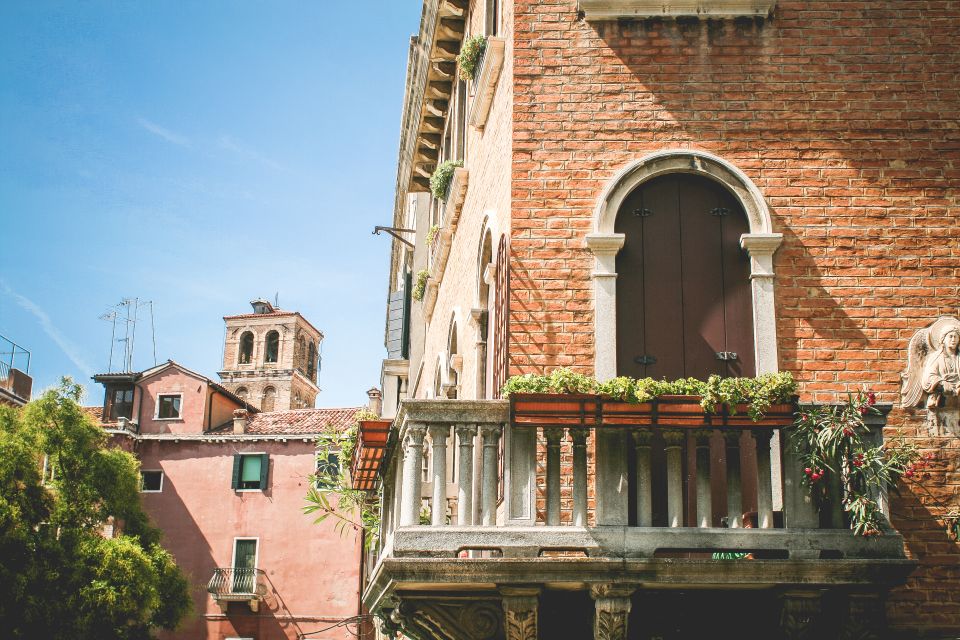
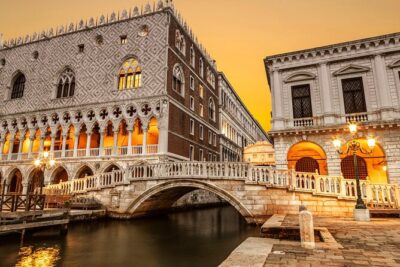
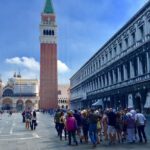
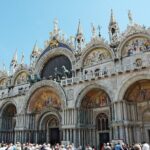
Your tour is built around one of the world’s most recognizable squares, and it makes sense to start here. Piazza San Marco isn’t just a pretty postcard. The guide takes you through its origins and then frames what you’re seeing by linking it to the long story of the Serenissima Republic.
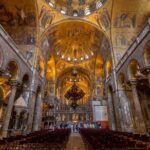
You’ll zero in on the main monuments around the square. Expect context for things like Basilica San Marco, Palazzo Ducale, the Bell Tower, the Clock Tower, and the Procuratie. The value of this stop is practical: once you know what each building represents, the square stops feeling like a blur of stone and starts feeling like a working political stage.
And yes, it’s visually impressive. But the better payoff is mental. You learn how Venice’s leadership and public life expressed itself in architecture and public spaces. That makes the rest of the walk click into place.
You can also read our reviews of more city tours in Venice



What to watch for
Keep an eye out for how your guide connects “where you are” to “what Venice was doing.” If the tour feels too fact-heavy, ask a simple question about one monument and you’ll usually get a clearer, calmer explanation.
Santa Maria Formosa Square: the square that adds texture
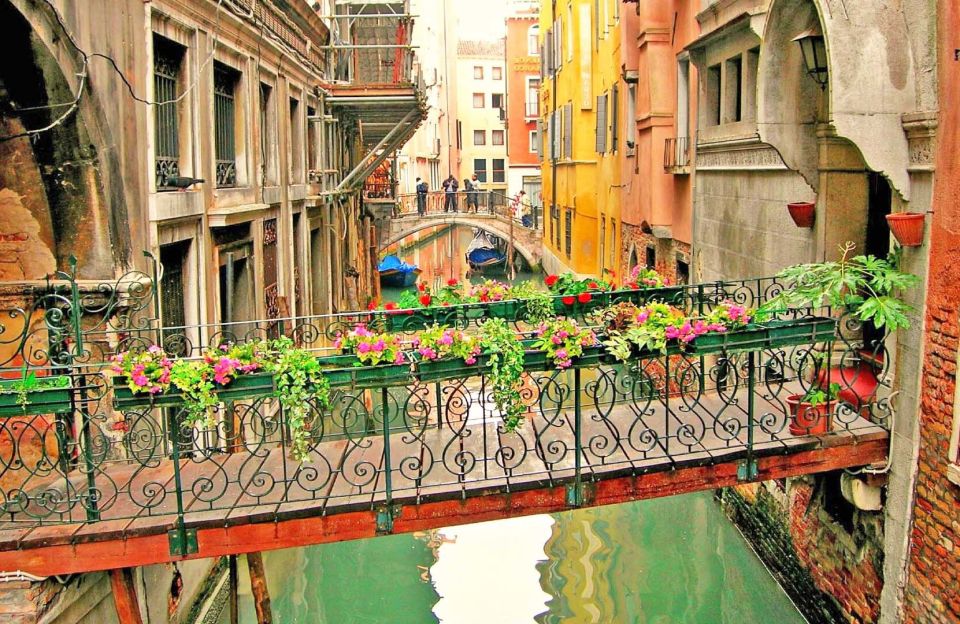
From St. Mark’s, the route moves to Santa Maria Formosa Square, and this is where the tour shifts from official grandeur to everyday Venice-with-a-stories-backdrop. The guide brings in the square’s history and shareable anecdotes, so you’re not only looking at buildings—you’re picking up why this spot mattered.
This stop is useful because it shows you another layer of how Venice functioned. It’s not the same “center of spectacle” feeling you get around Piazza San Marco. Instead, you get a sense of the city’s depth: smaller civic and religious spaces that contributed to daily identity.
If you’re the type who likes understanding the city beyond the headline sights, this is a strong moment. You’ll likely come away thinking about how many Venice stories don’t live in one famous monument, but across many connected squares.
Campo SS. Giovanni e Paolo: Doges, schools, and big ceremony
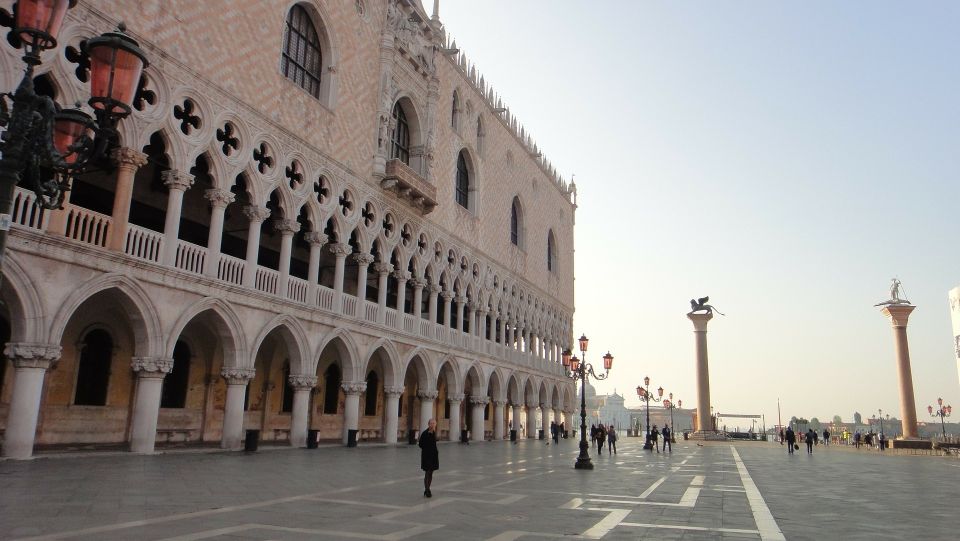
Next up is Campo SS. Giovanni e Paolo, and the tour places serious emphasis on its connections to Venetian leadership. This is where you hear about the Doge’s Pantheon—an idea that reframes the space. It’s not just a large square you walk through; it’s a place tied to memory and authority.
The guide also talks about the Great School of Charity and the Captains of Fortune. Those names aren’t random labels. They point to institutions and roles that helped run Venetian public life, including charitable work and maritime-adjacent power structures.
I like this stop because it’s the tour’s “meaning” checkpoint. After St. Mark’s, it’s easy to think Venice is only about a single dramatic square. Campo SS. Giovanni e Paolo corrects that. You start to see Venice as a system—many institutions, many spaces, all reinforcing the same civic identity.
A consideration
This is also a lot of names and references in a short time. If you’re sensitive to dense storytelling, take a second during pauses and look at the buildings you’re standing near. Visual cues make the information easier to hold.




Marco Polo’s House and Malibran Theatre: a corner full of cross-era stories
Then you move into a quieter corner of Venice’s narrative: Marco Polo’s House and Malibran Theatre. The tour pairs these stops with anecdotes, letting older legends and later-era details rub shoulders in the same area.
This is one of those parts where Venice feels like Venice—layers on layers. Marco Polo’s name gives you a cultural anchor, but the value here is not pretending there’s only one straight line of history. It’s that the city keeps reusing its meaning, reshaping it as time changes.
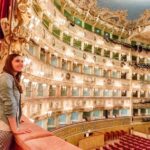
Malibran Theatre adds another flavor. The guide shares past and recent history tied to this area, so you get a sense that Venice isn’t frozen in time. Culture keeps moving here, even when it’s hard to spot beneath the water and stone.
Tip for getting the most out of these stops
If your guide’s pacing feels quick, focus on one thing: the connection between Marco Polo’s association and how Venetians shaped their identity through storytelling. That single thread helps the theatre and nearby details make more sense.
Mercerie and the walk back toward Rialto: Venice’s spine for shopping and movement
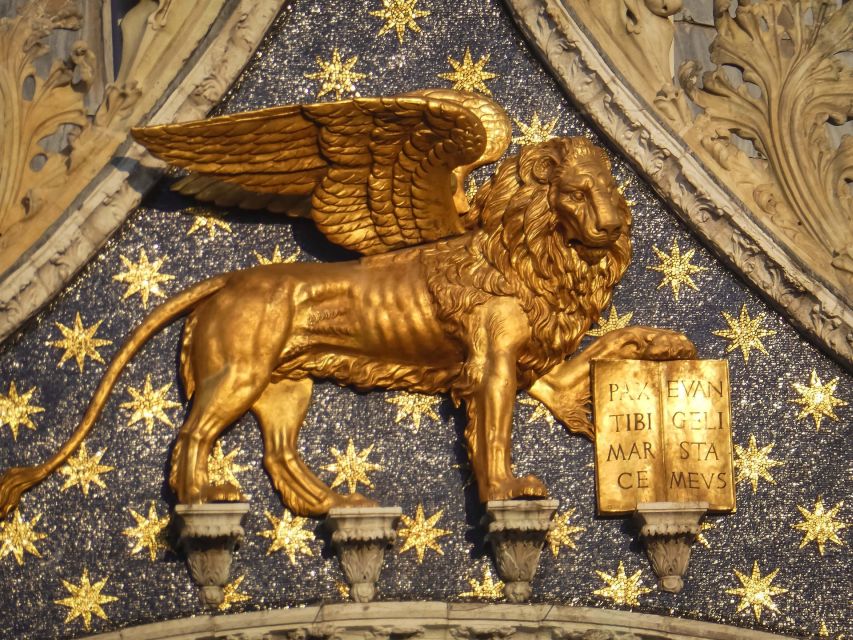
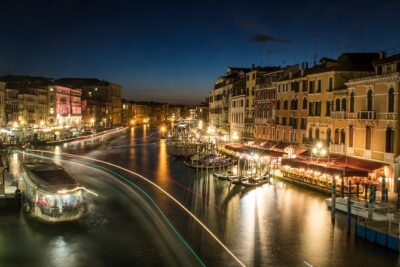
A big practical win is how the tour uses Mercerie as a connector. Mercerie is described as a vital connection between Rialto and San Marco, and also Venice’s main street for city shopping. That’s not just marketing wording. It explains why the route matters.
When you walk Mercerie during your guided wander, you’re seeing how people move and trade through the city’s central axis. Even if you’re not shopping, the street teaches you orientation. Where St. Mark’s feels like a destination, Mercerie feels like a thoroughfare—Venice as lived-in city.
Returning to San Marco through this corridor also helps your brain build a map. It’s easier to understand Venice when you see how the pieces connect. This section does that.
And Rialto isn’t treated like an isolated stop. It’s part of the flow, which makes sense because the whole city is about connections. Bridges, streets, canals—Venice works as a network, not as separate postcards.
Optional glass furnace: seeing Venice’s craft side
Near the end, there’s an optional visit to a glass furnace. The tour frames it as a touch of the Venetian greatest art, which signals what this stop is really about: craft and tradition in motion.
Whether you take this option depends on your interests and your time. If you want more than squares and monuments—if you’d like a hands-on-feeling story about what Venetians made and exported—this is the add-on that gives the walk a second theme.
Even if you skip it, you’ll still come away with more context than a simple “sightseeing loop,” because the main walk is built to explain what you’re seeing. The furnace option just adds a different kind of understanding.
Price and time: what $41 buys you in Venice
This tour is listed at $41 per person and lasts 1.5 hours. In Venice terms, you’re not buying a long day. You’re buying focus.
A guided, licensed walking tour at this length is a smart value if:
- you want top landmarks explained with names and connections
- you’re arriving mid-trip and need orientation fast
- you’d rather learn a few areas well than rush through more
The “licensed guide” part matters here. Venice can be visually overwhelming. A guide helps you sort what’s important, and it’s the sorting that makes the time feel worth it.
Also, there’s a practical flexibility angle: the booking options include reserve now & pay later, and free cancellation is offered up to 24 hours in advance. That makes it easier to plan around weather and your real schedule.
What about reviews and guide energy?
The overall rating is 4.6 from 50 reviews, which suggests most people feel they got a meaningful experience for the time. One positive note praised an interesting, informative guide focused on a small portion of Venice. Another note mentioned a guide named Silvana who shared a lot of information, but without much passion. That tells you something: you’ll likely get facts either way, but if you really value high-energy guiding, you may want to adjust expectations—or ask questions during the walk to bring it to life.
Who this walk is best for
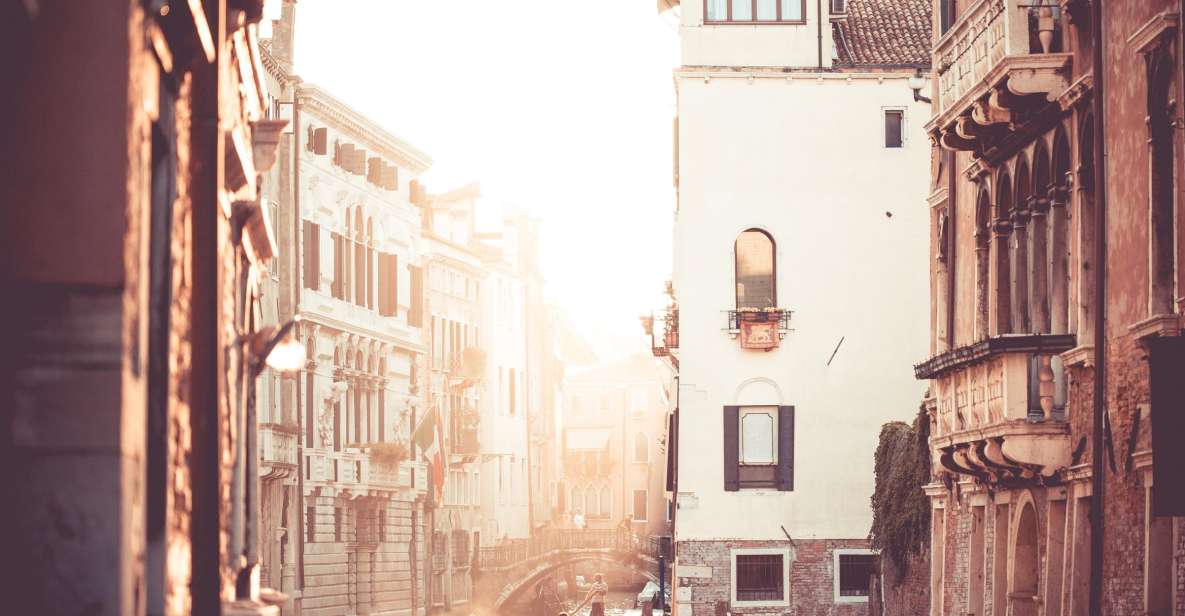
This experience fits best if you:
- like walking tours that connect sights to stories
- want to see St. Mark’s Square, then keep moving rather than getting stuck in one area
- enjoy learning about institutions tied to Venice’s leadership and public life
- have limited time and still want a guided route that feels “essential”
It’s also a good match if you’re traveling as a couple, solo, or with someone who wants structure. If you hate being steered or prefer totally free roaming, you might feel the route is a little too guided—because it is designed to hit key points in a short window.
Should you book this Venice 1.5-hour wandering tour?
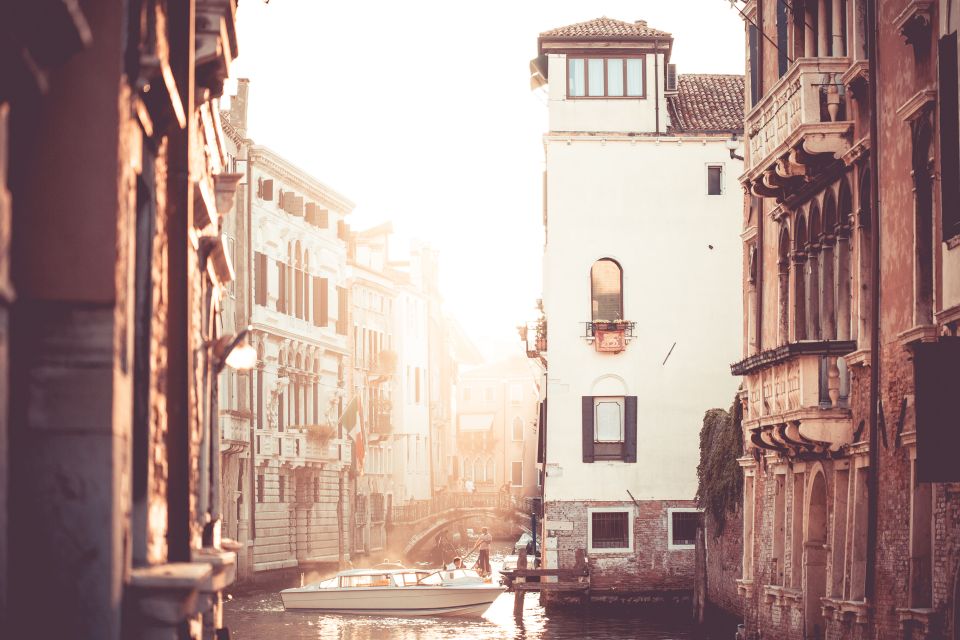
I’d book it if you want a fast, sensible introduction to Venice’s most iconic spaces, with a guide that helps you connect monuments, squares, and names into a coherent picture. At $41 for 1.5 hours, you’re paying for time-saving clarity and a licensed interpreter—exactly what you want when Venice overwhelms the senses.
I’d think twice if your priority is a deep, slow dive into one neighborhood, or if you’re worried about moderate walking and uneven streets. This is a “get your bearings and learn the why” kind of tour, not a marathon.
If you book, come ready with comfortable shoes, arrive on time at the meeting point, and don’t be shy about asking questions. That’s the easiest way to turn a solid factual walk into a personal one.
FAQ
How long is the tour?
It lasts 1.5 hours.
How much does the tour cost?
It costs $41 per person.
Where is the meeting point?
Meet at Calle Larga de l’Ascension, in front of the TURIVE kiosk near St. Mark’s square, 15 minutes prior to the scheduled departure time.
Is this tour mostly walking?
Yes. The tour involves a moderate amount of walking.
What’s included?
A walking tour and a licensed guide are included.
What languages is the guide available in?
The live guide is available in German, English, Spanish, and French.
Can I cancel for a full refund?
Yes. Free cancellation is available up to 24 hours in advance for a full refund.
Is reserve now & pay later available?
Yes. You can reserve now & pay later.
Is the glass furnace visit included?
The glass furnace visit is optional.