REVIEW · VENICE
Venetian Food and Wine Tour with a Local
Book on Viator →Operated by Nico Venice Tour · Bookable on Viator
Venice has a way of feeding your curiosity fast. This small-group food and wine walk focuses on Cannaregio and the Venice Jewish Ghetto, then pairs the stories with real local eating: bakery bites, two aperitifs, a bacaro stop, dinner near a historic church, and a final dessert close to Rialto. What I like most is the pacing and the variety. You’ll get multiple stops that feel like you’re being shown around a neighborhood, not herded through a checklist. One thing to consider: it’s a walking tour, so plan for cobblestones and a steady pace, plus it runs in weather-dependent Venice conditions.
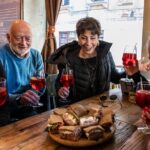
I’m also drawn to how intimate it is. With a max of 10 travelers, Nico (the guide behind Nico Venice Tour) can answer questions and steer the group in a way that still feels personal, even if you’re traveling as a family or with mixed ages. If you want a tour that avoids the usual “look at this, then that” script, this one has the right energy.
In This Review
- Key highlights worth the calories
- Cannaregio and the Jewish Ghetto: why this food walk feels different
- Starting in front of San Geremia: where the walk sets its pace
- Ghetto Ebraico stop: pastries with a 1500s story
- Fondamenta dei Ormesini: learning the bacaro rhythm with two aperitifs
- Campo dei Mori: the quiet Venice break between meals
- Casa del Tintoretto and Scuola Grande Santa Maria della Misericordia
- The surprise on Venice’s main street: a short story moment before dinner
- Dinner near Saint Mary of Miracles: view + local restaurant time
- Campo S.S. Apostoli finish: artisanal dessert close to Rialto
- Price and value: is $185.82 worth it?
- Who this tour fits best (and who should pass)
- Should you book the Venetian Food and Wine Tour with Nico?
- FAQ
- How long is the tour?
- How many people are in the group?
- Where do we meet and where does it end?
- What food and drinks are included?
- Is there an admission fee to the stops?
- Is the tour suitable for most travelers?
- What if weather is bad or the tour needs to be canceled?
Key highlights worth the calories
- Max 10 travelers for a tour that feels like conversation, not a queue
- Ghetto Ebraico + Cannaregio for food in areas many visitors skip
- Two aperitifs and a bacaro stop for the real Venetian pre-dinner rhythm
- Casa del Tintoretto and Scuola Grande for art and architecture without heavy museum time
- Dinner near a historic church plus a finish dessert close to Rialto
Cannaregio and the Jewish Ghetto: why this food walk feels different
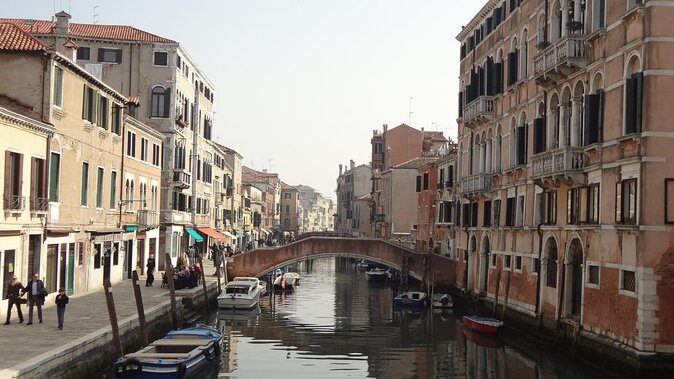
Most Venice food tours chase the same parade route. This one goes sideways, into neighborhoods where locals actually move through their evening rhythm. Cannaregio gives you everyday canal streets and back-alley life. The Venice Jewish Ghetto adds depth you can’t get from a quick photo stop, including what the word ghetto means and why the area became so significant for Jewish community life starting in the 1500s.
I like the logic of the route. It doesn’t separate “history” from “eating.” Instead, it ties the sites to what you’re tasting at each moment. That matters in Venice, because the city’s food culture is inseparable from its street life. You’re not just consuming; you’re learning how Venetians pass time, snack, and socialize.
Expect an experience that leans authentic rather than performance-heavy. The route includes off-the-path corners like Campo dei Mori, plus short art/architecture moments like Casa del Tintoretto and Scuola Grande di Santa Maria della Misericordia. It’s the kind of mix that keeps you interested even when you’re full.
You can also read our reviews of more food & drink experiences in Venice

Starting in front of San Geremia: where the walk sets its pace
You meet right in front of San Geremia’s church in Cannaregio, and the tour begins at 11:30 am. The total time is about 3 hours 30 minutes, which is long enough to feel like you’ve actually “done Venice,” but short enough that you’re not trapped in a whole afternoon of walking.
You’ll also get a mobile ticket, which is handy in a city where paper tickets can get lost in the shuffle. Service animals are allowed, and the tour notes that most travelers can participate. Translation: it’s not described as an extreme hike, but it is still Venice. Cobblestones, narrow sidewalks, and occasional tight turns are part of the deal.
One more practical point: this tour is weather-dependent. Venice can be gorgeous and also slippery and damp. If conditions are poor, you may be offered a different date or a full refund. For many people, that’s a fair trade for eating your way through parts of town you might not map on your own.
Ghetto Ebraico stop: pastries with a 1500s story
The first big site is the Ghetto Ebraico, an area that became crucial to Venice’s Jewish community starting in the 1500s. The tour also teases something important about the word ghetto: it’s an old Venetian term, and the guide explains that it doesn’t mean what most people assume.
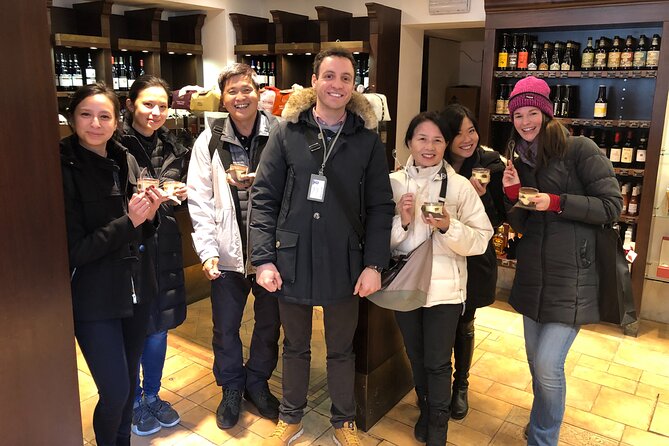
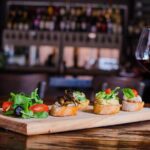
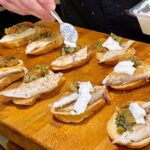
This is where the tour gets smart about pacing. You don’t just stand and listen. You arrive, get the context, and then shift into food. You’ll taste local products from a famous Venetian bakery, which is a great way to make the neighborhood feel real instead of abstract.
A key detail for your planning: the stop is around 20 minutes, with admission listed as ticket free. That’s useful because Venice entrances can add up, and you don’t want “paid site fatigue” right as your appetite kicks in. Here, the tasting keeps you engaged while the walking and explanation stay focused.
If you enjoy cultural food context—how a place shaped a community, and how that community shows up in daily life—this is the part you’ll remember later, even when the rest of Venice starts to blur together.
Fondamenta dei Ormesini: learning the bacaro rhythm with two aperitifs
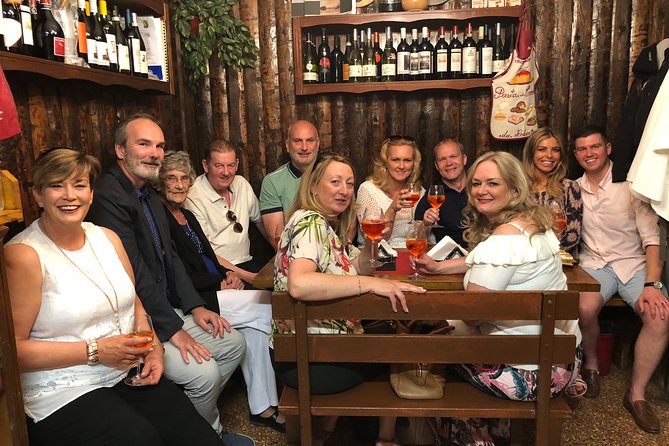
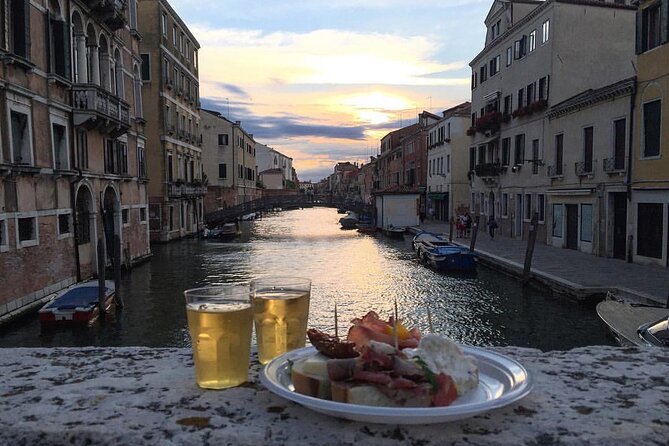
Next you move to the Fondamenta dei Ormesini. It’s described as a common alley along the canal for Venetian aperitifs, and this is one of the tour’s best setups for understanding how Venice works after daytime sightseeing.
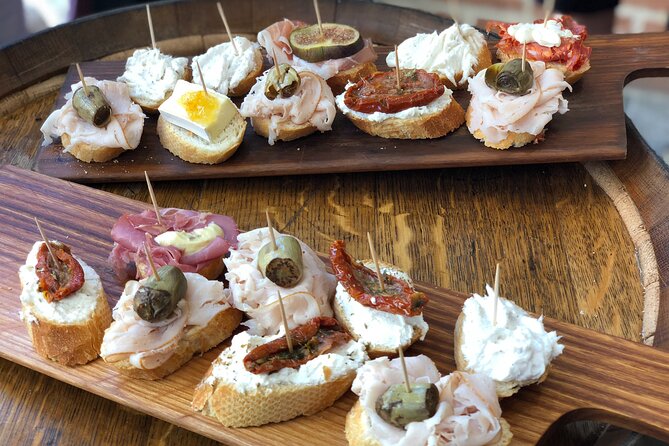
The guide uses this stretch to explain what a bacaro is, and then you actually do it: you’ll have typical Venetian aperitivo here. The tour includes two aperitifs total, and one of those moments is tied to the bacaro experience.
What does that mean for you in practice? You’ll get the pre-dinner structure that Venetians use to stretch the evening. Aperitivo is part social event, part snack strategy. Instead of one huge meal, you taste along the way. And because you’re guided, you don’t waste time figuring out what to order or where to stand.
Also: the time at Fondamenta dei Ormesini is listed at about 1 hour, with ticket free access. That longer chunk gives you space to actually enjoy the atmosphere instead of rushing straight to dinner. It’s also where the tour avoids feeling like a sprint through stamps-and-squares.
Food highlights you might see mentioned by past participants include things like spritz-style drinks and small plates paired with local choices. Even if your exact items differ, the approach stays consistent: you’ll drink and snack like you belong there.
Campo dei Mori: the quiet Venice break between meals
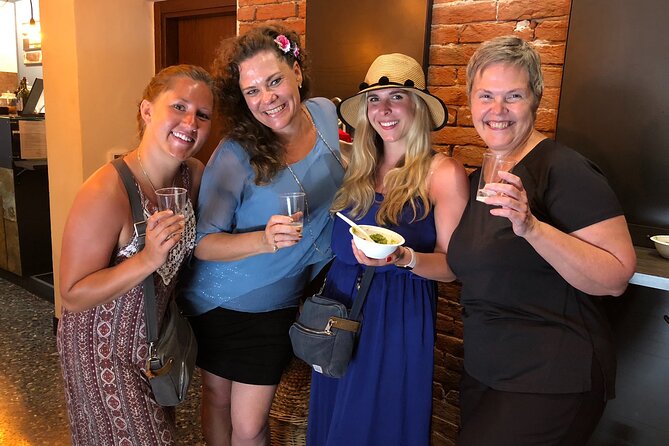
After you’ve absorbed the bigger historical note of the ghetto, you get a breather at Campo dei Mori. The tour frames it as an area off the beaten path where only Venetians walk and live, plus some hidden secrets and local traditions.
This stop is about 15 minutes and is also listed as ticket free. Why include something like this on a food tour? Because it resets your brain. When you’re moving from one heavy story to another meal, you need a moment that’s more atmosphere than lesson. Campo dei Mori helps you slow down just enough to notice details you’d otherwise miss—small street turns, how people use the space, and what a neighborhood looks like when it’s not staged for visitors.
If you tend to get rushed by too many “major sights” on a Venice day, this stop will feel like relief. It’s also a nice reminder that Venice’s best moments often happen when you’re not looking for them.
You can also read our reviews of more tours and experiences in Venice

Casa del Tintoretto and Scuola Grande Santa Maria della Misericordia
Two short art-and-architecture stops keep the tour from becoming only about food.
First is Casa del Tintoretto, where you’ll take a look at the house of the painter Tintoretto. The guide notes that Venice has many Tintoretto paintings around the city, so this is a compact way to connect the artist to place.
This stop is about 10 minutes, ticket free. It’s not a full art program, which is exactly why it works here. You get a spark of context, then you keep moving toward the next tasting.
Then comes Scuola Grande di Santa Maria della Misericordia, described as one of Venice’s oldest hidden constructions and a marvelous old-style corner of the city. This is another about 20 minutes, ticket free. You’ll want to pay attention to details like scale and texture—Venice’s older buildings don’t feel loud, they feel stubborn and real.
I like this pairing on a food tour because it gives your eyes a job. When you’re full from tastings, standing near impressive architecture gives you something restful to do with your energy.
The surprise on Venice’s main street: a short story moment before dinner
There’s also a stop described as the main street of Venice that hides a special secret, with the promise that you’ll be surprised. The tour doesn’t spell out the specifics in the overview, so I’ll keep expectations flexible here.
In a tour like this, the value of that kind of stop is usually the narrative connection. It’s the moment where the guide ties what you’re seeing—street layout, building character, or local tradition—to why Venetians do certain things. It’s short by design, so it won’t drag your schedule.
Think of it as a mental gear shift: you go from snack and neighborhood story mode to dinner mode. If you’re the kind of traveler who likes being “in the know,” these quick surprise moments are often the best part of a guided walking tour, because they make the streets feel like they have a hidden second layer.
Dinner near Saint Mary of Miracles: view + local restaurant time
The tour’s major meal happens at the Church of Saint Mary of Miracles area. The stop is about 1 hour, with ticket free access for that church viewing segment.
The tour promises a local spot with fun like Venetians, plus a wonderful view—and it frames this as the right place for dinner in a local restaurant. That’s exactly the sweet spot for many travelers: you get a proper sit-down meal as part of the walking experience, not a random “good luck finding something” situation.
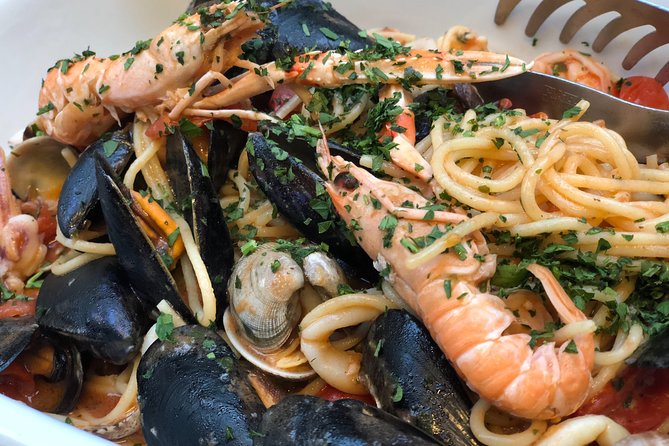
In past participant accounts, the style of food has included classic Venetian touches in the form of dishes paired with the aperitivo rhythm—things like risotto, octopus on polenta, mozzarella-based plates, and other local favorites. I can’t guarantee the exact menu on your date, but the pattern is clear: you’re not limited to generic tourist bites.
What I like here is the structure. You’ve already sampled enough earlier that dinner doesn’t feel like you’re starting from zero. But you also haven’t eaten so much that dinner becomes an obligation.
If you want to taste more than one side of Venetian dining—snack culture earlier, then full meal later—this stop delivers.
Campo S.S. Apostoli finish: artisanal dessert close to Rialto
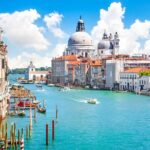
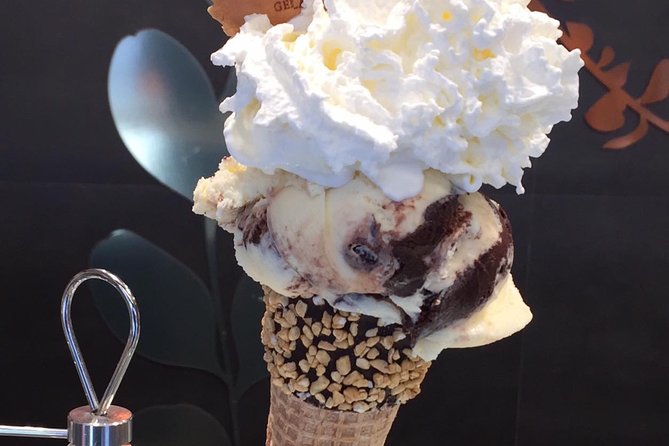
The tour wraps at Campo S.S. Apostoli, about 15 minutes from the finish point, and it’s very close to Rialto Bridge and Saint Mark Square. You end with a closing dessert designed to make the night feel complete like a local.
This ending location is practical. You’re not stranded far from the main sights, and you can decide what you want to do after dessert: linger near Rialto, head toward Saint Mark’s area, or simply enjoy the walk back through streets you now understand better.
Dessert is usually where food tours either feel rushed or thoughtfully done. A tour that leaves you near the most famous part of Venice, while still giving time for the final sweet bite, tends to feel more satisfying overall. You’ll also get a clear sense of direction afterward, which is important in Venice.
Price and value: is $185.82 worth it?
At $185.82 per person, this isn’t a budget snack crawl. But it also isn’t priced like a “just walk and watch” tour. The value comes from the combination of:
- Multiple food moments: bakery pastries/products, baked good tasting, two aperitifs, a bacaro stop, dinner, and a final artisanal dessert
- Time on key neighborhoods: Cannaregio and the Jewish Ghetto, plus art stops at Tintoretto’s house area and Scuola Grande
- Small group cap (10 travelers max), which helps you actually interact with the guide instead of being lost in a crowd
- A route that aims to avoid the most obvious tourist traps, based on the strong praise for the guide’s choices
Here’s my honest advice: come hungry, but not reckless hungry. You’ll be eating across several stops, so if you’ve already had a big lunch, the dinner and dessert may feel like a stretch.
Also, if you’re visiting from outside Venice, keep an eye out for the €5 access fee that may apply on certain dates for day visitors who stay outside Venice. The tour notes that exemptions and applicable days are listed at cda.ve.it. That small extra cost is worth factoring into your budget.
Overall, I’d call it good value if your goal is a guided evening-feeling experience built around real local eating.
Who this tour fits best (and who should pass)
This is a strong match if you:
- Want guided food in neighborhoods beyond the main tourist drag
- Like learning context (like the ghetto’s origin and meaning) while tasting local products
- Prefer small groups and conversation-style guidance
- Are the kind of traveler who likes to try multiple small-to-medium dishes rather than one set menu
You might want to skip or adjust expectations if:
- You dislike walking on cobblestones and narrow Venetian streets
- You’re looking for a high-speed, “see everything major” sightseeing format
- You only want wine tasting in the strict sense, because this tour is more about aperitifs and the Venetian bar-to-meal flow than formal wine education
One more plus: the guide, Nico, has been described in past experiences as able to handle groups with different ages, including families with both teens and younger kids. That doesn’t mean it becomes a kids show, but it suggests the pacing is thoughtful.
Should you book the Venetian Food and Wine Tour with Nico?
I’d book it if your Venice plan includes an evening vibe built around eating, and you want to understand why these neighborhoods matter. The small group size (10 max) plus the packed food sequence makes it feel like a real experience, not just a long walk with snacks.
Skip it if you’d rather do a self-guided route and you’re the type who already knows exactly where to eat and drink in Venice. In that case, you could DIY a similar circuit. But if you’re worried about finding places that feel local—or you just want someone else to handle the decisions—this tour is set up for that.
The smartest move: leave some room in your day for appetite, bring comfortable shoes, and let the guide’s pacing do the work. Venice rewards slow attention, and this tour is built for that.
FAQ
How long is the tour?
It runs for about 3 hours 30 minutes.
How many people are in the group?
The tour caps at a maximum of 10 travelers.
Where do we meet and where does it end?
You meet in front of San Geremia’s church in Cannaregio. The tour ends at Campo S.S. Apostoli, close to Rialto Bridge and Saint Mark Square.
What food and drinks are included?
You can expect pastries/baked goods from a local bakery, local products from that bakery, two aperitifs, a visit to a bacaro (bar), dinner at a local restaurant near a historic church, and a final artisanal dessert.
Is there an admission fee to the stops?
The tour listing shows admission ticket free for the stops mentioned, based on the information provided.
Is the tour suitable for most travelers?
Most travelers can participate, and service animals are allowed. It’s a walking tour, so comfortable footwear helps.
What if weather is bad or the tour needs to be canceled?
The experience requires good weather. If it’s canceled due to poor weather, you’ll be offered a different date or a full refund.
If you want, tell me your travel dates (and roughly when you plan to eat the rest of your day). I can suggest where to place this so the meals feel relaxed instead of rushed.