REVIEW · VENICE
Small Group Tour Historical and Charming Venice Jewish Ghetto
Book on Viator →Operated by Free Walk in Venice · Bookable on Viator
Venice reveals a side few maps show. This small-group tour led by Lucia turns Cannaregio into a living lesson on the Venice Jewish community, from lesser-known corners to reminders of how World War II changed the city. I love that it follows the Venice Jewish Ghetto trail at a human walking pace, not a sprint through big landmarks. I also like how Lucia mixes sharp storytelling with practical local tips so you leave with both context and a better sense of where to wander next.
One consideration: this is a history walk, not an interior-visit tour—synagogues and museums aren’t entered during the walk, so if you want inside access, you’ll need to arrange that separately.
In This Review
- Key highlights you’ll feel on the walk
- A 2-hour Venice Jewish Ghetto walk in Cannaregio (the part most tours skip)
- Meet at Campo San Geremia, where the tour begins with a surprise
- Campo San Geremia to Fondamenta Cannaregio: canal views and the Gheto Vechio edge
- Calle Ghetto Vecchio: the word ghetto and how language carries history
- Ghetto Ebraico: synagogue clues from outside, plus the WWII story you won’t ignore
- Campo di Ghetto Nuovo: more synagogue details and a Merchant of Venice vibe
- Fondamenta Dei Ormesini: end with wine, gelato, or coffee by the water
- What you actually learn (and why it’s worth paying for a guide)
- Price and value: what $53.88 buys you, plus the possible €5 access fee
- Who this tour fits best (and who might want a different option)
- Should you book the Small Group Tour Historical and Charming Venice Jewish Ghetto?
- FAQ
- How long is the Venice Jewish Ghetto tour?
- How many people are in the group?
- Where does the tour start and end?
- Do I need a print ticket?
- Does the tour include visiting museums or going inside synagogues?
- Is this tour good for families or kids?
- Is there an extra access fee for some visitors?
- What happens if the weather is bad?
- Is free cancellation available?
Key highlights you’ll feel on the walk
- Max 10 people keeps the pace calm and questions easy
- Campo San Geremia’s hidden garden starts the tour with a surprising family story
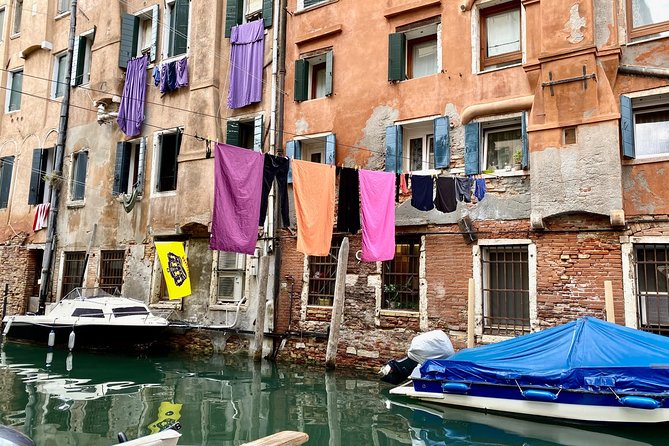
- Fondamenta Cannaregio shows a rare real Venetian canal view and a way into the Gheto Vechio area
- Calle Ghetto Vecchio explains why the word ghetto is linked to Venetian language (not Italian)
- Ghetto Ebraico focuses on the first Jewish Ghetto streets, with synagogue spotting from outside and WWII-era tragedy in plain language
- Fondamenta dei Ormesini ends with an easy local break: bacaro wine, gelato, or Cannaregio coffee by the water
A 2-hour Venice Jewish Ghetto walk in Cannaregio (the part most tours skip)
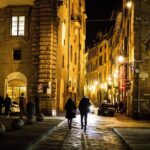
Cannaregio is where Venice feels less like a postcard and more like a neighborhood. That is exactly why this tour works. You’re guided through an area tied to one of the world’s first Jewish ghettos, but you’re not stuck staring at the obvious highlights.
The format is simple: a 2-hour guided stroll, small group of up to 10, with a mobile ticket. You start at Campo San Geremia and finish at Fondamenta dei Ormesini, both in the same broad area—so you don’t waste time crossing the city.
This is also a tour that respects attention. Lucia keeps the group engaged with stories, little moments of play, and signposts you can’t easily spot on your own. It’s the kind of tour where you notice details because someone taught you what to look for.
You can also read our reviews of more historical tours in Venice


Meet at Campo San Geremia, where the tour begins with a surprise
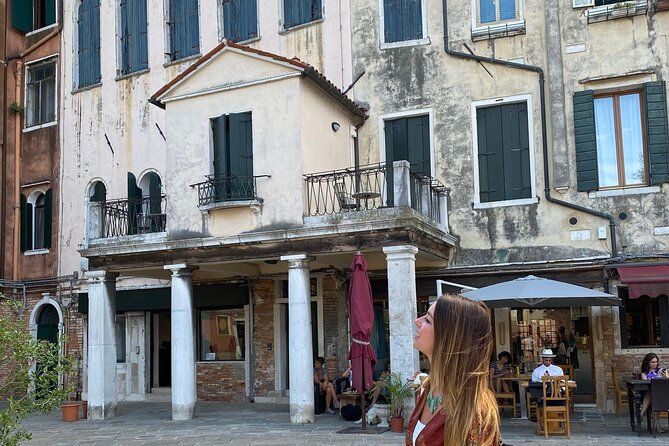
You start at Campo San Geremia (30121 Venezia VE). This opening stop sets the tone: it isn’t about monuments. It’s about atmosphere and scale—how small spaces in Venice can hold big stories.
At this first stop, Lucia points out a hidden garden and ties it to an unexpected story of a Venetian family. Even if you think you already know Venice gardens, this one works because it’s not just scenery. It’s a gateway into how everyday life and community history overlap in the city.
Practical tip: Campo areas can be busy. Show up a few minutes early so you’re not rushing when the group gathers.
Campo San Geremia to Fondamenta Cannaregio: canal views and the Gheto Vechio edge
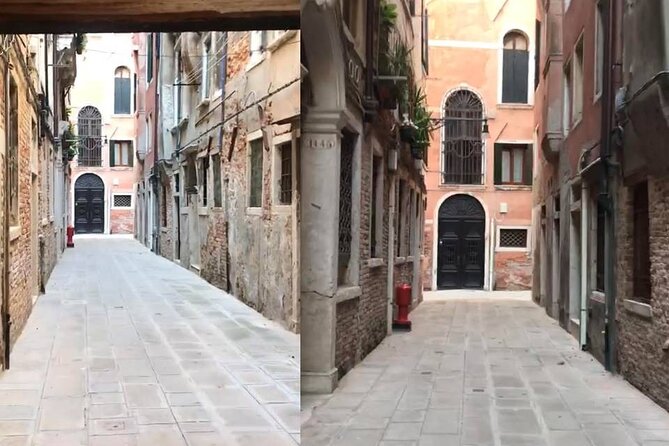
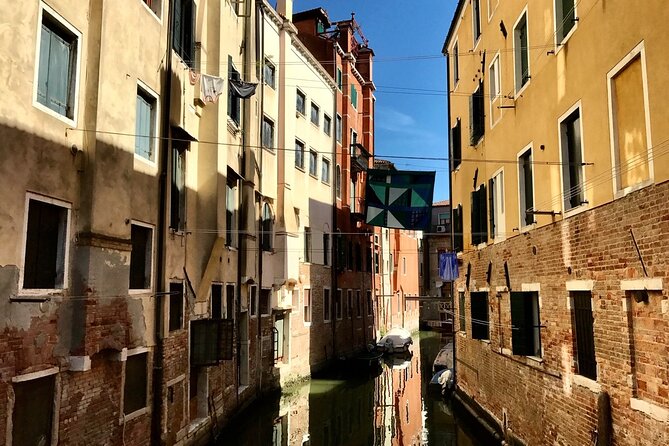
The next stretch takes you to Fondamenta Cannaregio, where you’ll stop in front of one of the few real Venetian canals. That matters because many Venice photos are taken from bridges or streets that feel canal-adjacent. Here, you get a more direct sense of water as part of daily life.
Lucia then helps you “enter” the Gheto Vechio area through an entrance/exit you pass through on foot. This is a small but smart detail: instead of treating the ghetto as a static site, you walk the pathways that still feel like part of Venice’s layout.
One of the best values of a guided walk like this is orientation. By the time you reach the next street, you understand where you are and why it was important.
Calle Ghetto Vecchio: the word ghetto and how language carries history
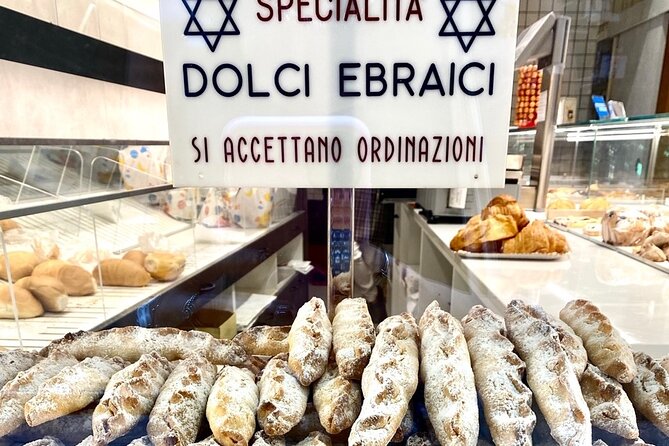
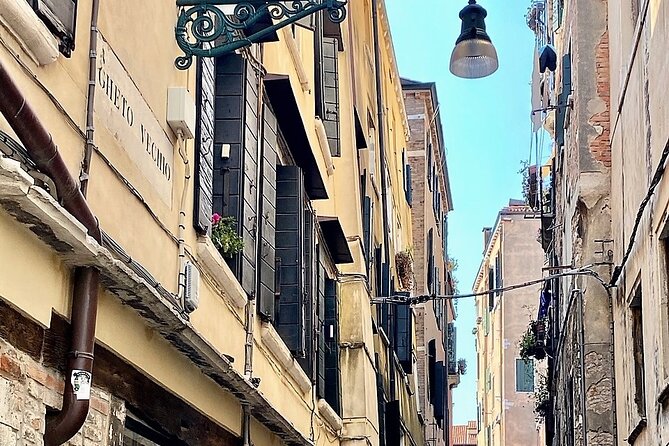
At Calle Ghetto Vecchio, you get a focused stop that can change how you think about the whole topic. Lucia explains the history behind the word ghetto and makes a key point: it is linked to Venetian, not Italian.
That’s more than trivia. Names shape memory. If you only learn the term without its local roots, you miss the point that the ghetto was a Venice decision—created and enforced in the language and structure of the Serenissima Republic.
This stop also gives you a chance to slow down. Streets here aren’t long, but they’re dense with meaning. Even a brief pause helps you connect the story to the space.
Ghetto Ebraico: synagogue clues from outside, plus the WWII story you won’t ignore
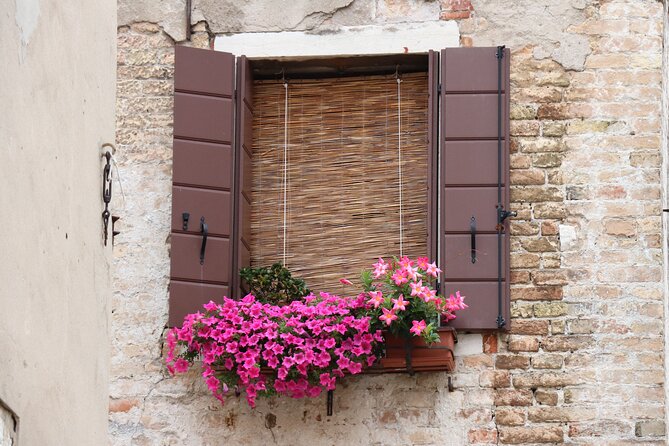
This is the heart of the experience at Ghetto Ebraico. The tour becomes a careful stroll through an old section of Venice, where you’re guided away from the tourist-trail rhythm and into quieter corners along the water.
Lucia’s approach is part history lesson, part “how to read the neighborhood.” You’ll be helped to recognize hidden synagogues and related symbols as you walk. Important note: this is not an inside-the-building tour. You’re shown what you can see from the street, and that still teaches you a lot—especially if you’re the kind of traveler who likes to puzzle out what you’re looking at.
The story also includes World War II and the Holocaust’s impact on Venice. Lucia addresses the Nazi deportation tragedy and how the Holocaust left a deep mark on the city. The tone is not just academic. It’s presented in a way that helps you understand why the site matters, even when the buildings look calm and ordinary from the outside.
If you tend to skim while walking, give this section your full attention. The quieter the street looks, the more you’ll catch when a guide points out what to notice.




Campo di Ghetto Nuovo: more synagogue details and a Merchant of Venice vibe
Next is Campo di Ghetto Nuovo, which adds another layer to the walking story. Lucia shows incredible details from the past—things you might not clock on your own if you’re focused on photos.
This stop also includes synagogue discovery from outside. You won’t enter, but you will be guided to see that the synagogues you pass by are distinct, with different stories and legends attached to them. That makes the area feel more human: not a single “ghetto,” but multiple community threads over time.
There’s also a lighter cultural nudge during the walk. Lucia brings up the famous Venetian-man theme tied to the Merchant of Venice atmosphere. It’s a reminder that Venice’s Jewish community history sits in the same city fabric that produced literature and myth—though the tour never lets you forget the real consequences of persecution.
Fondamenta Dei Ormesini: end with wine, gelato, or coffee by the water
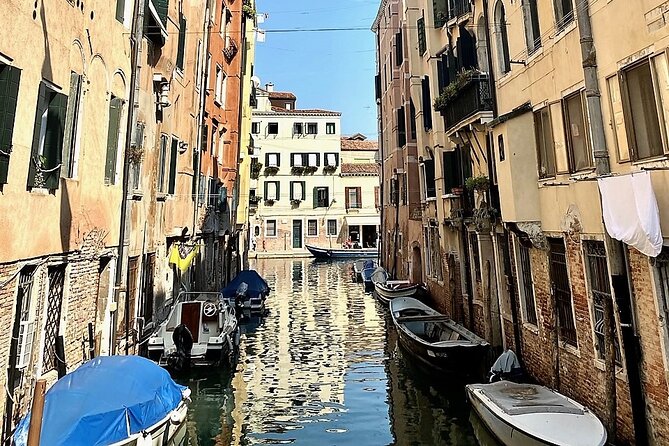
The last stop is Fondamenta Dei Ormesini, right by the water. This is where the tour turns into a small local reset.
Lucia ends the walk with a choice based on the time and season, and often the group’s energy: a glass of wine from a favorite bacaro, the best gelato in town, or Cannaregio coffee. Whatever you pick, the point is the same. You sit where locals meet, eat, talk, and relax—while you look back on everything you just learned.
This ending works well because it doesn’t feel like an “extra.” It’s part of how Venice neighborhoods function. If you want to feel like you lived in Cannaregio for a day, this is the moment to do it.
What you actually learn (and why it’s worth paying for a guide)
This tour is priced at $53.88 per person, and the value is mostly about interpretation. You’re not just walking through named streets—you’re learning how to read a neighborhood shaped by rules, restrictions, faith, and survival.
Here are the main takeaways I’d expect you to carry home:
- How Venice’s Jewish community was affected by the Serenissima Republic and strict rules that shaped daily life for centuries
- How the word ghetto connects to Venetian language and local power, not just an abstract concept
- How WWII and Nazi deportation changed Venice, leaving a lasting mark on the city
- How local legends and community stories live alongside physical street layouts, entrances, and architectural clues
- How synagogue locations and symbols can be recognized from the street when someone teaches you what to look for
Lucia’s style seems designed for real people. She’s witty, keeps things moving, and includes small games along the way—so the information doesn’t feel like a lecture. She also shares a contact number after the tour, which is genuinely useful if you want help turning what you learned into smarter next steps.
Price and value: what $53.88 buys you, plus the possible €5 access fee
The headline price is $53.88 per person for an approx. 2-hour experience with a local guide. For Venice, you’re paying for two things: time with a guide who knows what to notice, and the small-group format (max 10). This is also one of those tours where the “cost” is not just money—it’s whether you want guided context versus trying to piece it together from your own reading.
One extra thing to watch: on certain dates, day visitors staying outside of Venice may need to pay a €5 access fee. It depends on the date, and there are exemptions. If you’re in that category, check the official access-fee info so you’re not surprised.
If you already plan to wander Cannaregio anyway, consider this tour as a guided fast-track to the meaning underneath the streets. If you’re the kind of traveler who likes history but hates dead-end trivia, this is a good match.
Who this tour fits best (and who might want a different option)
This is a strong choice for:
- People who want Venice history beyond the big postcard sights
- Travelers who enjoy walking tours with stories tied to specific places
- Anyone who wants to understand Jewish history in Venice in a way that feels grounded in the neighborhood itself
It’s less ideal for you if your top priority is interior access. Since the tour does not visit museums or enter synagogues, you’re seeing the sites primarily from the outside. If that’s a dealbreaker, ask about additional options before you book.
Good news for families: the tour notes that if kids join, the guide has special material. If you’re traveling with children, send a note during booking so Lucia can prepare.
Also, the tour is marked as “most travelers can participate,” and service animals are allowed. It’s near public transportation, which helps if you want to combine it with other plans.
Should you book the Small Group Tour Historical and Charming Venice Jewish Ghetto?
I’d book it if you want a Venice walk that’s specific, thoughtful, and in-the-neighborhood accurate. This tour stands out because it teaches you how to notice what’s usually missed: hidden gardens, canal views, street-level synagogue clues, and the meaning behind the word ghetto.
Skip it only if you mainly want indoor museum/synagogue access. Since the tour doesn’t include those entries, you’d be paying primarily for guided street interpretation and WWII-era context. If you want both street learning and inside access, consider combining this with separately arranged visits.
If you’re unsure, treat this as your best “first orientation” tour for Cannaregio. Once you’ve walked the route with Lucia, your self-guided wandering afterward will make a lot more sense.
FAQ
How long is the Venice Jewish Ghetto tour?
The tour lasts about 2 hours.
How many people are in the group?
The experience is limited to a maximum of 10 travelers.
Where does the tour start and end?
It starts at Campo San Geremia, 30121 Venezia VE, Italy and ends at Fondamenta dei Ormesini, 30121 Venezia VE, Italy.
Do I need a print ticket?
No. The tour uses a mobile ticket.
Does the tour include visiting museums or going inside synagogues?
No. The tour does not visit the museum or enter the synagogues during the experience. The guide can help with further info if you want additional options.
Is this tour good for families or kids?
It says that if kids join the tour, the guide has special material. The tour is marked as most travelers can participate, but you should still coordinate with the operator if you have specific age needs.
Is there an extra access fee for some visitors?
On certain dates, day visitors who are staying outside of Venice may need to pay a €5 access fee. Exemptions may apply, and the details are listed at the link provided by the operator.
What happens if the weather is bad?
The tour requires good weather. If it is canceled due to poor weather, you’ll be offered a different date or a full refund.
Is free cancellation available?
Yes. You can cancel up to 24 hours in advance of the experience for a full refund.