REVIEW · VENICE
Secrets of Venice Carnival and Life of Casanova Tour
Book on GetYourGuide →Operated by Venice Events srl · Bookable on GetYourGuide
Casanova turns Venice Carnival into a story you can walk through. This tour mixes costumes, masks, and secrets with a guided stroll in the city’s smaller lanes. You’ll also get a hot cappuccino and frittelle finish, which is a nice reset after time in the cold.
The best part for me is the way the guide connects the Carnival traditions to Casanova’s world. I like that you’re not just looking at things from far away, you’re learning why masks mattered and how they were made. One thing to consider: this is a walking tour, and in a large group it can get a bit hard to hear when streets are busy or weather is rough.
You meet near La Fenice, get your bearings fast, then you start moving through Venice the way someone in the 18th century might have. Expect Casanova legends (Freemason, lover, adventurer) and Carnival customs that explain why Venice could feel daring—then, and still in spirit today.
In This Review
- Key Things You’ll Actually Notice on This Tour
- Why Casanova + Venice Carnival Works Better Than Usual Sightseeing
- Meeting at La Fenice: Getting Oriented in the Right Neighborhood
- The First Walk: 18th-Century Carnival Mood, Without the Loud Tourist Rush
- Casanova’s Venice Streets: From San Samuele to the Poet Giorgio Baffo
- Mask-Making and Why Disguise Changed Everything
- Palazzo Contarini del Bovolo and Campo Santo Stefano: The Venice That Feels Lived-In
- Ridotto and Courtesans: The Social Engine Behind the Party
- The Finale at Le Café Venezia: Cappuccino and Frittelle When You Need It
- Price and Value: Is $88 Worth It?
- Logistics and Comfort: Walking Pace, Hearing, and Staying Together
- Should You Book This Casanova and Carnival Tour?
- FAQ
- How long is the Secrets of Venice Carnival and Life of Casanova tour?
- Where do I meet the guide?
- What’s included in the price?
- Is the tour in English?
- What does the tour cover?
- Where does the tour end?
- Can I come in a Carnival costume or with a mask?
- Is the tour wheelchair accessible?
- What is the cancellation policy?
- Can I bring oversize luggage?
Key Things You’ll Actually Notice on This Tour
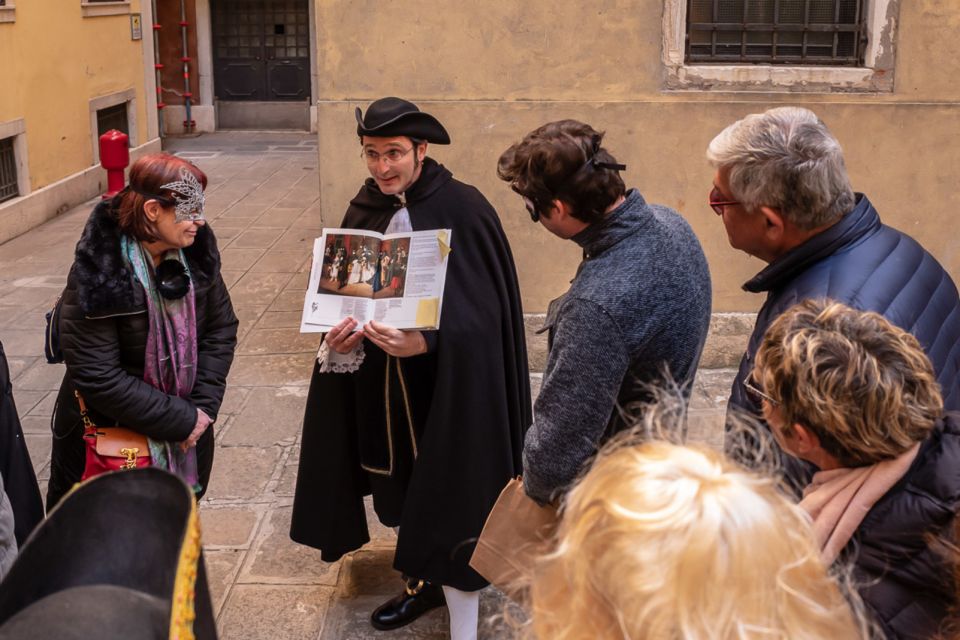
- A guide in Carnival costume sets the tone from the first minute
- Casanova’s Venice route links the story to streets in and around San Samuele
- Mask history and mask-making gives you more than pretty pictures
- Backstreets and side areas beyond the usual main-channel view
- A warm café stop with cappuccino and Carnival frittelle near St Mark’s
Why Casanova + Venice Carnival Works Better Than Usual Sightseeing
Venice at Carnival time is already theatrical. What makes this tour feel different is that it gives you a role to play: you’re walking in Casanova’s footsteps, not just following a map. You start with stories about a man famous for charm and trouble, and those stories fit naturally with how Carnival worked—disguise, permission to be bold, and a kind of social permission slip that only lasts for a season.
Casanova’s life also gives the tour a clear thread. You hear how he grew up in Venice (including the San Samuele area) and how his path crossed places where status, flirtation, and risk all mixed. That makes even ordinary-looking alleys feel loaded with meaning, because your guide keeps tying each stop back to a moment in his world.
I especially like that the tour connects masks to function. Masks were not just decoration. They helped hide identity, so Carnival could turn social rules upside down. When you understand that, 17th-century costume talk lands harder, and you notice details you’d otherwise skip.
You can also read our reviews of more tours and experiences in Venice.
Meeting at La Fenice: Getting Oriented in the Right Neighborhood
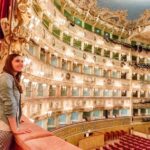
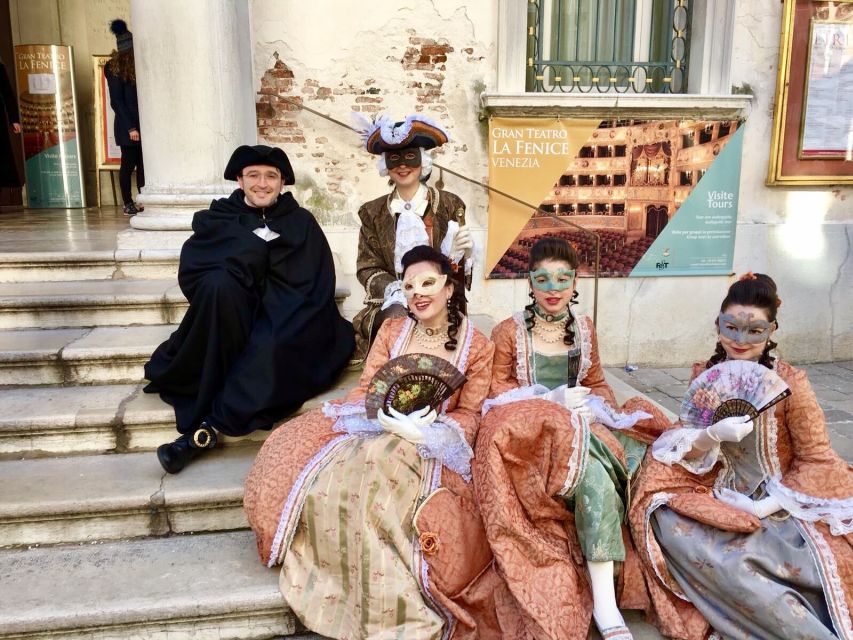
You start at Teatro La Fenice, in Campo della Fenice, in front of the opera house. If you’re coming from St Mark’s Square, the route is pretty specific and helpful. You pass under arches near the Correr museum, head via salisaza san Moisè, continue to the bridge in front of the hotel Bauer, then you end up on calle larga XXII Marzo. From there, you take the second right onto calle della Vesta, cross a small bridge, and the well in Campo della Fenice is about 50 yards ahead.
Why this meeting point matters: La Fenice sits in a practical zone where you can get a feel for Venice’s street logic quickly. It also makes the tour easier on you mentally—once you’re oriented, the rest of the wander feels less like aimless wandering and more like following a guided path.
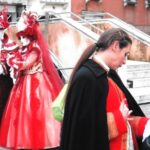
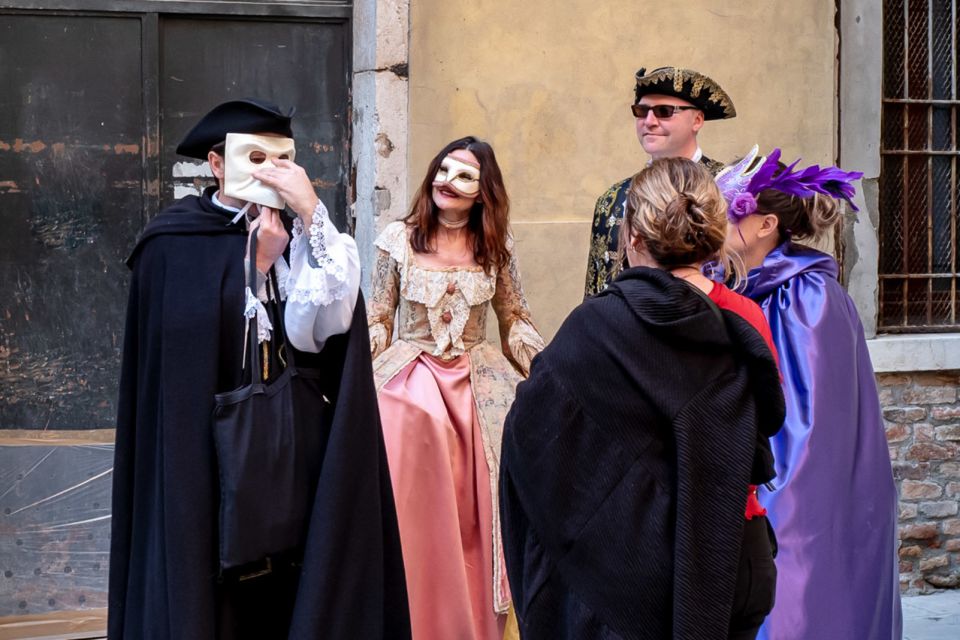
Another practical plus: the guide dresses for the occasion. That means you don’t just have a lecture on Venice Carnival. You get a street-performance vibe from the start, and it helps kids-in-adults and history-nerds alike stay engaged.
The First Walk: 18th-Century Carnival Mood, Without the Loud Tourist Rush
The tour’s early segment is about setting the scene. Your guide talks about Venice Carnival then and now, and you’ll hear why the tradition evolved into the kind of spectacle people associate with the city today. You’ll learn how Carnival costumes and mask culture created anonymity, and how that anonymity changed what people dared to do.
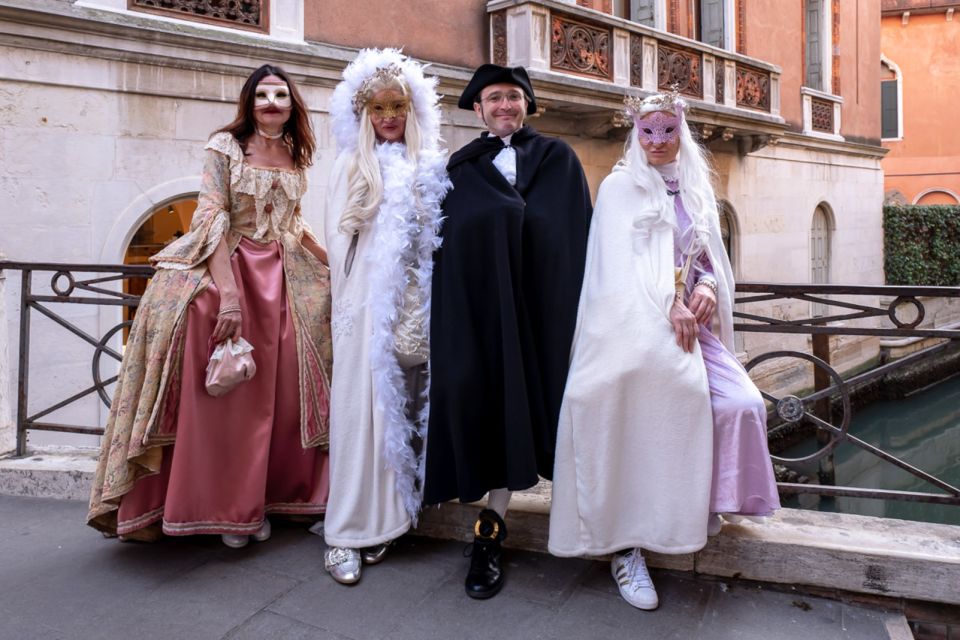
You also get a taste of what the guide is going for: history with theater. You’ll see references to elegant costumes from the 17th century, and you’ll hear about luxurious outfits tied to Grand Balls held in private palaces. Even when you’re not walking into a palace, you still get the idea of how Carnival worked like a social circuit—where appearance carried power.
This is where the guide’s personality matters a lot. In the groups this tour has run, names like Sergio (also called The Swiss), Dennis, and Lorenzo show up in the kind of reviews you’d hope for: funny, focused, and able to keep a group moving. That’s not a small thing, because you’re in Venice’s tight streets. If the guide loses the crowd early, the whole tone gets messy.
Casanova’s Venice Streets: From San Samuele to the Poet Giorgio Baffo
One of the tour’s strongest draws is the sense of place: you’re walking through alleys (calle) connected to Casanova’s life. Your guide explains that Casanova was born in Venice and grew up around San Samuele. Then you follow the lanes that pass his home area—small turns, narrow ways, the Venice you actually need to know.
You also hear about Giorgio Baffo, a poet who helped introduce the young Casanova to worldly pleasures. That connection matters because it shows Casanova wasn’t only a lone wild character. His world was made by artists, writers, and social networks where attention and reputation moved fast.
You’ll also hear how Casanova moved between settings: lovers and adventures, yes—but also structures of power. Your guide talks about him as a Freemason and as someone connected to established institutions, not only to street-level romance. That broader picture makes his story feel less like a myth and more like a person shaped by Venice’s rules and opportunities.
Practical tip for you: keep close during this section. The streets are beautiful, but they’re also easy to get distracted by. One review problem that comes up on group walks is people wandering off, so I’d treat this segment like a museum tour—stay with the guide, even if you’re tempted to peek at a shop window.
Mask-Making and Why Disguise Changed Everything
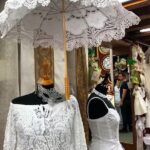
Carnival masks can look like art first. This tour makes you see them as technology—social technology. You learn why masks were used to hide identity and how that let people shift behavior without everyone knowing exactly who was who.
Then comes the practical part: you’ll learn about how traditional masks are made. The aim here isn’t turning you into a craftsman. It’s giving you context so that when you see masks later (in the street, in shops, or on parade days), you understand what you’re looking at: materials, process, and the purpose behind the design choices.
This is also one of the best parts of the tour for photos, but in a smart way. If you know what masks are for, you stop treating them as props and start seeing them as part of the Carnival system. That makes your pictures feel more like a story and less like random costume snapshots.

Palazzo Contarini del Bovolo and Campo Santo Stefano: The Venice That Feels Lived-In
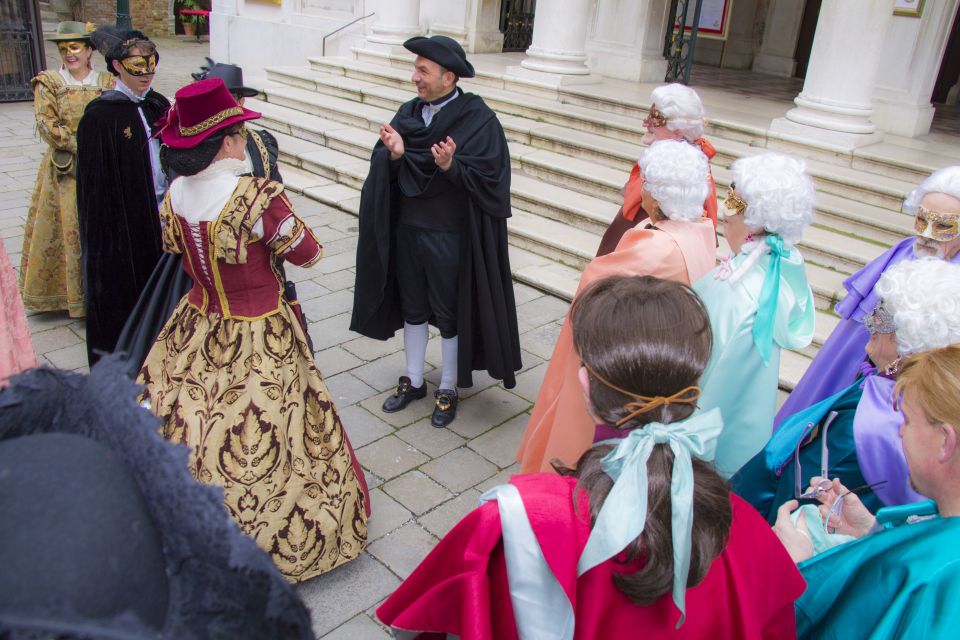
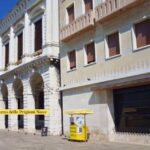
The walk includes a stop at Palazzo Contarini del Bovolo, a building your guide uses to bring the story into physical form. You’ll connect the architecture and setting to the Carnival vibe and to the kind of social life Casanova would have been drawn to—one where public display and private access often lived side by side.
You also visit Campo Santo Stefano, which helps you see that Venice is more than a straight line from major landmark to major landmark. Campo spaces are where locals’ daily life and Venice’s human scale show up. For this tour, it’s a useful contrast: while you’re learning about luxury costumes and Grand Balls, you’re also walking through the kind of area where people lived, traveled, and interacted on a smaller scale.
One thing to keep in mind: these segments can involve standing and waiting for the guide to talk. In bad weather (or with a large group), that can get tiring. If you’re traveling with seniors or anyone sensitive to noise and cold, I’d plan to bring layers and expect you may need to lean in a bit to hear.
Ridotto and Courtesans: The Social Engine Behind the Party
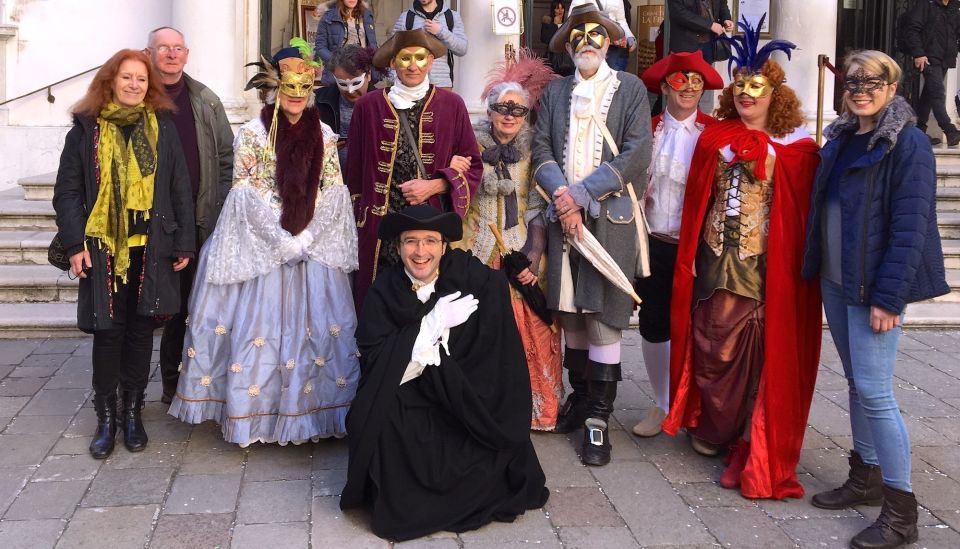
Casanova’s story is closely linked to nightlife. Your guide brings that to life through the Ridotto, described as the first casino in Venice. You’ll hear that this is where Casanova met the Venetian aristocracy—people who set trends, ran social circles, and helped define what counted as acceptable boldness.
The tour also covers courtesans and the role they played in keeping Venice lively. This part works well because it adds realism. Carnival isn’t just masks and music. It’s also a time when different social roles collide, and where commerce, flirtation, and art all interact.
If you like your history tied to people instead of dates, this is where the tour shines. It explains the social engine behind the performance, so the Carnival atmosphere stops feeling random.
The Finale at Le Café Venezia: Cappuccino and Frittelle When You Need It
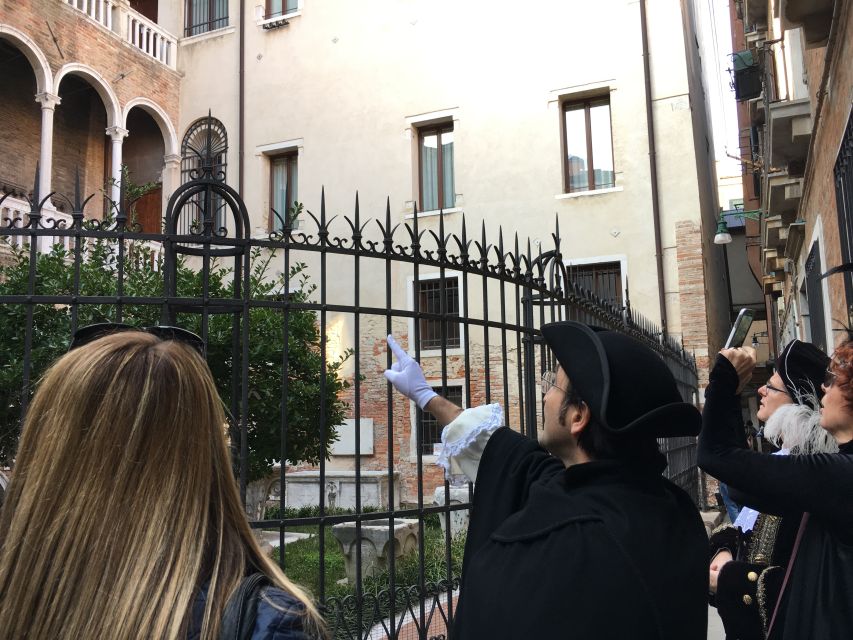
The tour ends at Le Café Venezia, about a 10-minute walk from St Mark’s Square. After time on foot, this finish feels practical, not just a bonus.
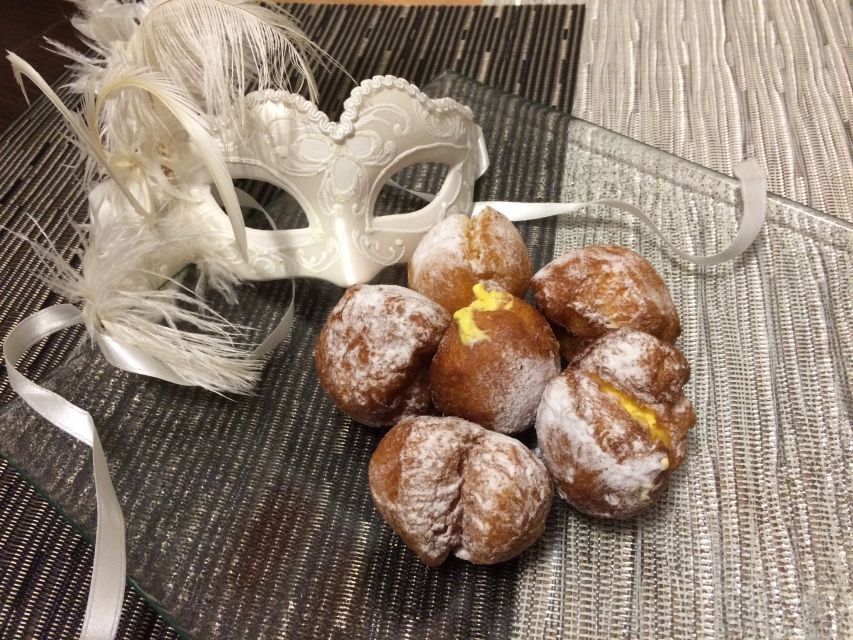
You’ll have a hot cappuccino and a Venetian Carnival cake called frittelle. The tour describes frittelle as something made only during the Carnival period, which makes it more than a generic snack stop. It’s also a smart pacing choice: you finish storytelling with something warm, so you leave still energized instead of freezing and zoning out.
I like that the guide often stays friendly at the café stop. You’re not rushed out right away, so you can ask follow-up questions about what you just learned—especially if you want the extra context that walking tours can only lightly touch.
Price and Value: Is $88 Worth It?
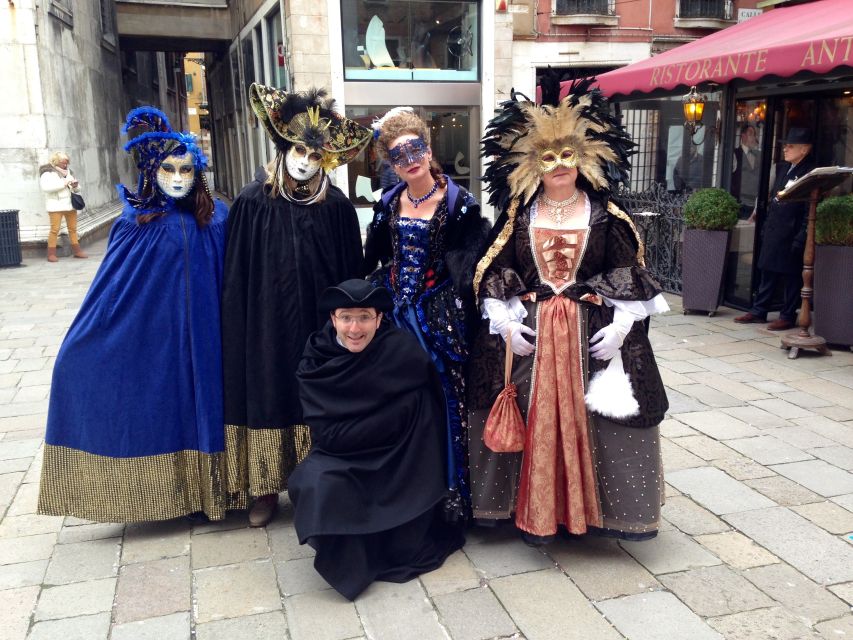
At $88 per person for around a 2-hour experience, the value depends on what you want from Venice.
Here’s what you’re paying for, in real terms:
- A guided route that ties together Casanova, Venice Carnival, and mask culture
- A guide dressed in Carnival costume, using story to connect stops
- An included warm drink and dessert: cappuccino + frittelle
- The chance to move through backstreet areas with context, not just without context
If you would otherwise spend time doing separate activities—like a museum visit plus a food stop plus a guided history chat—this bundling can make sense. It’s not trying to replace a big-ticket cultural day. It’s trying to give you a focused dose of Venice’s Carnival “why,” delivered in a walk you can actually fit into your schedule.
A balance point: if you hate standing around in groups, or if you’re sensitive to hearing in busy streets, the format might feel less satisfying than the price suggests. One review noted that the group was too large for clear hearing when it was cold and rainy. So I’d read “value” here as story + orientation + snack, not quiet, small-group comfort.
Logistics and Comfort: Walking Pace, Hearing, and Staying Together
This is not a sit-down tour. It’s a walking experience through Venice’s tight lanes, with standing for talking. That matters because your enjoyment hinges on staying close to the guide and being able to hear the story.
A couple practical considerations I’d plan for:
- Weather: Carnival season can mean chilly conditions. If it’s raining, umbrellas can block sightlines and muffle voices. Bringing a hooded layer helps more than you’d think.
- Group behavior: In any city-street walk, people get distracted. Keep an eye on where the group is heading. If you get separated, it’s hard to rejoin because Venice is all turns.
- Hearing: On crowded days, the guide’s voice can get swallowed by streets and chatter. If you know you struggle with hearing outdoors, you might want to bring your own listening solution (if you use one) or stand closer.
Also note: oversize luggage isn’t allowed, and it’s not suitable for wheelchair users. If you need step-free travel, you’ll want to choose another option.
Should You Book This Casanova and Carnival Tour?
If you’re the kind of traveler who likes your sightseeing tied to people and details—Casanova stories, Carnival mask tradition, and why Venice’s disguise culture mattered—then yes, I think this is a smart buy. It mixes street-level atmosphere with practical context, and the cappuccino + frittelle ending is exactly the kind of Venice moment that makes the day feel complete.
Skip it if you want a quiet, slow, small-group walk, or if your group needs low-noise conditions. And if you’re traveling with accessibility needs (wheelchair users), this one isn’t a match.
My rule of thumb: book it when you want to understand Carnival fast, walk through real lanes, and leave with both warm food in your stomach and a stronger sense of what Venice Carnival was doing under all those masks.
FAQ
How long is the Secrets of Venice Carnival and Life of Casanova tour?
The tour lasts about 2 hours.
Where do I meet the guide?
Meet in Campo della Fenice in front of Teatro La Fenice. Look for the guide with the tour sign.
What’s included in the price?
You get an English-speaking guide (dressed in a Carnival costume) and a cappuccino and frittella in a local coffee shop.
Is the tour in English?
Yes, the guide speaks English.
What does the tour cover?
You’ll learn about Casanova’s life in Venice and Venice Carnival traditions, including masks, costume styles, and how masks are made.
Where does the tour end?
It ends at Le Café Venezia, about a 10-minute walk from St Mark’s Square.
Can I come in a Carnival costume or with a mask?
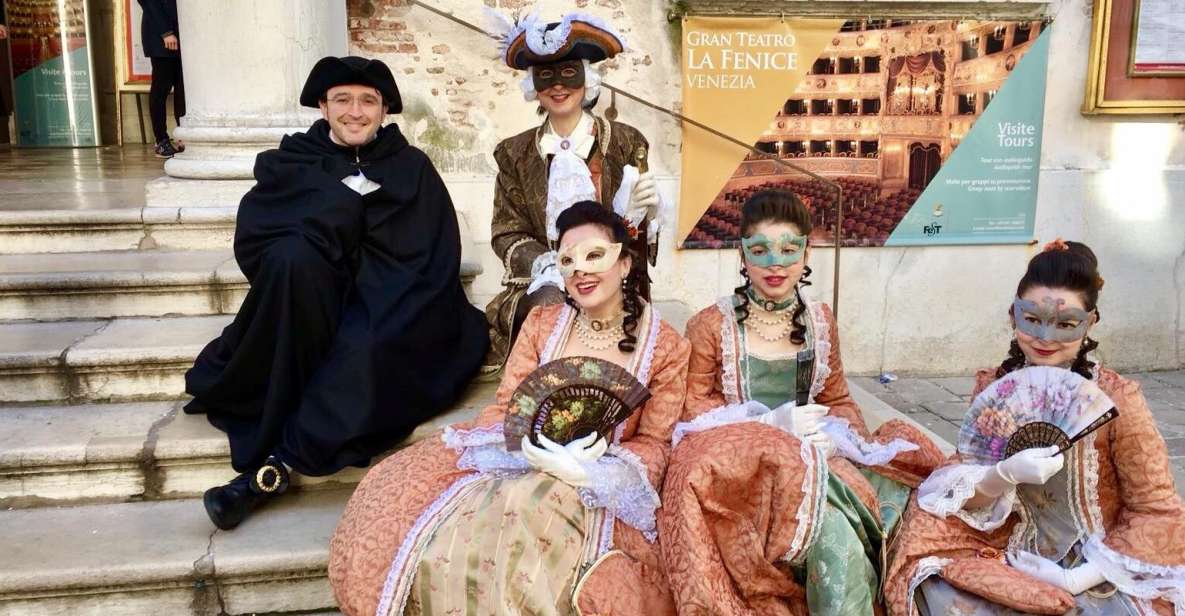
Yes. The tour notes that wearing Carnival costume, or a cape with a mask, is encouraged and fun for photos.
Is the tour wheelchair accessible?
No, it’s not suitable for wheelchair users.
What is the cancellation policy?
You can cancel up to 24 hours in advance for a full refund.
Can I bring oversize luggage?
Oversize luggage is not allowed.