Venice can be chaos without a plan. This private Biennale 2026 tour turns the art fair into a clear route, with a contemporary architecture lens and national pavilions you can actually make sense of.
I love that you get a professional art historian guiding you through the most interesting exhibitions, not just a walk-and-point session. You also get context for what you’re looking at across the Biennale grounds, where the event spreads into both the Giardini and Arsenale areas.
One drawback: the tour is largely outdoors, and heat can hit hard in summer. In the hotter months, I’d plan for short breaks and water, because even a great guide can’t change the weather.
In This Review
- Key takeaways for Biennale 2026, In Minor Key
- Why Biennale 2026 feels different when you have a guide
- The contemporary architecture angle (and why it helps you see more)
- Meeting at the Giardini: starting where the Biennale story begins
- National pavilions at Giardini: what you’ll look for during the first stretch
- Arsenale and the bigger Biennale setting: seeing the fair as a whole
- The art itself: 300 international artists and what the tour will emphasize
- Price and logistics: what $72.10 really buys you
- Comfort tips for Venice heat (based on real-world experience)
- The guide experience: why the right person changes everything
- Who should book this private Biennale tour?
- Should you book Private Tour Biennale 2026: In Minor Key?
- FAQ
- How long is the Biennale 2026 private tour?
- What is included in the tour price?
- Is the Biennale entrance ticket included?
- Where does the tour meet?
- What language is the tour offered in?
- What happens if I need to cancel?
Key takeaways for Biennale 2026, In Minor Key
- Private guide: a professional art historian specialized in contemporary architecture
- 300 international artists in competition: you’ll focus on what matters most
- National pavilions at the Biennale sites, with direction instead of aimless wandering
- Giardini start point at Calle Giazzo, so you begin in the right place
- Admission ticket extra: €30 entry is not included in the tour price
Why Biennale 2026 feels different when you have a guide
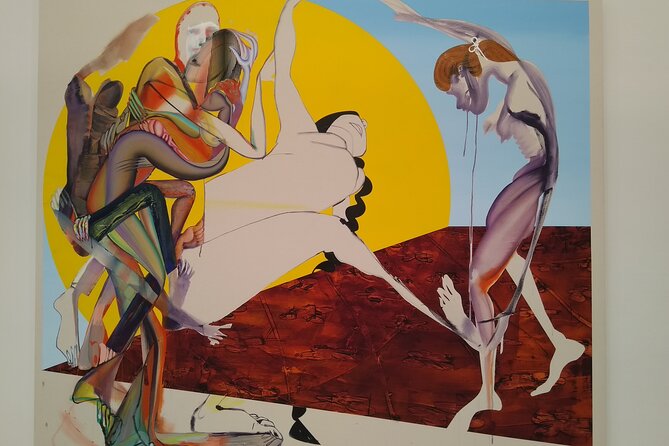
Biennale is big. Not just in size, but in energy and noise. You can burn time wandering, then leave with a head full of images and no real understanding. A structured private tour helps you slow down just enough to connect the dots.
This experience is built for people who want more than headlines. You’re looking at a leading contemporary art event in Venice, and you get guided insight into the Biennale’s most innovative exhibitions. That matters because the Biennale can feel like a thousand separate worlds unless someone helps you see the logic between them.
And I like the tone of the approach: it’s not only about what’s on the wall. It’s also about why these pavilions and spaces are placed where they are, and how architecture shapes your view.
You can also read our reviews of more private tours in Venice

The contemporary architecture angle (and why it helps you see more)
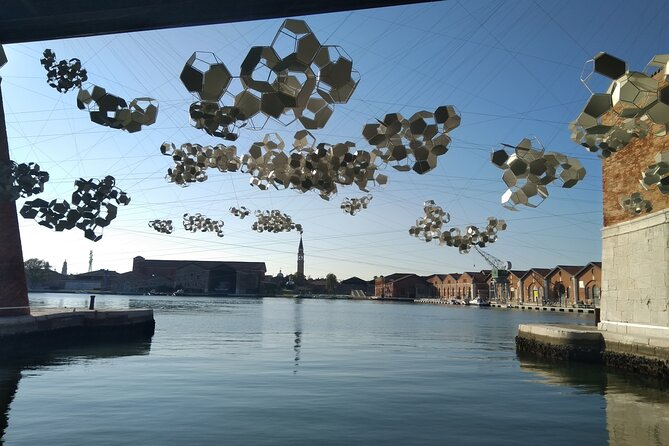
The tour is led by a professional guide/art historian specialized in contemporary architecture. That’s not a throwaway detail. When you connect contemporary art to building design, you start noticing things you would miss on your own.
You’ll be guided through the Biennale Architecture focus tied to the 2025 season while visiting the main national pavilions. Even if you’re there for 2026, the architecture thread is useful because it gives you a framework. You’ll recognize how the same event uses different spaces to produce different kinds of viewing—some areas feel formal and ceremonial, others feel more experimental.
I also like the balance this creates. You’re not just chasing famous names or the loudest installations. You’re learning how to look: composition, placement, and the way visitors move through a pavilion can change your interpretation fast.
If you’ve ever felt lost at a contemporary art show, this architecture-first lens gives you handles you can grip.
Meeting at the Giardini: starting where the Biennale story begins
Your tour starts at Giardini della Biennale, Calle Giazzo, 30122 Venezia VE, Italy. Starting here matters because the Giardini is a natural entry point for the Biennale’s national pavilion layout. It’s where many visitors first get their bearings.
The experience is also listed as near public transportation. That’s a practical win in Venice, where getting across town efficiently can be a bigger deal than it is in most cities.
Timing is tight enough to be satisfying. You’re in the tour for about 1 hour 45 minutes (approx.), which is long enough for real conversation, but not so long that you spend the whole day in lines and transfers.
National pavilions at Giardini: what you’ll look for during the first stretch
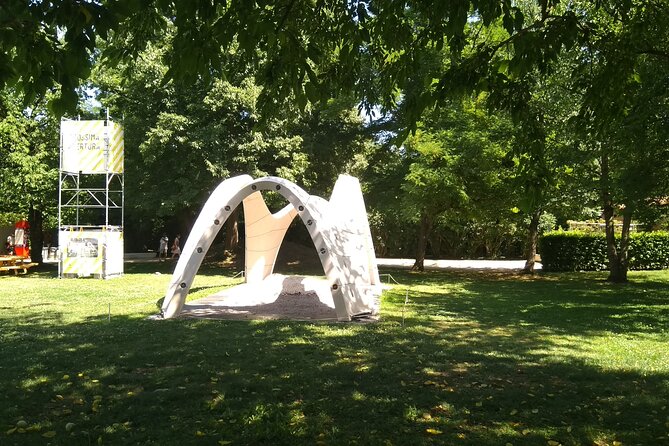
At the Giardini, you’ll focus on the Biennale Architecture 2025 thread and the main national pavilions. This is the part where I think first-time Biennale visitors benefit most: it’s the clearest way to understand how the event builds a map of international voices.
National pavilions can look confusing at first, because each country presents work with its own tone and pacing. A guided route helps you avoid the common mistake of treating each pavilion like an island. Instead, you’ll get a sense of how themes and presentation styles echo across the fair.
Here’s what I’d pay attention to as you move: the way the pavilion’s layout guides your movement, the scale of the work relative to the room, and how lighting and sightlines change what you notice first. Your guide’s architecture background should make those details easier to spot.
And yes—Giardini pavilions can attract crowds. A private tour helps because you’re not relying on luck to find good sightlines.
Arsenale and the bigger Biennale setting: seeing the fair as a whole
The highlights mention exploring national pavilions across the Biennale venues, including Giardini and Arsenale. That bigger picture matters. If you only see one zone, you miss part of what makes the Biennale feel like Venice plus a global art event.
Arsenale has a different atmosphere. It tends to feel more industrial and open, and that affects how art lands on you. Even without making huge assumptions, I’d expect the guide to help you connect what you’ve seen in the Giardini to what you encounter in the other area—how space changes the viewing experience.
If you’re short on time and still want the feeling of a full Biennale day, a route that spans multiple venues is the right move. You get variety without turning the trip into an all-day marathon.




The art itself: 300 international artists and what the tour will emphasize
One of the tour’s core promises is guided insight into the Biennale’s most innovative exhibitions, with works from 300 international artists in competition. That’s a lot of material. Without a guide, you’d likely end up picking whatever you stumble into.
With this tour, you’re not just collecting impressions. You’re getting help choosing what to focus on, so the event doesn’t blur together.
I like this structure for a simple reason: contemporary art rewards attention. If you’re shown how to approach what you’re seeing—how to read materials, context, and presentation—you can leave with a stronger sense of the exhibition’s intent.
Also, because it’s a private experience, you can ask more direct questions in the moment. If something feels confusing, you can steer the conversation toward what you actually want to understand.
Price and logistics: what $72.10 really buys you
The price is $72.10 per person, with the tour lasting about 1 hour 45 minutes. That fee covers a professional guide/art historian specialized in contemporary architecture, delivered as a private experience (only your group participates).
The big extra cost to plan for is the entrance ticket: €30 for Biennale admission. The ticket is not included, but you can book it online or at the tickets office at Biennale Venezia.
So how do you judge value? For me, this is worth it if you want to avoid wasting your limited time on a giant event. Paying for a guide makes sense when the alternative is wandering, guessing, and hoping you catch the best stuff. If you’re the type who enjoys slow, independent museum time, you might find you prefer a self-guided route—just know it can take longer to get oriented.
Also, the tour uses a mobile ticket, which is a convenience in a city where you’ll be using your phone anyway.
Comfort tips for Venice heat (based on real-world experience)
Venice can be brutal in high summer. One review notes that the guide was great and the tour was interesting, but the heat was too much for that time of year. The guide’s response also mentioned that usually September isn’t as warm—so seasonal timing can matter.
If you’re traveling during warmer months, I’d treat this like an outdoor walking tour. Wear breathable layers, bring water, and take a short breather when you can. You don’t need to change your whole itinerary—just respect that the Biennale grounds can mean sun on stone and long stretches on your feet.
Even the best art explanation can feel hard to enjoy when you’re overheated. Plan to start early in the day if your schedule allows, and keep your expectations flexible.
The guide experience: why the right person changes everything
This kind of tour works best when the guide can translate contemporary art into something you can actually see. That’s exactly what people praise: a guide who is very knowledgeable in the subject and strong at explaining contemporary architecture and presentation choices.
One named guide connected to this experience is Fiorella Pagotto (veniceartguide.it), who received high praise for being brilliant and very knowledgeable, with people recommending her as the best way to see the Biennale Arte.
I can’t promise which guide you’ll get. But the fact that the experience is led by a specialist in contemporary architecture is a good sign. It usually means you won’t get vague commentary. You’ll get practical ways to read what’s in front of you.
Who should book this private Biennale tour?
I think this tour fits best if you:
- Want a guided route for a huge contemporary art event without spending hours planning
- Care about how architecture and space affect what you see
- Prefer a private setting where you can ask questions instead of following a loud group
- Have limited time in Venice and want national pavilions with direction
It’s also a strong match if you’re attending the Biennale for the first time and you don’t want to rely on luck. With 300 artists competing, you’ll feel better when you’re guided toward the most innovative exhibitions rather than trying to consume everything.
Should you book Private Tour Biennale 2026: In Minor Key?
Book it if you value structure. The combination of a private guide, an architecture-focused approach, and a route that supports the Giardini and Arsenale areas is a smart way to compress a big Biennale into a shorter, clearer experience.
Skip it or consider a different format if you’re the type who wants to wander slowly, on your own schedule, without time pressure. Also, if you’re traveling during peak heat, go in with a realistic plan for comfort.
If you do book, I’d treat the €30 admission ticket as part of your planning from day one. Get that secured so your tour time stays smooth and you can focus on art instead of logistics.
FAQ
How long is the Biennale 2026 private tour?
It runs for about 1 hour 45 minutes (approx.).
What is included in the tour price?
The tour includes a professional guide/art historian specialized in contemporary architecture.
Is the Biennale entrance ticket included?
No. The entrance ticket is €30 and can be booked online onsite of Biennale Venezia or purchased at the tickets office.
Where does the tour meet?
The meeting point is Giardini della Biennale, Calle Giazzo, 30122 Venezia VE, Italy. The tour ends back at the meeting point.
What language is the tour offered in?
The tour is offered in English.
What happens if I need to cancel?
The experience is non-refundable and cannot be changed for any reason. If you cancel or ask for an amendment, the amount you paid will not be refunded.