REVIEW · VENICE
Immersive Beauty: A Tailored Private Tour of the Doge’s Palace
Book on Viator →Operated by deTourist Venice Valerio Coppo · Bookable on Viator
Venice can be overwhelming fast. This private Doge’s Palace tour turns the chaos into a clear route, with skip-the-line entry and a guide who explains what you’re actually looking at. You start in St. Mark’s area, then move room by room through the palace where art, politics, and punishment all lived side by side.
What I like most is the tailored pacing. You can steer the conversation toward what interests you, and the guide weaves it into the buildings so the palace doesn’t feel like a list of rooms. I also like the focus on the high-impact spaces, from the big staircases to the political chambers where Venetian decisions were made.
One thing to consider: entrance tickets aren’t included in the price. You’ll want to plan for that add-on before you go, so the “private” part stays private and not stressful.
In This Review
- Key things that make this tour work
- Why this private Doge’s Palace tour feels different than the big groups
- Meeting at Caffè Florian: the calm start in the middle of the crowd
- Piazza San Marco first: how the square sets up the palace
- Scala dei Giganti and the courtyard drama up close
- The Loggia views and the Golden Staircase: where power looks outward
- Atrio Quadrato and the Four Doors Room: politics in physical form
- Anticollegio and the Collegio: how the Republic made decisions
- Sala della Bussola: justice, secrecy, and anonymous accusations
- Art rooms that keep the story human: Guariento and the Picture Gallery
- Sala del Maggior Consiglio and Sala dello Scrutinio: election drama in big rooms
- Bridge of Sighs and the New Prisons: ending with the darker side
- What you should do before you go to get more out of it
- Price and value: what you’re really paying for
- Should you book this private Doge’s Palace tour
- FAQ
- Do I need an entrance ticket for the Doge’s Palace?
- How long is the tour?
- Is this tour private?
- What language is the tour offered in?
- Where do we meet?
- Is there skip-the-line help included?
- Do they use a mobile ticket?
- Are service animals allowed?
- Is it suitable for most travelers?
Key things that make this tour work
- Fast-track start that helps you get inside with less time in queues.
- St. Mark’s Square intro so the palace makes more sense right away.
- Room-by-room context that links architecture to power and justice.
- Hidden-corner style storytelling that goes beyond the usual highlights.
- A licensed guide who adapts the explanation to your group, including families.
- Ends right back at the meeting area, so it’s easy to keep exploring on your own.
Why this private Doge’s Palace tour feels different than the big groups
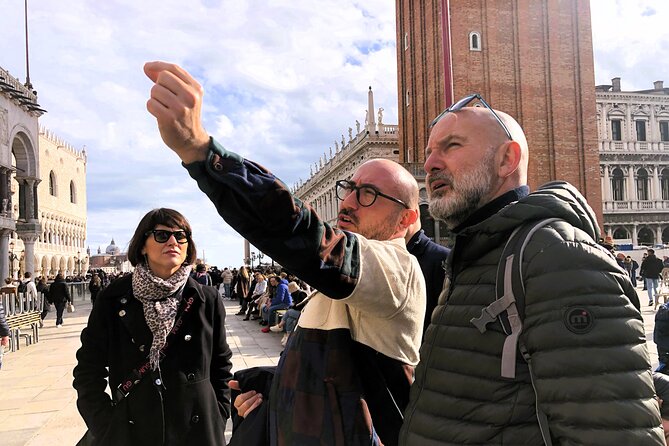
The Doge’s Palace is famous, but it’s also easy to experience badly. Big groups shuffle, people stare at ceilings without context, and you end up spending more time waiting than seeing. This tour is designed to keep you moving with purpose, starting at St. Mark’s Square and flowing into the palace.
The price works best when you care about understanding, not just checking a box. At about 2 hours and private for your group, you’re paying for time with a licensed guide plus help getting in faster. Since the entrance ticket to the palace is not included, you’ll get the most value if you already plan to visit the palace anyway.
Also, the pacing is the quiet superpower here. The tour is built around multiple key stops, so you don’t miss the stairs, the chambers, and the justice spaces. And if you have specific interests—art, architecture, politics, or darker stories—you can steer the talk.
You can also read our reviews of more private tours in Venice
Meeting at Caffè Florian: the calm start in the middle of the crowd
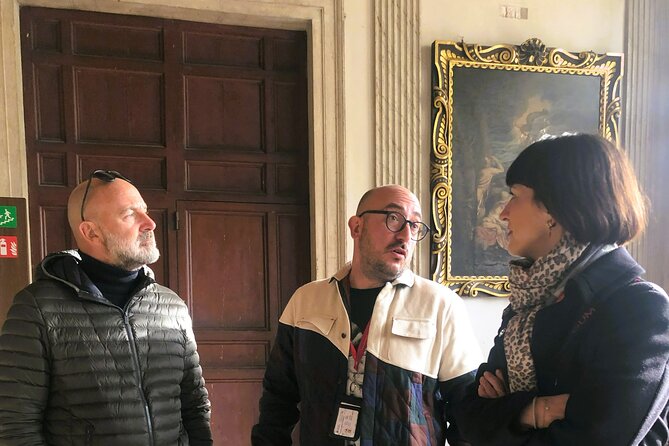
You begin at Caffè Florian, right in Piazza San Marco. That location matters because you’re already in the palace’s front yard, not wandering around later trying to figure out where to go. The tour ends back at the same meeting point, which is handy if you want to grab coffee or keep moving through the square afterward.
The other practical win: you get mobile ticket support and assistance with skip-the-line tickets at the best possible rate. That doesn’t mean you never queue—Venice still queues—but it usually means you spend less time stuck and more time inside the places that make this tour special.
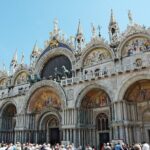
Piazza San Marco first: how the square sets up the palace
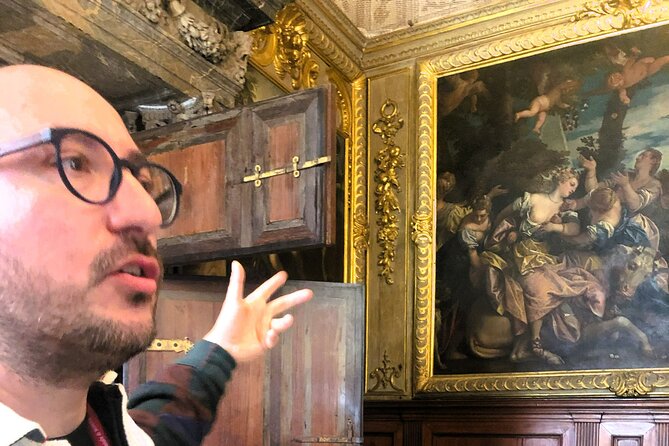
Stop one is St. Mark’s Square, and it’s not just a warm-up photo stop. Your guide explains why this square became the public stage for power, ceremonies, and civic life. You’ll see the landmarks, but you’ll also get the meaning of them—how architecture and public space supported Venice’s image.
This is also where you can get your bearings fast. If you’ve never been to Venice before, the square can feel like a movie set. The guide helps you read it like a map: here’s what the palace is doing in relation to the city, and why you’re about to walk through rooms tied to authority.
This stop is quick and practical, with admission listed as free. You’re not losing tour time here; you’re gaining context.
Scala dei Giganti and the courtyard drama up close
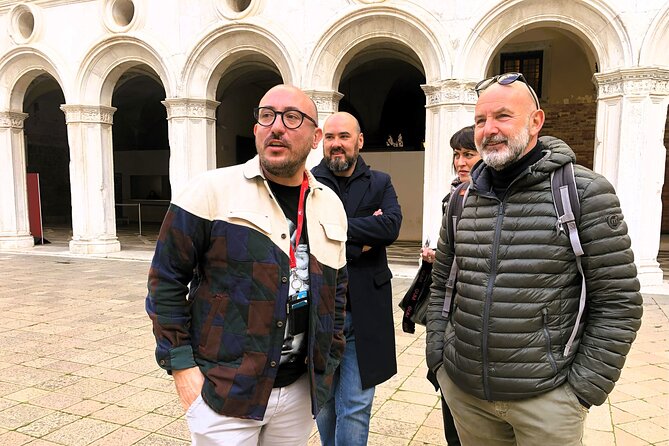
Once you enter the palace, you’re welcomed by the internal courtyard grandeur and the Scala dei Giganti. This is one of those spaces where you can feel the message without needing a lecture. The staircase is decorated with symbols and sculpture work that reflect the authority of Venetian rulers, not just a fancy design choice.
What’s valuable here is how the guide connects the art to political meaning. You’re not only looking at ornaments; you’re learning what the palace wanted people to believe about leadership. If you like symbolism, this stop is a big payoff.
Admission for this area is noted as not included, so you’ll want your palace entrance ticket handled properly in advance. The tour’s skip-the-line help is meant to keep you from wasting energy on paperwork and queues.
The Loggia views and the Golden Staircase: where power looks outward
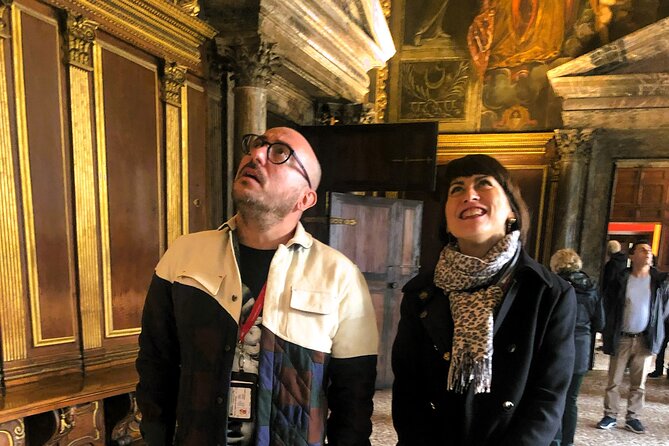
Next comes the Loggia space, with arches and views toward St. Mark’s Basilica and the square below. This is a great moment to pause mentally. The palace wasn’t built to be hidden. It was built to be seen, to project control, and to frame public life.
Then you move up the Scala d’Oro, the Golden Staircase. It’s opulent on purpose. The guide explains the artistic and historical elements so you understand why it’s such a statement stair, not just why it’s pretty.
If you’re sensitive to sensory overload, you might want a couple of slow breaths here. The palace layers details quickly. That’s why having a guide matters: they help you decide what to notice first, so your brain doesn’t drown.





Atrio Quadrato and the Four Doors Room: politics in physical form
Inside, the tour keeps moving through spaces that show how governance worked in real life. The Atrio Quadrato (square-shaped atrium) is about function as much as beauty. Your guide explains its role in daily palace life, so it stops feeling like an empty hallway and starts feeling like an engine.
Then you reach the Sala delle Quattro Porte (the four doors room). This room is steeped in political history, with intricate artwork that supports the stories being told. You’ll hear about decisions and diplomatic affairs tied to how Venice ran itself.
This part is for you if you like structure: not just who ruled, but how rooms were used to manage political life. The guide’s job here is to make the palace feel like a system, not a museum display.
Anticollegio and the Collegio: how the Republic made decisions
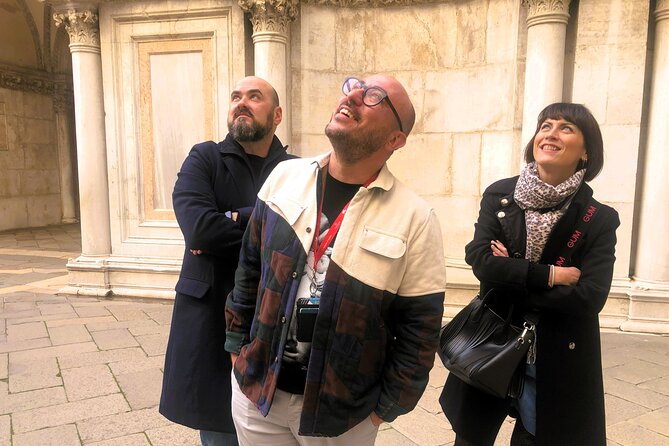
The Sala dell’Anticollegio serves as an antechamber to the main political spaces. Expect famous names and painted masterpieces mentioned in the tour route, including works associated with Tintoretto and Veronese. The guide uses this artwork to connect politics to culture—because in Venice, art and government weren’t separate worlds.
Then you move into the Sala del Collegio, the Council Chamber area at the core of decision-making. This is where the drama becomes concrete. You’ll learn how political events played out in that room and why the palace mattered so much for Venice’s future.
The next stretch continues the theme in a logical order: you’ll see where the Senate met, then move to the Chamber of the Council of Ten (Consiglio dei Dieci). The guide explains the political structure of the Venetian Republic and what it meant for stability and order.
If you’re thinking, Will I get lost in names and councils? That’s exactly what the guide prevents. Instead of forcing you to memorize titles, they tie each chamber to a practical role in governance.
Sala della Bussola: justice, secrecy, and anonymous accusations
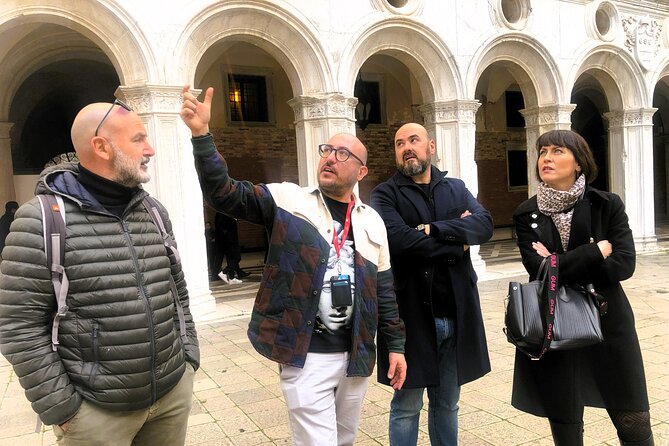
One of the most striking stops is the Compass Room (Sala della Bussola). This room gets its name from a small window where anonymous accusations could be submitted. Your guide explains how this system worked and why it mattered to justice and political control.
This is where the tour earns its emotional weight. Venice’s justice was complicated: it tried to protect the state while also dealing with fear, rumor, and power struggles. You don’t just hear the story. You stand in a room that was built for that exact process.
Then you move into the Armeria (Armoury), and the tone shifts from justice to force. You’ll learn how the Venetian Republic thought about military strength and maritime defense, with the guide connecting battles and alliances to the palace’s broader role.
After that, the tour heads to the Sala della Quarantia Civil Vecchia, a justice system room tied to legal frameworks. For me, this is the best section for turning the palace from “pretty rooms” into “how the machine worked.”
Art rooms that keep the story human: Guariento and the Picture Gallery
Between chambers and punishment, you get cultural anchors. The Sala del Guariento is focused on artwork, with the guide highlighting artistic achievements during Venice’s golden age. Even if you’re not an art-history person, this helps you see why the palace was also a pride project.
Then the tour moves to the Quadreria (Picture Gallery). You’ll view a collection of masterpieces and get explanations that tie the paintings back to Venetian life. This is one of those stops where your attention improves because you understand the connection the guide is making.
If your group includes kids or non-museum people, art rooms often act like a reset button. In the reviews, I saw examples of the guide adjusting the talk for children while still keeping the grown-ups engaged. That flexibility is a real plus.
Sala del Maggior Consiglio and Sala dello Scrutinio: election drama in big rooms
Next is the Sala del Maggior Consiglio, listed as the largest chamber in the palace. This is where grand assemblies happened, and the guide explains the democratic principles that shaped Venetian political life. You’ll feel the scale when you’re inside—big room, big decisions.
Then you continue to the Sala dello Scrutinio. This room gets into elections, voting processes, and the workings of the Venetian electoral system. If you’re the kind of person who likes “how it actually works,” this is your stop.
The tour keeps these political topics from getting abstract by walking you through what each space was used for. That’s also why it stays engaging for about two hours instead of turning into a lecture marathon.
Bridge of Sighs and the New Prisons: ending with the darker side
You finish the big palace loop with Ponte dei Sospiri (Bridge of Sighs). Your guide shares stories about prisoners who crossed it, along with the blend of romantic legend and historical reality around the bridge. It’s the kind of stop that changes your understanding of everything before it.
Then you head to Palazzo Delle Prigioni Nuove (New Prisons). These spaces show the darker side of Venetian justice. Your guide explains the prison system, the prisoners, and the judicial processes behind detention.
This ending matters because it brings a theme together. You’ve already seen councils, councils that protected order, and justice spaces built for the system. Seeing the prisons makes the whole story feel real.
What you should do before you go to get more out of it
To get the most value, think about your goal for the palace visit. If you want quick highlights, you could do the palace on your own. But if you want the “why,” the guide’s job is exactly that: connecting art and architecture to power, decisions, and consequences.
Before your tour, decide what you care about most:
- politics and how Venice governed itself
- art and what it was used to say
- the justice system, including anonymous accusations and prisons
Also, wear shoes you can walk in. This is a lot of interior movement in a short time. You’ll spend more effort on stairs and transitions than you might expect.
And if your group is mixed—adults plus kids—this tour can handle it. The guide is used to adjusting the story so children and adults both stay interested.
Price and value: what you’re really paying for
At $185.43 per person for about 2 hours, you’re paying for a licensed guide, private time, and practical help with skip-the-line entry. The entrance ticket to the Doge’s Palace is not included, so the all-in cost will be higher once you add it.
I think this is good value if:
- you hate waiting in crowds
- you want a coherent route through major rooms
- you want context, not just sight-seeing
- you want flexibility to steer what the guide emphasizes
If you’re mainly there for photos and you don’t care about political or justice context, a cheaper option might fit. But if you want to leave with a real understanding of how Venice worked, this is one of the better ways to spend your limited time in the city.
Should you book this private Doge’s Palace tour
Book it if you want less wandering and more meaning. The palace is huge in terms of room count and themes, and the structure of this tour keeps it from feeling overwhelming. I’d also book it if you’re traveling with family or a small group and you want the guide to keep everyone on the same page.
Skip it if you’re only interested in casual highlights and you’re comfortable reading the palace without a guide’s help. Also, double-check your budget for the entrance ticket since it’s not included in the tour price.
FAQ
Do I need an entrance ticket for the Doge’s Palace?
Yes. Entrance tickets to the Doge’s Palace are not included in the tour, though the tour includes assistance in purchasing skip-the-line tickets.
How long is the tour?
The duration is about 2 hours.
Is this tour private?
Yes. It’s a private tour/activity, and only your group participates.
What language is the tour offered in?
The tour is offered in English.
Where do we meet?
You meet at Caffè Florian, Piazza San Marco, 57, 30124 Venezia VE, Italy.
Is there skip-the-line help included?
The experience includes assistance in purchasing skip-the-line tickets at the best possible rate, and the tour highlights fast-track entry.
Do they use a mobile ticket?
Yes, a mobile ticket is included.
Are service animals allowed?
Yes, service animals are allowed.
Is it suitable for most travelers?
It states that most travelers can participate.