REVIEW · VENICE
Authentic Murano Glass Tour
Book on Viator →Operated by Shome Venice · Bookable on Viator
Murano glass is best seen up close. You’ll step into an authentic factory setting for a hands-on glassblowing show, then move into a private exhibit of finished Murano works. It’s one of the cleanest ways to separate real craft from Venice’s fake glass aisle.
One possible catch: the showroom experience often comes with a sales push. If you’re shopping with a strict budget, go in with a plan and you’ll have a much better time.
In This Review
- Key Highlights You’ll Feel During the Tour
- Meet at Monument to Victor Emmanuel II and Head to Murano by Boat
- Inside an Authentic Murano Glass Workshop (Not a Skim-Through)
- The Glassblowing Demonstration: Watch Technique, Not Just Magic
- The Showroom and Secret Exhibit: Where the Real Art Lives
- A Clean 2-Hour Loop Back to San Marco
- Who’s Leading You: Guides Like Luka, Leonardo, Natasha, Matteo, and Giorgia
- Price and Value: Is $155.68 Worth It?
- What You’ll See (and What You Should Not Expect)
- Should You Book This Authentic Murano Glass Tour?
- FAQ
- How long is the Murano glass tour?
- Where do we meet for the tour?
- What’s included in the tour price?
- Is this tour a small group?
- Is the tour offered in English?
- Do I have to buy Murano glass during the showroom stop?
- Is there an extra Venice access fee?
- What if the weather is bad?
- What is the cancellation policy?
Key Highlights You’ll Feel During the Tour
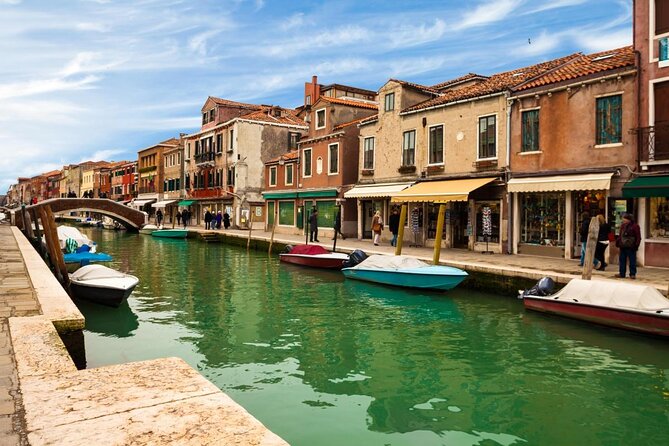
- Boat transfer included so you’re not wrestling with schedules to reach Murano
- Private workshop access for a real-time look at how masters shape hot glass
- Secret exhibition entrance plus a showroom stop for finished art pieces
- Small group (max 20) which makes the demo feel less rushed
- English-led experience with guides who can share Venice and Murano context
Meet at Monument to Victor Emmanuel II and Head to Murano by Boat
You start at the Monument to Victor Emmanuel II on Riva degli Schiavoni, in the San Marco area. It’s a practical meeting point, and it’s near public transport routes in Venice, which matters when your day is already a maze of canals and footbridges.
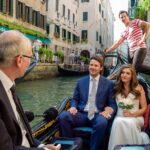
From there, the tour handles the hard part: getting you to Murano. You’ll take a boat transfer arranged for the group, and in the process you’ll get an easier rhythm than trying to figure out public vaporetto timing on your own. One review-style detail that shows up repeatedly is how smoothly the handoff works between the San Marco meeting and Murano.
Also note the group size. With a maximum of 20 people, the transfer and museum-style walking doesn’t feel like a mass scramble. If you prefer to move at human speed, this is a plus.
You can also read our reviews of more tours and experiences in Venice.
Inside an Authentic Murano Glass Workshop (Not a Skim-Through)
The heart of this tour is time inside an old-school Murano glass factory. You’re not just looking at glass behind glass. You’re watching the process in a live workshop setting, and you get direct entry to the factory area tied to the demonstration.
You’ll also get a soda/pop welcome drink. It sounds small, but in Venice, a cold drink before you sit in a hot-glass viewing room makes the experience feel calmer from minute one.
English is the operating language, so you’re not left guessing what you’re seeing. If you’ve tried other tours in Venice where the language is spotty, you’ll probably appreciate that the demo and explanations stay clear and structured.
The Glassblowing Demonstration: Watch Technique, Not Just Magic
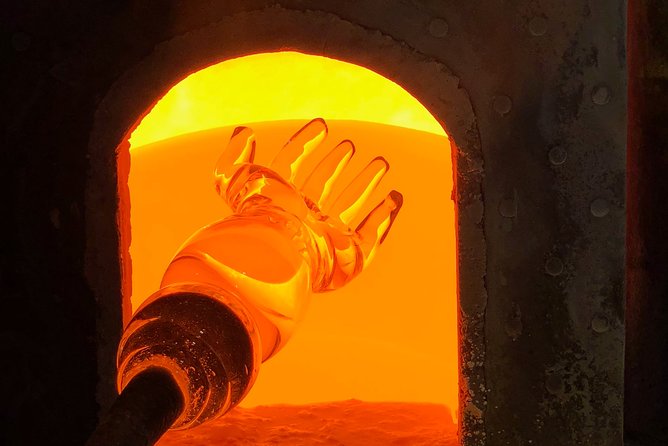
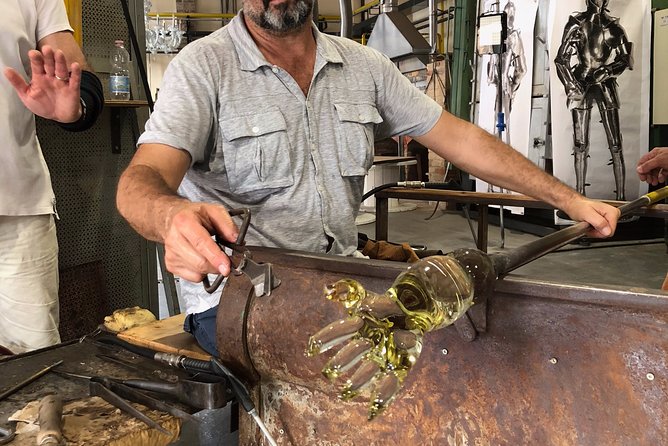
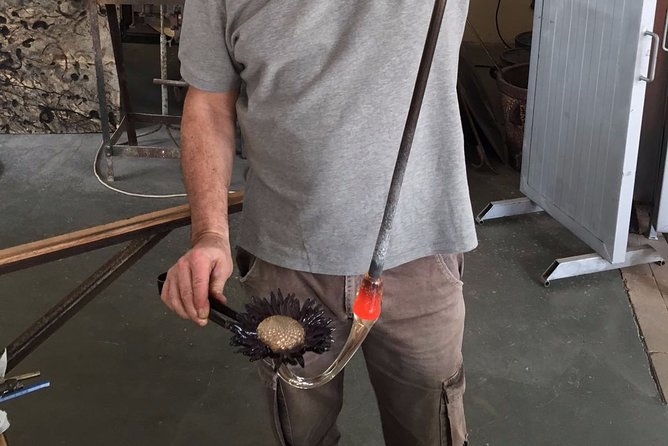
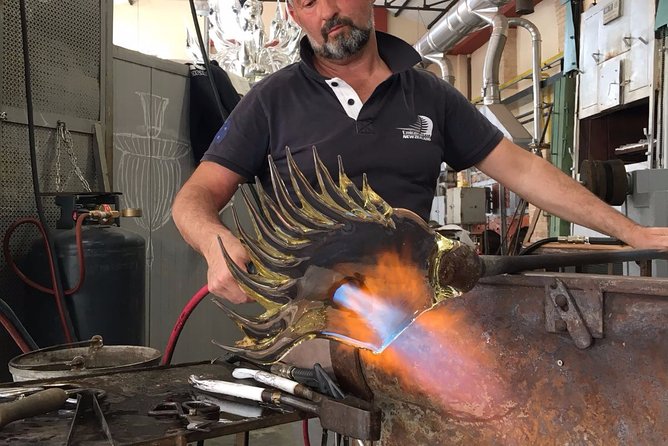
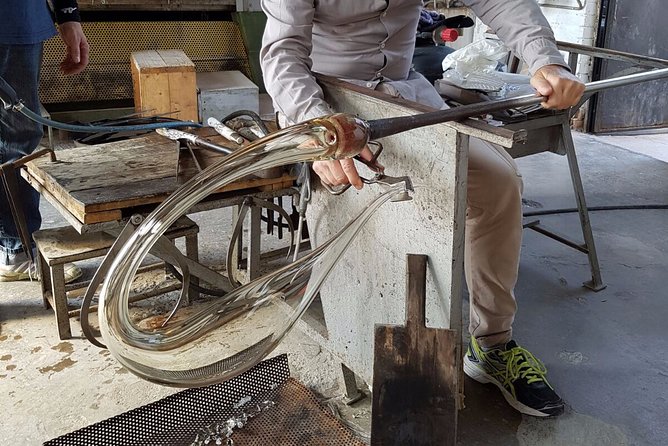
This is a private glassblowing show, and it’s built around what a master can do with molten glass. The demo is thorough enough that you understand the steps, not just the final sparkle. In other words, it’s not purely theater.
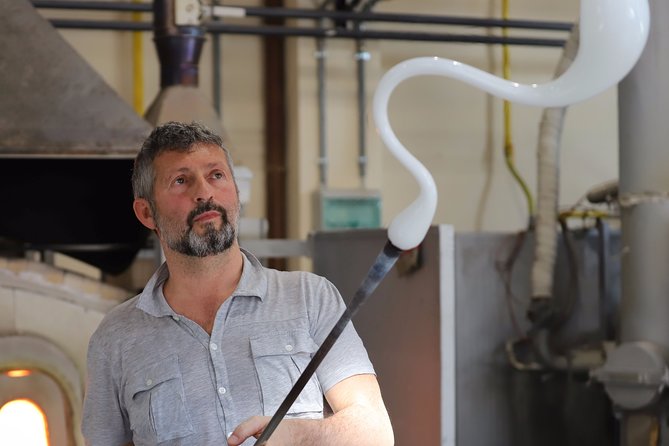
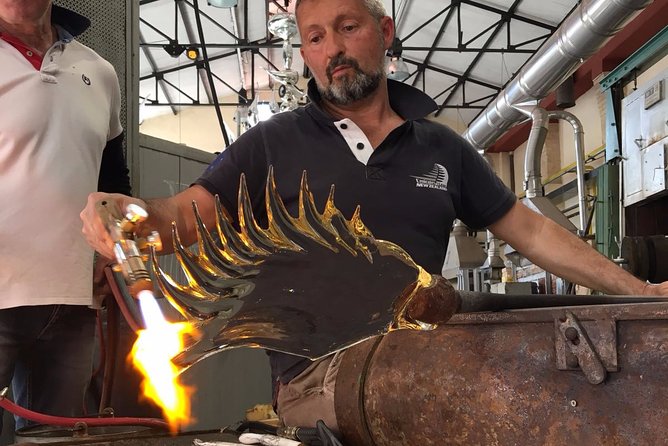
In practice, the piece you see made can vary by day. Some guests describe watching forms like a pitcher or a decorative vase. Others mention bigger-feeling ideas such as a chandelier-focused technique or even quick transformations like turning a blob of glowing material into a small sculptural horse. The common thread is the pacing: you see how glass changes, then how it’s shaped into an identifiable object.
You should also know that photo and video rules may be flexible depending on the moment and the workshop flow. Some guests report being able to take pictures and record while the master works, so if that matters to you, be ready with your phone and be polite about when you lift it.
The Showroom and Secret Exhibit: Where the Real Art Lives
After the workshop demo, you move into a showroom area with Murano masterpieces. This is where the “wow” factor ramps up, because you see finished work made by the artisans connected to the factory. The tour includes entry to a secret exhibition entrance, and then you have time to browse the display spaces.
What makes this stop valuable is that the explanations are tied back to the demonstration you just watched. Instead of treating the showroom like a random souvenir floor, the tour encourages you to connect technique to final design. When you look at a finished vase or sculpture, you’re more likely to notice how things like shape, thickness, and color control show up in the end result.
Now for the balance. This is also the part where the sales side can feel strong. Multiple guests describe a push to purchase, ranging from helpful and respectful to more intense once they sense you’re not buying. That doesn’t mean you have to buy anything. It does mean you should manage your expectations.
My practical advice: decide your stance before you walk in. If you’re curious but not committed, treat it like gallery time, not like a hunt. If you do want to buy, set a budget early. Some guides are able to help you find pieces that fit a target price, and that can save you from getting swept into last-minute choices.
A Clean 2-Hour Loop Back to San Marco
The whole experience runs about 2 hours. It’s a tight format, which is great if you don’t want to burn half a day on a single activity. You get enough time to see the workshop, then spend meaningful minutes in the exhibit spaces, then head back.
You’ll return to the meeting point area at the end of the tour. In several guest accounts, the handoff includes another boat ride back to the Monument to Victor Emmanuel II, which keeps the day simple.
One practical way to think about the timing: this tour works best as a focused block, not a “fit it in whenever” side quest. If you’re also planning St. Mark’s Square and a few canal stops, schedule this earlier in the day so you’re not rushing later.


Who’s Leading You: Guides Like Luka, Leonardo, Natasha, Matteo, and Giorgia
You’ll meet a guide at the Monument to Victor Emmanuel II meeting point, then you’ll transition through the factory and exhibit. Different names show up in people’s experiences, including guides like Luka, Leonardo, Matteo, Natasha, and Giorgia, plus others.
What you can count on is the role itself: guiding you through the movement, explaining what you’re seeing, and helping connect the Murano process back to Venice life along the route. Several guests also mention extra Venice tips during the boat ride back and forth, like where to linger for views or what sites to hit next.
That’s a real value-add. Venice is easier with a human map in your ear, even if you’ve already studied a route.
Price and Value: Is $155.68 Worth It?
The price is $155.68 per person for a roughly 2-hour format. At first glance, that can feel steep, until you break down what you’re actually getting.
You’re paying for:
- entry and access to the factory workshop tied to the glassblowing demonstration
- the showroom/exhibit experience (including the secret exhibition entrance)
- the boat transfer setup so you don’t spend your time figuring out water transport
- a group limit of up to 20 people
When you compare that to a generic “factory visit” that might be shorter or less structured, this tour has a more complete arc: you watch craft happen, then you see it finished. You’re also buying time savings. In Venice, saving time can be worth real money because your day is already limited by walking and water schedules.
One extra cost consideration: on certain dates, people staying outside Venice who are visiting for the day may need to pay a €5 access fee. That’s tied to Venice’s system, and the tour notes point you to the city details at https://cda.ve.it. If you’re coming from elsewhere and planning a day trip, it’s worth checking before you go so there are no surprises.
Also, bookings tend to happen early. This kind of experience is often reserved about two months ahead on average, so if your dates are fixed, lock it in sooner rather than later.
What You’ll See (and What You Should Not Expect)
Here’s the honest expectation setting. This is not designed as an island history lecture. It’s a craft experience focused on technique and finished art.
So if your dream day is learning centuries of Venetian policy, guild politics, and Murano’s broader social timeline, you might prefer a museum-heavy approach. This tour’s priority is the glass process and what the factory makes today.
On the other hand, if you like seeing how something is made and you get satisfaction from watching steps unfold, this format hits the sweet spot. It also fits well for people with kids or mixed ages because the action is visual and hands-on watching tends to keep attention.
Should You Book This Authentic Murano Glass Tour?
I think you should book if you want:
- a real workshop glassblowing demo instead of a quick photo stop
- a smoother Murano visit thanks to boat transfer included
- time in a showroom where you can look at finished pieces after seeing the process
- a small-group experience (max 20) that doesn’t feel like a cattle call
I’d hesitate if:
- you’re strongly anti-shopping and would find a sales push stressful
- you want a deep Murano history museum experience rather than technique and craft
If you do book, go in with two simple rules: decide your shopping budget ahead of time, and treat the showroom like gallery time where you’re learning to recognize craft. Do that, and this tour becomes one of the best “make it real” moments in Venice.
FAQ
How long is the Murano glass tour?
It’s about 2 hours (approx.), with the experience ending back at the meeting point.
Where do we meet for the tour?
You meet at the Monument to Victor Emmanuel II, Riva degli Schiavoni, 30100 Venezia VE, Italy, and you return there at the end.
What’s included in the tour price?
The tour includes private transportation, a soda/pop welcome drink, a private glassblowing show, private glass factory entrance, and a secret exhibition entrance.
Is this tour a small group?
Yes. The maximum group size is 20 travelers.
Is the tour offered in English?
Yes, it’s offered in English.
Do I have to buy Murano glass during the showroom stop?
No. Purchasing is optional. The showroom visit is part of the experience, but buying isn’t required.
Is there an extra Venice access fee?
On certain dates, most day-trippers staying outside Venice may be required to pay a €5 access fee. Check exemptions and applicable days at https://cda.ve.it.
What if the weather is bad?
The experience requires good weather. If it’s canceled due to poor weather, you’ll be offered a different date or a full refund.
What is the cancellation policy?
You can cancel for a full refund up to 24 hours in advance. If you cancel less than 24 hours before the start time, the amount paid won’t be refunded.