REVIEW · VENICE
Ancient Venice and its spices: cooking class and market tour
Book on GetYourGuide →Operated by The Venetian silk route · Bookable on GetYourGuide
Spices in Venice have travel stories.
This experience turns that idea into a fun, hands-on market walk + cooking time in an old-style setting, guided in English by Massimo. You’ll connect what you see at Rialto with what you taste later—then you’ll eat like the city’s famous pleasure-seekers, with plenty of stops along the way.
I especially liked two things. First, the spice route focus makes the cooking feel like more than a meal lesson; saffron, pepper, anise, cardamom, and more come with context tied to Venetian trade and character. Second, Massimo’s theatrical touches—candles, a tricorne, and old-recipe storytelling—give you that rare feeling of stepping into the past without losing the practical “how do I cook this?” part.
One consideration: it packs a lot into 3 hours, and there are foods, alcohol tastings, and strong flavors involved. If you’re very sensitive to alcohol or you prefer totally mild dishes, message the guide in advance about what you want to avoid.
In This Review
- Key Takeaways Before You Go
- Meeting Point at Caffè Vergnano 1882: Start Where Venice Wakes Up
- The Rialto Market Stop: Shopping, Sights, and Spice-Route Thinking
- A Short On-Foot Transfer: Then You’re in the Old-House Cooking Zone
- Inside the Experience: Candles, Tricorne, and a Menu Built on Spices
- Cooking Class Time: You Learn by Doing, Not Watching Only
- What You’ll Eat and Drink: More Than a Snack Stop
- Why the Stories Matter: Trading Routes to Dinner Plates
- Timing and Pace: 3 Hours That Move Fast (But Don’t Feel Rushed)
- Who This Private Class Fits Best
- Is It Worth Booking? Value From a Full Food-and-Story Day
- Final Call: Should You Book Ancient Venice and Its Spices?
- FAQ
- How long is the Ancient Venice and its spices experience?
- Where do we meet?
- Is this a private group activity?
- What language is the instruction in?
- What does the tour include besides cooking?
- How much time is spent at the market?
- Is the cooking class hands-on?
- Can the guide handle dietary needs or allergies?
- Is there free cancellation?
- Is there a reserve now, pay later option?
Key Takeaways Before You Go
- Rialto market first, then cooking: you taste the ideas right after you see the ingredients.
- Spice stories drive the menu: the class is built around saffron, pepper, anise, cardamom, and their history.
- A private group with Massimo: you get time for questions and personal preferences.
- Old-house atmosphere: candles and a tricorne help the recipes land in context.
- Food-forward itinerary: photo stop, cocktail/spirits, dessert, then a full meal-and-taste sequence.
- Dietary needs can be handled: you can tell the instructor your preferences and allergies.
Meeting Point at Caffè Vergnano 1882: Start Where Venice Wakes Up
The day begins at Caffè Vergnano 1882, right in front of the door. This matters more than you’d think. Starting at a real coffee spot helps you ease into the neighborhood mood before you hit the market. And it keeps things straightforward: you know exactly where to find your guide and group, without guessing which alley is the right one.
From the start, Massimo frames the trip as a playful journey. You’re not just collecting ingredients; you’re collecting stories. That tone carries through the market walk and into his home cooking space, where the recipes are tied to the way Venice traded, ate, and flirted with the world—spices included.
If you’re the type who enjoys history but wants it tied to something you can taste, this format fits. If you hate talking before eating, you might find the storytelling-heavy approach a bit much, but the food keeps pace.
You can also read our reviews of more shopping tours in Venice
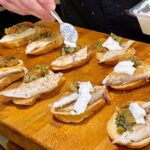
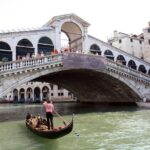

The Rialto Market Stop: Shopping, Sights, and Spice-Route Thinking
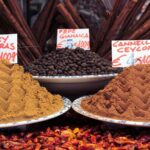
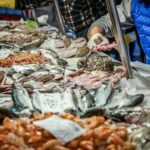
Your first major stop is Mercato di Rialto for about an hour. The goal here isn’t a checklist of famous views. It’s ingredient awareness: what people choose, what looks fragrant, and what spices were historically valuable enough to move across continents.
You’ll also get some sightseeing time during the market visit. That’s helpful because Rialto can feel overwhelming if you’re alone. With Massimo, you’re guided toward the parts that make sense for cooking—so your shopping time feels purposeful instead of random.
Practically, wear comfortable shoes. The market area is busy and slightly chaotic in the best way, and you’ll do walking plus quick decision-making for tasting or choosing items. Bring your curious brain, not your rigid plan. If you let the guide steer, you’ll come away with a sharper sense of what makes Venetian cooking Venetian.
And yes, you’ll be thinking about spices while you’re there—how saffron and pepper show up in dishes, why anise and cardamom fit the flavor logic, and how merchants turned distant goods into local cravings.
A Short On-Foot Transfer: Then You’re in the Old-House Cooking Zone
After the market, you move on foot for about 10 minutes. That short walk is a breather between “public Venice” and “kitchen Venice.” It also helps you reset your senses: market air, crowd noise, and spice scents give way to a calmer pace where you can actually learn the recipes.
Then you settle into the Venice segment of the experience, where most of the magic happens. The itinerary lists a photo stop and a sequence of drinks and tastings—cocktail, spirits, dessert—followed by dinner/lunch-style dining elements and wine tasting, plus the cooking class and food tasting time.
What this means for you: you’re not learning a single recipe and leaving. You’re doing a full experience that mixes history, hospitality, and food in one sitting.
If you like activities that feel like a night at a friend’s home—just with better cooking direction—this part will hit.
Inside the Experience: Candles, Tricorne, and a Menu Built on Spices
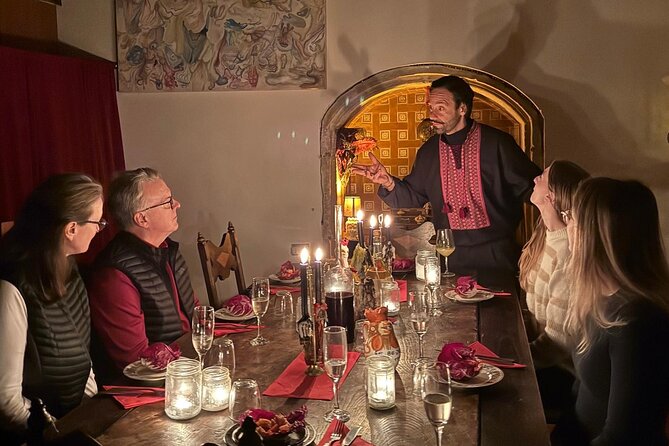
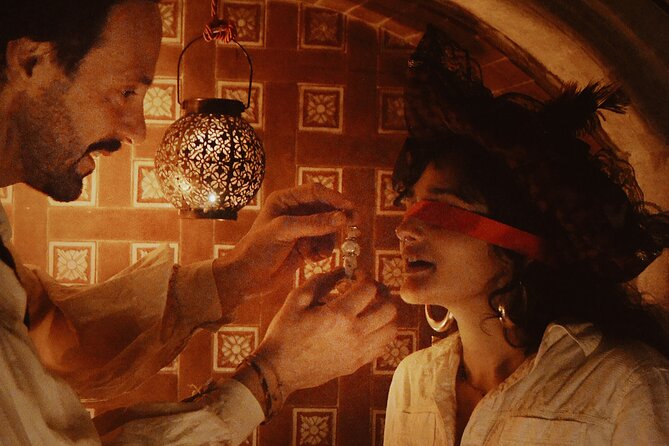
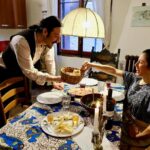
In Massimo’s home setting, the class leans into atmosphere. The highlights mention candles and a tricorne, plus a sense that you’re traveling into a different era. That theatrical layer isn’t just decoration. It’s part of how the guide connects ingredients to story.
The central theme is ancient Venetian dishes inspired by famous figures—Marco Polo and Casanova—while keeping a touch of innovation. So you’ll see a flavor logic that feels old-school, then you’ll taste how spices can work in dishes in ways that still make sense today.
You’re also meant to learn how spices behave in combination. It’s one thing to know saffron is valuable. It’s another to understand how pepper warmth, anise’s aromatic lift, and cardamom’s sweetness and spice notes can shape a sauce, a pasta dish, or a finishing profile.
The class structure gives you both the why and the how:
- You hear the spice backstory (the trade-route angle).
- You taste through it (so you can identify what’s doing what).
- You cook with direction (so it sticks beyond the lesson).
And if you’re a vegetarian, this can be especially satisfying. At least one group experience described a divine multicourse vegetarian meal. So if you eat plant-based (or want a day that isn’t automatically centered on meat), this is worth a serious look.
Cooking Class Time: You Learn by Doing, Not Watching Only
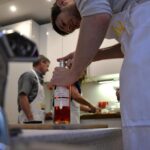
Once you’re cooking, the lesson shifts from listening to technique. The best cooking classes don’t just hand you instructions—they get you involved. This one is built around your participation, and that tends to be why people rate it so highly.
One memorable detail from the experience: handmade pasta taught as part of the experience, described with ancient flour and paired with a sauce featuring wild mushrooms, nutmeg, and cinnamon. Even if your exact menu varies, the pattern is clear: you’ll work with traditional-feeling elements and aromatic spices, not just plain basics.
The practical value: you’ll leave with flavor memory. After tasting spices in a market and then cooking with them, you’ll connect sensory cues to ingredients. That’s how you start cooking Venetian-style flavors later, back home, without needing the whole script.
Also, the guide asks for your preferences ahead of time. The instruction notes that Massimo can prepare a perfect ancient cooking class for you and you can tell him what you’d like to taste plus any allergies. In at least one real experience, the guide handled a food allergy with care and kindness. So if you need substitutions, don’t be shy—this host sounds used to adjusting.
You can also read our reviews of more tours and experiences in Venice
What You’ll Eat and Drink: More Than a Snack Stop
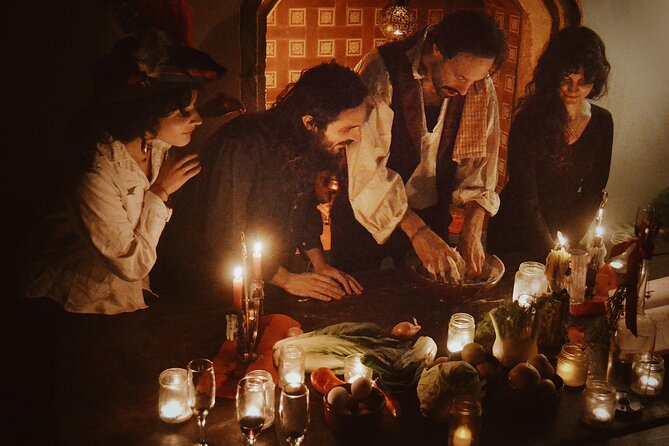
The schedule includes a surprising amount of food and drink for a 3-hour experience. You should expect multiple tasting moments: cocktail, spirits, dessert, and then full meal elements, plus wine tasting, alongside the cooking class and food tasting.
Here’s how to think about it so you’re not caught off guard:
- You’re eating in stages, not grazing once.
- Alcohol tastings are part of the experience, so plan your pace.
- The food is built around the spice theme, meaning you’ll likely notice spice-forward dishes more than plain Italian comfort cooking.
If you’re a foodie who likes variety, you’ll probably love this structure. If you prefer to focus on one dish and then go exploring, you might find the dining portion slower than expected—but the trade-off is you get more of a full Venetian meal mood in a short time.
One review described tasting shared stories over grappa with espressos at the end. That kind of closing touch is typical of a host who wants the experience to feel social, not instructional. So be ready for conversation—especially about flavors and Venetian food culture.
Why the Stories Matter: Trading Routes to Dinner Plates
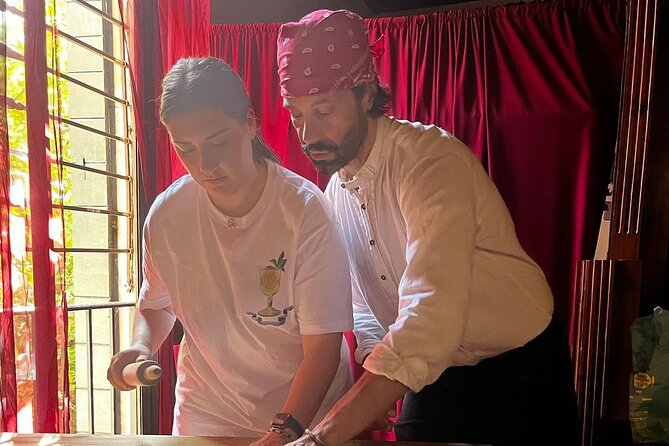
The best part here isn’t just spices. It’s how the guide ties spices to Venetian life. The class describes the arrival of spices from across the world—saffron, pepper, anise, cardamom, and more—framed as a journey over centuries along what the provider calls the silk route.
You don’t need to be a history nerd to get it. When the story connects to the dish, you start understanding why Venetian cuisine developed certain flavor directions. Venice was a shipping crossroads. Merchants brought goods, and the city’s food habits absorbed that variety.
Massimo’s way of teaching—through curious stories and a playful tone—helps you remember the lessons because they’re attached to people and scenes. You’ll likely hear tales about Venetian merchants and how flavors traveled. That’s why the cooking doesn’t feel like a generic Italian class.
And the Casanova/Marco Polo angle gives the day a clear identity: this is romance and global reach translated into spices you can taste.
Timing and Pace: 3 Hours That Move Fast (But Don’t Feel Rushed)
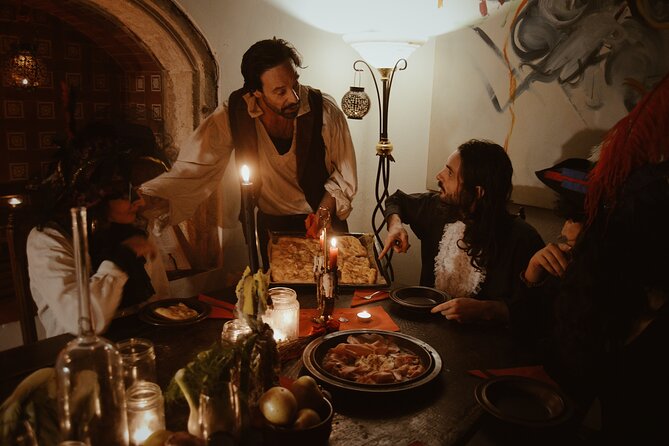
The total duration is about 3 hours, with roughly:
- 1 hour at the Mercato di Rialto
- a short walk transfer
- about 2.25 hours in Venice time that includes photo stop, drinks, dessert, meal elements, wine tasting, cooking class, and food tasting
So yes, it’s full. But it tends to feel structured rather than hectic because the activities flow logically: market → home base → cook/eat/taste.
Still, plan your day accordingly. Don’t schedule a major museum right after unless you like running on adrenaline. If you’re heading back to your hotel, give yourself enough time to digest and slow down. The itinerary includes multiple food portions and some alcohol, so you’ll want a calm landing after.
Who This Private Class Fits Best
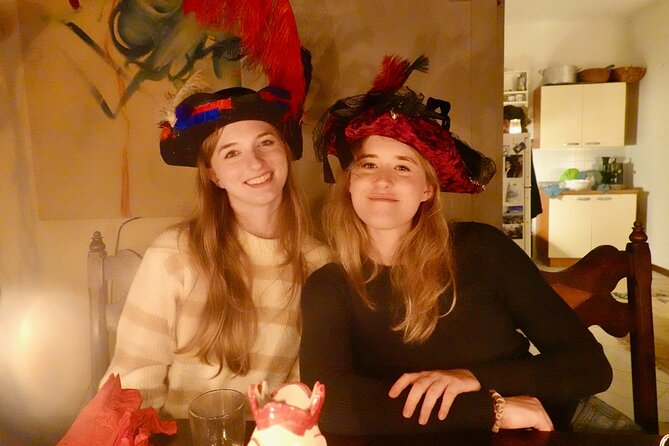
This is a great match if you:
- love food that tells a story
- want a local-market experience with guided context
- enjoy hands-on cooking more than passive sightseeing
- like small-group conversation and personal attention
It also fits well for groups of friends or family, since it’s offered as a private group. One experience described a group of four—parents plus adult kids—who all had a great time. That’s a useful sign: it can work across ages, as long as you’re in the right comfort range.
Who should think twice: the notes say it’s not suitable for people over 70, wheelchair users, babies under 1, children under 2, and also for people with epilepsy, people with diabetes, or people with high blood pressure. If any of those apply, treat the safety notes seriously and check before booking.
Is It Worth Booking? Value From a Full Food-and-Story Day
You’re paying for a mash-up: market time, ingredient tasting, cooking instruction, multiple food courses, and drink/wine tastings—delivered in a private setting with a host who teaches through story.
Without seeing your exact cost, I can still give you a value lens: the experience earns its money when you want more than a single dish. If you’d rather sample your way through Venetian flavors, cook along, and walk out understanding why spices matter, this offers a lot per hour.
It can feel like a premium day because you get:
- hands-on cooking in a home setting
- a guided market so you know what to buy and why
- a meal format that includes tastings rather than one plate
If your idea of a great day is wandering on your own and tasting only a few things, you might prefer a lighter food tour. But if you want one focused activity that packs in market + cooking + dining, this is strong value.
Final Call: Should You Book Ancient Venice and Its Spices?
Book it if you want Venice through flavors, not just photos. Start at Rialto, learn spice logic from the market, then cook and eat in an atmosphere that feels deliberately old-world—candles, tricorne, and all.
Skip it or ask lots of questions first if you need wheelchair access, have epilepsy, diabetes, or high blood pressure, or you dislike alcohol tastings and strong spice-forward dishes.
FAQ
How long is the Ancient Venice and its spices experience?
It lasts 3 hours.
Where do we meet?
You meet just in front of the door of Caffè Vergnano 1882 (coordinates 45.438690185546875, 12.33553409576416).
Is this a private group activity?
Yes, it is listed as a private group.
What language is the instruction in?
The instructor offers the experience in English.
What does the tour include besides cooking?
It includes a visit to Mercato di Rialto, sightseeing and shopping time, plus food and drink tastings such as cocktail/spirits, dessert, dinner/lunch elements, wine tasting, and food tasting.
How much time is spent at the market?
The Mercato di Rialto visit is about 1 hour.
Is the cooking class hands-on?
Yes. The experience includes a cooking class where you participate, followed by food tasting.
Can the guide handle dietary needs or allergies?
You can tell the instructor your preferences and allergies before the class, and the experience notes that the instructor can prepare the cooking class accordingly.
Is there free cancellation?
Yes, you can cancel up to 24 hours in advance for a full refund.
Is there a reserve now, pay later option?
Yes. You can reserve now and pay later, keeping travel plans flexible.