REVIEW · VENICE
9-Day Small Group Tour of Venice, Florence and Rome
Book on Viator →Operated by Firebird Tours · Bookable on Viator
Venice, Florence, and Rome in nine days sounds packed. The trick here is the pacing: you get real time in each city plus guided “must-sees” that don’t eat your whole day. I especially like that the tour uses premium-class trains between cities, so you spend less effort on transfers and more on actually sightseeing.
I also like the mix of big-ticket sights with smaller moments: St. Mark’s views from Loggia dei Cavalli in Venice, and Florence’s Duomo complex paired with Michelangelo’s David at Galleria dell’Accademia. One thing to think about: the small-group cap can be talked about as different numbers, so confirm what maximum size you’ll have when you book—one review reported a larger group than expected.
In This Review
- Key highlights worth planning around
- Why this 9-day route makes sense for first-timers
- Airport pickup, water taxi, and the kind of logistics that save energy
- Venice: from Rialto fish market to St. Mark’s panoramic views
- Florence highlights: Duomo complex, David, Ponte Vecchio, and Oltrarno craft streets
- A full Florence free day: your best chance to eat like a local
- Rome by coach time-savers: Spanish Steps to Pantheon in one planned arc
- Roman Forum and Colosseum: why reserved entry is worth your attention
- Vatican Museums and St. Peter’s: a ticketed plan that prevents time waste
- Where your money goes: hotels, guides, trains, and included tickets
- Small group size: what to confirm before you arrive
- Practical tips to make the walking days easier
- Should you book this Venice, Florence, and Rome tour?
- FAQ
- What’s included in the hotels?
- Does the tour include transportation between Venice, Florence, and Rome?
- How does the Venice arrival work?
- Which major sites have entrance fees included?
- Are guided tours included in all cities?
- What language is the tour in?
- Is lunch or dinner included?
- Are flights included?
- Can I cancel and get a refund?
- Is there a limit on group size?
Key highlights worth planning around
- Maximized sightseeing time with guided blocks that leave room to wander on your own
- Premium-class train rides for the Venice–Florence and Florence–Rome legs
- Timed, included ticket access for major sites like the Colosseum and Vatican
- Boutique 4-star hotels with breakfast, booked in your name with a private room
- Local guide expertise by city, including guides named Laura (Venice), Alex (Florence), Flavia and Dino (Rome)
- Wine tasting included as a built-in cultural stop, not an optional add-on
Why this 9-day route makes sense for first-timers
This tour is built around a simple goal: hit the headline sights in each city, then give you enough free time to find your own rhythm. Venice can swallow days if you’re not careful, and Rome can feel chaotic if you try to self-plan everything. Here, you get structure without feeling like you’re on a production schedule.
The length also matters. You’re not just touching each city for a few hours. You get multiple days where you can slow down, pause for coffee, and walk neighborhoods that tourists often skip.
You can also read our reviews of more tours and experiences in Venice.
Airport pickup, water taxi, and the kind of logistics that save energy
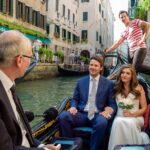
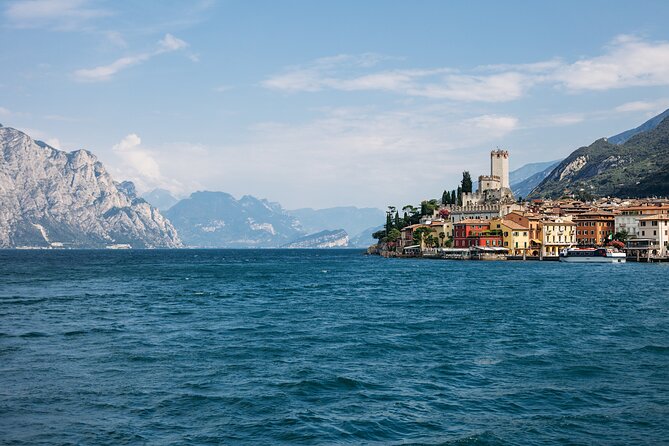
Your trip starts with an arrival transfer at Marco Polo Airport. A driver meets you in the arrival hall holding your name, and you’re taken to the hotel for check-in. In Venice specifically, you get a private vehicle and water-taxi transfer, which is the most practical way to reach a hotel without turning day one into a transit puzzle.
For departures, you’re met again for the airport transfer on day nine. If you hate figuring out trains and ticket machines while jet-lagged, you’ll appreciate how much of the “get there” work is handled.
One small practical note: the tour is operated in English, so plan on English-speaking guides and explanations for the guided portions.
Venice: from Rialto fish market to St. Mark’s panoramic views
Venice day one is intentionally light. You arrive, get transferred to your hotel, check in, then you’re free to reset and wander when you feel human again.
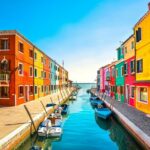
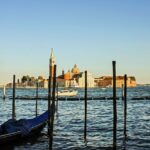
Day two is where the city gets smart and strategic. You start around Ponte di Rialto and the Rialto fish market area, then you walk beyond the most obvious tourist loops. The payoff is that you see Venice as more than postcards: quiet canals, older streets, and architecture that feels lived-in.
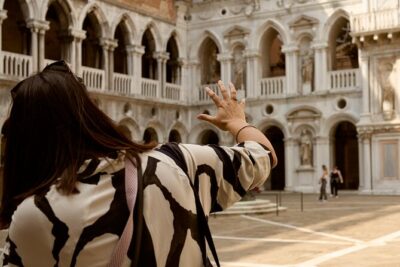
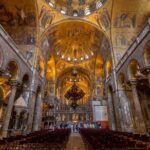
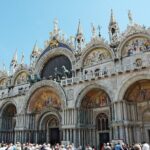
You also get St. Mark’s Basilica time, including the Pala d’Oro altar and access to Loggia dei Cavalli for panoramic views over St. Mark’s Square. If you’ve ever felt like Venice is all angles and no scale, this viewpoint helps you understand the layout instantly.
A tip for your own Venice success: wear shoes you can walk in for hours. Venice is mostly foot travel, and the best parts of the day are the ones that aren’t on a bus route.
Florence highlights: Duomo complex, David, Ponte Vecchio, and Oltrarno craft streets
Florence is handled with a smooth rhythm: train in, check in, then a full guided day when you’re ready for art and walking.
The Duomo-focused portion is a strong anchor. You visit the Baptistery dedicated to St. John the Baptist, and you also receive a ticket to the Grande Museo del Duomo that covers major monuments in the Piazza del Duomo area. That ticket is useful because it gives you flexibility within a set window to revisit parts at a calmer pace.
Then you move to Piazza della Signoria, walking through the historical center past key landmarks and heading toward Via Tornabuoni, known for fine shops. This is one of those Florence moments where the guide helps you understand why the city looks the way it does, not just what it includes.
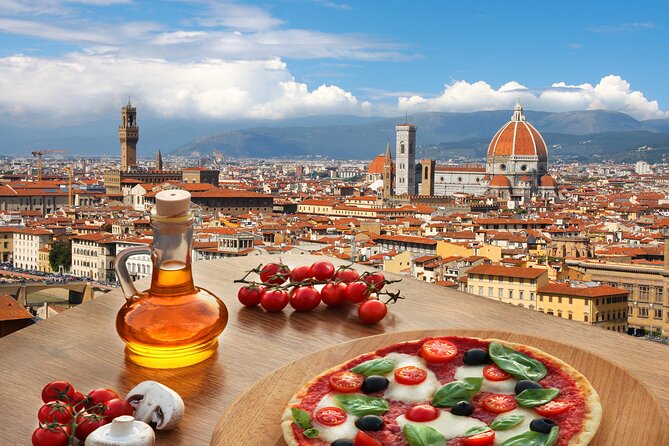
The afternoon really delivers on art. You go to Galleria dell’Accademia to see Michelangelo’s David, then cross the Arno via Ponte Vecchio into the Oltrarno district. From there, you get local crafts and a quieter side of Florence, including the Santo Spirito Church and Convent area. There’s also a nod to an early Michelangelo work connected to this area, which adds depth beyond just the famous statue.
If you get a guide like Alex (Florence), you’ll likely appreciate how the explanations connect art to the streets you’re standing on. That’s the difference between seeing a museum and actually understanding why it matters.
A full Florence free day: your best chance to eat like a local
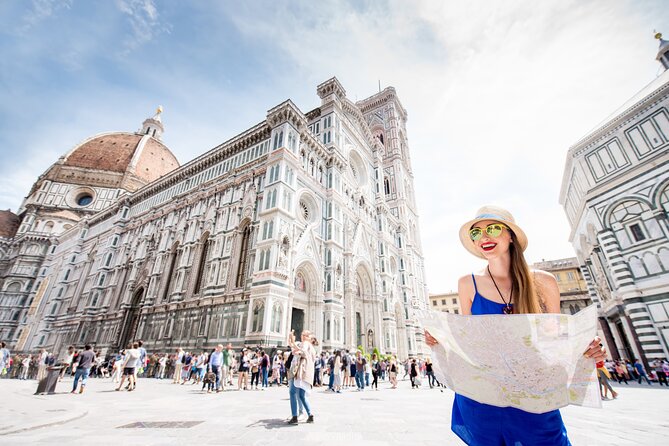
Day five is intentionally open. You can explore at your own pace, and this is where you’ll shape the trip into something personal.
A solid choice: Mercato Centrale for local foods. It’s the easiest way to satisfy the “I want to taste Florence” impulse without hunting all day. If you’d rather sightsee, use the Duomo ticket window to revisit what you liked most on day four, when crowds might be thinner.
This free day also helps you absorb Florence. After an art-heavy day, your legs and your brain both need a breather.
Rome by coach time-savers: Spanish Steps to Pantheon in one planned arc
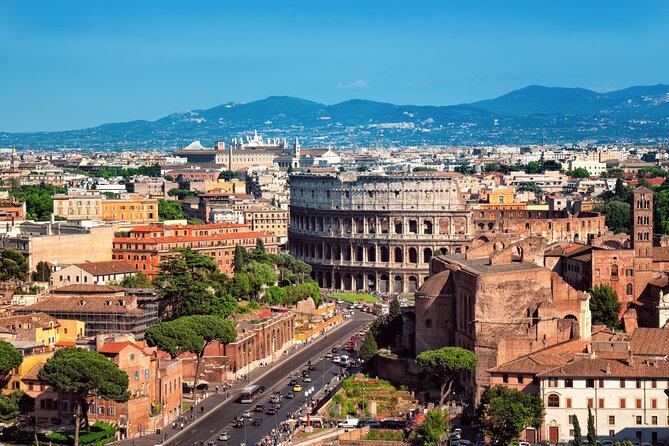
On day six you transfer from Florence to Rome by train, then you start your guided Rome experience right away. You’ll see the Spanish Steps, Trevi Fountain, Pantheon, and Piazza Navona, plus the Fountain of the Four Rivers. It’s a concentrated highlights loop, and it works because the day includes explanations and context, not just photo stops.
You also spend dedicated time with the Pantheon, which is smart. The building is best when you can stand inside and take in the scale and geometry, not when you only rush past the doorway.
Your evening is free, which matters in Rome. Even a great guide can’t make you want to eat dinner at the same time. Use the freedom to pick a neighborhood restaurant, then build an easy walk back afterward.
Roman Forum and Colosseum: why reserved entry is worth your attention
Day seven hits Rome’s big ancient icons: the Roman Forum and the Colosseum.
The Forum portion covers how this space functioned politically and ritually in ancient Rome. You’ll see major remains and arches, including the Temple of Caesar and the Arch of Septimius Severus, plus the adjacent Palatine Hill area. This is where the guide’s storytelling turns piles of stone into a sense of place.
Then comes the Colosseum. The tour includes your Colosseum entrance ticket and the reservation fee, which helps with timing. That detail matters because these sites are famous for long lines and strict entry windows.
A Colosseum tip you’ll feel immediately: go in with lower expectations for comfort and higher expectations for atmosphere. It’s not a museum room; it’s a huge historic shell. If you understand that, you enjoy it more.
Vatican Museums and St. Peter’s: a ticketed plan that prevents time waste
Day eight is the day most people fear getting wrong. Vatican access can be a mess if you wing it, so the structure here is valuable.
You start with the Vatican Museums, inside the walled enclave and independent state. The tour includes the private apartments connected with Julius II, plus stops like the Pinecone Courtyard and galleries such as the Gallery of Maps, Gallery of Tapestries, and Gallery of Candelabra. You then move into the Sistine Chapel, with time to admire Michelangelo’s frescoes and learn about the Pope–artist relationship that drove the work.
After that, you end in St. Peter’s Square, taking in Michelangelo’s Dome and Bernini’s colonnades. Then you transition to St. Peter’s Basilica, where you see highlights like the Pietà and Bernini’s Papal Canopy.
You also get a guide-led photo stop at Castel Sant’Angelo after the Vatican tour. That’s a nice final visual flourish before you return with the guide and enjoy the rest of the evening at leisure.
If your Rome guides are names like Flavia or Dino, you’ll likely notice they focus on why the art and architecture were designed the way they were, not just what you can read on a wall.
Where your money goes: hotels, guides, trains, and included tickets
This tour costs $6,994.90 per person. That’s a lot on paper, so here’s what you’re actually buying.
You’re getting boutique 4-star hotel accommodations with breakfast, plus a private room setup (single or double occupancy). You’re also paying for a lot of “invisible work”: professional local guides in Venice, Florence, and Rome, plus private transportation and transfers throughout.
The premium-class seats on the high-speed trains are a big quality-of-life upgrade. Those rides reduce stress and keep your energy for walking days.
And you’re not paying separately for a few key admissions. The tour includes the Colosseum entry and the reservation fee, plus Vatican and major museum entries listed in the program. You also get premium wine tasting included.
My practical take: the value is strongest if you want less planning and more momentum. If you love independent travel and you’re happy booking everything yourself (guides, timed tickets, trains, hotels), you could possibly spend less. But if you want your days to run smoothly, this price starts to look more reasonable.
Small group size: what to confirm before you arrive
The marketing pitch leans toward intimate groups, and one review specifically praised how the small group felt like a family. But another review said the group size turned out larger than they expected, even though they thought the cap was lower.
So do this before you pay: confirm the maximum group size for your departure date. Ask whether it’s closer to the smaller number promoted in the overview, or the larger cap mentioned in the tour details. It won’t change the route, but it changes the feel—especially in tight spaces like the Vatican Museums and the Colosseum.
Practical tips to make the walking days easier
This is a walking-heavy cities tour. You’ll be fine if you’re a normal vacation walker, but you’ll want to prepare.
- Bring shoes you can wear for long city days. Venice and Rome are especially tough on feet.
- Pack light layers. Churches and museums often have changing temperatures and indoor/outdoor transitions.
- Be realistic about crowds around headline sights. Timed entry helps, but you still need patience with human traffic.
- If you plan to skip optional add-ons, ask how it affects transportation. One review described a situation where access to a bus depended on participation in an extra excursion. You don’t want a logistical surprise halfway through your trip.
Should you book this Venice, Florence, and Rome tour?
I’d book it if you want a reliable, guided path across three major cities without turning your vacation into admin. The combination of premium trains, included major admissions, and boutique hotels with breakfast is built for travelers who hate last-minute planning.
Skip it (or treat it as a “maybe”) if you’re extremely price-sensitive or you want full control of every day. You’ll pay for the convenience, and the hotels are described as fine by some people, but not everyone will rate them as mind-blowing. Also, verify the maximum group size so the experience matches what you’re hoping for.
If you book, your best move is simple: show up ready to walk, then use your free time in Florence (and your evenings in Rome) to choose your own meals and neighborhoods. That’s where this kind of trip becomes yours.
FAQ
What’s included in the hotels?
You’ll have boutique 4-star hotel accommodations in a private room (single or double occupancy), plus breakfast each morning (8 breakfasts are listed).
Does the tour include transportation between Venice, Florence, and Rome?
Yes. You get high-speed trains with Premium Class Seats for Venice to Florence and Florence to Rome, plus private arrival/departure transfers.
How does the Venice arrival work?
Your driver meets you at Marco Polo Airport in the arrival hall holding a sign with your name, then you’re transferred to the hotel. In Venice, this includes a private vehicle and water-taxi transfer.
Which major sites have entrance fees included?
The program includes entrance fees listed for the itinerary, including Colosseum entry (with ticket value and reservation fee noted) and Vatican Museums, Sistine Chapel, and St. Peter’s Basilica.
Are guided tours included in all cities?
Yes. The tour includes professional local guides in Venice, Florence, and Rome, with guided walking experiences and museum visits as described.
What language is the tour in?
The tour is offered in English.
Is lunch or dinner included?
No. Meals beyond breakfast are not listed as included, so you’ll plan lunches and dinners on your own during free time and evenings.
Are flights included?
No. Flights are not included.
Can I cancel and get a refund?
This experience is non-refundable and cannot be changed for any reason.
Is there a limit on group size?
The tour details state a maximum, and one of the caps mentioned is up to 14 travelers. Confirm your specific departure’s maximum size when booking.