REVIEW · VENICE
Welcome! Venice Sightseeing kickstart Tour with local guide, small group
Book on Viator →Operated by Lucia Venice Walks & Tours · Bookable on Viator
Venice can feel like a puzzle. This 2-hour kickstart walk helps you put the pieces together fast, with a local guide and a route built around Rialto and the Grand Canal viewpoints. I love that the tour is made for first-timers who want context, not just photos, and that it answers the big Venice questions people carry in their heads as they stroll.
My second favorite part is the way you reach Piazza San Marco while staying grounded in what’s real to see from street level—Doges’ Palace and the rest are discussed only from the outside, with details most people miss. One thing to consider: it’s an active walk on uneven Venetian streets and bridges, so you’ll want comfortable shoes and a moderate pace.
In This Review
- Key things to know before you go
- Getting Oriented at Rialto Without Losing Your Mind
- Rio Terà de le Carampane: The Street Names and the City’s Secrets
- San Polo Basics: Meet the Campo, Then Learn How the City Works
- Mercati di Rialto: Color, Commerce, and Why the Market Feels Different Today
- Canal Grande Photo Time: History Comes With the View
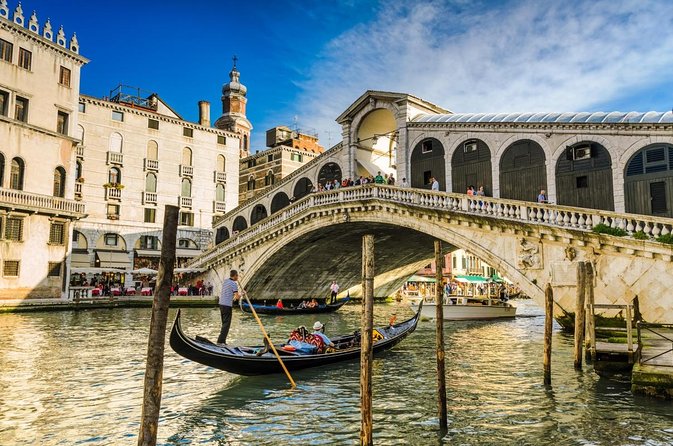
- Ponte di Rialto: A Hidden View and the Bridge’s Real Story
- San Marco: Outside-Only Masterpieces With Street-Level Secrets
- Dorsoduro Across the Water: La Salute and Plague Legends
- Price and Value for a 2-Hour Small-Group Introduction
- Who Should Book This Tour (and Who Might Skip It)
- Should You Book This Venice Sightseeing Kickstart Tour?
- FAQ
- How long is the tour?
- Where does the tour start and where does it end?
- Is this a small group?
- Do I need to buy tickets for the sights?
- What’s included in the price?
- Is snacks included?
- Is the tour good for people with walking limits?
- Do I need to pay a Venice access fee?
- What happens if weather is bad?
Key things to know before you go
- Small group (max 10): easier questions, less waiting, more attention from the guide
- Rialto to San Marco route: a logical arc through Venice’s most important areas
- Story-led stops: red-light district tales, Carnival and masks, plague lore, and city rules
- Big viewpoint time: the Grand Canal and Rialto Bridge are treated as photo moments
- Outside-only monuments at San Marco: clear orientation without a museum ticket setup
- Mobile ticket: simple check-in, no paper scavenger hunt
Getting Oriented at Rialto Without Losing Your Mind
If Venice is overwhelming, this is a smart first move. You start at the historical Rialto area, the medieval “Wall Street of Europe” vibe, where trade, money, and everyday life collided on the water. From the beginning, your guide frames what you’re seeing so it makes sense: why Rialto mattered, why the bridge looks the way it does, and what the Venetian point of view is on those famous structures.
The small-group size helps a lot. I find it changes the feel of the walk—you’re not swallowed by a crowd, and you can ask follow-ups as the streets narrow and the view lines change. Plus, the tone stays practical. This isn’t just trivia. It’s the kind of context that turns later wandering into something you understand.
You can also read our reviews of more guided tours in Venice
Rio Terà de le Carampane: The Street Names and the City’s Secrets
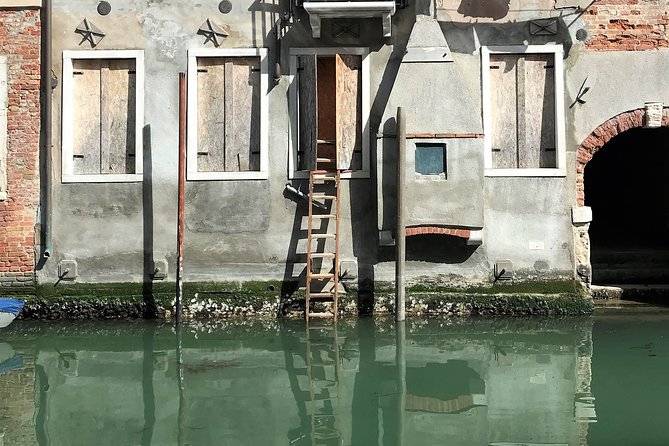
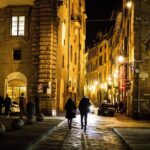
One of the most memorable stops is Rio Terà de le Carampane, in the Carampane area. This is where the tour shifts from postcard Venice into the Venice that lived on the edges of respectability. You’ll hear that there was a red light district during the Serenissima Republic—and you’ll look at how that history shows up in the area’s stories.
What I like here is the focus on how Venice keeps memory in plain sight. You’re directed to pay attention to “nizioleti” street-name details, not just the buildings themselves. It’s a great reminder that Venice isn’t only churches and palaces; it’s also neighborhoods with complicated human history.
San Polo Basics: Meet the Campo, Then Learn How the City Works
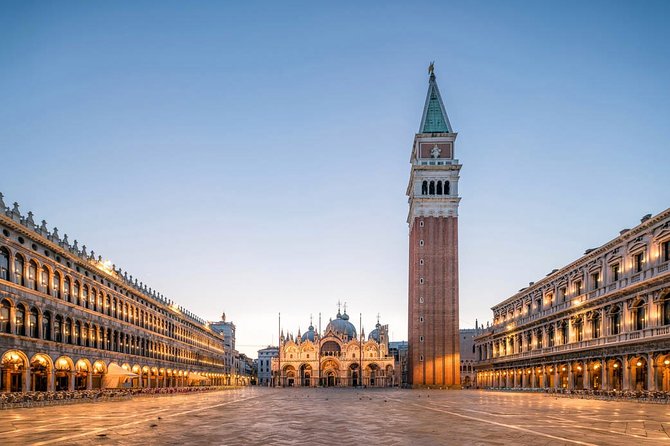
Next you’re in San Polo, where the guide starts at a landmark in the middle of the square and uses it like an anchor point. The meeting is at the well in the middle of the campo, then the tour expands into the city’s structure—how the city is subdivided, where its water supply connections come into play, and the rules locals expect visitors to follow to respect the city.
This part is especially useful because Venice can confuse you fast. Squares look similar, streets bend, and “orientation” can disappear after a few corners. Getting the layout logic early helps you navigate later with more confidence, and you’ll start recognizing patterns instead of just getting lost.
Mercati di Rialto: Color, Commerce, and Why the Market Feels Different Today
At Mercati di Rialto, the walk leans into the everyday side of Venice. You’ll see where Rialto’s market energy lives, and depending on the day and timing, the market setting changes—some visits feel more lively, some less so. The tour also brings attention to a quiet concern: the area is dealing with a lower number of Venetians living in the islands, and that shift matters.
A fun, grounded detail here is the ancient system of measurement of fish—information that makes the market feel like a real workplace, not a photo background. Even if you don’t plan to shop, it gives you a better read on how Venetians once traded, bargained, and measured daily life by the rhythms of the canal and the markets.
Canal Grande Photo Time: History Comes With the View
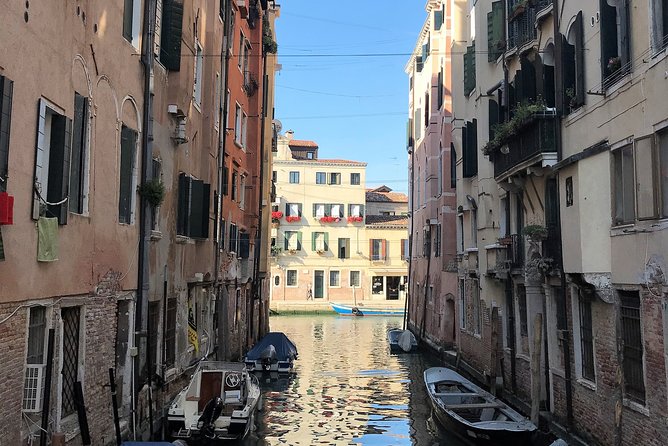
Then it’s time for the Canal Grande—the main canal that defines Venice’s identity for most visitors. You get a photo stop that’s simple and effective, but the guide also adds history and specific visual details so you’re not just photographing a pretty canal. You’ll notice how the buildings and waterfront shapes explain how Venice built its world for boats first, people second.
Practically, this stop is a break in pacing and a moment to reset your bearings. You’ll likely want to take a few photos from different angles during this segment, since the next viewpoint—Rialto Bridge—comes with its own specific angle and story.



Ponte di Rialto: A Hidden View and the Bridge’s Real Story
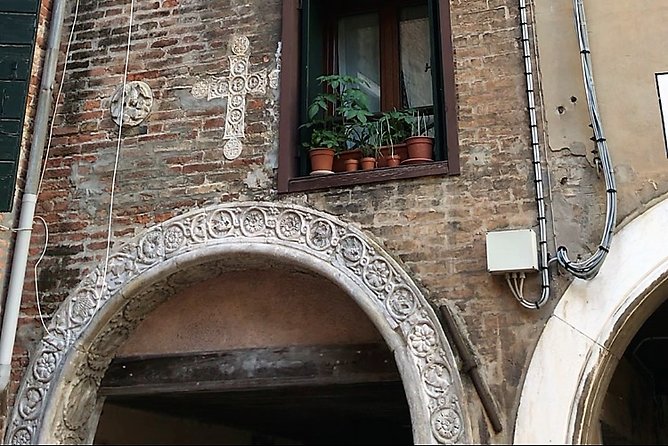
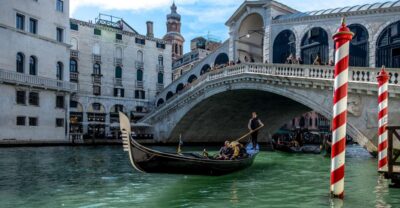
The Ponte di Rialto section is one of the strongest “wow, I get it now” moments. Rather than pushing for the most obvious crowd spot, you’re guided to an impressive view from a hidden corner, which makes the bridge feel more intimate and more architectural.
The guide covers why the bridge was built, where its name comes from, and what’s going on with its decorations. I love these details because they turn a landmark into a lesson: Venice doesn’t build anything by accident, and even the most famous bridge has design choices you can understand once someone points them out.
If you’re a first-timer, this is the part that helps you stop treating Venice’s sights like scenery and start treating them like solutions to real urban problems—water, trade, and movement.
San Marco: Outside-Only Masterpieces With Street-Level Secrets
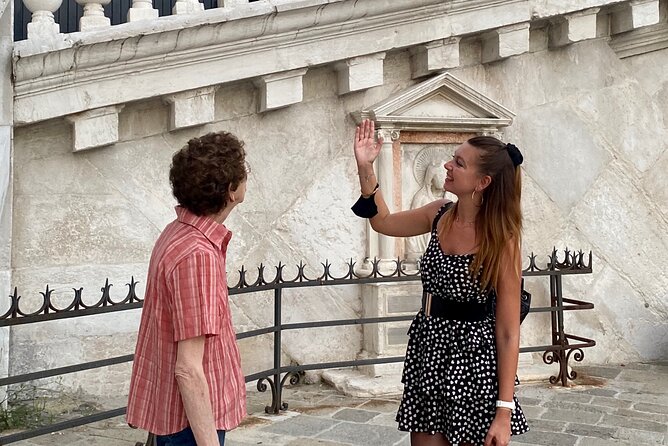
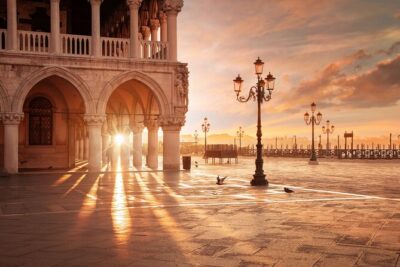
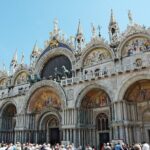
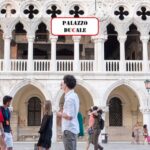
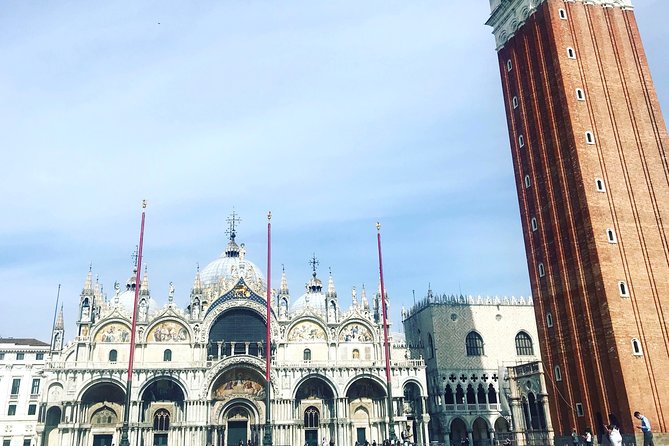
Finally, you reach Piazza San Marco, and the tour shifts from broad orientation to “look closer” storytelling. You’ll see the famous monuments from the outside—Doges’ Palace, Sansovino Library, the Bridge of Sighs, the Bell Tower, Procuratie—and your guide shares secrets and details people often miss while walking past them.
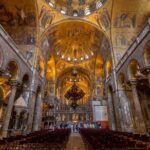
This stop is also where you get direct answers to the questions many visitors wonder about: why Venice was built on water, when Venice was built, why St Mark’s Basilica can feel strangely Oriental in style, and whether Venice is sinking. The guide frames these ideas so you leave with a clearer mental map of how Venice became Venice.
One highlight can be a hidden jewel choice on certain days, such as scala Contarini del Bovolo. Even when you’re not going inside major sites, the point is to show you that Venice has layers—small structures and staircases that add up to the bigger story.
Dorsoduro Across the Water: La Salute and Plague Legends

On the way into San Marco, you also get a look toward Dorsoduro, with a viewpoint that frames La Salute Church across the Grand Canal. The guide brings in a real historical narrative thread: the story of the black plague, tied directly to the city’s beliefs and responses.
This matters because it adds emotional context. Venice doesn’t just look beautiful—it reflects fear, faith, survival, and community decisions. By connecting a church silhouette to a specific event, the tour helps you see the city as lived-in history, not a museum.
Price and Value for a 2-Hour Small-Group Introduction
At $81.28 per person for about 2 hours, this tour is priced like a premium “first day” orientation. That can sound steep until you think about what you’re getting: a local guide for the full time, a route that covers major zones (Rialto and San Marco), and viewpoint stops where you’re actually taught what to look for.
It also earns value by being efficient. You don’t just walk; you walk with interpretation. And because the group is capped at 10 travelers, you get more Q&A time and fewer bottlenecks than you would on bigger tours.
What’s not included is straightforward: snacks. The tour also notes admission not included for some segments, while several stops are listed as free admission. In practice, you’re mostly out on the streets and viewpoints, with the key pay-to-enter experiences avoided unless you decide to extend your day on your own.
Who Should Book This Tour (and Who Might Skip It)
This is ideal for:
- your first visit to Venice and your first day planning
- you want structure without sitting through lectures
- families with kids who do better with stories than long museum hours
- anyone who likes their sightseeing to include “why,” not just “what”
You might skip it if:
- you already know Venice well and want deep-only museum time
- you prefer long, slow wandering with no set route
- you don’t like walking on uneven streets and bridges
Should You Book This Venice Sightseeing Kickstart Tour?
I’d book it if you want to understand Venice quickly. The route makes sense—Rialto first, then market and canal views, then the grand finale at San Marco. The guide approach matters too: you’re not left with generic facts. You get a resident-style perspective and a lot of street-level details that help you keep seeing meaning after the tour ends.
If you like clear orientation, photo-worthy viewpoints, and stories tied to places you’ll revisit later, this is a strong use of your time in Venice. Just plan for comfortable shoes and a steady walking pace, because this is a real walk, not a slow ride.
FAQ
How long is the tour?
It runs about 2 hours.
Where does the tour start and where does it end?
It starts at Campo San Polo, 30125 Venezia VE, Italy and ends at Piazza San Marco.
Is this a small group?
Yes. The tour is limited to a maximum of 10 travelers.
Do I need to buy tickets for the sights?
The tour uses a mobile ticket. Several stops list admission as free, while some segments note admission not included. For San Marco, the major monuments are viewed only from the outside.
What’s included in the price?
The tour includes the guided walk, photo stops, visits in the Rialto historical area, a viewpoint of the Rialto Bridge, and tips and suggestions for your stay.
Is snacks included?
No, snacks are not included.
Is the tour good for people with walking limits?
It requires moderate physical fitness and involves walking on Venice’s streets and bridges.
Do I need to pay a Venice access fee?
On certain dates, day visitors staying outside Venice may need to pay a €5 access fee. You can check details and exemptions at https://cda.ve.it.
What happens if weather is bad?
This experience requires good weather. If it’s canceled due to poor weather, you’ll be offered a different date or a full refund.