REVIEW · VENICE
Venice: Around Vivaldi Concert Ticket
Book on GetYourGuide →Operated by More Than Web s.r.l. · Bookable on GetYourGuide
Vivaldi’s music sounds different here. In the church of Santa Maria della Pietà, you’ll hear a baroque program built around Vivaldi and then expanded with other key composers, all in a room tied to his work. I especially like the acoustics (baroque loves this kind of space) and the way the concert links Vivaldi to his era through additional masters. One drawback to plan for: the rules are strict, including no cellphones and no audio recording.
This is a simple ticket—$40 for about 1.5 hours—but it pays off if you want something musical that actually feels Venetian. The setting matters here too: the venue sits in the area between St. Mark’s Square, the Doge’s Palace, and the Arsenale, so you can tack it onto a classic day without adding complicated transport. The big question is whether you’ll enjoy a program that’s centered on Vivaldi’s works and baroque cousins rather than a guaranteed one-hit playlist.
In This Review
- Key things to know before you go
- A 90-minute baroque detour at Santa Maria della Pietà
- Where the concert fits in Venice’s map
- The Around Vivaldi program: Vivaldi first, then baroque all-stars
- What you’ll hear from Vivaldi
- The composers who expand the circle
- Inside the concert: why Santa Maria della Pietà changes how music feels
- Concert rules you must follow (so the sound stays clean)
- What the 1.5 hours actually feels like in practice
- Who should book this ticket?
- Price and value: is $40 worth a ticket here?
- Should you book Around Vivaldi in Venice?
- FAQ
- Where is the meeting point for the concert ticket?
- How long is the Around Vivaldi concert?
- What is included with the ticket?
- How much does the ticket cost?
- Are cellphones and audio recordings allowed inside the church?
- What items or behaviors are prohibited during the concert?
Key things to know before you go
- A church linked to Vivaldi’s long work: he wrote, conducted, and created music there for decades.
- Vivaldi-first programming: works drawn from Estro Armonico and Stravaganza, plus opera arias and sacred music.
- Then the baroque neighborhood expands: composers like Albinoni, Marcello, Tartini, Boccherini, plus Bach, Marais, Handel, Mozart, and others.
- A performance built for sound: the room’s acoustics are a standout part of the experience.
- Strict concert etiquette: no smoking, no food or drinks, no flash photos, and no cellphones or recording.
A 90-minute baroque detour at Santa Maria della Pietà
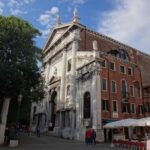
If you’re spending time in Venice’s most famous maze of streets, it’s easy to fill your day with sights. This ticket is different: it swaps the checklist for a focused hour-and-a-half of music in a place that mattered to Antonio Vivaldi. You’re not just attending a random concert—you’re showing up in the Vivaldi Church of Santa Maria della Pietà, at a site tied to the composer’s decades of work.
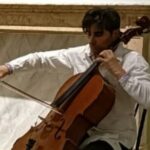
The experience has a clear rhythm. The program starts with Vivaldi’s masterpieces—think large, dramatic baroque melodies and the style that made him famous—and then it broadens outward to other composers of the same era (and a few major names from later baroque and beyond). For me, that structure helps the music land. Instead of hearing isolated highlights, you get a sense of how these composers sounded in the same time window and how musical ideas traveled.
Practical note: you’ll want to treat it like a real concert, not a sightseeing pause. There are rules, and they’re there for a reason—quiet, clean listening. If you’re the type who needs your phone in hand, this isn’t that kind of evening.
You can also read our reviews of more tours and experiences in Venice
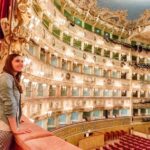
Where the concert fits in Venice’s map
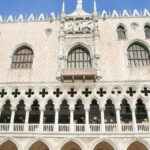
The church is in a super-scenic pocket of Venice. The description places Santa Maria della Pietà between St. Mark’s Square and the Doge’s Palace, with the Arsenale nearby. That’s useful because it means you can plan the concert as a natural stop on a walk-based day rather than adding a transit puzzle.
Your meeting point is straightforward: Chiesa della Pietà – Santa Maria della Visitazione. In Venice, names like Pietà can show up on multiple signs, so I’d plan to find the meeting point by name and then arrive calmly. If you’re heading over from St. Mark’s, you’ll likely notice you’re moving away from the densest tourist flow and into a more local street rhythm.
Timing also matters. The concert is 1.5 hours, so it’s short enough to fit before or after a major sight without messing up your day. If you’re juggling the church visits, the Doge’s area, and maybe one water route, this kind of time block is a lifesaver.
The Around Vivaldi program: Vivaldi first, then baroque all-stars
This concert is built around a theme: “Around Vivaldi.” That means Vivaldi is the center of the stage, but you don’t stay in a one-composer bubble.
What you’ll hear from Vivaldi
You can expect works connected to Vivaldi’s most famous baroque output. The program specifically mentions:
- Estro Armonico
- Stravaganza
- Opera arias
- Sacred music
That combination matters. Estro Armonico and Stravaganza are the kind of sets where you hear Vivaldi’s flair for rhythm, bold phrasing, and the baroque love of contrast. Then opera arias bring a different energy—more vocal drama, more emotional shape. Sacred music shifts the mood again, and it tends to sound especially compelling in a church setting tied to Vivaldi’s work there.
The composers who expand the circle
After Vivaldi, the concert includes additional baroque composers such as:
- Albinoni
- Marcello
- Tartini
- Boccherini
It also reaches beyond Italy, with composers like:
- Bach
- Marais
- Handel
- Mozart
- and others
I like this approach because it answers the question you might have while listening. You hear the Vivaldi style, and then you can start spotting relatives—how different composers treated similar baroque tools: melody patterns, tension and release, and how instruments and voices interact.
If you’re hoping for one specific Vivaldi piece (for example, many people associate Vivaldi with particular famous works), here’s the smart move: confirm the exact program on the booking page before you go. The description tells you the concert is centered on Vivaldi and related sets, but it doesn’t list every movement in detail.
You can also read our reviews of more tours and experiences in Venice
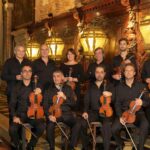
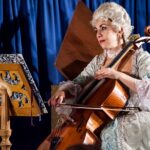
Inside the concert: why Santa Maria della Pietà changes how music feels
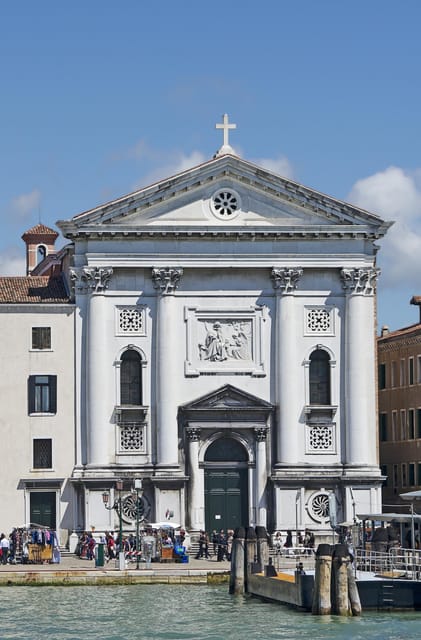
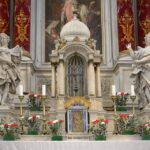
The venue isn’t a random historic backdrop. It’s described as acoustically unforgettable, and it’s also tied directly to Vivaldi’s career. The church area is where he worked for about 40 years, creating and conducting music.
That background matters in a way that’s hard to quantify. The sound of baroque music is all about articulation—how quickly notes speak, how clean the harmony feels, and how the room supports the phrasing. In spaces with strong acoustics, the music can feel more “alive,” like the notes are bouncing gently off the air rather than fading immediately.
I also think this kind of setting helps first-timers. If you’re new to baroque, it’s easy to hear it as fast and technical. In a good acoustic room, you can more easily follow the emotional shapes: excitement, calm, intensity, release.
One more small detail: seating gets mentioned as important. I’d treat that as a hint to arrive early. If you show up right at the start time, you may end up with less comfortable positioning. Give yourself a few minutes to settle in and get your bearings.
Concert rules you must follow (so the sound stays clean)
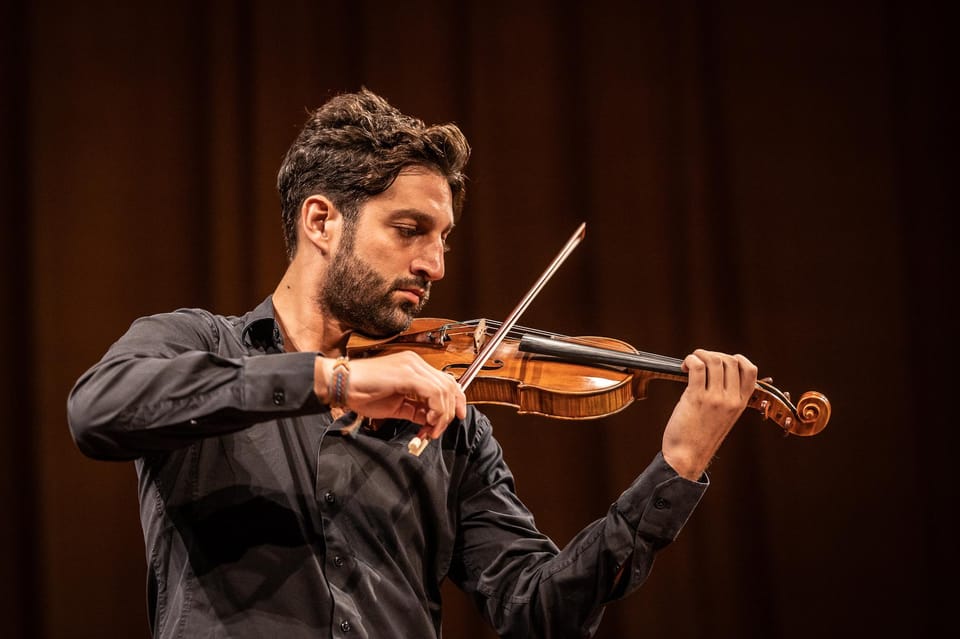
You don’t need to study etiquette manuals for this one, but you do need to follow the house rules. Inside:
- No smoking
- No food and no drinks
- No flash photography
- No cellphones
- No audio recording
This is a big deal, not just for manners. Turning off devices and avoiding recording helps keep the performance focused and lets the acoustics do their job. It also keeps the experience respectful for everyone sitting around you.
If you’re thinking you can multitask, don’t. Plan to arrive with everything you need. Keep your phone out of sight, too—cellphone restrictions in churches are usually taken seriously.
What the 1.5 hours actually feels like in practice
A 90-minute concert is long enough for music lovers to feel satisfied, but short enough that you can still have energy afterward. You’re not stuck on a half-day schedule. It’s a good option if your Venice day already includes walking, museum time, and a couple of landmark stops.
In a perfect setup, you’d:
- Walk around St. Mark’s/Doge’s area earlier.
- Come to Pietà when your legs need a break.
- Let the music reset your brain before continuing your day.
Because the program is Vivaldi-centered and includes a mix of instrumental works and vocal pieces (opera arias and sacred music are specifically mentioned), it tends to hold attention. The “Around” part also helps you avoid listening fatigue. You’re not just tracking one compositional style for 90 straight minutes.
Who should book this ticket?
This is a strong fit if you want:
- Vivaldi as the main event
- a concert in a meaningful Venice location, not a random hall
- baroque music with a clear time-and-style connection
It’s also a great choice if you’re curious about how Vivaldi’s work ties into the broader baroque world. The composer list isn’t limited to one country or one composer pool, so you get a sense of what was happening in that musical era across Europe.
You might consider skipping if:
- you need your phone in hand during performances
- you’re only interested in one exact famous Vivaldi piece and don’t want any flexibility in the program
- you prefer purely contemporary performances or modern staging (this is classic baroque concert format)
Price and value: is $40 worth a ticket here?
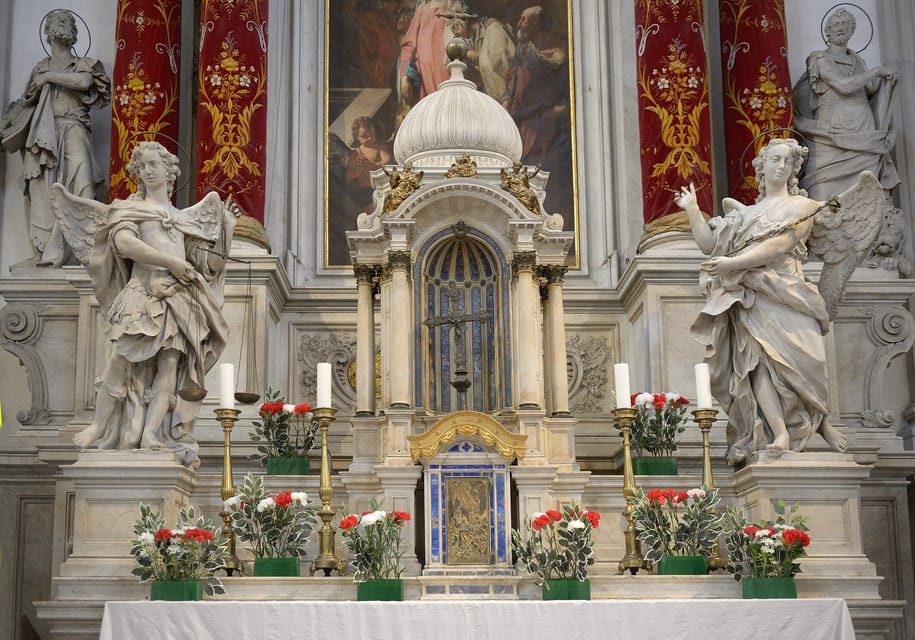
At $40 per person for about 1.5 hours, you’re paying for a few things at once: a meaningful venue, a focused program, and music tied to Vivaldi’s own setting. That combination is usually where concert tickets either feel overpriced or feel fair.
From a value perspective, I like that the ticket is simple and time-efficient. No long guided tour required to get the payoff. You’re buying time in a room that has a direct connection to Vivaldi’s career, plus a program that doesn’t just repeat the same flavor. It starts with Vivaldi’s major works and then brings in other important composers like Bach and Handel.
Also, it’s a well-reviewed experience, rated 4.7 out of 5 with 112 reviews. Reviews aren’t a magic truth serum, but they’re a useful signal when multiple people consistently praise the core experience. In this case, people highlight the performance and the venue acoustics—exactly the two things that matter most for a baroque concert.
Should you book Around Vivaldi in Venice?
If you like classical music at all—especially baroque—you should seriously consider booking. The ticket is short, the venue is tied to Vivaldi’s decades of work, and the program is designed to give you a musical “map” of Vivaldi’s world rather than a single-composer one-note experience.
Book it if:
- you want a high-quality break from Venice sightseeing
- you value excellent acoustics and respectful concert etiquette
- you’re curious about Vivaldi and how his style connects to other baroque masters
Skip or think twice if:
- you hate strict rules (phones, recording, no food/drinks)
- you need a fully open-ended experience with lots of walking and mingling
- you’re only interested in one specific Vivaldi piece and don’t want to check the day’s exact program first
If you do book, go in with one mindset: sit still, listen closely, and let the church shape the sound. That’s where the real payoff is.
FAQ
Where is the meeting point for the concert ticket?
You should go to Chiesa della Pietà – Santa Maria della Visitazione.
How long is the Around Vivaldi concert?
The concert lasts about 1.5 hours.
What is included with the ticket?
Your ticket includes entry to the concert Around Vivaldi in the Pietà Church.
How much does the ticket cost?
The price is $40 per person.
Are cellphones and audio recordings allowed inside the church?
No. Cellphones are not allowed, and audio recording is also not allowed.
What items or behaviors are prohibited during the concert?
Smoking is not allowed, and there is no food or drinks. Flash photography is not allowed, and you also can’t record audio.