REVIEW · VENICE
New – Maleficia: Inquisition, Torture and Witchcraft between the centuries
Book on Viator →Operated by CITY TOURS CO. LTD · Bookable on Viator
A prison palace in Venice tells a different story. This Maleficia exhibition uses Inquisition documents and justice instruments to explain how the Holy Office targeted alleged witchcraft, and it does it in the very setting where the Venetian Republic handled matters of punishment from the 15th to 18th centuries.
What I like most is the focus on objects you can actually look at—not just ideas. You get to see original materials and reproductions that relate to persecution of witchcraft, and you’re also given a clear sense of how justice worked through the tools and records used by authorities.
One potential drawback: it’s a short visit (about an hour), so if you’re hoping for a long, spell-by-spell explanation of witchcraft beliefs, you may feel the emphasis lands more on the legal machinery than on the folklore itself. Also, a couple of people found the meeting spot a bit hard to identify at first because the building signage can look like it’s for another exhibit.
In This Review
- Quick hits before you go
- Why Venice’s prison palace matters more than the topic
- Entering the Circolo Artistico area and getting oriented
- What you’ll see inside: documents, objects, and instruments of justice
- The Inquisition angle: why the exhibition feels like legal history
- Casanova in a prison setting: the surprise detail that sparks questions
- The 1-hour pacing: enough time for a museum stop, not a full thesis
- Meeting points, mobile tickets, and the “where do I stand?” problem
- Price and value: $11.56 for a Venice “small story” museum stop
- Who should book, and who might want to skip
- Should you book Maleficia: Inquisition, Torture and Witchcraft?
- FAQ
- FAQ
- Where does the Maleficia tour start?
- How long is the experience?
- What is included in the price?
- Do I need to print anything?
- How far in advance should I book?
- Is there a refund if my plans change?
- Is there any extra fee for day visitors outside Venice?
- How big is the group?
- Is the venue easy to reach using public transportation?
Quick hits before you go
- Prisons’ Palace setting: the story plays inside Palazzo delle Prigioni, which makes the topic feel less abstract
- Original documents and reproductions: you’re not just hearing theory; you’re looking at trial-era materials
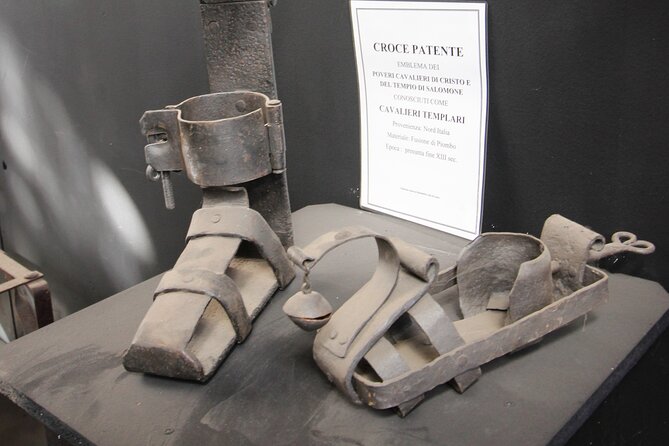
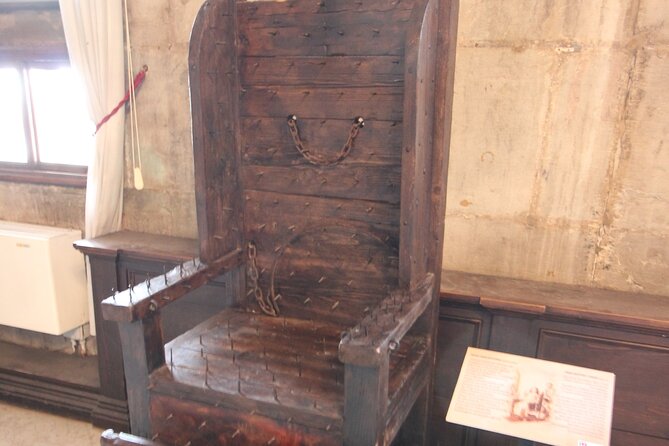
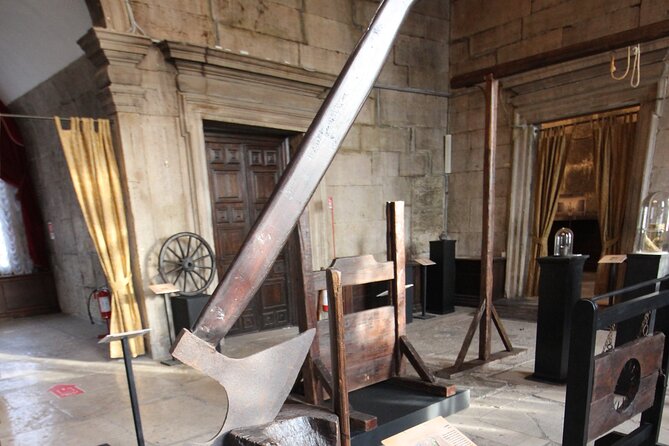
- Justice tools, not just witchcraft talk: you’ll see instruments used to counter alleged wrongdoing
- Small group limit (15): it keeps the pace from feeling like a rush-through
- About an hour long: good for a tight itinerary, but not for a deep, multi-hour museum day
- Meeting point clarity can be tricky: arrive a few minutes early and use the exact address
Why Venice’s prison palace matters more than the topic
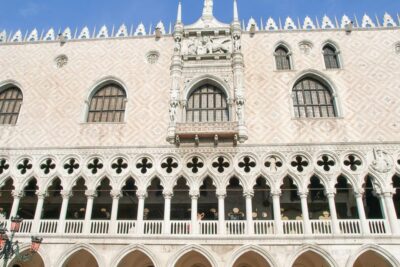
Venice has a talent for turning paperwork into theater. Inside the Palazzo delle Prigioni, the whole Maleficia topic lands with extra weight because the exhibition is staged in the prison environment associated with centuries of punishment and control. That contrast helps you understand why the people of that era took accusations seriously—even when modern eyes question the logic.
I also like that the exhibition doesn’t treat witchcraft like a cartoon mystery. It frames accusations as part of a system, with documents and “proof” created and handled by authorities. When you can point at records and objects tied to that process, the subject feels grounded, not sensational.
You can also read our reviews of more tours and experiences in Venice.



Entering the Circolo Artistico area and getting oriented
Your tour meet-up point is Circolo Artistico – Palazzo delle Prigioni at Riva degli Schiavoni, 4209, 30122 Venezia VE. The experience ends back at the same point, so you’re not guessing your way across town after the visit.
Plan to arrive a few minutes early. One common complaint is that signage on the building can suggest a different exhibit, and the tour operator may not be obvious in the moment. If you show up with your mobile ticket ready and you stand near the correct entry area, you’ll save yourself the awkward “wait and hope” moment.
The good news: this is near public transportation, and the visit format is built for most people to participate. If you’re doing Venice sightseeing and want something that’s different from churches and bridges, this fits well.
What you’ll see inside: documents, objects, and instruments of justice
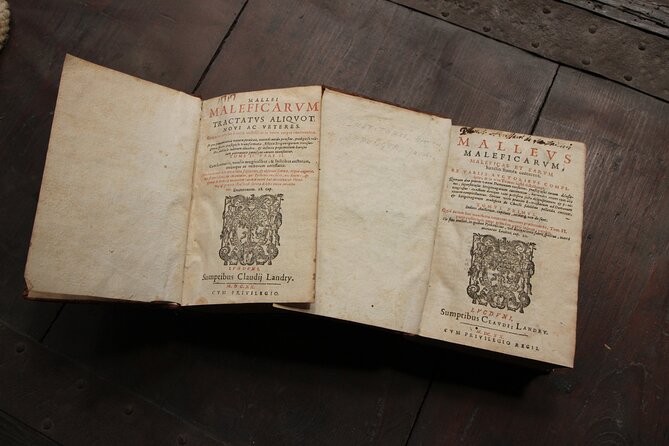
Maleficia is built around a guided walk-through of materials connected to the Holy Office and witchcraft persecution. Expect to spend most of your time inside the Palazzo delle Prigioni space looking at exhibits that combine original artifacts and reproductions. That mix matters, because reproductions can help explain context when originals are hard to interpret on sight.
Here’s the core focus you should keep in mind: the exhibition centers on the tools and records used in the persecution of witchcraft. The museum description specifically calls out ancient documents used by the Holy Office and the instruments of justice employed to counter alleged magical crimes. Even when you disagree with the worldview behind those cases, it’s a serious look at how institutions handled accusations.
You’ll also get a sense of the long timeline—between the 15th and 18th centuries. That range is important in Venice, because the city’s power and bureaucracy changed over time. In a short, guided format, the exhibit’s job is to connect those dots fast.
The Inquisition angle: why the exhibition feels like legal history
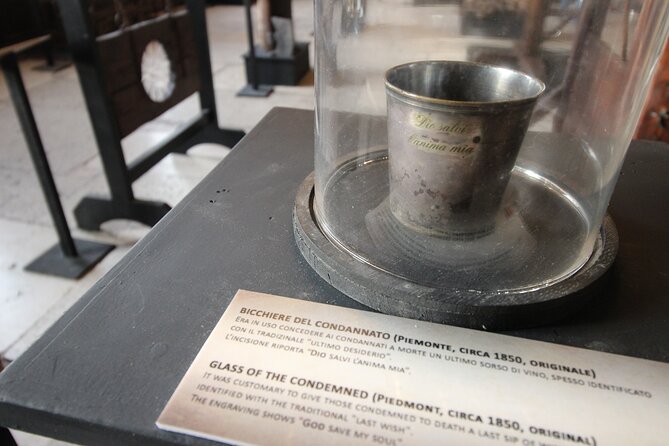
This isn’t a fantasy museum about torture myths. It’s more like legal history with a disturbing edge. The description points to the Tribunal of the Inquisition in the palace setting and highlights how condemned women accused of evil spells and magical arts were dealt with.
One reason the story is memorable is that it connects witchcraft accusations to authority structures. The exhibition suggests that what mattered most wasn’t only the belief in witchcraft; it was the procedure. Once you see documents and objects tied to that procedure, you start to grasp how suffering was produced by administrative power.
And yes, it asks you to reflect on what people endured. That’s the emotional core of the experience: a reminder that torture and execution weren’t just dramatic moments; they were outcomes of systems.
Casanova in a prison setting: the surprise detail that sparks questions
One of the most intriguing elements mentioned is the case of Giacomo Casanova, accused in connection with magic and the occult. Whether or not you already know his story, seeing his name brought into a prison-and-inquisition context prompts immediate questions.
Why include Casanova here? Because it underlines that accusations weren’t always limited to the typical stereotype of who gets targeted. In a place like Palazzo delle Prigioni, that small shift makes the topic feel less like distant folklore and more like something that could touch anyone the authorities chose to question.
If you like your history with a few jolts, this is one of the moments that can turn a museum stop into a conversation with your own brain as you walk.


The 1-hour pacing: enough time for a museum stop, not a full thesis
The duration is about 1 hour, with admission ticket included. For your planning, treat it like a focused museum visit, not an all-day exploration. It’s ideal when you’re doing Venice in “chunks”: one morning at major sights, one afternoon for smaller, weirder topics.
There’s also an honest tradeoff. A short guided route means you’ll likely get an overview of techniques and processes rather than a slow, detailed breakdown of every accusation angle. One account specifically noted that references to witchcraft itself can feel minimal compared to the discussion of torture methods and confession-driven justice. So if that’s your main interest, plan for the visit to be more about institutional mechanisms than about spell-lore.
On the flip side, the short time is a plus if you don’t want to sit through a long lecture while touring a busy city. You’ll get something real, and then you’ll still have energy for the streets outside.
Meeting points, mobile tickets, and the “where do I stand?” problem
This experience uses a mobile ticket. That’s usually straightforward, and it keeps you from hunting down paper vouchers in your bag. Still, the meeting point can be the tricky part. A negative review described confusion because building signage showed a different exhibit, and the operator wasn’t easy to spot.
So here’s my practical advice: stand at the meeting address and look for any official check-in cues associated with the activity. Then, if nothing is visible, don’t wander far—ask on-site staff or check you’re at the correct Circolo Artistico / Palazzo delle Prigioni entry area.
Price and value: $11.56 for a Venice “small story” museum stop
At $11.56 per person, this is priced like an accessible museum add-on. The value comes from three things: the prison palace location, the guided format, and the emphasis on physical exhibits (documents and instruments). You’re not paying for a long show or a massive complex; you’re paying for a concentrated experience that fits into a tight day.
Also, the group size is capped at 15 travelers. That can matter more than it sounds. Smaller groups usually mean less crowd pressure and a better chance to hear what the guide is saying, especially in a museum setting where the objects themselves do the talking.
One more planning point: the average booking is about 10 days in advance. That’s a gentle nudge to reserve ahead if your dates are busy, especially in peak season.
Who should book, and who might want to skip
This works best if you want a guided look at Venice’s Inquisition-era persecution themes with hands-on exhibits and a prison-pavilion setting. It’s a good fit if you like history that connects law, documents, and daily reality rather than focusing only on myths.
It may not be your best choice if you’re looking for a long, academic lecture or a deep, balanced lesson on witchcraft folklore. The format is short, and the emphasis can lean toward the judicial and confession-getting side of the story. If you’re sensitive to topics involving torture and execution, you should also read the exhibit description carefully and decide whether this is the kind of experience you want in your trip.
Should you book Maleficia: Inquisition, Torture and Witchcraft?
Book it if you want a short, guided, prison-palace museum experience in Venice that centers on original-style documents and justice instruments. The $11.56 price is low enough to take a chance, and the small group size keeps it from feeling like a conveyor belt.
Skip—or at least reconsider—if your main goal is a long witchcraft-belief deep dive or if you hate experiences where meeting points might be unclear at first. Show up early, confirm you’re at Circolo Artistico – Palazzo delle Prigioni on Riva degli Schiavoni, and you’ll set yourself up for a smooth visit.
FAQ
FAQ
Where does the Maleficia tour start?
It starts at Circolo Artistico – Palazzo delle Prigioni, Riva degli Schiavoni, 4209, 30122 Venezia VE, Italy, and it ends back at the same meeting point.
How long is the experience?
The tour lasts about 1 hour.
What is included in the price?
Admission ticket is included, and the tour is listed as about $11.56 per person.
Do I need to print anything?
No. It uses a mobile ticket.
How far in advance should I book?
On average, this is booked about 10 days in advance.
Is there a refund if my plans change?
Yes. You can cancel up to 24 hours before the visit for a full refund.
Is there any extra fee for day visitors outside Venice?
On certain dates, visitors staying outside Venice who plan to visit for the day may need to pay a €5 access fee. For details and exemptions, the site referenced is https://cda.ve.it.
How big is the group?
The experience has a maximum of 15 travelers.
Is the venue easy to reach using public transportation?
It is described as near public transportation, and most travelers can participate.