REVIEW · VENICE
Learn to Row in the Venice Canals
Book on Viator →Operated by Venice On Board · Bookable on Viator
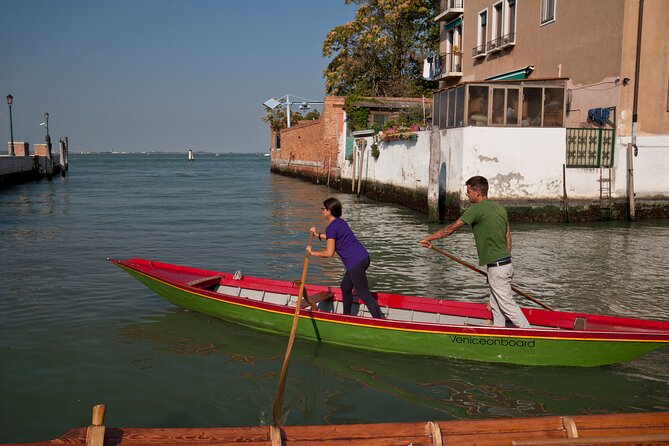
Venice from water, and you hold the oar. This 90-minute learn-to-row experience takes you into Cannaregio’s quieter canals, where you dodge the sidewalk crush and see real daily Venice from the water. You start with a short briefing on traditional Venetian boats and the work being done to keep this craft alive, then you get hands-on at the oar.
I love that the lesson is practical: you don’t just sit there. You learn technique with a local, born-and-raised guide—people like Stefano, Nicola, Emiliano, and Frederico are specifically praised for clear instruction and a calm, friendly teaching style. The group size is capped at 6, which matters because you actually get time to practice.
One consideration: this is weather-dependent, and it’s only about 1.5 hours. If you’re hoping for a long, passively scenic boat tour, you may find you want more time afterward.
In This Review
- Key highlights to know before you go
- Venice rowing is the antidote to the gondola line
- What $95.54 buys you in the real world
- Meet at Cantiere Nautico Navale Casaril and plan for the timing
- The lesson starts on land: boats, recovery work, then practice
- Stop 1: Chiesa della Madonna dell’Orto from the waterline
- Stop 2: Ghetto Ebraico canals for a quieter kind of Venice
- Stop 3: Fondamenta Dei Ormesini and the slow rhythm of daily canals
- Stop 4: Campo dei Mori for a look at real neighborhood geometry
- Stop 5: Casa del Tintoretto and boats connected to art
- Why these guides earn the highest praise
- Weather, duration, and who this fits best
- Should you choose this over a gondola ride?
- A note on what you’ll actually be doing on the boat
- Booking tips so you don’t miss your slot
- FAQ
- FAQ
- How long is the Venice learn-to-row experience?
- What language is the instruction offered in?
- Where do I meet for the tour?
- How big are the groups?
- What if the tour can’t run because of weather?
- Is it okay for people with service animals?
- Should you book this learn-to-row canal session?
Key highlights to know before you go
- Small group size (max 6 people) means more coaching and less waiting around
- You row, not just watch with real instruction that helps you steer and handle the oar
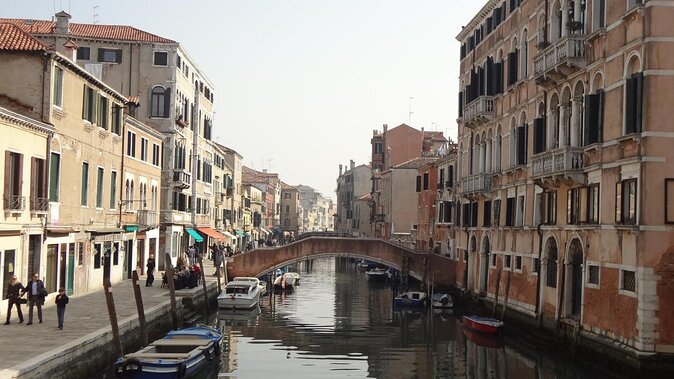
- Canal route through calmer neighborhoods like Cannaregio and the area around the Ghetto Ebraico
- Historic context before the water time includes why traditional boat skills still matter
- Gondolier-style details like the forcola can come up during the lesson
- Better value than a gondola-only outing because you trade a seat for a skill
Venice rowing is the antidote to the gondola line
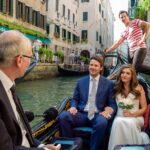
A good gondola ride shows you Venice. A gondola ride plus a rowing lesson shows you Venice and teaches you why the waterways work the way they do. Here, the focus is on the boat culture that still shapes how locals move through the city.
The big payoff is simple: you trade “tourist views from the back” for “local views from the oar.” You’ll glide through canals that feel more peaceful than the main tourist corridors, so your photos look less like crowds and more like Venice-as-it-is.
You can also read our reviews of more tours and experiences in Venice.
What $95.54 buys you in the real world
At about $95.54 per person for roughly 1 hour 30 minutes, this isn’t a cheap add-on. It’s also not trying to be a bargain gondola ticket.
The value comes from three things you can feel on the water:
- Instruction time: you’re learning technique, not only sightseeing.
- Access to quieter canals: you get a different angle of the city than the usual foot-traffic routes.
- Mission and preservation talk: there’s a clear emphasis on keeping traditional boating skills alive through restoration and recovery work.
Also, bookings tend to fill in advance (on average, about 60 days ahead). If you want a specific day, plan early rather than hoping for last-minute openings.
Meet at Cantiere Nautico Navale Casaril and plan for the timing
You’ll meet at Cantiere Nautico Navale Casaril S.r.l. 3009/H, C. del Magazzen, 30121 Venezia VE, Italy, and the activity ends back at the same meeting point. That round-trip setup is handy: you don’t have to figure out a complicated second transfer after you finish.
This tour runs in English and provides a mobile ticket, which keeps things smooth. If you’re traveling with a group, the max size of 6 people also means your start time is likely to feel more controlled than bigger walking tours.
One logistical detail to keep on your radar: on certain dates, people visiting Venice for the day who stay outside the city may need to pay a €5 access fee. Check https://cda.ve.it for the specific days and any exemptions.
The lesson starts on land: boats, recovery work, then practice
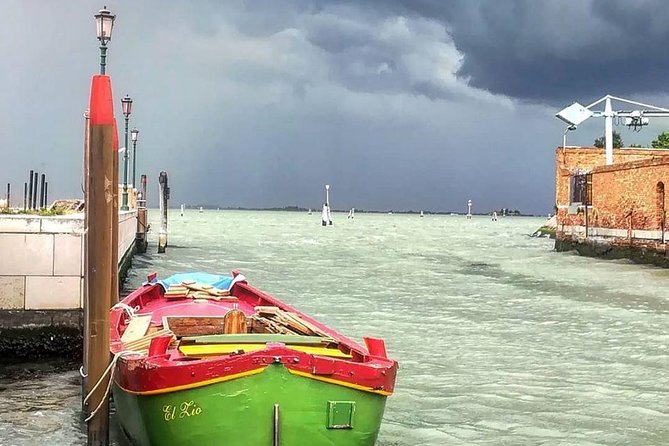
Before you hit the canals, you get a brief introduction covering the history of traditional Venetian boats and the recovery work connected to preserving rowing culture. This isn’t just trivia. It frames what you’re about to do and why the technique matters.
Then you transition into the rowing basics. Expect a hands-on format with clear coaching that helps you:
- understand how the oar works,
- learn how to handle the boat with control,
- and get comfortable moving in the tight canal environment.
Multiple guide styles show up in the feedback (Stefano, Nicola, Emiliano, Frederico), but the common thread is simple: they teach patiently and keep it fun. You’re not doing a hard workout, but you do learn a skill that feels genuinely different from sitting on a gondola.
Stop 1: Chiesa della Madonna dell’Orto from the waterline
Your first named stop is Chiesa della Madonna dell’Orto. From the canal, it’s one of those Venice moments where you instantly notice how the city’s buildings and routes line up with the water.
Why this matters for the experience: it’s a calm start. You’re still in “intro mode,” so looking at a landmark while you’re learning your first steering and oar motions helps your brain connect the technique to real space.
The drawback? Early on, your attention is split between learning and looking. If you tend to miss details when you multitask, go easy on yourself here—the canals come into focus more as the session continues.


Stop 2: Ghetto Ebraico canals for a quieter kind of Venice
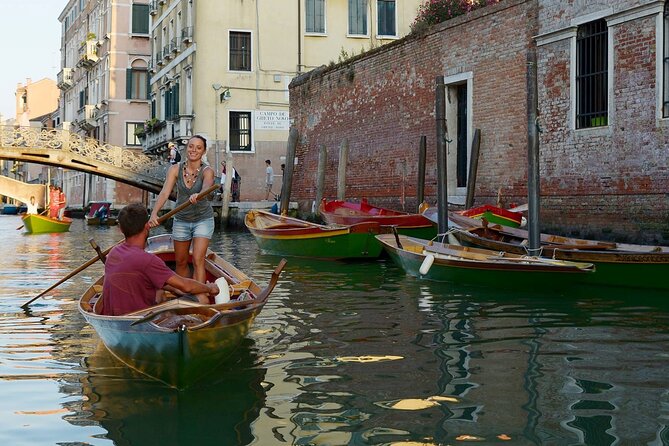
Next up: Ghetto Ebraico. This stop is a big reason the route feels more local and less staged. You’re not only seeing the area’s importance from foot-level sightseeing—you’re experiencing it at canal level.
From a rowing point of view, this segment also gives you the kind of gentle navigation practice that helps you build confidence. Venice waterways demand awareness, and the lesson builds toward that with real, on-water instruction.
One thing to consider: if your goal is purely scenic sightseeing, you’ll still be actively concentrating on rowing. That’s part of the trade-off—but it’s also what makes the experience memorable.
Stop 3: Fondamenta Dei Ormesini and the slow rhythm of daily canals
You’ll pass Fondamenta Dei Ormesini, which sounds like a street name because it is: a waterfront edge you move along by boat. This is the kind of canal-side view that’s hard to get on foot without ending up in tourist bottlenecks.
What you gain here is pacing. Rowing naturally slows everything down. Bridges, corners, and canal traffic become part of the rhythm, and the calmer residential feel is a major theme in the feedback.
The practical takeaway: this stop tends to be where you start thinking, wow, I’m actually seeing how Venice works.
Stop 4: Campo dei Mori for a look at real neighborhood geometry
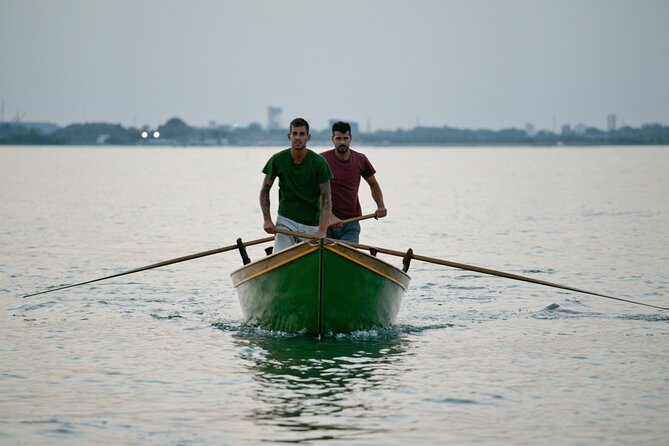
Your itinerary includes Campo dei Mori. Campi (squares) are a signature piece of Venice layout, and approaching the area by water highlights how boats and pedestrian spaces share the same city blocks.
In other words: you get both the geography and the sense of how people move around without thinking about it.
From a learning standpoint, this is also where you’re likely to feel your technique getting better. As you row, your awareness sharpens. You’ll understand why gondolieri and boat handlers maneuver the way they do, especially in narrow passages.
Stop 5: Casa del Tintoretto and boats connected to art
Finally, you reach Casa del Tintoretto. Even without turning this into a full museum visit, the name is a reminder that Venice is a city where art, craft, and tradition often sit next to each other.
For this tour, the art connection is more thematic than formal: the session ties the idea of tradition to something practical—rowing—and shows you how cultural heritage lives in daily water travel.
If you’re a fan of Venetian artists and their stories, you’ll probably enjoy this ending. If you’re only there for the rowing, it still works as a satisfying landmark moment before you return.
Why these guides earn the highest praise
This experience rises or falls on the instructor. And here, the feedback consistently points to guides who combine calm teaching with real local knowledge.
You’ll see names like:
- Stefano, praised for passion and clarity,
- Nicola, praised for the workshop atmosphere and authentic-feeling time on the water,
- Emiliano, praised for explaining equipment and making the technique click,
- Frederico, praised for kindness, hospitality, and clear gondolier-style explanation (including the role of the forcola).
What makes their instruction effective for you: they’re not only telling you what to do. They’re helping you feel how the oar works and how to control direction. That’s why so many people leave describing it as more fun and memorable than a standard gondola ride.
Weather, duration, and who this fits best
This activity requires good weather. If conditions don’t cooperate, you’ll be offered a different date or a full refund.
Duration is about 1.5 hours. It’s enough time to learn basics and take turns rowing, but it’s not meant to replace an all-day canal cruise. Plan it as a highlight block, not as your entire Venice water plan.
Who tends to love it most:
- people who want a hands-on experience in Venice,
- families looking for an active, calm activity (kids and teens often enjoy the novelty),
- anyone tired of paying for a seat when they’d rather learn a craft.
If you’re mobility-limited or worried about balance, the good news is the experience is described as having most travelers able to participate, and service animals are allowed. Still, this is done on the water, so it’s worth thinking about your own comfort level.
Should you choose this over a gondola ride?
You’re paying for something different here. A gondola ride can be beautiful, but it’s mostly about observation. This tour trades passive viewing for participation—plus a quick tutorial on the traditional boat culture behind the movements you see.
People also highlight that this route helps you see more of Cannaregio by canal and helps you avoid some of the worst sidewalk crowds. That’s a real quality-of-life factor in Venice: you don’t just arrive at the sights; you navigate to them from the water.
And yes, it can feel more affordable than expensive gondola outings, especially because the time you spend isn’t just sitting. You’re getting skill practice and instruction.
A note on what you’ll actually be doing on the boat
This isn’t portrayed as an extreme physical challenge. The general theme is that once you learn the basics, rowing feels manageable, and the time passes quickly because you’re engaged.
You should expect:
- a short intro,
- skill basics,
- then hands-on canal time where you take part in rowing.
Also, you’ll likely learn why modern speedboats changed what’s used today—one theme is that the original approach is no longer common, which makes this kind of lesson meaningful as preservation.
Booking tips so you don’t miss your slot
If you’re planning a trip in high season, book ahead. The average booking timing is about 60 days, and the group cap of 6 people means limited space per departure.
If you have a day-trip schedule and you’re outside Venice, double-check the €5 access fee calendar at https://cda.ve.it. That one can surprise people if their dates land on the wrong day.
Finally, keep weather in mind. The good-weather requirement means you’ll want a flexible plan around your rowing session.
FAQ
FAQ
How long is the Venice learn-to-row experience?
It lasts about 1 hour 30 minutes (approx.).
What language is the instruction offered in?
The experience is offered in English.
Where do I meet for the tour?
You meet at Cantiere Nautico Navale Casaril S.r.l. 3009/H, C. del Magazzen, 30121 Venezia VE, Italy, and you return to the same meeting point.
How big are the groups?
This activity has a maximum of 6 people.
What if the tour can’t run because of weather?
It requires good weather. If it’s canceled due to poor weather, you’ll be offered a different date or a full refund.
Is it okay for people with service animals?
Yes, service animals are allowed, and the experience notes that most people can participate.
Should you book this learn-to-row canal session?
Yes—if you want Venice by water and you’d rather learn a skill than just watch. The best version of this tour is the one where you leave with rowing basics, a new respect for gondolier-style handling, and views of Venice’s calmer neighborhoods from canal level.
I’d especially book it if gondola lines and tourist congestion make you grumpy. This route is designed to show you more residential Venice, and the small group size means you’re not stuck waiting for your turn.
If you need a long scenic cruise with zero effort, or you’re traveling on a day where weather is uncertain, then you might want to keep your schedule flexible. Otherwise, this is one of the more satisfying ways to experience the city’s waterways—because you’ll actually be part of the movement.