REVIEW · VENICE
Discover Venice’s most Photogenic Spots with a Local
Book on Viator →Operated by LocalBini - The go-to platform for Experiences by Locals in Europe · Bookable on Viator
Venice looks better with a local lens. This 1 hour 30 minute photo-focused walk pairs major sights with quieter angles, plus photo tips from your guide so you know what to shoot and where to stand.
I especially like the small group size (up to 8). You get hands-on guidance and recommendations, and the pace can flex to your comfort. One consideration: the route is mostly walking and classic stone steps and bridges, so it’s not recommended for guests with impaired mobility.
In This Review
- Key things to know before you go
- First stop: the Grand Canal stone bridge and fast photo strategy
- Rialto Bridge: where your guide turns a crowd into composition
- Palazzo Contarini del Bovolo and the Scala del Bòvolo view
- Piazza San Marco: the drawing-room energy in a shorter time
- Porta della Carta: a smaller stop with big character
- Golden mosaics inside the Byzantine basilica
- Bridge of Sighs: the quiet drama of a covered passage
- Canal Grande: carnival talk and local culture beyond the obvious
- Fondamenta de Fazza l’Arsenal: a smart ending for your next Venice chapter
- Price and value: why $164.43 can make sense in Venice
- Logistics that actually matter: timing, mobile tickets, and pace
- Who this tour is best for (and who should skip it)
- Should you book it?
- FAQ
- How long is the Venice photo tour?
- How many people are in the group?
- What language is the tour offered in?
- Are entry tickets or museum fees included?
- Where do I meet, and where does the tour end?
- Is the tour refundable if my plans change?
Key things to know before you go
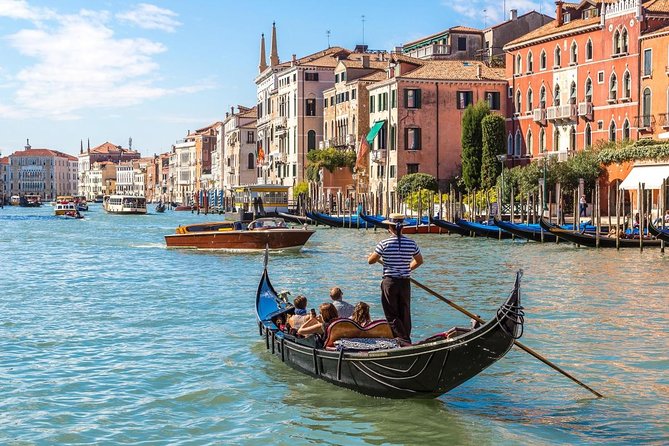
- Photo-first planning at famous viewpoints like Rialto and the Grand Canal.
- Small groups up to 8 mean you can ask questions and adjust your route on the fly.
- Hands-on guidance includes practical tips on getting angles and compositions right.
- Weather and interests shape the walk, with stops potentially shifting.
- You finish at Fondamenta de Fazza l’Arsenal, a great place to keep exploring on your own.
- Tickets and entries aren’t included, so you’ll want to plan for any museum or monument fees.
First stop: the Grand Canal stone bridge and fast photo strategy
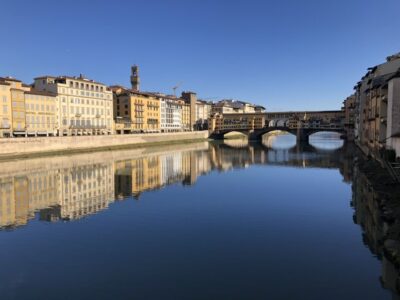
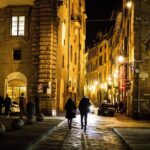
You start at Rio Terà Lista di Spagna, 122I, right by a stone footbridge over the Grand Canal. This is a smart warm-up. Before you hit the busy hubs, your guide helps you train your eye on Venice’s visual ingredients: water reflections, layered architecture, and the way light changes along the canal bends.
Here’s what I’d copy from a good guide in this first moment. Don’t start by photographing buildings head-on. Take 2 minutes to look for a “frame” effect: a bridge arch, a corner of masonry, or a row of windows that creates depth. Venice photos improve fast once you start thinking in layers, not landmarks.
Also, you get immediate feedback on what will work for your style. Some guides are great at tailoring the walk to what you personally want to shoot. Based on what I’ve seen from guides on this experience, Vittorio has a reputation for customizing the tour to guests’ expectations. That matters in Venice, where one photographer might want character streets while another wants strict, geometric compositions.
What to watch for: depending on where you’re standing at the canal, the wind can be real. Venice is photogenic even in breezy weather, but if you’re using a phone gimbal or tripod, be ready to adjust.
You can also read our reviews of more tours and experiences in Venice.
Rialto Bridge: where your guide turns a crowd into composition
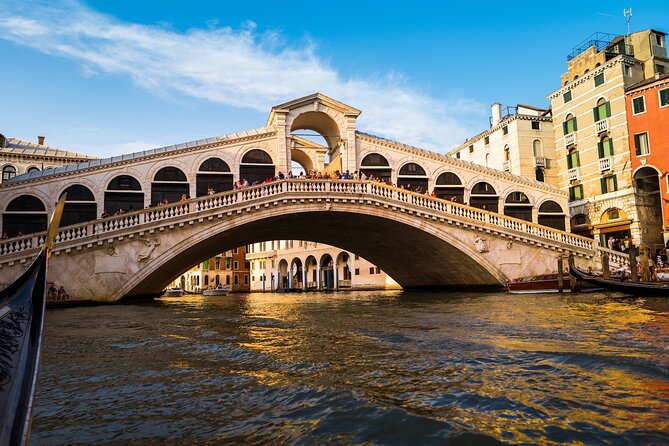
Then you move to Rialto Bridge, the kind of place where you can either fight the masses or get intentional with your shots. This stop is a classic for a reason: it’s dramatic, central, and it naturally offers a lot of vantage points.
What makes this experience worthwhile here is that you’re not just being shown Rialto Bridge as a checklist item. You’re learning how to photograph it. A local guide can help you spot angles that reduce clutter and make the bridge look like the star of the scene instead of the background.
A quick tip for better Rialto shots: shoot from slightly off to the side rather than trying to center everything. Venice likes diagonals. If you’re standing across the canal, look for the way the bridge lines pull you toward key buildings and boats. If you’re closer, use the edge of a canal wall or a parapet to create a leading line.
Potential drawback: Rialto is busy. Even with a small group, you should expect crowds around the main spots. The upside is that with guidance, you’ll spend less time standing in the least useful spot and more time collecting keepers.
Palazzo Contarini del Bovolo and the Scala del Bòvolo view
Next comes Palazzo Contarini del Bovolo, and specifically the famous Scala del Bòvolo. This is one of those Venice landmarks that feels “secret” until you realize it’s right in front of you. The spiral stair design is the kind of architecture that gives you photos with texture: repetitive shapes, curves, and the sense of movement up the building.
This stop is valuable because it breaks the pattern of photographing only the big, public icons. You get something more intimate—an architectural detail that still feels unmistakably Venetian.
What I’d focus on is the spiral’s rhythm. If you can, try shooting both:
- A wider view that shows the stair against the surrounding facade.
- A closer crop that emphasizes the curve and repetition.
A strong guide will help you place yourself so the building lines don’t look messy in your frame. When the tour works well, you leave this stop with at least one photo that feels like Venice beyond the postcard.
Piazza San Marco: the drawing-room energy in a shorter time
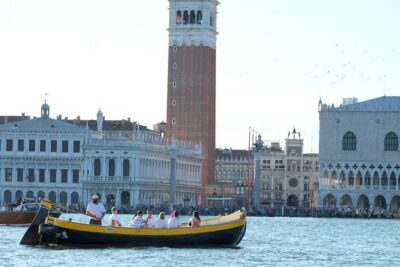
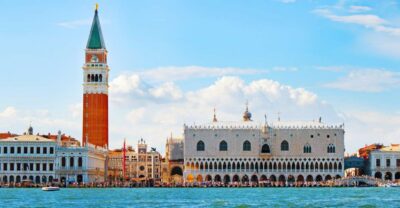
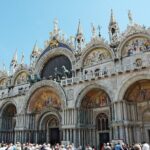
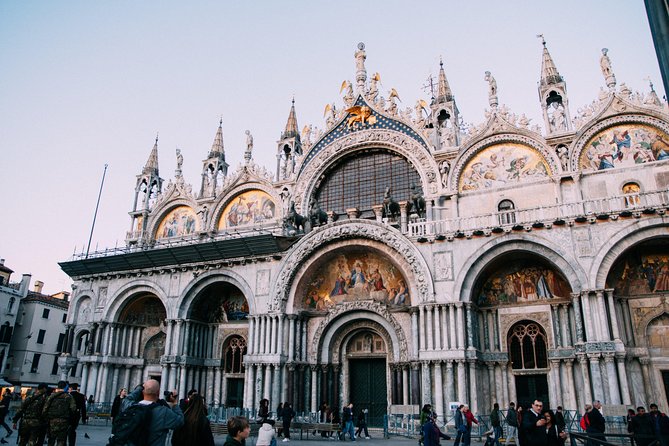
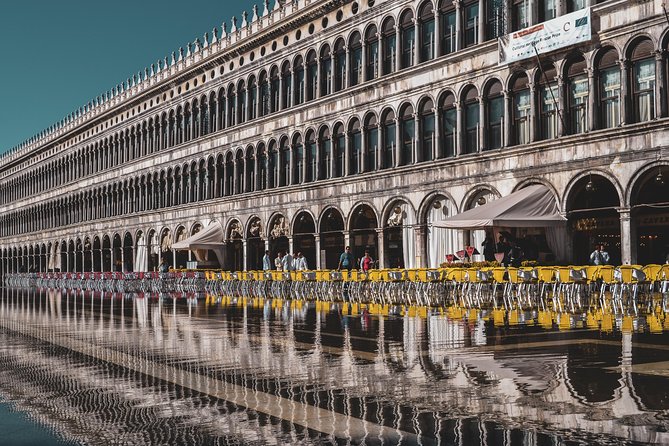
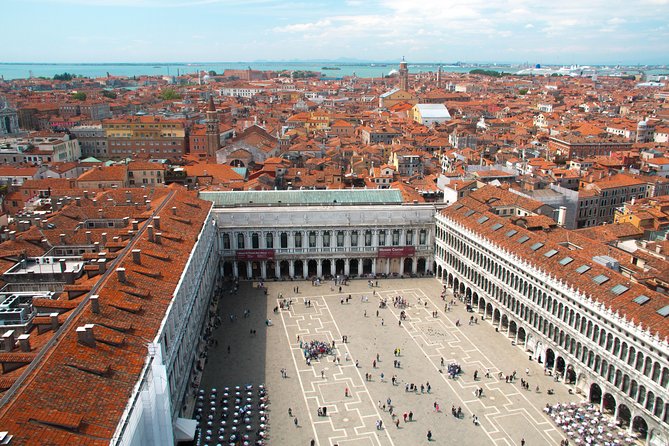
You then head to Venice’s largest and most important piazza: Piazza San Marco—the one that inspired Napoleon to call it the drawing room of Europe. You’ll feel that scale immediately. Even if you’ve seen photos, being there in person changes the experience: the space is grand, the light is bright and reflective, and the details are so dense that you need a plan.
In this tour, the piazza isn’t treated like a single photo opportunity. It’s more like a visual reset. Your guide helps you understand how the piazza “reads” as a whole: how the architecture lines up, where the eye naturally goes, and which corners offer the cleaner compositions.
What you’ll likely love here: the chance to go beyond the obvious center and try angles that catch the architecture and the sense of open space together. If you enjoy city photography—buildings, reflections, symmetry—this stop is where your camera can earn its keep.
Consideration: Piazza San Marco can feel overwhelming. If you prefer slow, quiet moments, give yourself permission to step back and breathe. The route adapts to walking pace, so you’re not forced to power through.
Porta della Carta: a smaller stop with big character
After the wide-open piazza, you get a change of mood at Porta della Carta. This is a worthy pause because it offers Venice in miniature—ornament, structure, and that slightly dramatic entryway feeling.
I like Porta della Carta in a photo tour because it’s an easy win for detail shots. You don’t need a perfect sky to make it look good. The design gives you lines and texture. With your guide’s help, you can frame it so the background doesn’t steal attention from the gate itself.
This stop also works as a “rest moment” in between the major Venice hotspots. You can take a few thoughtful photos and reset your feet.
Golden mosaics inside the Byzantine basilica
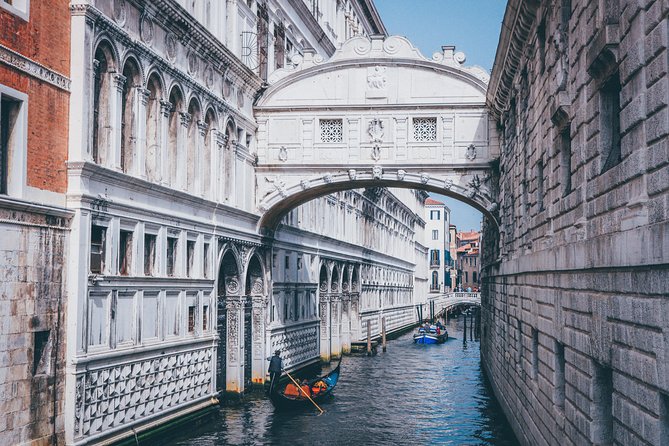
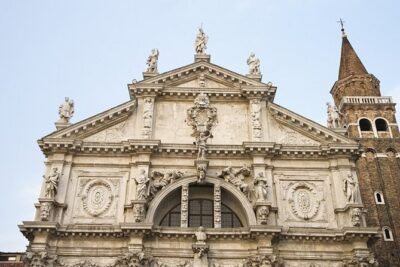
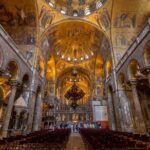
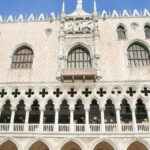
Then you move to a Byzantine basilica known for glittering golden mosaics inside. Outside Venice is famous for its light, but inside St Mark’s area the gold can be its own world. Your guide helps you understand where to look so you’re not just rushing in and out.
A practical photo note: gold mosaics often look best when you avoid direct glare. If your photos come out washed out, it’s usually because the lighting is too harsh or you’re shooting from a spot that catches reflections. A guide can help you choose viewpoints so the gold looks deep instead of flat.
Also, this is a stop where pacing matters. If you stay too long, you’ll start photographing the same angle again. If you move too fast, you’ll miss the best light shifts. The small-group format makes it easier to find the sweet spot.
Bridge of Sighs: the quiet drama of a covered passage
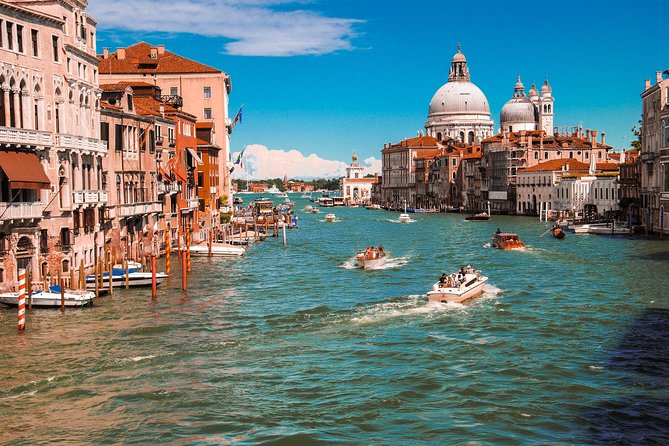
One of the most evocative parts of Venice is the enclosed passageway known for the sighs of prisoners who crossed it. Seeing it isn’t like seeing a simple bridge in daylight. It has a tone. The passage feels built for storytelling, and that emotional context can make your photos more than just visual.
Even if you’re not photographing every corner, this stop helps you understand Venice’s layers: beauty paired with history, romance mixed with consequence.
Photo-wise, enclosed passageways can be tricky because of lighting and lines. The key is to aim for compositions with clear geometry—arches and walls that lead the eye through the frame.
Canal Grande: carnival talk and local culture beyond the obvious
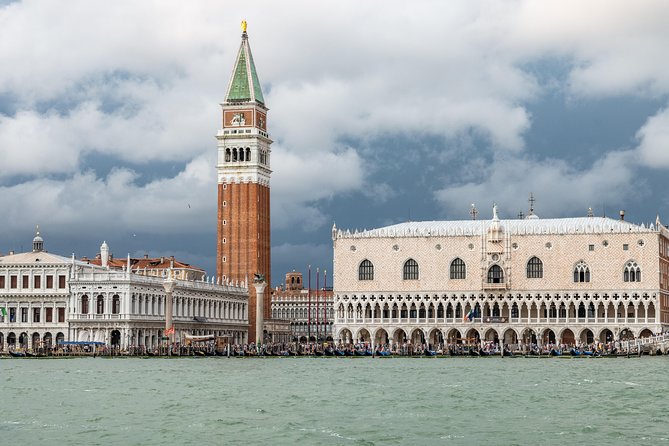
You then spend time at Canal Grande in a way that’s meant to connect sights with Venice’s carnival and local culture. This is where your guide’s “local” value shows. It’s easy to treat the canal as scenery. A good guide connects it to Venice’s seasonal life and the traditions that turn ordinary days into character-filled scenes.
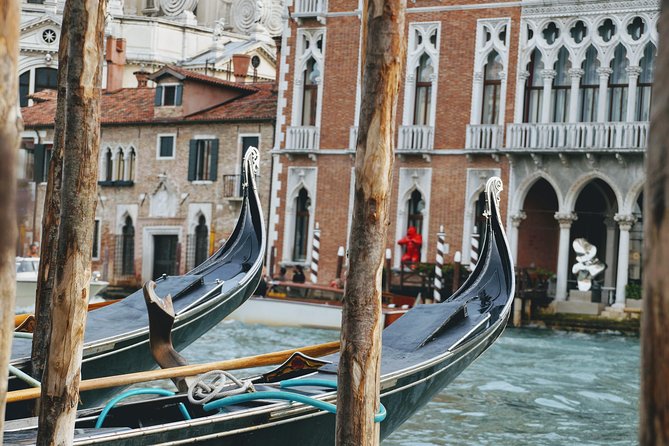
For your camera, focus on movement and relationships. Venice photos often look strongest when you capture the relationship between water, buildings, and boats—not just the biggest landmark. If the guide talks about carnival, you might spot details—masks, color cues, or street patterns—that you would otherwise ignore.
Why this matters: when you understand what you’re looking at, your photos stop looking random. They become a story.
Fondamenta de Fazza l’Arsenal: a smart ending for your next Venice chapter
Finally, the experience ends at Fondamenta de Fazza l’Arsenal. I love an ending like this because it doesn’t dump you back in the exact tourist center where you started. It gives you a launch point for your own Venice time.
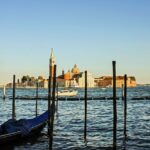
Fondamenta areas are good for lingering because they often feel less like a single landmark and more like a living canal edge. If you want to keep walking, take a calmer route, or just watch boats and people move, this is a strong finishing stop.
It also helps you avoid the “tour fatigue” problem. You’ve already seen the big icons and a pile of photo-ready viewpoints. Now you get to choose how your day continues.
Price and value: why $164.43 can make sense in Venice
At $164.43 per person for about 1 hour 30 minutes, you’re paying for more than a stroll. You’re paying for a guide who:
- Tells you where to stand for better photos
- Helps you avoid wasted time in the wrong spot
- Keeps a small group (up to 8) so you’re not treated like background noise
- Shares personalised recommendations so your pictures and your next steps match your interests
Venice is expensive, and rushed sightseeing is the hidden cost. If you’ve ever spent half your day searching for the best angle for a famous spot, this tour can pay you back by compressing that effort into a focused route.
The one cost you should plan for: entry tickets are not included. If you want specific interior museum or monument access, you’ll likely pay extra on your own. Also, on some days, if you’re visiting from outside Venice for the day, there can be a €5 access fee (with exemptions). It’s worth checking so there are no surprises.
Logistics that actually matter: timing, mobile tickets, and pace
This tour is offered in English and includes a mobile ticket. You can also choose from a range of start times, which helps a lot in Venice, where one late start can snowball into missed lines and crowded streets.
Your route is designed for a real walking pace and can adapt to your interests and walking speed. Stops may shift with weather, which is important because Venice can throw wind, rain, or sudden crowds at you.
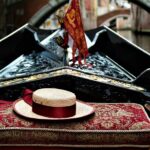
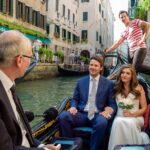
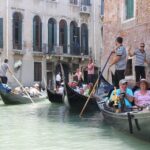
One practical note: this tour is hosted by an independent local, which often means the experience feels less like a script and more like a guided walk with a real person behind it. In the best versions, that comes through as flexibility. Margherita in particular has been described as communicative with great English, punctual, and able to take people off the beaten path while still hitting top sights. Some groups even add a quick gondola ride as part of the experience, depending on how the guide structures the day.
Who this tour is best for (and who should skip it)
This is a great fit if you:
- Want landmark photos but also crave angles that feel less generic
- Like guidance on composition, timing, and where to stand
- Appreciate a small-group setting where you can ask questions
You might want to skip it if you:
- Need a tour that avoids lots of walking and stone steps (it’s not recommended for impaired mobility)
- Only want museum-style entry time, since entry tickets aren’t included
Should you book it?
If your goal is simple—come home with stronger Venice photos and a better sense of where the city’s character lives—this is an easy yes. The strongest selling point is the combination of photo-focused guidance plus a small-group format. You get help that saves time and improves results.
Book it if you’re willing to walk a compact route and you want the guide’s eye for framing, angles, and storytelling. Skip it if mobility is an issue or if you’re expecting an all-inclusive pass into every interior site. In Venice, this kind of guided “best-stands” approach is one of the smarter ways to spend a high-value afternoon.
FAQ
How long is the Venice photo tour?
It runs for about 1 hour 30 minutes.
How many people are in the group?
It’s a small group with a maximum of 8 travelers.
What language is the tour offered in?
The tour is offered in English.
Are entry tickets or museum fees included?
No. Entry tickets for public transportation, museums, and monuments are not included.
Where do I meet, and where does the tour end?
You start at Rio Terà Lista di Spagna, 122I, 30121 Venezia VE, Italy and end at Fondamenta de Fazza l’Arsenal, 30122 Venezia VE, Italy.
Is the tour refundable if my plans change?
Yes. You can cancel up to 24 hours in advance for a full refund.