REVIEW · VENICE
Creative Venice: Artisan Excellence and Craftsmen Workshops
Book on Viator →Operated by deTourist Venice Valerio Coppo · Bookable on Viator
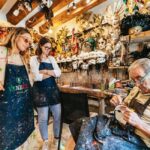
Venice changes when you follow its craftspeople. In Creative Venice, I love how Valerio Coppo connects small artisan workshops to real working lives, and how you get up close with crafts like recycled-sole shoes and handmade Murano glass rather than just looking at objects behind glass. The whole tone is practical and human, with time to actually ask questions.
One thing to know up front: the visits are short (about 15 minutes each), so this is best if you want smart, behind-the-scenes snapshots and a feel for what to look for later.
In This Review
- Key points worth your time
- Creative Venice With Valerio Coppo: What You’re Really Paying For
- Start at Campo San Giacomo di Rialto: A Practical Way to Orient Yourself
- Mercato del Pesce al Minuto: Where Venice Feels Loud and Real
- San Polo Ceramics: How Old Techniques Link to the Family Table
- Ponte di Rialto Shoe Shop: Recycled Soles and Veneziane Hand-Sewn Detail
- Campo Manin Hats: Giuliana’s Shop and a Real Supply Chain Story
- Campo Santo Stefano Papermaker: Lagoon Colors and Fossil-Like Fish
- San Salvador Atelier: Glass Flowers, Cut Iron, and Wood That Looks Alive
- Murano Glass Jewelry at Ponte di Rialto: Hand Work You Can See in the Beads
- Cannaregio Textiles and Soprarizzo Velvet: Loom Power and 18th-Century Craft
- The Pace, the Access, and Why This Tour Doesn’t Feel Like a Sales Trap
- Who Should Book Creative Venice (and Who Might Skip It)
- Should You Book Creative Venice? My Practical Verdict
- FAQ
- How long is the Creative Venice tour?
- What is the meeting point and where does the tour end?
- Does the tour include admission tickets?
- Is pickup available?
- What language is the tour offered in?
- What is the cancellation policy?
Key points worth your time

- Small shops and ateliers in central Venice, including places not typically on the standard tourist route
- Recycled materials shoe craft with shoes hand-sewn like the Veneziane style
- Maestro marmorizzatore papermaker using ancient paper techniques inspired by lagoon color shifts
- Murano glass jewelry made entirely by hand, including lamp-working and glass-blowing skills
- Textiles and soprarizzo velvet made on 18th-century looms tied to Venice’s silk heritage
- Leisurely pacing with personal attention, with the guide adjusting to the group
Creative Venice With Valerio Coppo: What You’re Really Paying For
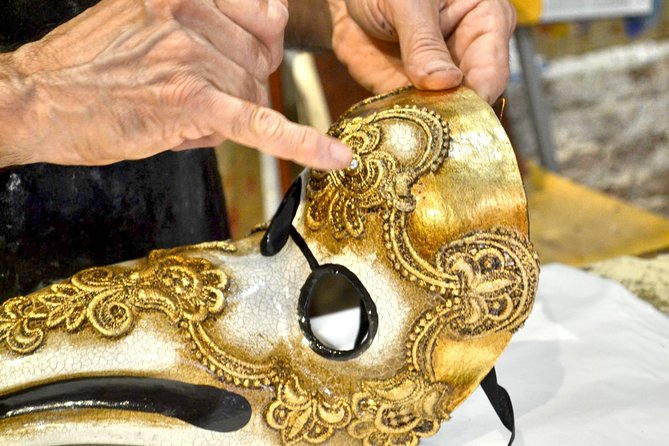
This tour is about working craft, not postcard Venice. You’re spending roughly three hours moving through central neighborhoods with a licensed guide, with a focus on how Venetians make things—textiles, paper, ceramics, footwear, hats, jewelry—and why those traditions still matter.
At $182.17 per person, it’s not a bargain tour, but you’re also not getting the usual “walk past and keep going” format. You get a private experience (your group only), the tour is offered in English, you receive a mobile ticket, and the tour includes a licensed guide. Best of all, the stops have no admission ticket costs built into them, since the tour is designed around workshops and shops rather than paid museums.
The value is in access and context. In this kind of itinerary, the big difference is whether you get past the shop window and into the makers’ world. With Valerio Coppo, I appreciate the way the story stays grounded in materials and everyday habits, not just speeches about art.
You can also read our reviews of more tours and experiences in Venice
Start at Campo San Giacomo di Rialto: A Practical Way to Orient Yourself
You meet at Campo San Giacomo di Rialto, in front of a church that’s traditionally considered among the oldest in Venice. The square is a good launch point because it’s central, easy to relate to the rest of the city, and it sets the theme right away: Venice as a place built on trades, not just monuments.
Your first stop lasts about 15 minutes, and there’s no entry fee. I like this because it avoids the “rush to the next timed ticket” feeling. Instead, you get a sense of where you are—then the tour turns to one of the most Venetian places of all: the market.
Mercato del Pesce al Minuto: Where Venice Feels Loud and Real
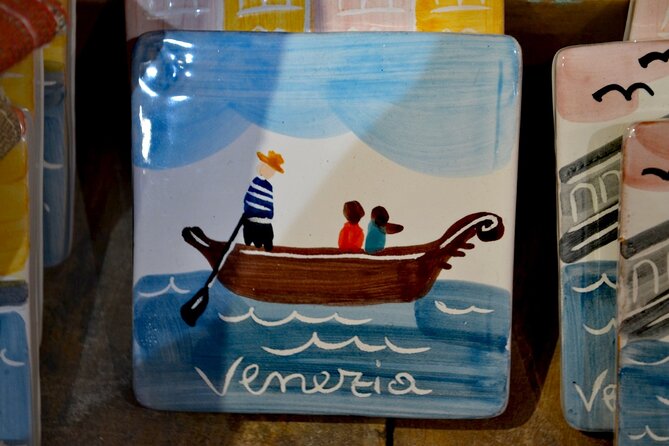
Next comes the fish market at Rialto. This is the Pescheria area, where you’ll see fish artfully arranged on stalls under deep layers of crushed ice, and you’ll hear the place doing what it has done for generations—loudly. Seagulls wander around fishmongers as locals browse in the two main halls.
What I love about this stop is that it’s not staged. The market is a reminder that many “crafts” start as survival skills: sorting, preparing, and presenting food in a way that makes sense for the day. It also gives you a sensory baseline for the rest of the tour—Venice through hands and routines.
If you’re the type who gets overwhelmed by noise, give yourself a second to breathe before you move into questions. The upside is that the experience is vivid without needing a single museum ticket.
San Polo Ceramics: How Old Techniques Link to the Family Table
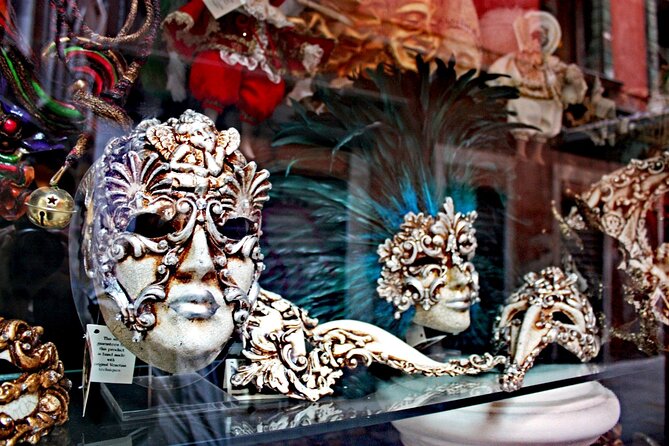
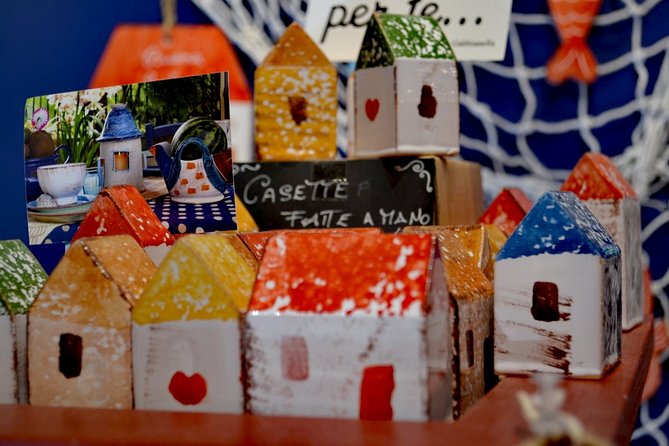
In San Polo, the focus shifts to a local artisan producing traditional rural products. The point isn’t nostalgia for nostalgia’s sake. You learn about techniques and materials that have been lost to industrial production, and how these ceramics connect to values like spending time with family around the table.
Look closely at the visual language: bright colors, lively patterns, and a style that feels both rustic and refined. That mix matters. These are the kinds of objects that look good on a shelf, but they also make sense for everyday use—food, drink, and the small events people host at home.
A possible drawback here is that ceramics can lead to souvenir temptation. The tour’s approach feels non-pressuring, but if you’re on a strict budget (or a tight suitcase limit), decide early what your personal “worth it” item is.
Ponte di Rialto Shoe Shop: Recycled Soles and Veneziane Hand-Sewn Detail
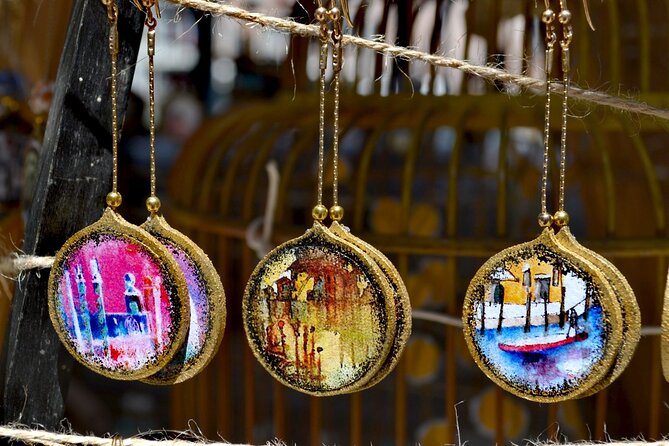
At Ponte di Rialto, you’ll visit a traditional shoe shop with a strong recycling story. This is one of the most interesting stops because it’s craftsmanship meeting necessity: old materials get repurposed into new footwear that’s made the true way.
The shop’s material transformations are specific:
- old bicycle tyres become waterproof, hardwearing soles
- jute sacks (including canvases from seed and grain transport) become linings
- fabrics and even rags from old clothes become uppers
This is practical sustainability, not just a feel-good slogan. And then there’s the stylistic payoff: new generations of Veneziane slippers inspired by 18th-century splendor from the Serenissima era, finished with velvet or bright oriental silks, and hand-sewn.
When you’re there, pay attention to the stitching and edge finishing. Handmade shoes often show their quality in the parts you don’t see at first glance.





Campo Manin Hats: Giuliana’s Shop and a Real Supply Chain Story
In Campo Manin, you stop at Giuliana’s, a tiny shop that’s full of hats: Panama hats, gondolier hats, Carnevale styles, waterproof options, woolly hats, and even wedding hats. What gives this stop depth is the supply chain detail—Giuliana has imported Panama hats directly from Ecuador since 1980.
It also has a formal mark of local importance: the shop is officially recognized as a historic place of the Veneto Region. That recognition matters because it signals the shop is part of the region’s living identity, not a random tourist outlet.
This is a great stop if you like texture and costume culture, or if you want a souvenir that feels tied to a real workshop history. Just remember: hats can be bulky, so plan for packing.
Campo Santo Stefano Papermaker: Lagoon Colors and Fossil-Like Fish
One of the most distinctive parts of the tour happens at Campo Santo Stefano, where you meet a maestro marmorizzatore—a master papermaker. The word maestro matters in Venetian greeting culture (a respectful way to address an older person), and in this shop it also signals a teacher-expert who keeps ancient paper methods alive.
This maker works with ancient paper techniques that respond to the lagoon’s shifting colors. The water’s color changes through the day, and the technique is designed to reproduce shades that regular paper processes can’t easily match.
You’ll see flower-themed sheets with designs like tulips, roses, and trees. But the most memorable series is the fish that smile—fish captured in liquid and then turned into paper sheets where the images feel petrified, like fossils embedded in primordial seas.
If you’re a photographer, you’ll likely want to pause and let your eyes adjust. These papers are subtle, and they reward slow looking.
San Salvador Atelier: Glass Flowers, Cut Iron, and Wood That Looks Alive

Next up is Chiesa di San Salvador, and inside its area is a cozy atelier where a couple of artists have been working since 2007. This stop doesn’t feel like a “watch and leave” shop visit. The pieces are meant to connect with the viewer closely, and the objects are small-world imaginative.
You’ll get to admire:
- delicate glass flowers
- dreamlike shapes in cut iron
- “reborn” trees made from wood
- nomadic landscape-like sights (crafted as objects you can hold and see)
- darker, abyss-like visions
This is a good palate cleanser after the more literal craft stops. It shows another side of Venetian making: not only functional items, but also sculptural objects that still depend on material knowledge.
If you’re looking for a quiet moment in the tour, this is usually where it happens.
Murano Glass Jewelry at Ponte di Rialto: Hand Work You Can See in the Beads
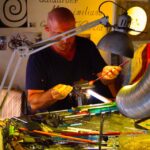
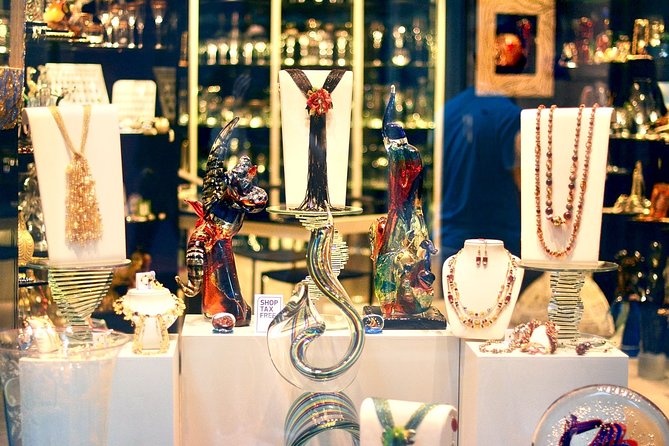
Back at Ponte di Rialto, the tour shifts to Murano glass jewelry. The shop produces jewelry entirely by hand, using refined techniques from Venetian tradition. The beads you’ll see are handmade by local workshops with experience in Murano glass making, glass blowing, and lamp-working.
This stop is valuable because it teaches you what “handmade Murano” actually means. You’re not just being shown finished products; you’re seeing how skilled work shows up in the objects’ details—shape, finish, and the way components fit together.
When you’re choosing anything (if you choose anything), I’d focus on consistency and craftsmanship rather than just color. Hand work often means the object has a character machine-made items don’t.
Cannaregio Textiles and Soprarizzo Velvet: Loom Power and 18th-Century Craft
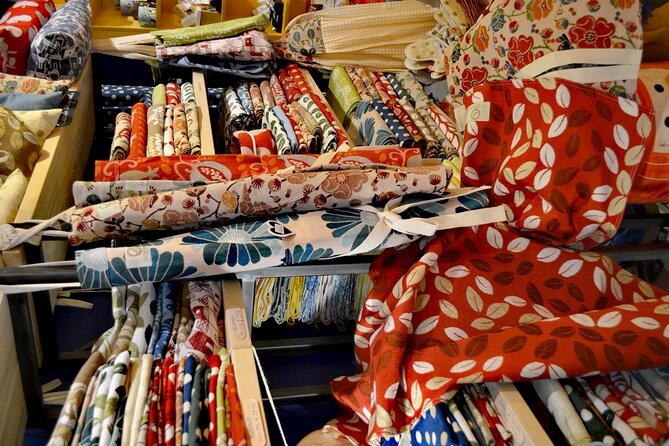
The final workshop stop is in Cannaregio, where you visit a textile company producing fine fabrics for furnishing and high fashion. You’ll see velvets, damasks, lampases, and brocatelles, plus the special soprarizzo velvet, which is still made by hand.
Here the tour gets very specific: soprarizzo production is carried out by and on 18 looms of the 18th century, looms that previously belonged to the silk guild of the Republic of Venice. That’s not a vague “heritage” claim. It’s a real timeline, and it explains why the fabric is different.
This stop is for people who care about texture and materials. If you love clothing design, upholstery, or even just the way fabric drapes and catches light, you’ll enjoy how tangible the process feels.
If you don’t care about textiles, you might find this stop a bit slower than the others. Still, it’s one of the best ways to understand how Venetian craft survived when so much of Europe moved toward industrial production.
The Pace, the Access, and Why This Tour Doesn’t Feel Like a Sales Trap
This experience works because the guide’s energy is about context, not pressure. Valerio Coppo is known for entertainment and anecdotes, and the tour keeps a leisurely pace so you’re not sprinting from shop to shop. A behind-the-scenes feel also matters here: you’ll be guided to places that aren’t typically open to the general public, and you’ll have a chance to talk with the artists and get a peek inside the real working rhythm.
Another thing I appreciate is how the tour stays adaptable. When your group has different interests—some people want glass, some want textiles—the approach can adjust to match. That makes the tour feel like it’s built for learning, not checking boxes.
Who Should Book Creative Venice (and Who Might Skip It)
This is a smart fit if you want:
- artisan workshops experience rather than only landmark sightseeing
- hands-on storytelling about materials (paper, ceramics, glass, textiles)
- a local guide like Valerio Coppo who can explain what you’re seeing in plain language
- a tour that feels personal and relaxed, with time to ask questions
You might want a different option if you’re only interested in major monuments and big museums. This tour is craft-focused, so you won’t spend your whole day on classic Venice must-sees.
Also consider your tolerance for short visits. With about 15 minutes at each stop, this is “see a lot, learn a lot.” It’s not “stay for hours in one workshop.”
Should You Book Creative Venice? My Practical Verdict
If you like Venice for its making—hands, tools, materials, and the people who keep traditions alive—this tour is worth booking. The access to small shops and workshops, plus the guide’s storytelling style, is where the value shows up.
I’d book it sooner rather than later in your trip. You’ll leave with a better eye for what’s real when you shop on your own afterward.
If your travel style is pure sightseeing sprints, you may find the stops feel too quick. But if you want a Venice day with craft at the center, you’ll likely feel like you saw the city’s “real engine,” not just its face.
FAQ
How long is the Creative Venice tour?
It runs for about 3 hours (approximately).
What is the meeting point and where does the tour end?
You start at Campo San Giacomo di Rialto (near the church and the fountain in the middle of the square). The tour ends in Zattere.
Does the tour include admission tickets?
Admission tickets are listed as free for the stops included in the experience.
Is pickup available?
Pickup is possible only if you book a private group. If you booked a private tour, you can request pickup within the historical center of Venice, or you can meet at the main meeting point.
What language is the tour offered in?
The tour is offered in English.
What is the cancellation policy?
You can cancel for a full refund up to 24 hours before the experience’s start time.