REVIEW · VENICE
9-Day Private Tour of Venice, Florence and Rome
Book on Viator →Operated by Firebird Tours · Bookable on Viator
Private trains, private guides, zero guesswork. This 9-day plan links premium-class train seats with a Venice arrival that uses a water-taxi, so you spend less time figuring things out and more time looking up at the scenery. You also get focused, guided classics in each city, with room to breathe afterward.
What I like most is the control over your day. You’ll have professional local guides in English and a setup built for a small, private group, plus boutique 4-star hotels and breakfast included on 8 mornings. One planning story I came across credited Firebird’s team lead Addison James with aligning the itinerary to different vacation priorities, not forcing one-size-fits-all.
The main drawback is cost and commitment. At $9,938.04 per person, this is a serious spend, and the tour is non-refundable and cannot be changed for any reason, so dates need to be rock solid.
In This Review
- Key points worth knowing before you go
- Venice arrival that starts the trip (not the paperwork)
- Rialto, quiet canals, and St. Mark’s panoramic payoff
- Getting to Florence by train: the comfort move that buys you time
- Florence Duomo Day: big-ticket sights with tickets already handled
- David at the Galleria dell’Accademia plus the Oltrarno side of the Arno
- One full Florence free day: use it like a local
- Rome Day 1: fountains, steps, and Roman classics in one guided arc
- Pantheon time built in (and why it’s worth protecting)
- Roman Forum and Colosseum: ancient Rome without the guesswork
- Vatican Museums and St. Peter’s: the right sequence for sanity
- What the $9,938.04 per person really covers
- Who this private tour suits best
- Should you book this private Venice–Florence–Rome tour?
- FAQ
- What’s included in the trip price?
- Do I get airport and train station transfers?
- How does travel work between Venice, Florence, and Rome?
- Are tickets for the major attractions covered?
- Is this tour private and offered in English?
- Can I change the tour dates or get a refund if my plans change?
Key points worth knowing before you go
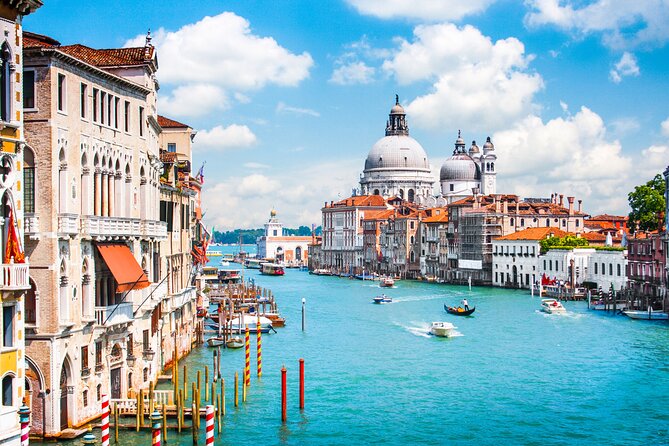
- Airport-to-hotel in Venice by water-taxi so your arrival feels like part of the trip, not a chore
- Reserved Colosseum entry included (admission plus reservation fee), which helps you avoid ticket-day stress
- Michelangelo hits in two cities: David in Florence and major Sistine Chapel viewing time in the Vatican
- One full free day in Florence for markets, shopping, or just slow walking without a schedule
- Private transfers and private guiding across all three cities, in English
Venice arrival that starts the trip (not the paperwork)
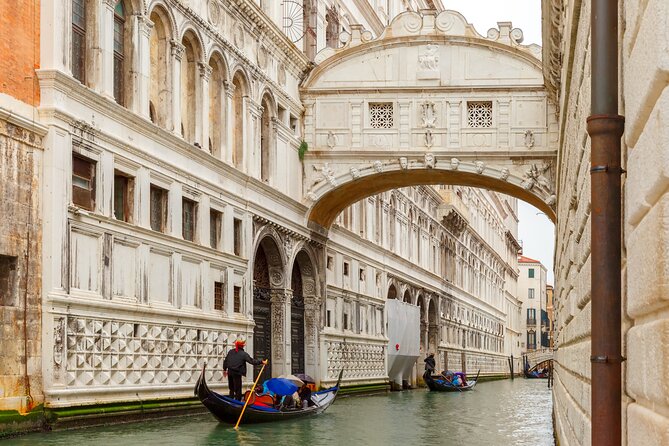
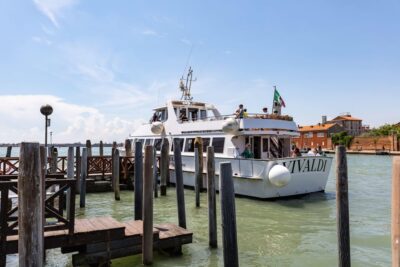
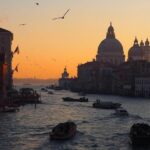
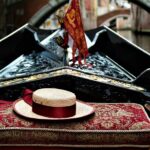
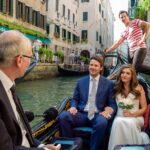
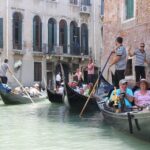
Your tour starts in Venice with a straightforward meet-and-go. A driver waits in the Marco Polo Airport arrival hall with your name, then you move to your hotel by private vehicle and water-taxi transfer, with check-in built into the arrival flow.
Even if you land tired, this structure helps. You’re not bouncing between bus stops and ticket counters, and Venice’s water layout stops being a problem from the first hour. The rest of Day 1 is yours to decompress, which matters in Venice, where walking with bags can wear you out fast.
You can also read our reviews of more private tours in Venice
Rialto, quiet canals, and St. Mark’s panoramic payoff
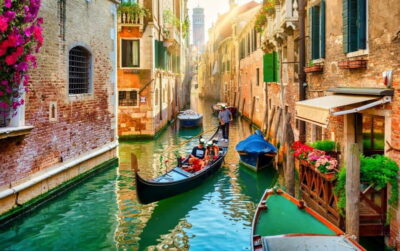
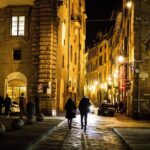
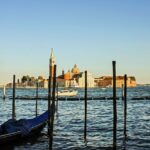
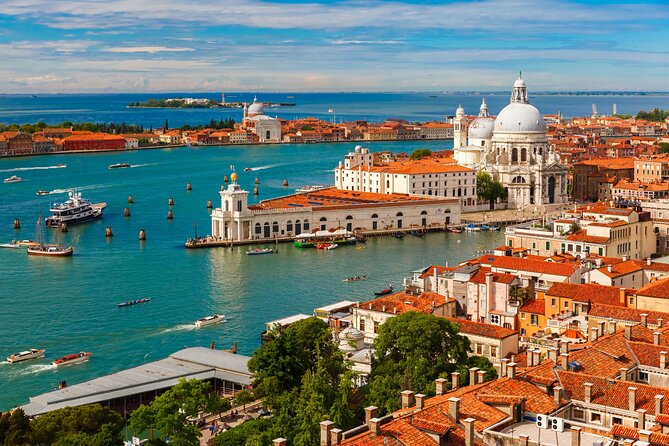
On Day 2, you get a walking city tour designed to go past the busiest postcards. You’ll start with the Rialto Bridge and the Rialto fish market area, then continue through calmer lanes and peaceful canals, plus Venice architecture and details many visitors miss when they only chase the big squares.
This is the kind of Venice tour that helps you understand the city. You learn where the quieter routes sit, how canals shape movement, and how the “real Venice” feeling lives just off the main corridors.
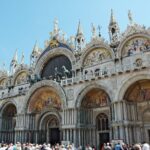
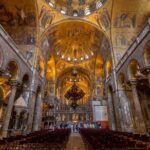
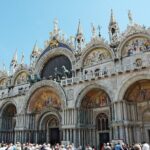
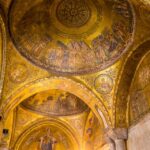
Then comes the St. Mark’s moment. You’ll see iconic St. Mark’s Basilica, including the Pala d’Oro altar, and you’ll go up to the Loggia dei Cavalli for some of the best panoramic views of St. Mark’s Square. If you care about photo angles and scale, this viewpoint is the difference between seeing St. Mark’s and actually getting it.
Getting to Florence by train: the comfort move that buys you time
Day 3 shifts gears with a private transfer to the train station and a high-speed ride to Florence. The train is in premium class, and the time advantage matters because Florence is best when you can actually spend time walking once you arrive.
At the station you’ll be met again, then taken to your hotel for check-in. That leaves you an evening with no obligations, so you can do an easy first wander, find your favorite espresso spot, and sleep early before the big Florence day.
Florence Duomo Day: big-ticket sights with tickets already handled
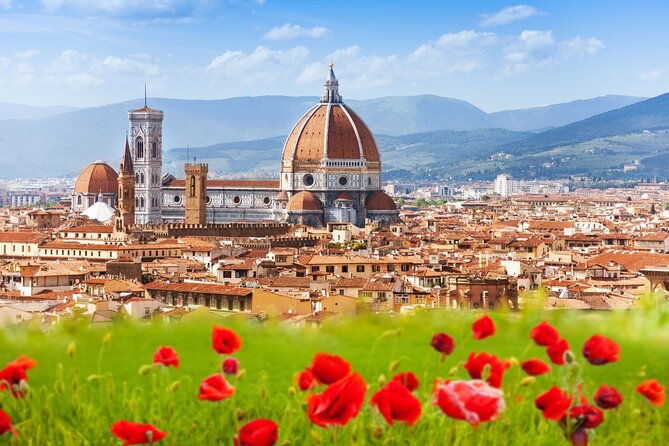
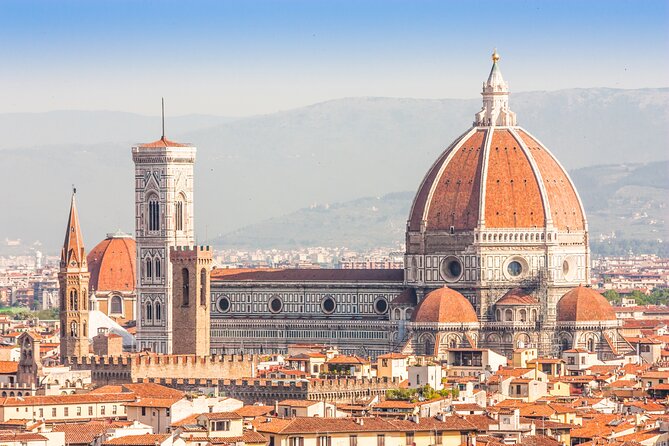
Day 4 is a strong Florence highlight day, anchored around Piazza del Duomo. After breakfast, you meet your private guide for a guided walk that includes the Baptistery dedicated to St. John the Baptist and time tied to the Grande Museo del Duomo ticket.
Here’s why this ticket detail is valuable for you. The program isn’t just one stop and out. With this ticket, you can visit multiple Duomo-area monuments (Cathedral, Dome, Bell Tower, and the Cathedral Museum) in your free time within 72 hours. That gives you flexibility if crowds spike, weather shifts, or your energy level changes.
Your tour also moves you through Florence’s center to Piazza della Signoria and nearby highlights, then along Via Tornabuoni, which is known for fine shops. That’s not just sightseeing—it’s a quick education in how Florence’s “classic streets” connect major plazas.
David at the Galleria dell’Accademia plus the Oltrarno side of the Arno
Florence’s other star stop is the Galleria dell’Accademia for Michelangelo’s David. The timing here is smart: you see David with a guide in a controlled window instead of guessing how to navigate a museum while tired. David is the headline, but the visit becomes better when someone explains why it’s so influential.
From there, you cross the Arno River via Ponte Vecchio and enter Oltrarno, where you’ll find local crafts shops and a different feel than the main tourist flow. You’ll also stop by Santo Spirito Church and Convent, tied to the Augustinians, and there’s an “early Michelangelo” angle connected to works he made when he was very young. If you like art that connects back to the artist’s life story, this part adds context instead of just taking photos.
One full Florence free day: use it like a local
Day 5 is refreshingly unstructured. You check out later on Day 6, so Day 5 is genuinely yours to explore at your own rhythm.
I like this setup because Florence can be either intense or deeply relaxing, depending on your pace. If you want food and morning energy, you might aim for Mercato Centrale for local tastes. If shopping or slow neighborhoods are more your style, you’ll have time to wander without a guide pulling you along every 45 minutes.
Rome Day 1: fountains, steps, and Roman classics in one guided arc
Rome starts on Day 6 with a private transfer from Florence’s hotel area to the train station and then a ride to Rome. After you arrive, your driver takes you downtown to your hotel, then you meet your guide for a guided highlights tour.
This first Rome afternoon is packed but logical: Spanish Steps, Trevi Fountain, the Pantheon, Piazza Navona, and the Fountain of the Four Rivers, plus stops oriented to masterpieces by Bernini and Borromini. The guide helps you connect what you’re seeing—Roman engineering, Baroque theater, and the way each plaza functions as a stage for city life.
If you want one practical strategy: wear shoes you can handle for long blocks. Rome’s highlights look close on a map, but the walking adds up quickly, especially with stops inside or near major landmarks.
You’ll also get time back at the hotel afterward, which matters. Rome can drain you fast, and this tour gives you evening breathing room instead of filling every hour.
Pantheon time built in (and why it’s worth protecting)
During Day 6, the Pantheon visit is specifically included with admission ticket included and a dedicated block of time. This matters because it’s one of those sights where you’ll either rush through or actually pay attention to proportions and light.
Even if you think you already know what the Pantheon looks like, being inside is different. It’s a space that rewards quiet looking. If your day gets busy, prioritize this stop, because it’s the one that can turn into a “wow, I get why this mattered” moment.
Roman Forum and Colosseum: ancient Rome without the guesswork
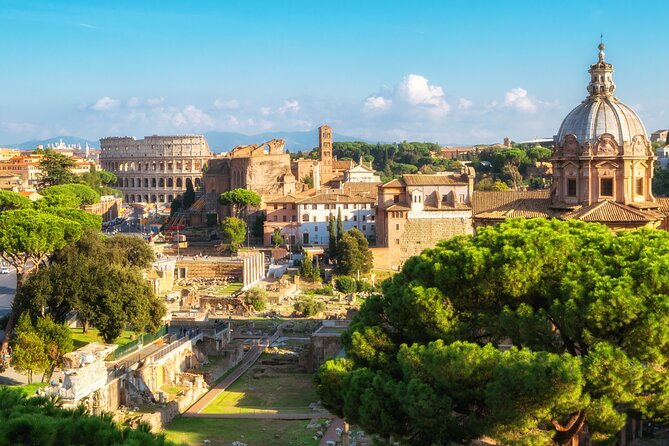
Day 7 is an ancient Rome morning and afternoon pair: Roman Forum first, then the Colosseum. You’ll learn how the Forum sat between the Palatine and Capitoline hills and served as a key political and ritual center in ancient Rome.
The guide points out columns and remains of temples, arches, and buildings like the Temple of Caesar and the Arch of Septimius Severus, plus you’ll connect the Forum to Palatine Hill, where the earliest settlements sat. This is the difference between seeing ruins and understanding the layout.
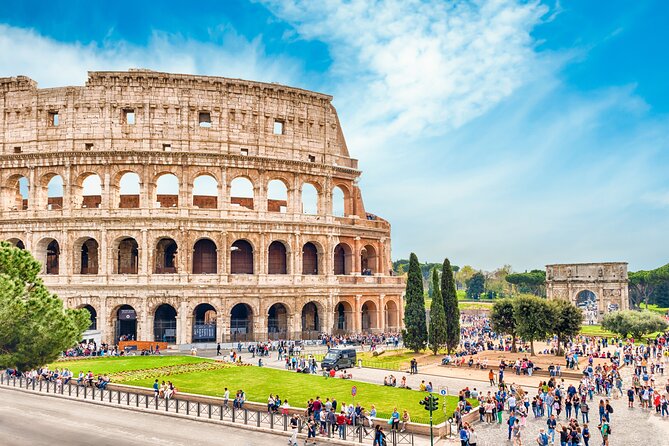
Then you hit the Colosseum. You’ll get the basic story—its original name as the Flavian amphitheater, its scale, and its design as an arena for gladiatorial fights. The Colosseum portion includes admission (and the tour includes Colosseum entry and a reservation fee as part of the package), which helps reduce ticket-day friction.
Vatican Museums and St. Peter’s: the right sequence for sanity
Day 8 is built around the Vatican in a way that keeps momentum. You’ll start at the Vatican Museums and walk into a walled enclave that includes Vatican City and its museums.
The museum portion is detailed: private apartments connected to Julius II, the Pinecone Courtyard, and the Gallery of Maps, Gallery of Tapestries, and Gallery of Candelabra. Then you proceed to the Sistine Chapel, with enough time to admire Michelangelo’s frescoes and hear the story around Julius II and Michelangelo’s relationship.
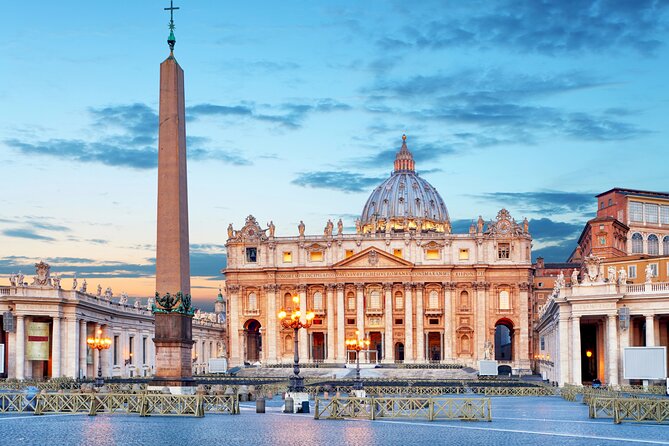
The tour then ends at St. Peter’s Square, where you can admire Michelangelo’s Dome and Bernini’s colonnades. There’s also a photo stop at Castel Sant’Angelo after the Vatican tour, which gives you a useful visual break from galleries and chapels.
Finally, Day 8 continues inside the big church spaces. You’ll have time in the Sistine Chapel again as part of the day’s flow, and then you’ll visit St. Peter’s Basilica where you’ll see Michelangelo’s Pietà and Bernini’s Papal Canopy. The way it’s scheduled matters because you’re not bouncing between logistics and crowds; you’re moving through a planned arc.
What the $9,938.04 per person really covers
This isn’t a “cheap and cheerful” trip. The price is high, and you’ll want to see what you’re buying.
You’re paying for:
- Private transportation throughout, including airport and station transfers
- High-speed trains with premium class seats between cities
- Boutique 4-star hotel accommodations in a private room (single or double occupancy)
- Professional local guides in English
- Entrance fees for the included sights and museum stops
- Colosseum admission plus reservation fee included
- Breakfast (8)
For some travelers, this adds up to value because it reduces time lost to planning, ticket logistics, and route confusion. For others, the number will feel steep because you’re paying for convenience and “hands-on guidance” more than you’re paying for the individual attractions themselves.
There’s also a commitment angle. The package is non-refundable and cannot be changed for any reason, so be sure before you sign.
Who this private tour suits best
This tour fits you if you want:
- A private group experience, not a shared bus tour with a constant shuffle
- Door-to-door transfers and fewer moving parts
- Built-in structure for major “must see” sights across three cities
- English-guided context, especially for art and architecture-heavy days
It’s also a good match if you like having a free day in Florence to reset your pace instead of doing constant sightseeing every day.
Should you book this private Venice–Florence–Rome tour?
Book it if your travel style values time-saving logistics and you’re happy paying for private guiding plus train comfort. The sequence from Venice to Florence to Rome is efficient, and the included ticketing on big sites like the Colosseum and the Vatican helps you avoid common day-of stress.
Skip it (or at least reconsider) if you’re on a tight budget or you know your dates might change. With a non-refundable package, the financial risk is real.
If you want the three-city Italy highlights with fewer headaches and more guided context, this plan is a strong fit. If you’d rather build your own route and choose every stop day-by-day, you might prefer a more DIY approach.
FAQ
What’s included in the trip price?
The tour includes boutique 4-star hotel accommodations in a private room, high-speed train travel with premium class seats between Venice–Florence–Rome, private transportation, professional local guides in English, and entrance fees for the sights and museums listed on the itinerary. Breakfast is included for 8 mornings.
Do I get airport and train station transfers?
Yes. Your driver meets you at the Marco Polo Airport arrival hall with your name and takes you to the hotel. For later days, you’re met by a private driver at the train station before being transferred to your hotel. Private transportation is included.
How does travel work between Venice, Florence, and Rome?
You travel by high-speed trains with premium class seats for the Venice to Florence and Florence to Rome legs. Transfers to and from the train stations are handled privately.
Are tickets for the major attractions covered?
Entrance fees for the sights and museums specified are included. The package also explicitly includes Colosseum admission and a Colosseum reservation fee.
Is this tour private and offered in English?
Yes. It’s a private tour, meaning only your group participates, and it’s offered in English.
Can I change the tour dates or get a refund if my plans change?
No. The experience is non-refundable and cannot be changed for any reason if you cancel or ask for an amendment.