REVIEW · VENICE
4 hours Private Boat Tour to Murano, Burano with local real guide
Book on Viator →Operated by Davide Accompagnatore Turistico - Real Local - Venice Boat Tours · Bookable on Viator
Four hours, two islands, and real craft. On a small-boat Venice lagoon run, I love how Murano’s glass-making happens right in front of you, and how Burano’s shops connect to hands-on traditions, not just window displays. The trade-off: this route is built for guided stops, so it can feel a bit “schedule-first” if you want lots of solo wandering.
I also like that you’re not only staring at famous postcard scenes—you’re moving through the lagoon with commentary about places like San Francesco del Deserto and the dreamy bends of channels between islands. If you’re expecting a roomy, step-off-anywhere kind of experience, note the practical reality: you need to be comfortable with boarding and stepping down from the boat and onto docks.
In This Review
- Key moments I’d plan around
- From Fondamente Nove to the open lagoon: the “4-hour Venice islands” pacing
- Murano glass making: standing at the furnace and learning what matters
- Sant Erasmo and Venissa: lagoon agriculture and salt-marsh scenery
- San Francesco del Deserto and Devil’s Bridge views from the boat
- Burano World Heritage: crooked bell tower, lace stories, and real tastings
- Price and value: why $216.02 can make sense here
- How to set yourself up for success (especially in Venice)
- Who this Murano and Burano boat tour fits best
- Should you book this private boat tour to Murano and Burano?
- FAQ
- How long is the Murano and Burano boat tour?
- Where does the tour start and end?
- Is this tour private or shared?
- What islands or stops are included?
- Is it in English?
- Is there anything included to eat or drink?
- Is the tour refundable if weather is bad?
Key moments I’d plan around
- Murano furnace-side glass: you arrive where glass is made and you can ask questions
- Sant Erasmo lagoon transit: a quick look at Venice lagoon land products and vegetables
- Venissa area pass: salt marshes, native vines, and possible time for a small wine moment
- San Francesco del Deserto: 7 monks still live in the monastery
- Burano lace, masks, and linen: pre-selected shops with short, story-led explanations
- Dessert tasting included: a chance to try a typical Burano sweet without hunting for it
From Fondamente Nove to the open lagoon: the “4-hour Venice islands” pacing
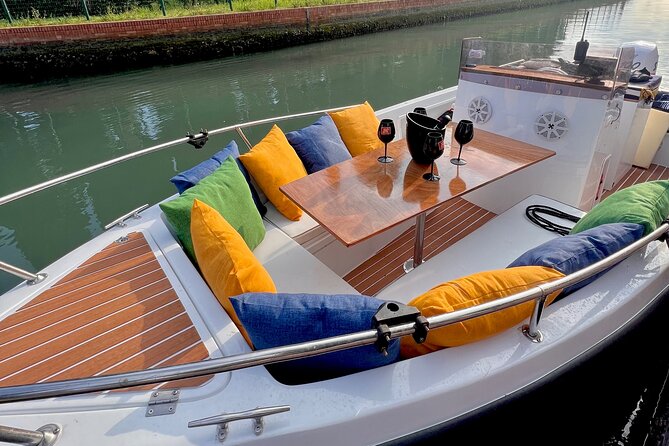
This is a compact day—about 4 hours—that gives you enough time to actually see things, without the all-day slog. The boat starts and ends in the Fondamente Nove area, which matters because Venice’s layout is basically a maze of walking bridges and calli (little streets). From the water, the islands read faster.
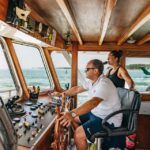
The pacing is guided: you’ll spend anchored time on Murano and Burano, then move between islands with lagoon views and explanations on board. That’s ideal if you want highlights with context, but it’s less ideal if you want to spend half the day drifting and getting lost on your own.
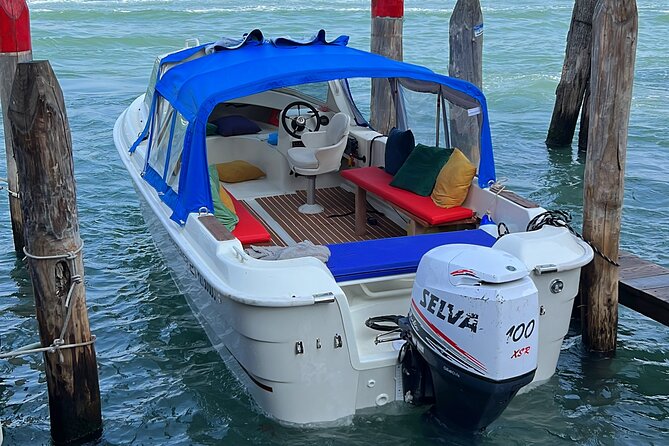
One more practical note: the boat can carry up to 8 travelers, and the experience is offered in English. The text also hints that you may be on a boat with other people depending on the option you choose—so if you truly want zero sharing, confirm the exact private-versus-shared setup before you go.
You can also read our reviews of more boat tours in Venice
Murano glass making: standing at the furnace and learning what matters
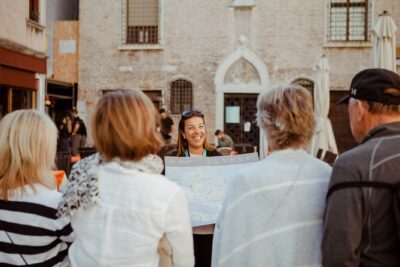
Murano is all about glass—and this stop is built to show you the real process instead of just pointing at shiny objects. You arrive in Murano in front of a furnace, and a local guide waits for your group to watch and learn how glass is made. Expect a guided walkthrough where you can ask questions that match your curiosity—how the technique works, what makes Murano glass different, and why certain styles are so recognizable.
This is the kind of stop that clicks best when you watch the details. Look for the steps that turn raw material into shaped glass. Pay attention to the vocabulary the guide uses; the more you track it, the more the craft “makes sense” beyond being a cool performance.
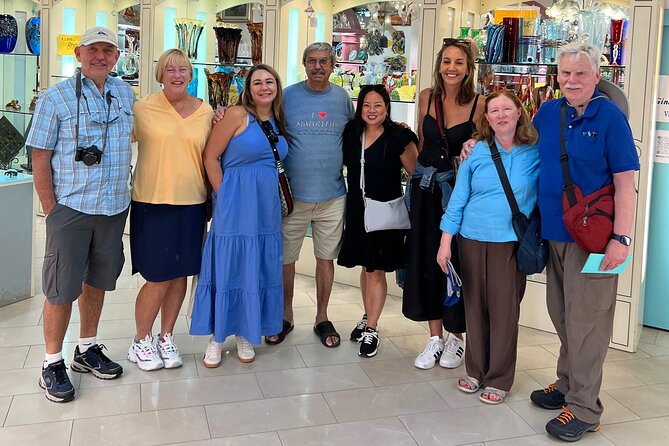
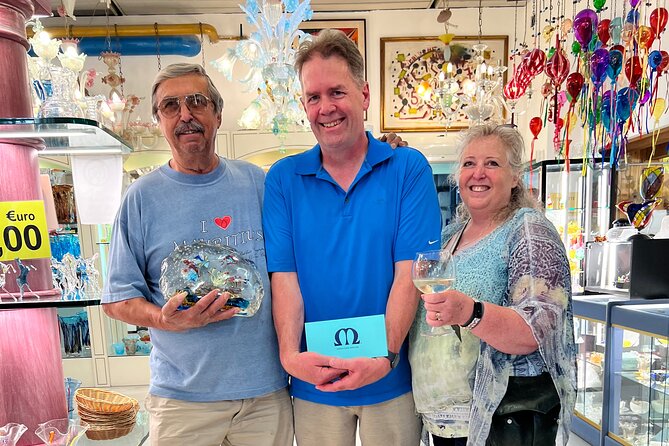
After the demonstration, you’ll have time in the shops where pieces are displayed—from higher-end works to more everyday souvenirs. Admission at this stage is listed as free, and the main value is the translation: you’re learning how to tell the difference between mass-produced items and true Murano craft.
A realistic consideration: Murano shopping can run expensive. Even if you don’t feel pressure, the experience is shop-supported by design, so budgeting helps.
Sant Erasmo and Venissa: lagoon agriculture and salt-marsh scenery
Between islands, you pass through parts of the lagoon that most visitors rush past. Sant Erasmo is one of those “you’ll never see this from a hotel desk” moments. You’ll transit by and get to understand the island’s role as a source of land products—think vegetables from the Venice lagoon—before you swing back toward the main island cluster.
Then comes the Venissa area. The tour typically passes near Mazzorbo (depending on timing) toward Torcello. Venissa is known for its native vines. If there’s time, you may stop for a glass of wine. Even when the wine moment is brief, the bigger draw is the setting: salt marshes, birds, and the kind of low-key nature Venice does best.
One of the nice “extra” details here is the wildlife mention—pink flamingos show up in descriptions of this area. Even if you don’t spot flamingos on your exact day, the salt-marsh geography still gives you a break from the souvenir circuit and the chance to look out and just notice the lagoon.
San Francesco del Deserto and Devil’s Bridge views from the boat
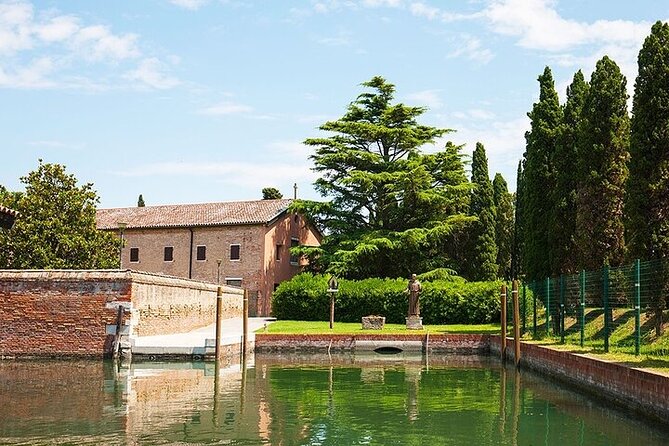
This is where the tour shifts from craft to atmosphere. You’ll go by San Francesco del Deserto, where 7 monks still live inside the monastery. The guide explains the history of the island, which helps you understand why this spot feels quieter and more “real” than the Instagram-famous water views.
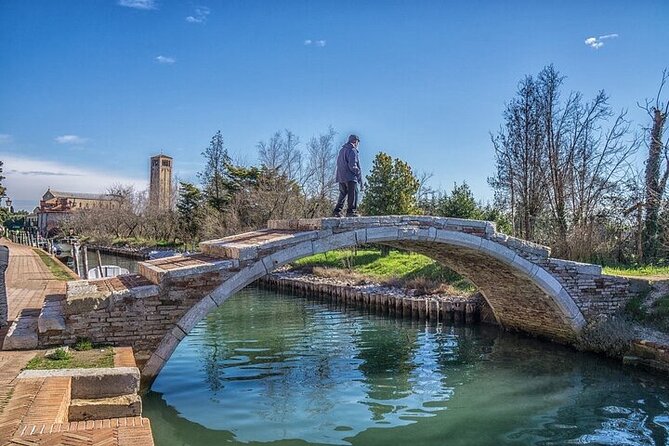
From there, you get the classic lagoon photo ideas—like the Devil’s Bridge—plus less-obvious channel scenery. The route description also includes mentions of a hidden canal, reflections of the basilica and bell tower on the water, and a passage between swans and vegetation. Even if you’re not the type to chase perfect photos, this segment is still worth your attention because it’s the tour’s reminder that Venice is a water city first.
If you’re someone who gets motion-sick, keep it in mind: this is a boat ride with transit time between islands, and you’ll be looking around constantly. For most people it’s fine, but if you’re sensitive, plan accordingly.
Burano World Heritage: crooked bell tower, lace stories, and real tastings
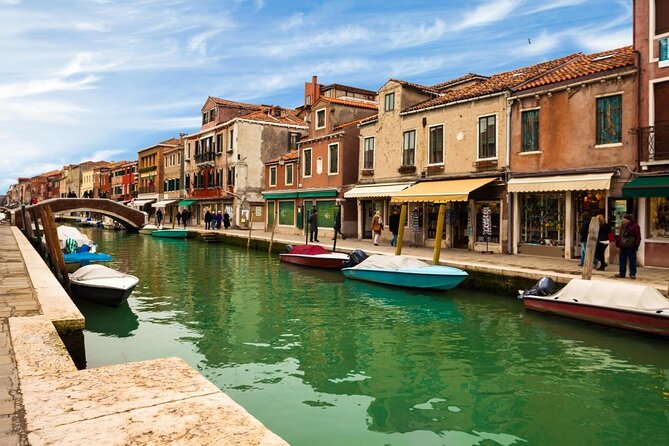
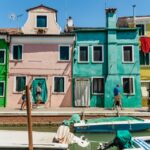
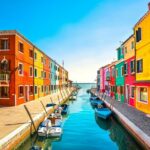
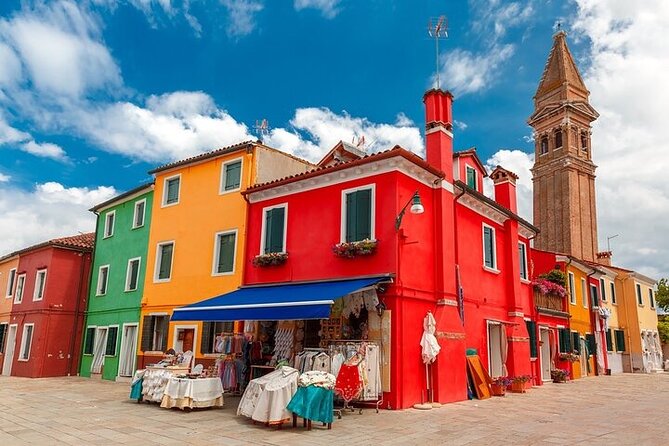
Burano is the punchline of the day—in the best way. You arrive in the main canal, and right away you get the visual anchor points: the crooked bell tower and the colorful fishermen’s houses along the banks.
This part is guided with an emphasis on craft and tradition. Shops are pre-selected so each stop has an explanation tied to the product. You’ll be shown:
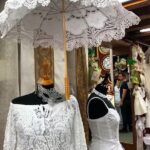
- local laces, explained as a centuries-old art (including the feeling that some of this tradition is being lost)
- the true story behind Venetian masks, from early paper creation through the finished product
- fishermen’s clothes and linen, with an emphasis on weaving and materials linked to Venice
The key value here is that you’re not just looking at items. You’re learning what you’re looking at, and why it matters. That’s also why this can feel like more than shopping—if you keep your focus on the stories, it becomes an education in how Venice produces identity.
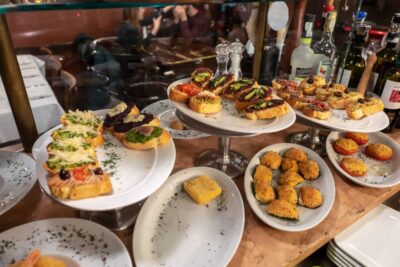
Time-wise, you get about 1 hour 15 minutes on Burano, and admission is listed as included. You’ll also have photo opportunities in spots that the guide knows work well. On top of that, there’s a typical Burano dessert tasting included. You’re allowed to enter for free to try it, which is a smart move: instead of guessing where to eat, you get the real local thing handled for you.
A small caution: some shops can be pricey, and the product variety is designed to tempt you. If you want souvenir freedom, come with a spending limit. The craft is worth admiring even if you don’t buy.
You can also read our reviews of more guided tours in Venice

Price and value: why $216.02 can make sense here
At $216.02 per person for about 4 hours, this isn’t a budget “hop-on, hop-off” excursion. It’s priced like a guided boat experience with multiple stops and a craft-focused plan.
Here’s what you’re paying for:
- a guide who stays with you and explains what you’re seeing on the islands and in transit
- a small-boat cap of up to 8 travelers, which usually means you’re not lost in a herd
- multiple island experiences in a short window (Murano, lagoon transit areas, San Francesco del Deserto, and Burano)
- time built around access: furnace-side glass and guided Burano shop visits, plus a dessert tasting
Whether it’s “worth it” depends on how you like to travel. If you prefer self-guided wandering with minimal structure, you may feel the schedule more tightly than you want. But if you like having a local translate craft, history, and the meaning behind iconic scenes, this kind of tour is often a good value because it saves you from hours of research and decision-making.
How to set yourself up for success (especially in Venice)
Venice is rough on logistics. This tour is better when you treat it like an appointment.
Before you go, do two things:
- Study the meeting point near Fondamente Nove and plan to arrive early.
- Read any instructions your operator sends. The tour involves boarding and moving between water access points, so being late can genuinely throw off timing.
Also, check your comfort level with physical movement. This experience notes it’s not recommended if you cannot climb stairs, and for reduced mobility (like sticks or prostheses) the operator may reserve the right to cancel if boarding isn’t safe. You’re stepping on and off a boat and navigating docks—small differences matter.
Finally, decide what you want from the shop stops. If your goal is photos and window-gazing, you’ll be fine. If you want to avoid feeling tempted, pick one or two categories to look for (like a lace item or a mask) and let the rest be “admire only.”
Who this Murano and Burano boat tour fits best
This tour fits best if you:
- want Murano glass explained right where it’s made
- like Burano’s colors but also want the craft stories behind the lace, masks, and linen
- prefer small-group guiding on the water over long ferry lines and stop-and-start transit
- enjoy tasting a local sweet rather than trying to find one on your own
It may not be for you if you:
- expect maximum freedom and long unscripted wandering on each island
- hate shopping components, even when framed as craft education
- want a true “just your group, everywhere, with no other passengers” scenario—confirm the exact private setup before booking
- have mobility limits that make stepping down and up difficult
Should you book this private boat tour to Murano and Burano?
If your ideal Venice day is a small-boat ride with real craft stops—Murano furnace-side glass and Burano’s lace/masks/linen stories—this is a strong option. The route also adds useful variety beyond the usual highlights, including lagoon scenery and San Francesco del Deserto with monks still living there.
I’d book it if you can accept guided time and shop-supported visits as part of the experience. I’d hesitate if you need lots of free wandering, or if your mobility or comfort with boat boarding is limited.
Do one simple check before you pay: confirm whether your boat is fully private just for your group or if sharing is possible on your selected option. That small detail can be the difference between a perfect day and a slightly tense one.
FAQ
How long is the Murano and Burano boat tour?
It runs for about 4 hours.
Where does the tour start and end?
It starts at Algiubagio Restaurant in Fondamente Nove (5039, 30121 Venezia) and ends at Fondamente Nove (30100 Venezia).
Is this tour private or shared?
It’s described as a private boat tour, but the tour details also note that you may be on a boat with other people depending on the tour option. Confirm your exact private-versus-shared choice before departure.
What islands or stops are included?
You’ll visit Murano, pass by areas including Sant Erasmo and Venissa (timing-dependent), go by San Francesco del Deserto, and arrive in Burano (World Heritage Site), with additional lagoon views between stops.
Is it in English?
Yes, the tour is offered in English.
Is there anything included to eat or drink?
Burano includes a typical dessert tasting, and admission is included for the Burano portion. The presence of other drinks can vary, so it’s smart to confirm what’s included for your exact day.
Is the tour refundable if weather is bad?
The experience requires good weather. If it’s canceled due to poor weather, you’ll be offered a different date or a full refund.